Trinity Homes

Save
Trinity Homes Trinity Homes Trinity Homes Trinity Homes

Trinity Homes

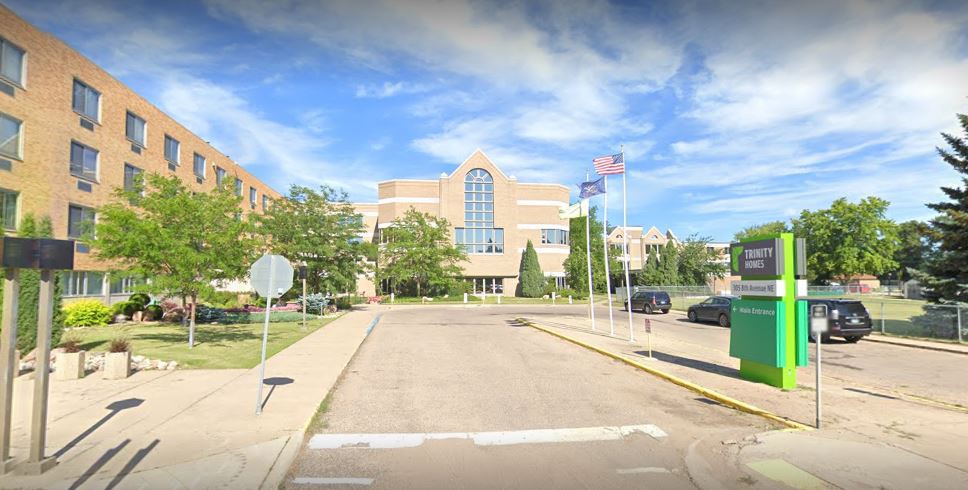
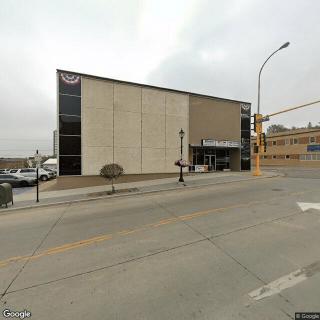
305 8Th Avenue Ne, Minot, ND 58703

For more information about senior living options: (844) 490-3973

2.8 from 17 reviews
5 stars
5
4 stars
3
3 stars
0
2 stars
1
1 stars
8

Skilled Nursing Facility

What level of care are you interested in?

Assisted Living

Memory Care

Independent Living

Skilled Nursing Facility

Continuing Care Retirement Community (CCRC)CCRC

Other


Request a tour at Trinity Homes

    Overall Review of Trinity Homes

    Pros

    • pro They took great care of Aunt Joan.
    • pro His care has been very good.
    • pro The staff were always friendly and helpful.
    • pro A nurse assistant sang to the residents, making them smile.
    • pro A nurse aide hugged a resident and told her, "I love you."
    • pro The grandmother's final months were made comfortable by the staff.
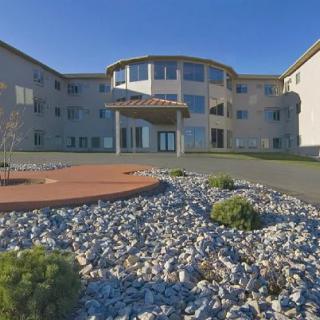
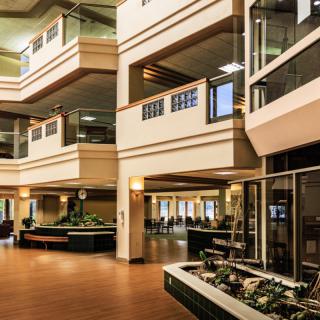
    • pro The facility is spacious and can accommodate groups.
    • pro The staff were wonderful.

    Cons

    • pro The facility treated him horribly.
    • pro The patient was ignored by staff when he couldn't speak after his stroke.
    • pro He was put on medications he didn't need.
    • pro He wasn't given discharge instructions when leaving.
    • pro Staff did not answer questions about why certain medications were given.
    • pro The quality of care was not good.
    • pro He did not receive adequate care for a head wound, leading to an infection.
    • pro Beds were placed against the wall and the call button did not work consistently.
    • pro Initially the son's care seemed inadequate.
    • pro The reviewers would not recommend the facility to anyone unless a family member could advocate.
    • pro The rooms were not clean enough.
    • pro The FNP Becky was described as sneaky and breaching confidentiality.

    Review

    The collection of experiences shared about this facility paints a broad and complicated picture. On one hand, there are stark accounts of mistreatment, neglect, and disorganization that leave families outraged and fearful. On the other hand, there are moments of warmth, compassion, and genuine care from individual staff members that offer a counterpoint to the overarching concerns. Taken together, the reviews read like a mosaic of highly inconsistent care, where the quality seems to swing dramatically from one situation to the next, often depending on who is supervising, which wing a resident is in, and how loudly a family member advocates on a loved one's behalf.

    Several accounts center on patients who were not able to communicate their needs effectively due to stroke recovery or cognitive challenges, and who ultimately suffered from what reviewers describe as neglect or inappropriate care. One family described their father being placed in a ward that did not match his condition, who was basically ignored when he could not find the right words, and who was given medications he did not need while important medications he did need were withheld. The frustration is compounded by the sense that when their 20-day stay ended and the patient would have to pay out of pocket, staff responded with anger rather than a plan for safe discharge. When asked for explanations about medications and treatment decisions, the responses were described as evasive or unavailable, and there were no clear post-discharge instructions provided. In this account, the experience directly led to a sharp deterioration in the patient's condition once he was out of the facility, underscoring the perceived risk of substandard in-house care and poor communication.

    Other testimonials echo similar themes: inadequate discharge planning, missing or broken call buttons, and a ward layout that seems unsafe or impractical. In one case, a head wound allegedly did not receive timely, adequate care, leading to an infection that only received attention when a family member intervened and sought outside medical evaluation. The combination of physical infrastructure issues - beds pressed against walls, unreliable call systems - and inconsistent medical oversight appears to contribute to a sense of vulnerability for residents.

    Yet not all stories are uniformly negative. A number of families recount progress and relief once a loved one left the facility or received supplemental advocacy from relatives. One review, in particular, notes that after pulling a family member out, the patient began to improve within 24 hours: better clarity of speech, improved walking, and an overall sense of better well-being. Another family member who has a loved one with significant disability after a major stroke reports that, while there were rough patches, the care overall improved and was "very good" as a whole, with some days better than others. The reviewer concedes that there could be improvements - particularly in physical therapy staffing and other routines - but still expresses gratitude for the overall trajectory of care when the loved one remained under attentive family oversight.

    There are also moments of genuine tenderness and human connection that stand out in the reviews. Several visitors describe staff members who went beyond the call of duty in small, but meaningful, ways: a nurse assistant who sang to residents and brought smiles to many; a nurse aide who hugged a resident and told them, "I love you." These anecdotes highlight how the environment can be uplifted by individuals who strive to provide dignity, warmth, and personal attention even within a system that other reviewers describe as flawed. The presence of these compassionate moments is repeatedly cited as a reminder of the humanity behind the professional role, and they stand in sharp relief against the harsher critiques about policy, administration, and inconsistent care.

    On the other end of the spectrum, some reviews describe environments where residents who cannot advocate for themselves are at risk of being treated poorly or even drugged to render staff tasks easier. There are alarming assertions about medication manipulation, routine drugging for convenience, or charges for services that were never actually performed. Families report experiences of fear and anger at the prospect of inadequate care or the potential for nursing home staff to exploit residents financially. In several accounts, families explicitly state they would not recommend the facility, urging others to avoid placing loved ones there. The fear expressed in these comments centers not only on immediate care, but on the broader sense of security and respect for vulnerable residents.

    A recurring element across multiple reviews is a harsh critique of management and leadership. In particular, some reviewers direct strong negative opinions toward the administration, with phrases that convey deep dissatisfaction with the overall governance of the facility. One reviewer explicitly calls for the entire management to be fired, criticizing the director of nursing (DON) in particular and describing previous DONs as "witches." The complaints suggest a pattern of high turnover among administrators and traveling staff, which some families feel contributes to inconsistent care and a lack of accountability. The sentiment is that without stable leadership and a culture of accountability, the day-to-day care of residents can become a game of chance, dependent on which staff members happen to be on duty and how effectively they are supervised.

    Taken as a whole, these reviews reveal a facility that evokes strong emotional reactions - ranging from fear and anger to relief and gratitude. The core themes center on inconsistent quality of care, inadequate communication about medical decisions and discharge planning, concerns about safety and physical infrastructure, and a strong call for more robust oversight and leadership. They also illuminate the resilience and perseverance of families who advocate tirelessly for their loved ones' needs, sometimes with notable success in sparking positive changes or improvements in care once they intervene.

    If there is a throughline to draw from these experiences, it is this: care within this facility appears to be highly variable, with large gaps in some residents' experiences that lead to serious consequences, while a minority of residents and staff demonstrate genuine kindness, empathy, and professional dedication that can make a meaningful difference in the lives of those they serve. The reviews collectively underscore the urgent need for improved medical oversight, reliable infrastructure and safety measures, consistent staffing, and accountable leadership. They also remind prospective families to prepare for active advocacy on behalf of a loved one, to question care plans and medications, and to seek out those rare moments of compassionate care that can make a difficult situation significantly more humane.

    Features

    Housing

    • 230 resident community capacity 230 resident community capacity

    Types of Care

    • Skilled Nursing Facility Skilled Nursing FacilitySkilled Nursing Facilities are crucial for seniors as they provide round-the-clock medical care, rehabilitation services, and assistance with daily activities. These facilities ensure that seniors receive the specialized care they need to maintain their health and well-being as they age.

    Amenities

    • Air-conditioning Air-conditioningAir conditioning is important for seniors as they are more vulnerable to heat-related illnesses and may have underlying health conditions that make it difficult for them to regulate their body temperature. It helps to keep them comfortable, safe, and healthy in hot weather.
    • Beauty salon Beauty salonBeauty salons are important for seniors because they provide a space for them to feel pampered, socialize, and maintain their personal grooming and hygiene. Regular visits to a beauty salon can help boost seniors' self-esteem and overall well-being.
    • Cable or satellite TV Cable or satellite TVCable or satellite TV is important for seniors because it provides entertainment, news, and companionship, helping to combat loneliness and boredom. It also offers a wide range of programming options tailored to different interests and preferences.
    • Computer center Computer centerA computer center is essential for seniors as it provides access to technology, communication tools, and resources that can enhance their daily lives. It allows them to stay connected with loved ones, engage in online activities, and learn new skills, ultimately promoting socialization and mental stimulation.
    • Dining room Dining roomDining rooms are important for seniors as they provide a space for socialization, connection, and nutritious meals. They offer opportunities for residents to bond over shared meals, foster a sense of community, and promote healthy eating habits. Dining rooms also ensure that seniors have access to well-balanced meals tailored to their dietary needs and preferences.
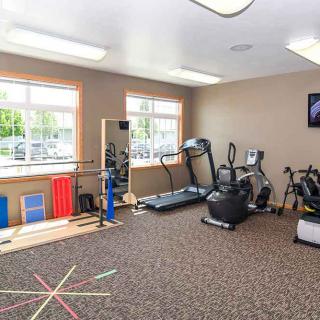
    • Fitness room Fitness roomHaving a fitness room in a senior living community is essential for seniors to stay active, maintain their physical health, and improve their overall well-being. Regular exercise can help prevent falls, reduce the risk of chronic diseases, and promote mental sharpness. It also provides social opportunities for residents to connect with others and enjoy a sense of community.
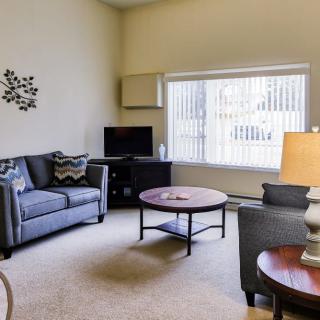
    • Fully furnished Fully furnishedFully furnished senior living communities are important for seniors because they provide convenience, comfort, and a hassle-free moving experience. Seniors can easily settle into their new living space without the stress of having to buy and move furniture. This allows them to focus on enjoying their new home and community.
    • Gaming room Gaming roomGaming rooms are important for seniors as they provide a fun and engaging environment for socializing, cognitive stimulation, and physical activity. Games can improve memory, problem-solving skills, and overall mental well-being while fostering friendships and reducing feelings of isolation.
    • Garden GardenGardens are important for seniors as they provide a peaceful and therapeutic environment for relaxation, physical activity, and socialization. Being in nature has been shown to reduce stress, improve mood, and promote overall well-being. Gardens also offer opportunities for seniors to engage in gardening activities, which can improve mobility, flexibility, and cognitive function. Additionally, gardens create a sense of community and connection with others who share a passion for plants and outdoor spaces.
    • Housekeeping services Housekeeping servicesHousekeeping services are important for seniors because they help maintain a clean and safe living environment, promote independence, and reduce the risk of accidents or illnesses. Additionally, having assistance with household chores can alleviate physical strain and allow seniors to focus on other aspects of their well-being.
    • Kitchenette KitchenetteKitchenettes are important for seniors living in senior living communities because they provide the convenience and independence of being able to prepare simple meals and snacks in the comfort of their own living space. This can help promote a sense of autonomy and well-being for seniors, allowing them to maintain some level of control over their dietary choices and daily routines.
    • Move-in coordination Move-in coordinationMove-in coordination is important for seniors because it helps ease the transition into their new living environment. It ensures that all logistics, such as packing, organizing movers, and setting up utilities are taken care of, allowing seniors to focus on settling in and adjusting to their new home. Having a smooth move-in process can alleviate stress and anxiety, making the transition smoother and more enjoyable for seniors.
    • Outdoor space Outdoor spaceOutdoor spaces are important for seniors as they provide opportunities for physical activity, social interaction, exposure to natural light and fresh air, and a sense of connection to nature. Having access to outdoor spaces can improve overall well-being and quality of life for older adults living in senior communities.
    • Private bathrooms Private bathroomsPrivate bathrooms are important for seniors in senior living communities because they provide independence, dignity, and comfort. Having a private bathroom allows seniors to maintain their personal hygiene routines without the need for assistance, promoting a sense of autonomy and privacy. Additionally, private bathrooms help prevent the spread of infections and provide a safe and clean environment for seniors to navigate safely.
    • Restaurant-style dining Restaurant-style diningRestaurant-style dining is important for seniors because it allows them to enjoy delicious, nutritious meals in a social and upscale setting. This enhances their dining experience, promotes healthy eating habits, and fosters socialization with fellow residents, ultimately contributing to their overall well-being and quality of life.
    • Small library Small librarySmall libraries are important for seniors as they provide access to a variety of reading materials, including books, newspapers, and magazines. This can help stimulate their minds, keep them engaged, and provide a sense of community through book clubs and other social activities. Additionally, reading has been shown to improve cognitive function and overall mental well-being in older adults.
    • Telephone TelephoneTelephones are important for seniors as they provide a lifeline for communication with loved ones, emergency services, and healthcare providers. They offer a sense of security and independence, enabling seniors to stay connected and access assistance when needed.
    • Wellness center Wellness centerWellness centers are important for seniors because they offer a variety of programs and services that promote physical, mental, and emotional well-being. These centers provide opportunities for exercise, socialization, education, and relaxation, helping seniors maintain their overall health and quality of life.
    • Wi-Fi/high-speed internet available Wi-Fi/high-speed internet availableWi-Fi/high-speed internet is important for seniors to stay connected with loved ones, access online resources, and participate in virtual activities to combat feelings of loneliness and isolation. It also allows them to easily manage healthcare needs, access entertainment, and engage in lifelong learning opportunities.

    Transportation

    • Minot International (1 miles away) Minot International (1 miles away)
    • Community operated transportation Community operated transportationCommunity operated transportation is crucial for seniors as it provides them with the means to access essential services, social activities, and medical appointments. It allows seniors to maintain their independence and quality of life by ensuring they can participate in activities outside of their homes. Additionally, community-operated transportation services offer a safe and reliable way for seniors to travel without having to rely on family or friends for assistance.
    • Transportation arrangement Transportation arrangementTransportation arrangements are crucial for seniors as they may face challenges with driving, mobility, or access to public transportation. Having reliable transportation services ensures that seniors can easily attend appointments, social activities, and maintain their independence and quality of life.
    • Transportation arrangement (non-medical) Transportation arrangement (non-medical)Transportation arrangements are essential for seniors as they provide access to essential services, activities, and social interactions outside the home. This service helps maintain independence, mobility, and overall well-being for seniors who may have limited transportation options.
    • Transportation to doctors appointments Transportation to doctors appointmentsTransportation to doctors appointments is crucial for seniors as it ensures they have access to necessary medical care and support, promoting their health and well-being. It allows them to receive timely treatment, monitor existing conditions, and address any new health concerns efficiently. Additionally, transportation services can help seniors maintain their independence and quality of life by enabling them to stay connected with their healthcare providers.

    Care Services

    • 12-16 hour nursing 12-16 hour nursing12-16 hour nursing care is crucial for seniors in order to ensure around-the-clock monitoring, timely medication administration, and prompt response to any health concerns or emergencies. This level of care helps to promote the overall well-being and safety of seniors living in senior living communities.
    • 24-hour call system 24-hour call system24-hour call systems are important for seniors because they provide peace of mind and immediate assistance in case of emergencies. This technology ensures that help is always available, promoting safety and security for elderly individuals living alone or in assisted living facilities.
    • 24-hour supervision 24-hour supervision24-hour supervision is important for seniors to ensure their safety, well-being, and access to immediate assistance in case of emergencies or health issues. This constant support provides peace of mind for both seniors and their loved ones, allowing them to age in place with dignity and security.
    • Activities of daily living assistance Activities of daily living assistanceActivities of daily living assistance are important for seniors because they provide essential support with tasks such as eating, bathing, dressing, and mobility. This assistance helps seniors maintain their independence, dignity, and overall quality of life as they age.
    • Assistance with bathing Assistance with bathingAssistance with bathing is crucial for seniors as it helps maintain personal hygiene, prevents infections, and ensures their overall well-being and comfort. It also provides a sense of dignity and independence for seniors who may struggle with this task on their own.
    • Assistance with dressing Assistance with dressingAssistance with dressing is important for seniors because it helps maintain their independence, promotes personal hygiene, prevents accidents and injuries, and improves overall quality of life. This service ensures that seniors can continue to dress comfortably and confidently, despite any physical limitations they may have.
    • Assistance with transfers Assistance with transfersAssistance with transfers is crucial for seniors as it helps prevent falls and injuries, maintains their independence, and ensures they can safely navigate their living environment. It also provides peace of mind for both seniors and their loved ones.
    • Diabetes diet Diabetes dietA diabetes diet is crucial for seniors as it helps manage blood sugar levels, reduce risks of complications, and improve overall health and well-being. By following a balanced and nutritious diet tailored to their specific needs, seniors can better control their diabetes and enhance their quality of life.
    • Meal preparation and service Meal preparation and serviceMeal preparation and service are crucial for seniors as they may have limited mobility or energy to cook nutritious meals. Having access to healthy and convenient food options can ensure they are getting the proper nutrition needed to maintain their overall health and well-being.
    • Medication management Medication managementMedication management is crucial for seniors to ensure they are taking the right medications at the correct dosages and times. This helps prevent adverse drug interactions, reduces the risk of medication errors, and promotes overall health and well-being. Proactive management also allows for adjustments as needed based on changing health conditions or new prescriptions.
    • Mental wellness program Mental wellness programMental wellness programs are essential for seniors as they promote cognitive stimulation, emotional support, and social engagement. These programs help prevent isolation, depression, and cognitive decline, ultimately enhancing the overall quality of life for older adults.
    • Special dietary restrictions Special dietary restrictionsSpecial dietary restrictions are important for seniors because age-related changes in metabolism and health conditions can make it difficult for their bodies to process certain foods. By following a diet tailored to their specific needs, seniors can maintain their overall health and well-being, manage chronic conditions, and reduce the risk of complications such as malnutrition or food interactions with medications.

    Dining

    • Diabetes diet Diabetes dietA diabetes diet is crucial for seniors as it helps manage blood sugar levels, reduce risks of complications, and improve overall health and well-being. By following a balanced and nutritious diet tailored to their specific needs, seniors can better control their diabetes and enhance their quality of life.
    • Special dietary restrictions Special dietary restrictionsSpecial dietary restrictions are important for seniors because age-related changes in metabolism and health conditions can make it difficult for their bodies to process certain foods. By following a diet tailored to their specific needs, seniors can maintain their overall health and well-being, manage chronic conditions, and reduce the risk of complications such as malnutrition or food interactions with medications.

    Activities

    • Community-sponsored activities Community-sponsored activitiesCommunity-sponsored activities are important for seniors as they provide opportunities for social interaction, mental stimulation, and physical activity. These activities can help improve overall well-being, combat loneliness and isolation, and promote a sense of belonging and purpose among older adults.
    • Concierge services Concierge servicesConcierge services are essential for seniors as they provide assistance with daily tasks and errands, enhance their quality of life by offering convenience and personalized care, and promote a sense of safety and security.
    • Fitness programs Fitness programsFitness programs are crucial for seniors as they help improve strength, flexibility, balance, and overall well-being. Staying active can reduce the risk of chronic diseases, improve mental health, and enhance quality of life in older adults.
    • Planned day trips Planned day tripsPlanned day trips are important for seniors because they offer opportunities for socialization, mental stimulation, and physical activity. They provide a change of scenery and help seniors stay engaged and connected to their community, promoting overall well-being and quality of life.
    • Resident-run activities Resident-run activitiesResident-run activities are important for seniors as they encourage social interaction, creativity, and a sense of autonomy. These activities empower seniors to stay engaged and active in their community while fostering meaningful connections with their peers.
    • Scheduled daily activities Scheduled daily activitiesScheduled daily activities are important for seniors because they provide structure, socialization, mental stimulation, and physical activity. Engaging in regular activities can improve overall well-being and quality of life for seniors living in a community setting.

    Description

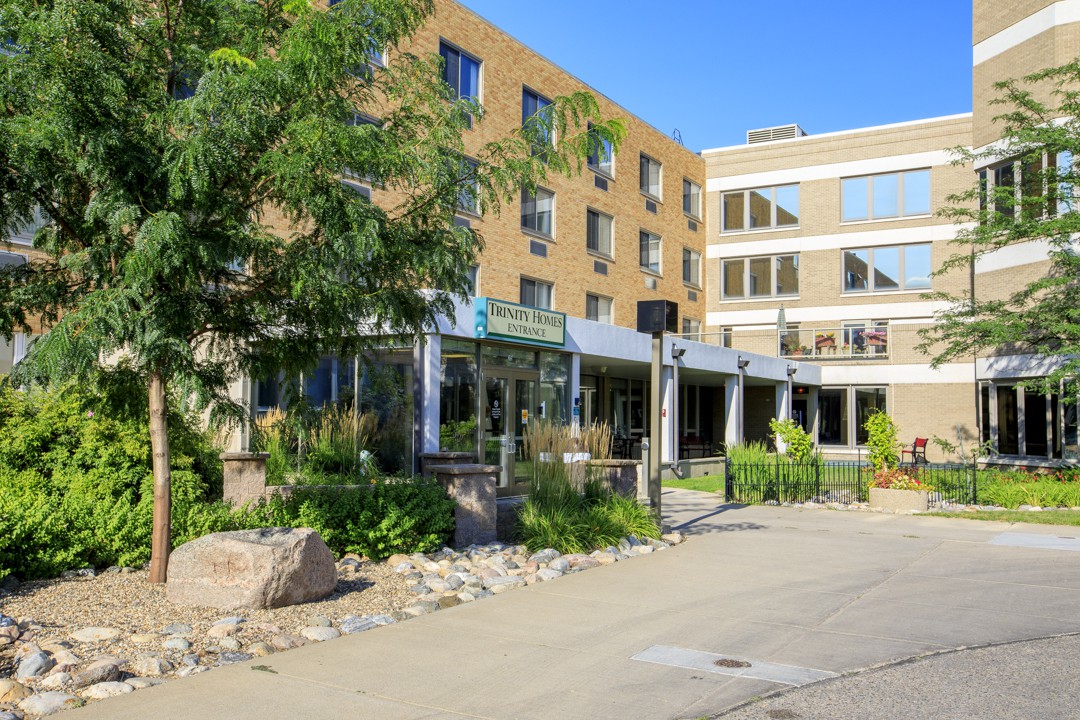
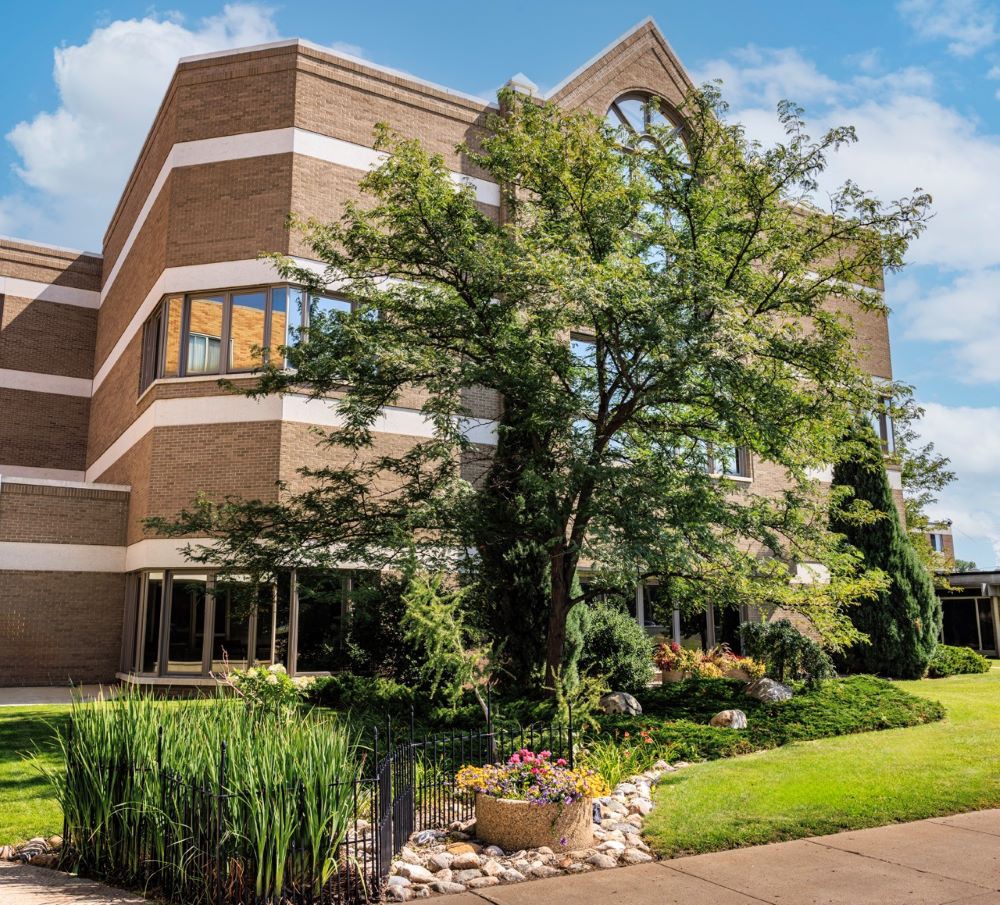
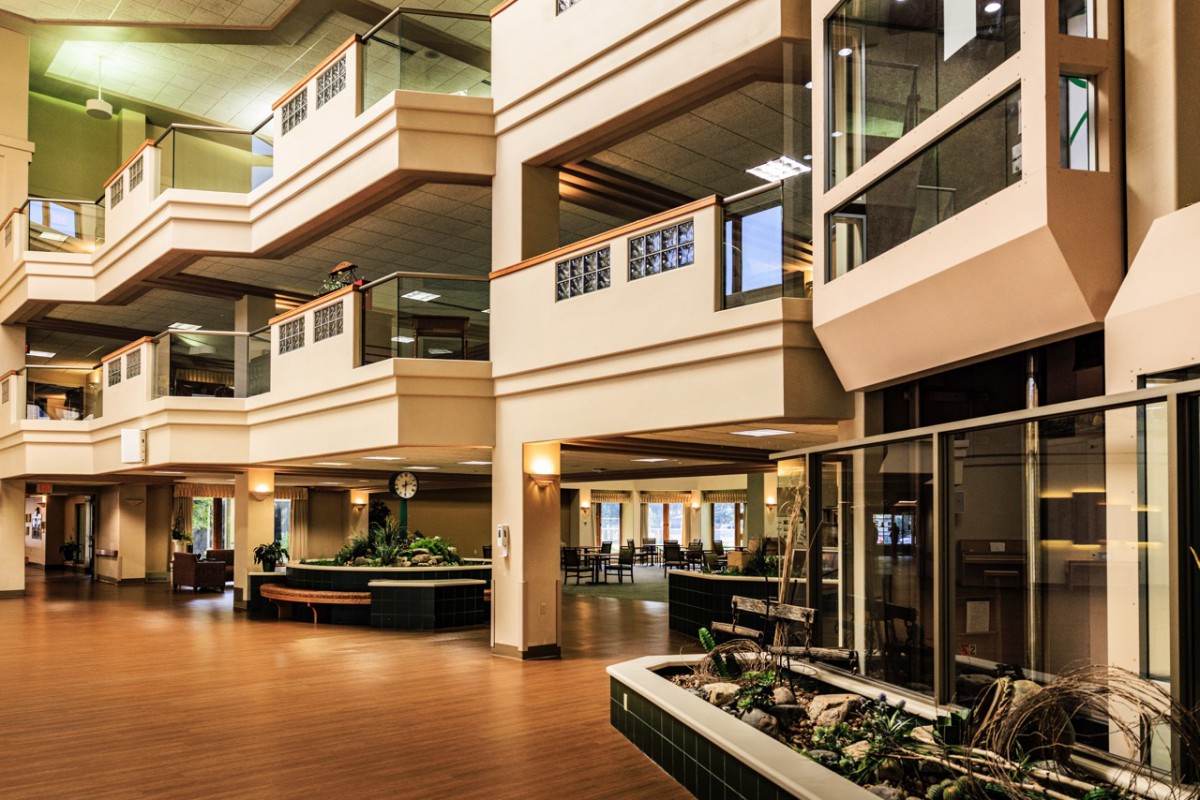
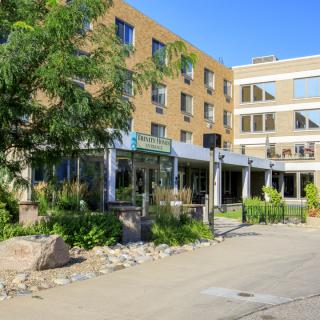
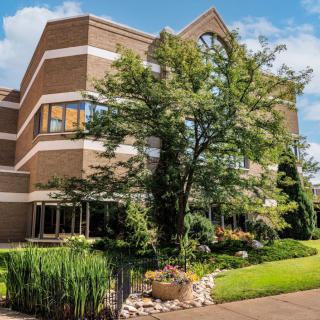
    Trinity Homes in Minot, ND is an exceptional assisted living community that offers a wide range of amenities and care services to ensure a comfortable and fulfilling lifestyle for its residents. The community boasts a variety of amenities, including a beauty salon, cable or satellite TV, a computer center, a fitness room, gaming room, garden, small library, and Wi-Fi/high-speed internet access. Residents can also enjoy delicious meals in the restaurant-style dining room or make use of the kitchenette in their fully furnished apartments. Trinity Homes also offers housekeeping services and move-in coordination to simplify the transition process.

    In terms of care services, Trinity Homes prioritizes the wellbeing of its residents by providing 24-hour call system and supervision for peace of mind. The professional staff offers assistance with activities of daily living such as bathing, dressing and transfers. Medication management is available to ensure residents receive their required medications on time. In addition, Trinity Homes offers specialized care for those with diabetes and accommodates special dietary restrictions.

    Residents at Trinity Homes are never short on entertainment options with concierge services available for planning day trips and resident-run activities organized regularly. Fitness programs are offered to help residents maintain an active lifestyle. For those seeking spiritual guidance or community involvement, there are numerous places of worship nearby as well as various cafes, parks and pharmacies within close proximity.

    Furthermore, Trinity Homes provides transportation arrangement both non-medical and for doctor appointments ensuring residents have easy access to healthcare facilities when needed. Additionally, the community is conveniently located near several hospitals.

    Overall, Trinity Homes in Minot, ND offers a warm and inviting atmosphere with an array of amenities and care services tailored to meet the needs of its residents. With abundant nearby amenities and convenient transportation options available, this community provides a comfortable living experience where seniors can thrive physically, mentally and socially.

    Nearby Places of Interest

    This part of Minot, North Dakota, offers a convenient and accessible location with various amenities suitable for senior living. With multiple transportation options such as taxis, the airport, and public transport stations nearby, getting around the city is effortless. There are also several places of worship in close proximity for those seeking spiritual fulfillment. The area boasts a variety of restaurants and cafes for dining out or grabbing a quick bite to eat. Additionally, there are pharmacies and hospitals within a short distance, providing easy access to healthcare services. For outdoor enthusiasts, parks are nearby for leisurely walks or enjoying nature. Overall, this neighborhood provides a well-rounded environment with essential services for seniors looking to settle in Minot.

    Transportation

    • Taxi-9000 (0.2 miles)
    • Central Cab Company (0.6 miles)
    • Minot International Airport (MOT) (0.8 miles)
    • Minot Station (0.8 miles)
    • Amtrak (0.8 miles)
    • Taxi Joe & Shuttle (1.3 miles)
    • C P Rail Systems (1.3 miles)

    Places of Worship

    • Spiritual Life Christian Felloship Church (0.4 miles)
    • Open Gate Church (0.4 miles)
    • Congregational United Church Of Christ (0.5 miles)
    • Bethany Lutheran Church (0.8 miles)
    • St Paul's Lutheran Church (0.9 miles)
    • Greater Faith Ministries (0.9 miles)
    • Vincent United Methodist Church (1.3 miles)

    Restaurants

    • Bearscat Bakehouse (0.4 miles)
    • The Barley Pop Bar (0.5 miles)
    • High Third (0.6 miles)
    • Off The Vine (0.7 miles)
    • International Inn (0.7 miles)
    • Charlie's Main Street Cafe (0.7 miles)
    • Elevation (0.8 miles)

    Pharmacies

    • Dakota Drug (0.6 miles)
    • Keycare Pharmacy (0.8 miles)
    • B & B Northwest Pharmacy (0.9 miles)
    • White Drug Stores (1.3 miles)
    • Thrifty White Pharmacy (1.3 miles)
    • Medicine Shoppe (1.4 miles)
    • Market Pharmacy (2.3 miles)

    Hospitals

    • Dr. Jaime L. Haaland, Opt., PC (0.7 miles)
    • Sleep Center (0.9 miles)
    • Trinity Hospital - St Joseph's (0.9 miles)
    • St Joseph Hospital (0.9 miles)
    • Trinity Health Saint Joseph's Hospital (0.9 miles)
    • Trinity Health Hospital (0.9 miles)
    • Family Birth Center (0.9 miles)

    Physicians

    • Trinity Health - Medical Arts Clinic (0.9 miles)
    • Medical Arts-Health Center (0.9 miles)
    • Mccormick, Duncan Dr - Trinity Health Firstcare Walk in Clinic (0.9 miles)
    • Ear Nose & Throat Center (0.9 miles)
    • Trinity Hospital, Health Center-Town & Country, Dermatology (1.2 miles)
    • Center For Family Medicine (1.7 miles)
    • Eye Clinic of North Dakota (2 miles)

    Cafes

    • The Daily Buzz (0.9 miles)
    • Minot's Daily Bread (1.8 miles)
    • Panera Bread (2.9 miles)

    Parks

    • Moose Park (1.1 miles)
    • ND Game & Fish Outdoor Skills Park (1.4 miles)
    • Ward County Highway Department (1.5 miles)
    • Berkin Elvan memorial national park (2.9 miles)

    Frequently Asked Questions

    Where is Trinity Homes?
    What photos are available for Trinity Homes in Minot, North Dakota?

    Nearby Communities

    Related Resources

    • best car for seniorsTop Cars for Senior Drivers and Essential Safety Innovations

      Senior drivers prioritize comfort, safety, and ease of use in vehicles due to age-related challenges, seeking features like easy entry, clear visibility, and modern driver-assistance technologies. Recommended models include the Subaru Forester, Honda CR-V, and Toyota Camry, with emphasis on test-driving for personal comfort and evaluating crash-test ratings alongside insurance considerations.

    • private pay home careA Closer Look at Private Pay Home Care

      Private pay home care offers a flexible caregiving option for older adults and families who don't qualify for government programs, allowing them to directly fund in-home care services that range from daily assistance to specialized support. This model's customization potential enables aging in place while addressing financial considerations through strategic planning options, though clients must navigate marketplace challenges and ensure quality compliance.

    • what to do for arthritisComprehensive Approaches for Arthritis: A Detailed Guide to Symptoms, Causes, and Care

      Arthritis encompasses over 100 joint disorders affecting people of all ages, leading to symptoms like pain and stiffness that impair mobility and quality of life. Effective management involves early diagnosis, lifestyle changes, medical treatments, emotional support, and ongoing monitoring with healthcare professionals.


    Get Pricing Ask A Question Schedule A Tour Contact Senior Advisor