315 1St Street Se, Lamoure, ND 58458
For more information about senior living options: (866) 208-4318
Overall Review of St Rose Care Center
Pros
 The staff are largely excellent and caring.
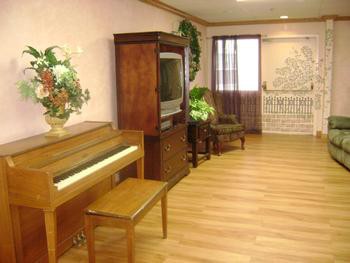
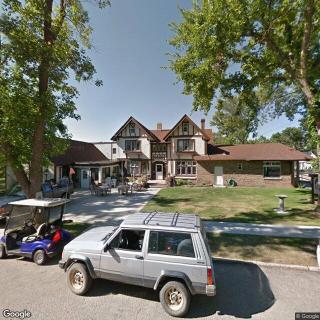
- The facility is small, established, and has a warm, caring atmosphere.
- The memory care unit is a positive feature.
- The staff are professional and have long tenures, contributing to reliable care.
- Residents are allowed to roam around and be together, creating a peaceful environment.
- Family members report that the food is liked and that the overall care is well-regarded.
Cons
 Some staff seem to be there for the paycheck and don’t care about the job.
- One nurse bullies the resident, lies to them and to others about a medication, and information about the medication was withheld; the matter is being investigated, but outcomes seem doubtful.
- The food ranges from decent to inedible, with meat that is dry or charred and canned vegetables and fruit that are mushy and tasteless; meals are heavy in carbs and fresh fruit/vegetables are rarely provided.
- Cleanliness is fairly good, but wounds are sometimes cleaned with a washcloth instead of sterile gauze.
- Diabetes care is outdated, and better control required a petition to the doctor against the nurse’s wishes, which upsets some staff and adds to their workload.
- Staffing shortages exist and are noted as impacting the facility’s overall quality.
- The location is far from home (about 4.5 hours one way), which is a negative aspect.
Review
St. Rose Care Center in Lamoure, ND is best suited for families seeking a small, home‑like setting with a clear focus on individualized attention and an accessible memory-care option. The campus appeals to seniors who value direct interactions with caregivers and the continuity that comes with long‑tenured staff. It is particularly compatible with veterans and their families, as the VA has selected this facility and there is a dedicated memory‑care area that supports residents who wander in a quiet, low‑stimulus environment. The upside is tangible: residents are not swallowed by a sprawling campus, and staff can know each resident by name, monitor changes day by day, and respond with a level of familiarity larger centers struggle to sustain.
However, this community is not for everyone. Families needing unwavering, day‑to‑day clinical oversight may prefer a larger, better‑staffed campus where shifts remain steady regardless of who is on duty. There have been concerns raised about the behavior of at least one staff member toward a resident, and the facility is actively investigating the situation. Staffing shortages further destabilize reliability across shifts, which can ripple into meals, wound care, and chronic‑disease management. Dietary quality varies from passable to poor, with meals heavy in carbs and limited fresh produce on many days. Distance is also a practical barrier, about four and a half hours one‑way, for regular, hands‑on family involvement.
On the positive side, the small size and long‑tenured, caring staff often translate into more responsive, personalized attention than larger campuses. The memory‑care option is a clear strength, with residents allowed to roam in a supervised, low‑stimulus setting and with caregivers who know each resident’s routines and preferences. Veterans and families seeking continuity of care will appreciate the sense of stability that comes from a team that has worked together for years. The quiet atmosphere and established history contribute to a calmer day‑to‑day experience that can offset some periods of operational strain. Yet these advantages can be overshadowed by safety concerns tied to incidents and ongoing investigations, and the reality that staffing variabilities can erode reliability.
Prospective families should verify current staffing levels and leadership responsiveness, request recent incident summaries, and query how safety concerns are escalated and tracked. A tour of the memory‑care area is essential to observe how staff interact with residents who roam and to judge whether supervision feels adequate. Demand to see updated care plans, especially for diabetes management and wound care, and ask who writes orders, who approves changes, and how quickly corrections can be implemented. Request the latest menu and any available nutritional accommodations, so expectations about meals and fresh produce are aligned. Finally, confirm ongoing engagement with the VA and whether there are structured activities beyond passive time, to ensure meaningful daily engagement.
This facility can work well for a family that values a tight‑knit staff, a veteran‑friendly environment, and a memory‑care set‑up where residents’ independence is respected. It is particularly suitable for someone who can handle occasional care gaps with proactive oversight from family or a chosen advocate, and who is comfortable with a longer drive for regular visits. If proximity, pronounced consistency in nursing care, predictable dining quality, and robust, organized activity programming are non‑negotiables, exploring alternatives, such as larger regional centers with more resources, becomes a prudent step before making a decision.
Bottom line: St. Rose Care Center offers a compassionate, intimate setting and a dedicated memory‑care niche that can support a calmer, individualized care experience, especially for veterans. However, care reliability can waver due to staffing shortages and at least one documented safety‑related concern, and dietary quality varies from decent to disappointing. For families prepared to engage actively, monitor care plans, push for timely clinical updates, and maintain regular visits, the facility can be a sensible choice that aligns with low‑stress, home‑like living. For those needing rigorous clinical oversight, predictable meals, and easy proximity, it is wise to compare alternatives and choose the option that best fits the care trajectory and logistical realities.
 44 resident community capacity
 Skilled Nursing Facility
 Beauty salon
 Cable or satellite TV
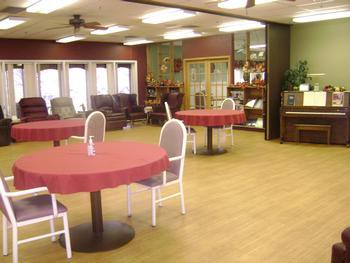
 Dining room
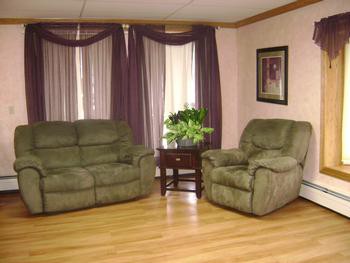
 Fully furnished
 Garden
 Housekeeping services
 Kitchenette
 Move-in coordination
 Outdoor space
 Restaurant-style dining
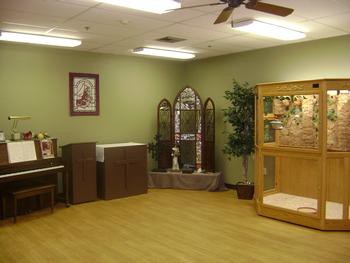
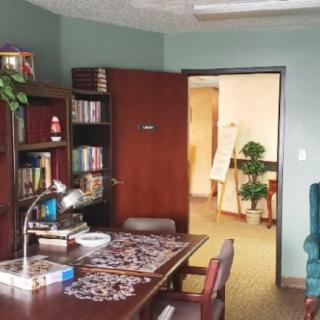
 Small library
 Telephone
 Wi-Fi/high-speed internet available
 24-hour call system
 Activities of daily living assistance
 Assistance with bathing
 Assistance with dressing
 Assistance with transfers
 Diabetes diet
 Medication management
 Mental wellness program
 Special dietary restrictions
 Comprehensive Guide to Medicare Coverage for Hospice Care
 Caring for Those Who Care: Recognizing, Understanding, and Overcoming Caregiver Burnout
 Caregiver Exhaustion: Recognizing the Signs and Restoring Your Well-Being