
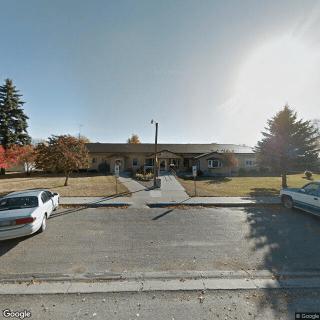
325 East Brewster Street, Harvey, ND 58341
For more information about senior living options: (866) 208-4318
St Aloisius Medical Center Nursing Home Costs & Pricing
St. Aloisius Medical Center Nursing Home offers competitive pricing for its private rooms, with a monthly cost of $4,389. This rate aligns perfectly with the average costs in Wells County, ensuring that local options remain consistent for families seeking quality care. When compared to the broader state average in North Dakota, which stands at $4,343 per month for similar facilities, St. Aloisius reflects a strong commitment to providing valuable services within the community. Overall, the facility's pricing effectively balances high-quality care and accessibility for residents and their families alike.
| Floor plans | St Aloisius Medical Center Nursing Home | Wells County | North Dakota |
|---|---|---|---|
| Private | $4,389 | $4,389 | $4,343 |
Overall Review of St Aloisius Medical Center Nursing Home
Pros
 The clinic delivers great care, with a welcoming front desk and nurses who go above and beyond for patient care.
- Medical providers are organized, on time, and treat patients as individuals rather than a chart number.
- The clinic is a great place to go for care.
- The clinic has great staffing and normal wait times.
- The experience at the clinic is excellent.
- The clinic is a great place to work, with a great ER and reliable care when ill.
Cons
 The reviewer finds the billing department very frustrating, noting that it rarely returns calls and has made several billing mistakes over the years, with issues taking months to resolve.
 - The reviewer accuses the clinic of illegal balance billing for emergency services to gouge patients, and criticizes the quality of care with the worst stitch job they've seen from a trained professional.
- The reviewer describes the billing department as awful, citing unanswered calls, delays getting prompt pay discounts, and the need to drive long distances to pay the bill.
- The reviewer feels that the staff member handling messages is disrespectful for not returning calls.
Review
This community is best suited for families seeking a medically integrated setting where skilled nursing oversight is a core offering and access to hospital resources is practical and timely. The affiliation with a medical center translates into dependable provider presence, organized care, and a rhythm of on-time visits and individualized treatment plans. It suits seniors who require ongoing medical monitoring, regular physician input, and the reassurance of a facility that can coordinate hospital-level services without forcing a change of scenery. For residents who value predictability in medical attention and appreciate the comfort of a facility that treats ailments with a clinical ease, this environment can deliver consistent, capable care.
Those who may want to consider alternatives are families who prize transparent, friction-free billing as a non-negotiable part of daily life. The most prominent red flag in the current feedback is the billing process: slow responses, repeated calls going unanswered, and recurring errors in charges. When administrative friction eclipses the care narrative, the overall experience tilts toward stress and financial unpredictability. If a straightforward pricing structure, prompt financial communication, and clear cancellation or discount policies are essential, it’s prudent to explore options with a more streamlined billing operation. Also worth considering are settings that emphasize a more social, activity-rich daily life with fewer hospital-like touchpoints for residents who do not require constant medical oversight.
The strongest positives center on clinical competence and staff dedication. Reviewers consistently describe great care at the clinic side, with front-desk warmth and nurses who go beyond for patient welfare. Medical providers are noted as organized, punctual, and attentive to the person beyond the chart. Staffing appears capable, with reasonable wait times and a sense that care decisions are timely and patient-centered. In short, the caregiving core, nurses, physicians, and other clinicians, delivers reliable, individualized attention, and the ER or urgent care pathways are praised as efficient and responsive. For families where medical outcomes and professional bedside care trump other considerations, these are meaningful, differentiating assets.
However, the mix of positives is sharply shadowed by persistent billing shortcomings. The recurring complaints about the billing department, unreturned calls, delayed responses, repeated billing mistakes, and even references to balance billing for emergency services, undercut trust in the overall value proposition. When financial processes fail to align with the quality of medical care, families bear not only monetary risk but administrative fatigue that can color every interaction with the facility. The frustration is compounded by anecdotes of having to travel long distances to secure discounts or resolve simple questions, signaling a systemic communication gap that is difficult to overlook in a decision about where a loved one will live and be treated.
In weighing the pros against the cons, the medical care advantage remains compelling but not sufficient to overlook the administrative liabilities. The clinical strength and personal attentiveness of caregivers make this a viable choice for residents whose daily well-being hinges on accessible medical oversight and the reassurance that a hospital ecosystem backs the care plan. Yet the billing chaos introduces a daily friction that can erode satisfaction, drain energy, and create financial ambiguity during a vulnerable life stage. Families must assess whether the robust clinical pathway justifies the ongoing risk of billing disputes, mischarges, and the potential for surprise balances tied to emergency services. If the clarity and speed of financial interactions are non-negotiable, this will likely tilt the balance toward alternatives.
Practical next steps for families are specific and focused. Request a dedicated billing liaison and a written explanation of all charges from intake through ongoing care, with itemized bills and a guaranteed turnaround window for questions. Seek a plain-language policy on balance billing, emergencies, and any out-of-network charges, and verify how discounts are applied and documented. Before committing, review a sample month of statements and compare total monthly costs against other facilities with transparent pricing. Involve a social worker or elder-law advisor to map the financial workflow and to test how disputes are resolved. Finally, pair this facility’s strong clinical capabilities with a candid assessment of whether the administrative environment can be optimized to support peace of mind rather than repeated price-related stress.
 91 resident community capacity
 Skilled Nursing Facility
 Air-conditioning
 Beauty salon
 Cable or satellite TV
 Computer center
 Dining room
 Fitness room
 Fully furnished
 Gaming room
 Garden
 Housekeeping services
 Kitchenette
 Move-in coordination
 Outdoor space
 Private bathrooms
 Restaurant-style dining
 Small library
 Telephone
 Wellness center
 Wi-Fi/high-speed internet available
 Community operated transportation
 12-16 hour nursing
 24-hour call system
 Activities of daily living assistance
 Assistance with bathing
 Assistance with dressing
 Assistance with transfers
 Diabetes diet
 Medication management
 Mental wellness program
 Special dietary restrictions
 Concierge services
 Planned day trips
 Comprehensive Look at Senior Blood Pressure Charts: Normal and Elevated Levels by Age
 Top Canine Companions for Older Adults
 Comprehensive Guide to Blood Pressure Charts for Older Adults: Understanding Normal and High Readings by Age