
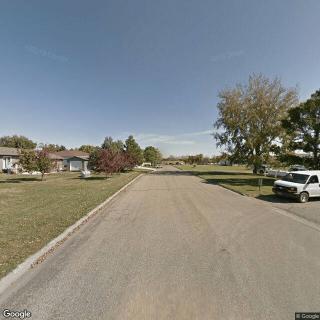
609 4Th Avenue Ne, Garrison, ND 58540
For more information about senior living options: (866) 208-4318
Overall Review of Benedictine Living Center Of Garrison
Pros
 The staff made the stay as a family environment.
- They take the time to get to know individual needs.
- Not only was the health and rehab care excellent, their empathy is in abundance.
- Friendly staff.
- Very accommodating.
- home feeling
- My mom lives there. She likes it.
Cons
 The place was poorly staffed on Sunday night.
 - There was always a long wait for someone to respond to the call button.
- Several patients had to sit in soiled Depends for quite a long time.
- The family believes the father would still be alive if staffing had been better.
- Benedictine would be fine only if they hired enough staff to meet the residents’ needs.
Review
Benedictine Living Center of Garrison is best suited for seniors who prize a warm, home-like atmosphere and individualized attention, paired with capable rehabilitation services in a small-town setting. Families that value a staff culture built on relationships will find caregivers who take time to learn each resident’s preferences, routines, and history. The center earns trust through tangible warmth, and residents who want to feel known and cared for tend to settle in comfortably. That said, this community is less ideal for those who require constant, high-acuity monitoring or whose safety depends on immediate, universal call-button responsiveness, particularly during night shifts.
On the positive side, the strongest selling points are the staff dynamics and the rehab focus. Reports consistently highlight friendly, accommodating team members who treat residents like family and who genuinely listen. The empathetic approach translates into meaningful daily interactions and a sense of belonging, contributing to an atmosphere where residents appear settled and at ease. The health and rehab care is described as excellent, with tangible competence in managing therapy, mobility, and recovery goals. When a resident thrives on personal attention and a familiar home feel, these elements often offset the discomforts of institutional settings.
However, the most troubling disclosures center on staffing gaps and their consequences. A Sunday night with insufficient staff left a resident without timely help, and families allege the risk persisted even when shifts changed. Similar concerns recur in weekday patterns, with repeated calls for assistance that go unanswered for extended periods. The result is not hypothetical, the care environment includes instances of residents waiting in soiled briefs for prolonged times, a distressing indicator of how staffing shortfalls translate into real-world lapses in basic care and safety. These memories cast a long shadow over otherwise positive impressions.
Those who can bank on stable, attentive staff for most of the day will find the center’s strengths meaningful. Empathy and rehab competence can drive recovery, comfort, and a sense of normalcy, making the setting feel like home where families feel connected to the team. Yet the offset is not universal. For residents with high oxygen needs, memory-care requirements, or complex medical regimens, staffing fragility raises legitimate safety concerns. In such cases, the risk of delayed response may outweigh the warmth and specialized rehab, meaning outcomes hinge more on staffing consistency than on goodwill and intent alone.
For families weighing options, alternatives should be considered when safety and prompt responsiveness are paramount. If round-the-clock vigilance is essential, or if the resident’s condition includes oxygen management, frequent need for assistance, or severe memory impairment, other communities with stronger night and weekend staffing should be explored. Memory-care alignment should be clarified, and inquiries about nurse-to-patient ratios, call-button response times, and care coordination should be prioritized. A visit that includes speaking with direct care staff across shifts can reveal whether the reality aligns with the perceived warmth and rehab excellence.
Practical next steps include requesting current staffing ratios by shift, asking to review care plans and response-time metrics, and arranging visits at various times to observe call-bell activity. Prospective families should probe whether the team can meet oxygen and dementia-related needs consistently, and whether there is a robust escalation protocol for delays. Collect testimonials from current residents’ families and review state inspection findings to verify safety history. Benedictine Living Center of Garrison delivers meaningful benefits for the right resident, but families must weigh the compassionate care and rehab strengths against the real-world staffing risks before making a commitment.
 52 resident community capacity
 Skilled Nursing Facility
 Air-conditioning
 Beauty salon
 Cable or satellite TV
 Computer center
 Dining room
 Fitness room
 Fully furnished
 Gaming room
 Garden
 Housekeeping services
 Kitchenette
 Move-in coordination
 Outdoor space
 Private bathrooms
 Restaurant-style dining
 Small library
 Telephone
 Wellness center
 Wi-Fi/high-speed internet available
 Community operated transportation
 12-16 hour nursing
 24-hour call system
 Activities of daily living assistance
 Assistance with bathing
 Assistance with dressing
 Assistance with transfers
 Diabetes diet
 Medication management
 Mental wellness program
 Special dietary restrictions
 Concierge services
 Planned day trips




 Weight Training for Seniors: Building Strength and Vitality
 Understanding the Sandwich Generation: Stress and Responsibilities for Multigenerational Caregivers
 8 Essential Assistive Devices for Older Adults