Residents and families frequently describe staff as friendly and helpful.
Many reviewers mention being greeted warmly, treated respectfully, or receiving quick help from staff members. Several also highlight professionalism from specific roles (like nurses, a PA, the DON, or front-desk/concierge staff). A number of reviews also describe residents engaging with workers in common areas, along with a general sense of welcome.
common15 reviews mention this
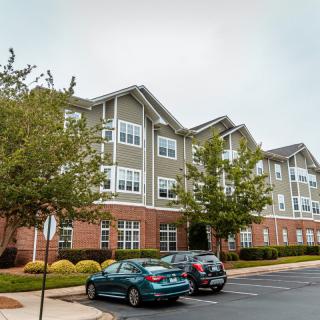
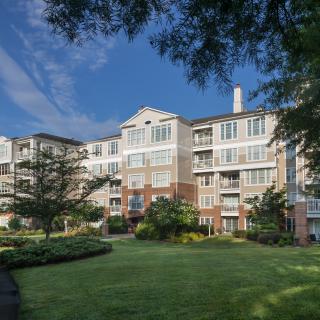
Clean facility and well kept
Cleanliness is a recurring positive point in reviews.
Multiple reviewers comment that the facility looks clean, well-maintained, and organized. Some specifically mention common areas being tidy and rooms being clean. A few reviews also contrast the environment with other places they visited by pointing out there were no noticeable bad odors.
caveat14 reviews mention this
Care response gets mixed reviews
Some reviews report gaps in attention and follow-through.
While many families report attentive care, others describe delays or missed needs. Several negative reviews mention call lights being ignored, residents left in unsafe or uncomfortable situations, or delays during assistance like changing. A few also describe limited communication when concerns were raised and recommend that families be present to advocate closely.
common4 reviews mention this
Activities help residents stay engaged
Residents are kept engaged through activities.
Reviewers describe an activities presence that helps residents get involved and socialize. One reviewer specifically mentions a robust activities program with events that keep residents actively engaged. Another describes volunteering at the facility and calls out the activities as a positive part of day-to-day life.
common4 reviews mention this
Rehab and skilled nursing noted
Rehabilitation and skilled nursing are a frequent focus of reviews.
Some reviews discuss rehab outcomes after serious conditions or injuries and describe therapists and nursing support as part of recovery. Others mention skilled nursing during longer stays and whether medication and clinical monitoring were identified in time. Together, these reviews suggest the community’s care model centers on rehab and skilled services, though experiences vary by resident.
caveat3 reviews mention this
Room and environment concerns appear
A few reviews mention concerning environmental or housekeeping issues.
A small number of reviewers describe troubling conditions, including odors in hallways and reports of clutter. Others mention hygiene or laundry concerns impacting residents. These comments stand out because most reviews emphasize cleanliness and tidy spaces.
How we summarize
Counts show how many written reviews mention each theme; a review can touch several themes, and only frequently mentioned themes are displayed.
Features
Types of Care
Skilled Nursing Facility
Transportation
Charlotte Douglas International (9 miles away)
Nearby Places of Interest
Pharmacies
Walgreens (0.4 miles)
CVS Pharmacy (1.7 miles)
Walgreens (2.3 miles)
CVS Pharmacy (3 miles)
Walgreens (3.8 miles)
Walgreens (4.7 miles)
Walmart Pharmacy (4.9 miles)
Restaurants
Middle James Brewing C (0.6 miles)
Taco Bell (0.7 miles)
McDonald's (1.4 miles)
Park Place Restaurant (1.5 miles)
McDonald's (1.8 miles)
Small Bar Fort Mill (2.2 miles)
McDonald's (2.2 miles)
Cafes
Starbucks (1.2 miles)
Chatty Cathy s Coffeehouse (2.1 miles)
The Flipside Cafe (2.4 miles)
Starbucks (2.5 miles)
Starbucks (3 miles)
Starbucks (3.8 miles)
Gateway Canteen (4.2 miles)
Physicians
Carolinas Healthcare System Pulmonary Care-Pineville (1.3 miles)
Dr Richard A. Dougherty (1.5 miles)
Carmel Family Physicians (1.6 miles)
Pineville Pediatrics (1.8 miles)
Ballantyne Pediatric Associates (2.7 miles)
Carolina Sinus Centers - Charlotte (3.2 miles)
CMC-Fort Mill Medical Plaza (3.8 miles)
Hospitals
Carolinas Medical Center-Pineville (1.3 miles)
Places of Worship
Morningstar Fellowship Church (2 miles)
Sharon Baptist Church (3.9 miles)
Elevation Church - Ballantyne (4.2 miles)
Calvary Church (4.4 miles)
Grace Community United Methodist Church (4.8 miles)
Caregiving for an aging parent entails emotional and financial responsibilities accompanied by significant tax implications, including potential benefits from claiming them as dependents and deductions for medical expenses and caregiving costs. Caregivers must understand eligibility requirements, maintain thorough documentation, and consider consulting a tax professional to navigate these complexities effectively.
Low-impact exercises are vital for seniors as they promote health, independence, and social interaction while reducing joint strain. These adaptable activities, guided by healthcare professionals, enhance strength, flexibility, and emotional well-being.
The guide details the tax deductibility of in-home healthcare expenses according to IRS guidelines, differentiating between medically necessary services and non-medical assistance, while emphasizing the need for proper documentation and itemization requirements. It also highlights state-level variations, the importance of record-keeping, and encourages seeking professional tax help to understand evolving regulations.
Get PricingAsk A QuestionSchedule A TourContact Senior Advisor
By clicking submit, you agree to our Partner's Terms of Use. You
also consent to receive calls and texts, which may be autodialed, from our Partner. Your consent is not a condition to
using our Partner's service. Please visit our Partner's Privacy Policy for information about their privacy practices.

 Skilled Nursing Facility
 Charlotte Douglas International (9 miles away)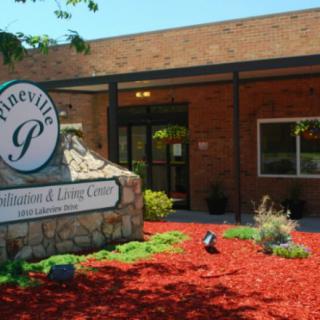
 Caring staff with comprehensive rehab services and engaging activities.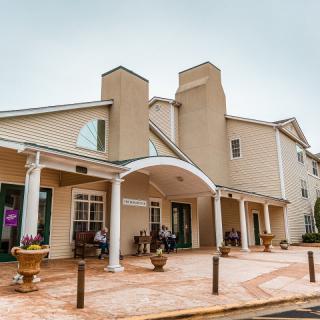

 Navigating the Tax Landscape of Caregiving: Credits, Deductions, and Beyond
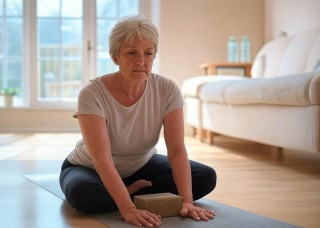 Highly Beneficial Low-Impact Exercises for Senior Living Residents
 Is In-Home Healthcare Tax Deductible? Your Comprehensive Guide