For more information about senior living options: (866) 208-4318
4 from 82 reviews
5 stars
57
4 stars
3
3 stars
4
2 stars
3
1 stars
15
Lincolnton Rehabilitation Center Costs & Pricing
At Lincolnton Rehabilitation Center, the monthly cost for a semi-private room is $4,560. This figure reflects a premium compared to the average costs in Lincoln County, which stands at $3,343, and the broader state average of $3,584 for similar accommodations. While it may appear that Lincolnton's rates are elevated relative to local and state figures, this pricing can often be attributed to enhanced services or specialized care that the facility may offer. Families considering options for rehabilitation should weigh these costs against the quality of care and resources available to residents at Lincolnton Rehabilitation Center.
Floor plans
Lincolnton Rehabilitation Center
Lincoln County
North Carolina
Semi-Private
$4,560
$3,343
$3,584
Skilled Nursing Facilities with a similar price nearby
Overall Review of Lincolnton Rehabilitation Center
common50 reviews mention this
Staff care and responsiveness stand out
Residents and families repeatedly describe staff as caring, attentive, and quick to respond.
A large share of reviewers emphasize that the staff treats residents with compassion and respect, with many citing nurses, CNAs, and therapy team members by name. Several comments also describe regular check-ins and clear communication about progress or changes, which helped families feel more confident during rehab. A smaller set of reviews raises the opposite concern, calling out issues with communication or responsiveness in specific situations.
common22 reviews mention this
Facility cleanliness gets frequent praise
Many reviewers say the building is kept clean and residents feel cared for.
Many reviewers directly mention cleanliness, describing rooms and the overall facility as clean, well-kept, and maintained. Some comments also link cleanliness to comfort, including how it affected the experience for loved ones and families. A handful of reviews mention problems like odors or pests, including a few complaints about outdated condition and housekeeping gaps.
differentiator26 reviews mention this
Rehab therapy helps residents improve
Multiple residents and families credit the therapy team for noticeable recovery progress.
A consistent theme is that the therapy program supports mobility gains and improved day-to-day functioning, with several reviewers describing physical and occupational therapy as effective. Some families say their loved ones were able to return home sooner than expected, while others describe gradual improvement after surgery or hospitalization. Reviews also frequently mention coordinated support from nursing alongside therapy when progress is the focus.
common18 reviews mention this
Food quality is a common bright spot
Residents and families often mention meals as better than expected.
Many reviews comment on food as consistently good, with some calling it surprisingly delicious or describing variety and accommodating preferences. Several reviewers also tie meal experience to overall comfort during the stay. At the same time, a few negative reviews complain about the quality or timing of meals and call out dietary needs not being handled as expected.
caveat4 reviews mention this
Pricing runs notably higher
Pricing is described as meaningfully higher than both county and state benchmarks.
The published pricing is positioned above county and state levels across the unit type shown. In reviews, concerns are more often tied to staffing, responsiveness, or facility condition rather than affordability, but the overall cost remains a standout consideration for families comparing options.
How we summarize
Counts show how many written reviews mention each theme; a review can touch several themes, and only frequently mentioned themes are displayed.
Features
Housing
120 resident community capacity
Types of Care
Skilled Nursing Facility
Amenities
Air-conditioning
Beauty salon
Cable or satellite TV
Computer center
Dining room
Fitness room
Fully furnished
Gaming room
Garden
Housekeeping services
Kitchenette
Move-in coordination
Outdoor space
Private bathrooms
Restaurant-style dining
Small library
Telephone
Wellness center
Wi-Fi/high-speed internet available
Transportation
Charlotte Douglas International (24 miles away)
Community operated transportation
Transportation arrangement
Transportation arrangement (non-medical)
Transportation to doctors appointments
Care Services
12-16 hour nursing
24-hour call system
24-hour supervision
Activities of daily living assistance
Assistance with bathing
Assistance with dressing
Assistance with transfers
Diabetes diet
Meal preparation and service
Medication management
Mental wellness program
Special dietary restrictions
Dining
Diabetes diet
Special dietary restrictions
Activities
Community-sponsored activities
Concierge services
Fitness programs
Planned day trips
Resident-run activities
Scheduled daily activities
Nearby Places of Interest
Cafes
Starbucks (0.3 miles)
Floyd & Blackie's (18.6 miles)
Restaurants
Waffle House (0.3 miles)
Taco and Tequila Mexican Restaurant (1.8 miles)
Casa Garcia Cantina Gr (13.2 miles)
Showmars (13.2 miles)
Sports Page (13.6 miles)
Cook Out (15.8 miles)
McDonald's (17.5 miles)
Places of Worship
Riverview Baptist Church (3.1 miles)
Pharmacies
Allen Drug (11.1 miles)
CVS Pharmacy (11.4 miles)
CVS Pharmacy (11.5 miles)
Walgreens (13.4 miles)
Shiv Pharmacy (16.7 miles)
CVS Pharmacy (18.8 miles)
CVS Pharmacy (19.1 miles)
Physicians
Primary Care Associates (11.5 miles)
Piedmont Plastic Surgery & Dermatology (13.4 miles)
Lincoln Pediatrics Clinic (13.4 miles)
Prater Michael Dr Orthocarolina Gastonia Gastonia (14.5 miles)
Caromont Family Medicine (14.5 miles)
Caromont Imaging Services (14.6 miles)
The Hand Center Of The Carolinas Pa (14.6 miles)
Parks
Patriots Park (17.3 miles)
Overlook Neighborhood (18.4 miles)
Blythe Landing Park (18.6 miles)
Glen Oak Green Park (21.1 miles)
Lake Norman State Park (21.3 miles)
Holly Oak Park (21.6 miles)
Hospitals
Novant Health Huntersville Medical Center (21.5 miles)
At Lincolnton Rehabilitation Center, the monthly cost for a semi-private room is $4,560. This figure reflects a premium compared to the average costs in Lincoln County, which stands at $3,343, and the broader state average of $3,584 for similar accommodations. While it may appear that Lincolnton's rates are elevated relative to local and state figures, this pricing can often be attributed to enhanced services or specialized care that the facility may offer. Families considering options for rehabilitation should weigh these costs against the quality of care and resources available to residents at Lincolnton Rehabilitation Center.
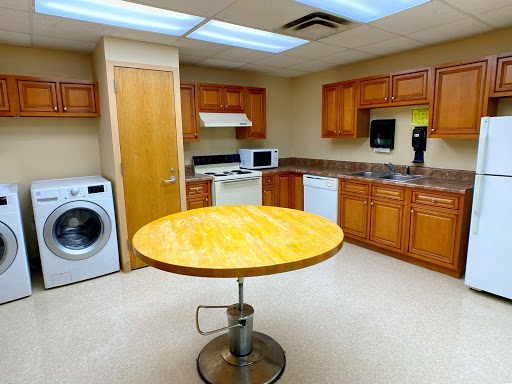
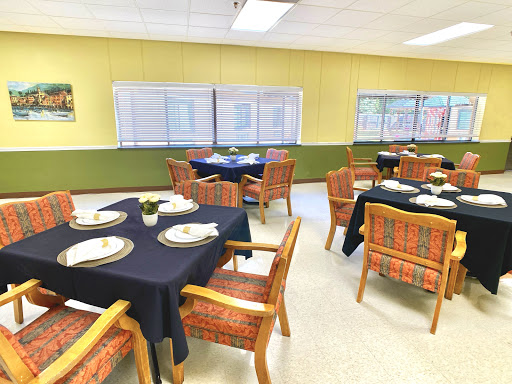
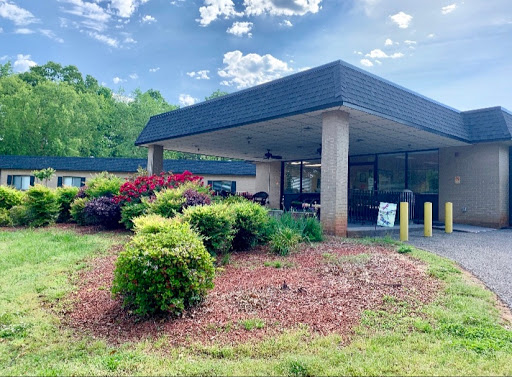
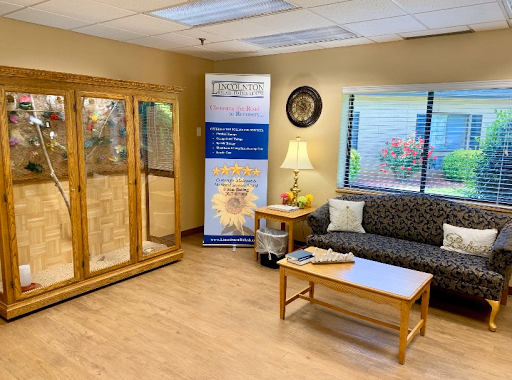
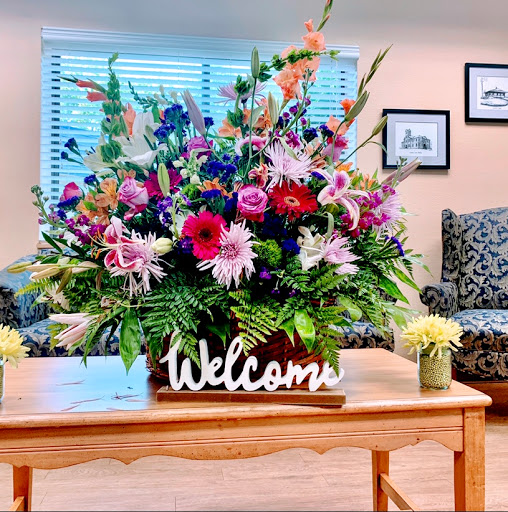
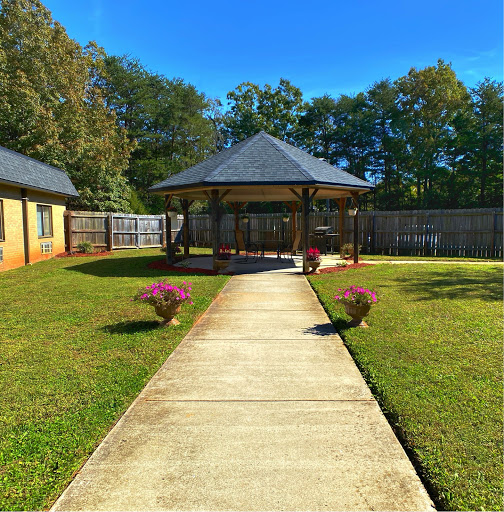
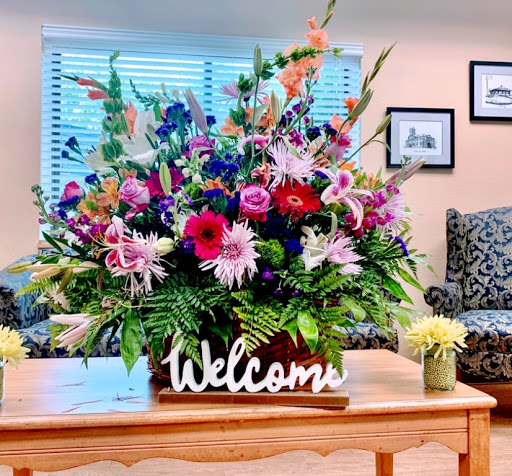
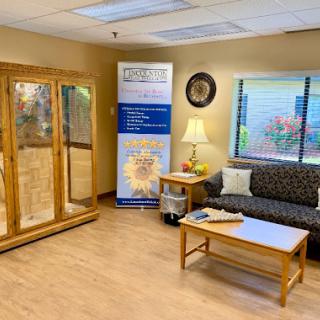
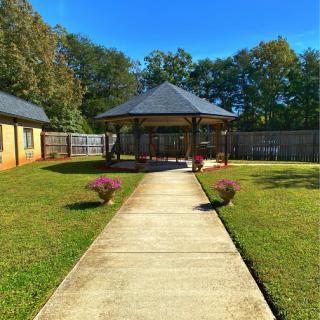
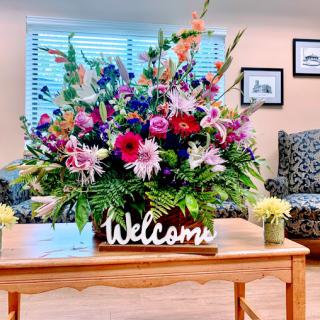
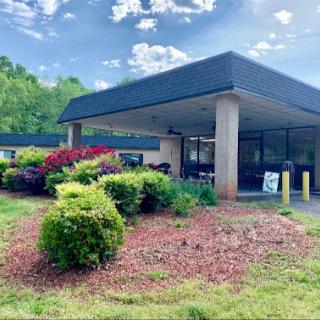
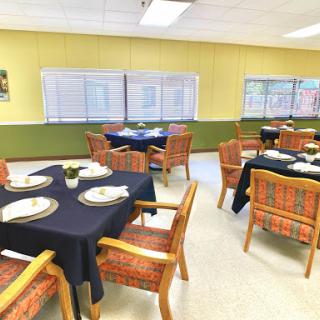
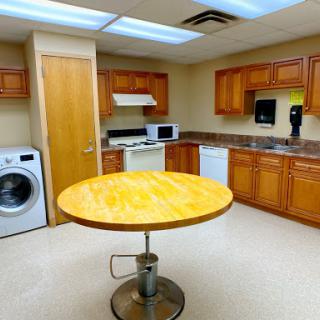
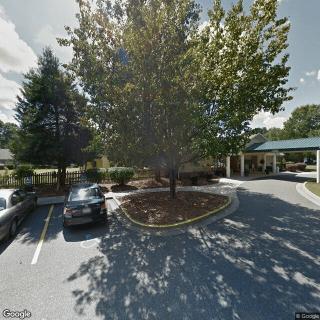
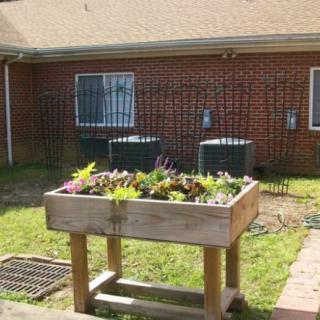
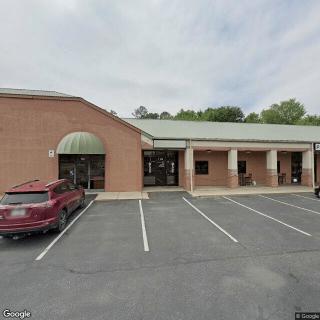
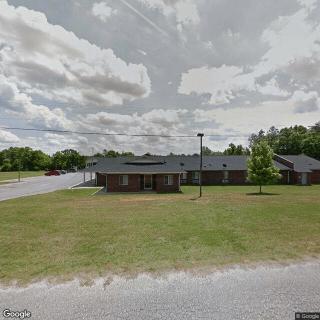
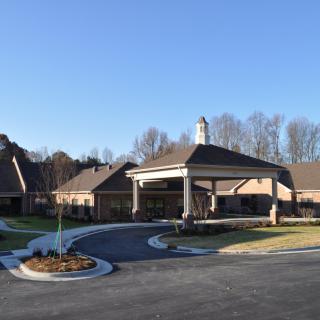
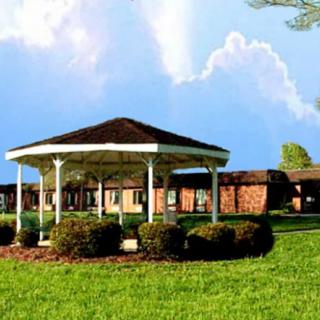
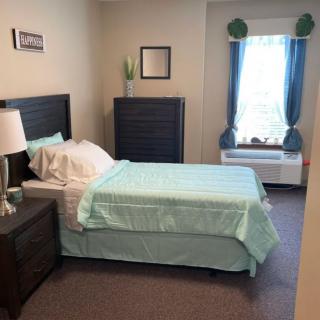
Lincolnton Rehabilitation Center on seniors.fyi includes 7 photos including images showing interior, landscaping, dining, garden, cabinets, building, architecture, office, and more.
Nearby Communities
Lutherhaus of Lincolnton Inc
Lincolnton, NC
5 from 1 review
Convenient access to nearby cafes, restaurants, and places of worship in a warm, welcoming setting.
Heath House
Lincolnton, NC
3.3 from 37 reviews
$1,950 to $2,950 / month
Caring staff with engaging activities in a clean, well-maintained facility.
The Addison Of Lincolnton
Lincolnton, NC
4.3 from 85 reviews
Beautiful, remodeled facility with welcoming staff, good dining options, and engaging activities.
Senior drivers prioritize comfort, safety, and ease of use in vehicles due to age-related challenges, seeking features like easy entry, clear visibility, and modern driver-assistance technologies. Recommended models include the Subaru Forester, Honda CR-V, and Toyota Camry, with emphasis on test-driving for personal comfort and evaluating crash-test ratings alongside insurance considerations.
Private pay home care offers a flexible caregiving option for older adults and families who don't qualify for government programs, allowing them to directly fund in-home care services that range from daily assistance to specialized support. This model's customization potential enables aging in place while addressing financial considerations through strategic planning options, though clients must navigate marketplace challenges and ensure quality compliance.
Arthritis encompasses over 100 joint disorders affecting people of all ages, leading to symptoms like pain and stiffness that impair mobility and quality of life. Effective management involves early diagnosis, lifestyle changes, medical treatments, emotional support, and ongoing monitoring with healthcare professionals.
Get PricingAsk A QuestionSchedule A TourContact Senior Advisor
By clicking submit, you agree to our Partner's Terms of Use. You
also consent to receive calls and texts, which may be autodialed, from our Partner. Your consent is not a condition to
using our Partner's service. Please visit our Partner's Privacy Policy for information about their privacy practices.


 120 resident community capacity
 Skilled Nursing Facility
 Air-conditioning
 Beauty salon
 Cable or satellite TV
 Computer center
 Dining room
 Fitness room
 Fully furnished
 Gaming room
 Garden
 Housekeeping services
 Kitchenette
 Move-in coordination
 Outdoor space
 Private bathrooms
 Restaurant-style dining
 Small library
 Telephone
 Wellness center
 Wi-Fi/high-speed internet available
 Charlotte Douglas International (24 miles away)
 Community operated transportation
 12-16 hour nursing
 24-hour call system
 Activities of daily living assistance
 Assistance with bathing
 Assistance with dressing
 Assistance with transfers
 Diabetes diet
 Medication management
 Mental wellness program
 Special dietary restrictions
 Concierge services
 Planned day trips
 Convenient access to nearby cafes, restaurants, and places of worship in a warm, welcoming setting.
 Top Cars for Senior Drivers and Essential Safety Innovations
 A Closer Look at Private Pay Home Care
 Comprehensive Approaches for Arthritis: A Detailed Guide to Symptoms, Causes, and Care