Signature Healthcare Of Chapel Hill

Save

Signature Healthcare Of Chapel Hill

Information last verified:

1602 East Franklin Street, Chapel Hill, NC 27514

For more information about senior living options: (844) 490-3973

3.6 from 112 reviews
5 stars
62
4 stars
13
3 stars
2
2 stars
2
1 stars
33

Seniors.FYI Elite Community Awards

Top 5% Senior Living Community in 2022

Add this award to your website

Signature Healthcare Of Chapel Hill Costs & Pricing

Signature Healthcare of Chapel Hill offers competitive pricing for its semi-private and private room accommodations in comparison to both Orange County and the broader state of North Carolina. With a monthly cost of $4,320 for semi-private rooms, Signature Healthcare remains slightly lower than the county average of $4,326 while exceeding the state average of $3,584. Similarly, their private rooms are priced at $4,710, which is marginally above the county's rate of $4,690 but aligns closely with North Carolina's state average of $4,425. This positioning highlights Signature Healthcare's commitment to providing quality care within a well-considered pricing structure that reflects both local and state market trends.

Floor plansSignature Healthcare Of Chapel HillOrange CountyNorth Carolina
Semi-Private$4,320$4,326$3,584
Private$4,710$4,690$4,425

Overall Review of Signature Healthcare Of Chapel Hill

Pros

  • pro The staff at Signature HealthCARE of Chapel Hill are warm, attentive, and consistently go above and beyond.
  • pro The therapy department is excellent and rehab programs are thorough, helping residents regain mobility.
  • pro The facility is clean and well-maintained, with comfortable, well-kept rooms.
  • pro Families report peace of mind knowing their loved ones are in caring hands and treated with respect.
  • pro Medications and care plans are administered on time and coordinated effectively with doctors.
  • pro Admissions and administrative staff are helpful, professional, and quick to respond to concerns.
  • pro The caregivers—nurses, CNAs, and therapists—are praised for their compassionate, patient-centered care.

Cons

  • pro A reviewer states that food is oversalted and not served appropriately for diabetics.
  • pro A family member alleges medical neglect, citing delayed wound care and untimely administration of diabetes and pain medications.
  • pro They describe unprofessional behavior, including a nurse loudly discussing the resident’s condition at the nursing station and violating privacy.
  • pro The reviews portray a chaotic, unresponsive environment with discharge notices given with little lead time and staff unreachable.
  • pro They report cleanliness issues, including feces in rooms, bugs, and infrequent changing of sheets.
  • pro Several statements compare the facility to a jail and describe mistreatment of residents.
  • pro They claim call bells are not answered promptly and residents are left unattended.
  • pro Management is criticized for poor communication and lack of transparency about care and discharge.

Review

Signature HealthCARE of Chapel Hill is best suited for families pursuing short-term rehabilitation with a strong emphasis on daily therapy and a visibly engaged caregiving team. The facility consistently earns praise for its rehab program: physical, occupational, and speech therapy are frequently described as thorough, patient-centered, and capable of producing meaningful gains that translate to real progress toward returning home. When the goal is to rebuild strength after surgery, stroke, or a significant fall, this location often delivers measurable gains and a rehab-forward culture that families can trust to push for concrete milestones. The core covenants here are clear: a rehab team that shows up, coordinates with physicians, and keeps families informed, supported by nurses and aides who actively participate in daily care and mobilization efforts.

That clarity of rehab focus, however, comes with important caveats. Families may want to consider alternatives if the primary need is stable daily nursing care, predictable medication administration, or a consistently pristine, distraction-free living environment. A sizable portion of reviews recount serious lapses in routine medical care, wounds and pain management, timely medication delivery, and privacy protection. Several accounts describe chaotic admissions, inconsistent responses to call bells, and discharge planning that feels abrupt or misaligned with a patient’s real readiness. For families who cannot be present to advocate daily, these gaps become amplified, making alternatives with stronger oversight or higher staffing stability worth exploring.

On the upside, the pros frequently offset a lot of the risk for rehab-focused residents. Staff across nursing, therapy, and support services are repeatedly described as compassionate, responsive, and teamwork-driven. Residents and families often highlight the therapy department as among the strongest assets, with therapists who tailor routines, track progress, and keep communication lines open with family members. Cleanliness and a warm, welcoming atmosphere are also cited by many reviewers, with the caveat that some guests found the facility older in look and feel. When care plans are aligned with physician orders and social workers coordinate effectively, the center can deliver impressive rehab outcomes and a sense of security during the critical recovery window.

Yet the published reviews do not shy away from serious concerns. A recurring thread centers on inconsistent wound care and timing of medications, sometimes escalating to perceptions of medical neglect in acute situations. Privacy breaches and staff conduct issues have punctuated several accounts, as have discharge notices that arrive with too little lead time or insufficient handoff documentation. Complaints about inconsistent housekeeping, occasional odor or sanitation concerns, and even bugs in certain rooms appear in a subset of reviews. These hard, specific drawbacks are not universal, but they are persistent enough to require a careful, proactive approach from families evaluating Signature Chapel Hill as a long-term or post-acute option.

Weighing the balance, the decision hinges on the specific care needs and the level of family involvement that can be sustained. For residents whose priority is high-quality, goal-driven rehabilitation and who can rely on an active care team, Signature Chapel Hill can be a strong fit, the rehab outcomes, staff dedication, and daily progress reports often prove convincing. For those requiring stable, predictable daily nursing care, strong privacy protections, and a consistently high standard of routine oversight, the cons carry enough weight to seek alternatives or, at minimum, to demand aggressive, transparent safeguards: direct caregiver availability, clear care plans, real-time medication administration checks, and scheduled, documented communication with families and primary physicians.

Actionable guidance for families considering Signature Chapel Hill is essential. Schedule a focused tour with the administrator and head of nursing, and request a candid meet-and-greet with the therapy team to hear firsthand how daily schedules unfold, what a typical day looks like for a rehab patient, and how progress is tracked and communicated to families. Bring a written list of questions about wound care protocols, medication timing, and infection control, and insist on a current, readable care plan for any prospective resident. Ask to review the facility’s recent survey results and any state or legal actions. If the need extends beyond rehab, consider comparing with nearby facilities that emphasize 24-hour nursing coverage, or explore home health options that can deliver therapy in the familiar surroundings of home. In all cases, demand clarity on discharge planning, have the family power of attorney or designated contact list ready, and insist on prompt, accountable escalation channels should concerns arise.

In short, Signature HealthCARE of Chapel Hill stands out for rehab-driven care executed by a devoted, capable therapy corps and a generally warm caregiving culture. The strongest choice for families who prize measurable rehab gains and active staff engagement, it also requires vigilance from families who cannot be constantly present to ensure that daily nursing practices, medication administration, and basic sanitation meet consistently high standards. If prioritizing rehab efficacy with a willingness to participate actively in appointment keeping, care plan reviews, and ongoing feedback, this community can be a dependable partner in recovery. If stability, flawless daily nursing oversight, or an impeccably pristine environment is non-negotiable, exploring alternatives while using Signature as a benchmark is the prudent path forward. The right fit depends on a clear articulation of goals, a robust support system on site, and an unflinching commitment to actively shepherd care through every shift.

Features

Housing

  • 108 resident community capacity 108 resident community capacity

Types of Care

  • Skilled Nursing Facility Skilled Nursing FacilitySkilled Nursing Facilities are crucial for seniors as they provide round-the-clock medical care, rehabilitation services, and assistance with daily activities. These facilities ensure that seniors receive the specialized care they need to maintain their health and well-being as they age.

Pets

  • Cats allowed Cats allowed"Pet friendly" senior living communities are important for seniors because pets provide companionship, reduce feelings of loneliness and depression, promote physical activity and mental stimulation, and offer a sense of purpose and responsibility. Pets can improve overall well-being and quality of life for seniors in many ways.
  • Dogs allowed Dogs allowed"Pet friendly" senior living communities are important for seniors because pets provide companionship, reduce feelings of loneliness and depression, promote physical activity and mental stimulation, and offer a sense of purpose and responsibility. Pets can improve overall well-being and quality of life for seniors in many ways.

Amenities

  • Air-conditioning Air-conditioningAir conditioning is important for seniors as they are more vulnerable to heat-related illnesses and may have underlying health conditions that make it difficult for them to regulate their body temperature. It helps to keep them comfortable, safe, and healthy in hot weather.
  • Beauty salon Beauty salonBeauty salons are important for seniors because they provide a space for them to feel pampered, socialize, and maintain their personal grooming and hygiene. Regular visits to a beauty salon can help boost seniors' self-esteem and overall well-being.
  • Cable or satellite TV Cable or satellite TVCable or satellite TV is important for seniors because it provides entertainment, news, and companionship, helping to combat loneliness and boredom. It also offers a wide range of programming options tailored to different interests and preferences.
  • Computer center Computer centerA computer center is essential for seniors as it provides access to technology, communication tools, and resources that can enhance their daily lives. It allows them to stay connected with loved ones, engage in online activities, and learn new skills, ultimately promoting socialization and mental stimulation.
  • Dining room Dining roomDining rooms are important for seniors as they provide a space for socialization, connection, and nutritious meals. They offer opportunities for residents to bond over shared meals, foster a sense of community, and promote healthy eating habits. Dining rooms also ensure that seniors have access to well-balanced meals tailored to their dietary needs and preferences.
  • Fitness room Fitness roomHaving a fitness room in a senior living community is essential for seniors to stay active, maintain their physical health, and improve their overall well-being. Regular exercise can help prevent falls, reduce the risk of chronic diseases, and promote mental sharpness. It also provides social opportunities for residents to connect with others and enjoy a sense of community.
  • Fully furnished Fully furnishedFully furnished senior living communities are important for seniors because they provide convenience, comfort, and a hassle-free moving experience. Seniors can easily settle into their new living space without the stress of having to buy and move furniture. This allows them to focus on enjoying their new home and community.
  • Gaming room Gaming roomGaming rooms are important for seniors as they provide a fun and engaging environment for socializing, cognitive stimulation, and physical activity. Games can improve memory, problem-solving skills, and overall mental well-being while fostering friendships and reducing feelings of isolation.
  • Garden GardenGardens are important for seniors as they provide a peaceful and therapeutic environment for relaxation, physical activity, and socialization. Being in nature has been shown to reduce stress, improve mood, and promote overall well-being. Gardens also offer opportunities for seniors to engage in gardening activities, which can improve mobility, flexibility, and cognitive function. Additionally, gardens create a sense of community and connection with others who share a passion for plants and outdoor spaces.
  • Housekeeping services Housekeeping servicesHousekeeping services are important for seniors because they help maintain a clean and safe living environment, promote independence, and reduce the risk of accidents or illnesses. Additionally, having assistance with household chores can alleviate physical strain and allow seniors to focus on other aspects of their well-being.
  • Kitchenette KitchenetteKitchenettes are important for seniors living in senior living communities because they provide the convenience and independence of being able to prepare simple meals and snacks in the comfort of their own living space. This can help promote a sense of autonomy and well-being for seniors, allowing them to maintain some level of control over their dietary choices and daily routines.
  • Move-in coordination Move-in coordinationMove-in coordination is important for seniors because it helps ease the transition into their new living environment. It ensures that all logistics, such as packing, organizing movers, and setting up utilities are taken care of, allowing seniors to focus on settling in and adjusting to their new home. Having a smooth move-in process can alleviate stress and anxiety, making the transition smoother and more enjoyable for seniors.
  • Outdoor space Outdoor spaceOutdoor spaces are important for seniors as they provide opportunities for physical activity, social interaction, exposure to natural light and fresh air, and a sense of connection to nature. Having access to outdoor spaces can improve overall well-being and quality of life for older adults living in senior communities.
  • Private PrivatePrivacy is important for seniors as it allows them to maintain their independence, dignity, and sense of control over their own lives. It also gives them the space and freedom to relax, reflect, and engage in activities that bring them joy and fulfillment. Creating private spaces within senior living facilities is crucial for promoting overall well-being and quality of life.
  • Private bathrooms Private bathroomsPrivate bathrooms are important for seniors in senior living communities because they provide independence, dignity, and comfort. Having a private bathroom allows seniors to maintain their personal hygiene routines without the need for assistance, promoting a sense of autonomy and privacy. Additionally, private bathrooms help prevent the spread of infections and provide a safe and clean environment for seniors to navigate safely.
  • Restaurant-style dining Restaurant-style diningRestaurant-style dining is important for seniors because it allows them to enjoy delicious, nutritious meals in a social and upscale setting. This enhances their dining experience, promotes healthy eating habits, and fosters socialization with fellow residents, ultimately contributing to their overall well-being and quality of life.
  • Small library Small librarySmall libraries are important for seniors as they provide access to a variety of reading materials, including books, newspapers, and magazines. This can help stimulate their minds, keep them engaged, and provide a sense of community through book clubs and other social activities. Additionally, reading has been shown to improve cognitive function and overall mental well-being in older adults.
  • Telephone TelephoneTelephones are important for seniors as they provide a lifeline for communication with loved ones, emergency services, and healthcare providers. They offer a sense of security and independence, enabling seniors to stay connected and access assistance when needed.
  • Wellness center Wellness centerWellness centers are important for seniors because they offer a variety of programs and services that promote physical, mental, and emotional well-being. These centers provide opportunities for exercise, socialization, education, and relaxation, helping seniors maintain their overall health and quality of life.
  • Wi-Fi/high-speed internet available Wi-Fi/high-speed internet availableWi-Fi/high-speed internet is important for seniors to stay connected with loved ones, access online resources, and participate in virtual activities to combat feelings of loneliness and isolation. It also allows them to easily manage healthcare needs, access entertainment, and engage in lifelong learning opportunities.

Transportation

  • Raleigh-Durham International (14 miles away) Raleigh-Durham International (14 miles away)
  • Community operated transportation Community operated transportationCommunity operated transportation is crucial for seniors as it provides them with the means to access essential services, social activities, and medical appointments. It allows seniors to maintain their independence and quality of life by ensuring they can participate in activities outside of their homes. Additionally, community-operated transportation services offer a safe and reliable way for seniors to travel without having to rely on family or friends for assistance.
  • Transportation arrangement Transportation arrangementTransportation arrangements are crucial for seniors as they may face challenges with driving, mobility, or access to public transportation. Having reliable transportation services ensures that seniors can easily attend appointments, social activities, and maintain their independence and quality of life.
  • Transportation arrangement (non-medical) Transportation arrangement (non-medical)Transportation arrangements are essential for seniors as they provide access to essential services, activities, and social interactions outside the home. This service helps maintain independence, mobility, and overall well-being for seniors who may have limited transportation options.
  • Transportation to doctors appointments Transportation to doctors appointmentsTransportation to doctors appointments is crucial for seniors as it ensures they have access to necessary medical care and support, promoting their health and well-being. It allows them to receive timely treatment, monitor existing conditions, and address any new health concerns efficiently. Additionally, transportation services can help seniors maintain their independence and quality of life by enabling them to stay connected with their healthcare providers.

Care Services

  • 12-16 hour nursing 12-16 hour nursing12-16 hour nursing care is crucial for seniors in order to ensure around-the-clock monitoring, timely medication administration, and prompt response to any health concerns or emergencies. This level of care helps to promote the overall well-being and safety of seniors living in senior living communities.
  • 24-hour call system 24-hour call system24-hour call systems are important for seniors because they provide peace of mind and immediate assistance in case of emergencies. This technology ensures that help is always available, promoting safety and security for elderly individuals living alone or in assisted living facilities.
  • 24-hour supervision 24-hour supervision24-hour supervision is important for seniors to ensure their safety, well-being, and access to immediate assistance in case of emergencies or health issues. This constant support provides peace of mind for both seniors and their loved ones, allowing them to age in place with dignity and security.
  • Activities of daily living assistance Activities of daily living assistanceActivities of daily living assistance are important for seniors because they provide essential support with tasks such as eating, bathing, dressing, and mobility. This assistance helps seniors maintain their independence, dignity, and overall quality of life as they age.
  • Assistance with bathing Assistance with bathingAssistance with bathing is crucial for seniors as it helps maintain personal hygiene, prevents infections, and ensures their overall well-being and comfort. It also provides a sense of dignity and independence for seniors who may struggle with this task on their own.
  • Assistance with dressing Assistance with dressingAssistance with dressing is important for seniors because it helps maintain their independence, promotes personal hygiene, prevents accidents and injuries, and improves overall quality of life. This service ensures that seniors can continue to dress comfortably and confidently, despite any physical limitations they may have.
  • Assistance with transfers Assistance with transfersAssistance with transfers is crucial for seniors as it helps prevent falls and injuries, maintains their independence, and ensures they can safely navigate their living environment. It also provides peace of mind for both seniors and their loved ones.
  • Diabetes diet Diabetes dietA diabetes diet is crucial for seniors as it helps manage blood sugar levels, reduce risks of complications, and improve overall health and well-being. By following a balanced and nutritious diet tailored to their specific needs, seniors can better control their diabetes and enhance their quality of life.
  • Meal preparation and service Meal preparation and serviceMeal preparation and service are crucial for seniors as they may have limited mobility or energy to cook nutritious meals. Having access to healthy and convenient food options can ensure they are getting the proper nutrition needed to maintain their overall health and well-being.
  • Medication management Medication managementMedication management is crucial for seniors to ensure they are taking the right medications at the correct dosages and times. This helps prevent adverse drug interactions, reduces the risk of medication errors, and promotes overall health and well-being. Proactive management also allows for adjustments as needed based on changing health conditions or new prescriptions.
  • Mental wellness program Mental wellness programMental wellness programs are essential for seniors as they promote cognitive stimulation, emotional support, and social engagement. These programs help prevent isolation, depression, and cognitive decline, ultimately enhancing the overall quality of life for older adults.
  • Special dietary restrictions Special dietary restrictionsSpecial dietary restrictions are important for seniors because age-related changes in metabolism and health conditions can make it difficult for their bodies to process certain foods. By following a diet tailored to their specific needs, seniors can maintain their overall health and well-being, manage chronic conditions, and reduce the risk of complications such as malnutrition or food interactions with medications.

Dining

  • Diabetes diet Diabetes dietA diabetes diet is crucial for seniors as it helps manage blood sugar levels, reduce risks of complications, and improve overall health and well-being. By following a balanced and nutritious diet tailored to their specific needs, seniors can better control their diabetes and enhance their quality of life.
  • Special dietary restrictions Special dietary restrictionsSpecial dietary restrictions are important for seniors because age-related changes in metabolism and health conditions can make it difficult for their bodies to process certain foods. By following a diet tailored to their specific needs, seniors can maintain their overall health and well-being, manage chronic conditions, and reduce the risk of complications such as malnutrition or food interactions with medications.

Activities

  • Community-sponsored activities Community-sponsored activitiesCommunity-sponsored activities are important for seniors as they provide opportunities for social interaction, mental stimulation, and physical activity. These activities can help improve overall well-being, combat loneliness and isolation, and promote a sense of belonging and purpose among older adults.
  • Concierge services Concierge servicesConcierge services are essential for seniors as they provide assistance with daily tasks and errands, enhance their quality of life by offering convenience and personalized care, and promote a sense of safety and security.
  • Fitness programs Fitness programsFitness programs are crucial for seniors as they help improve strength, flexibility, balance, and overall well-being. Staying active can reduce the risk of chronic diseases, improve mental health, and enhance quality of life in older adults.
  • Planned day trips Planned day tripsPlanned day trips are important for seniors because they offer opportunities for socialization, mental stimulation, and physical activity. They provide a change of scenery and help seniors stay engaged and connected to their community, promoting overall well-being and quality of life.
  • Resident-run activities Resident-run activitiesResident-run activities are important for seniors as they encourage social interaction, creativity, and a sense of autonomy. These activities empower seniors to stay engaged and active in their community while fostering meaningful connections with their peers.
  • Scheduled daily activities Scheduled daily activitiesScheduled daily activities are important for seniors because they provide structure, socialization, mental stimulation, and physical activity. Engaging in regular activities can improve overall well-being and quality of life for seniors living in a community setting.

Description

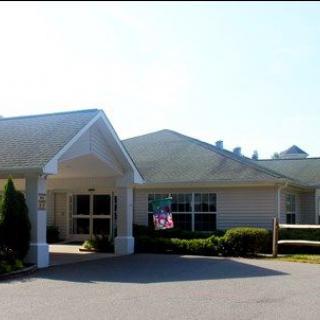
Signature Healthcare of Chapel Hill is an assisted living community located in Chapel Hill, NC. Our community provides a range of amenities and care services to ensure the comfort and well-being of our residents.

Our amenities include a beauty salon where residents can receive hair and nail services, as well as cable or satellite TV for their entertainment needs. We also offer community-operated transportation for easy access to shopping and other activities, as well as a computer center for residents to stay connected with their loved ones.

In terms of dining options, our community features a spacious dining room where residents can enjoy delicious meals prepared by our experienced staff in a restaurant-style setting. Special dietary restrictions are accommodated to ensure that all residents can enjoy their meals.

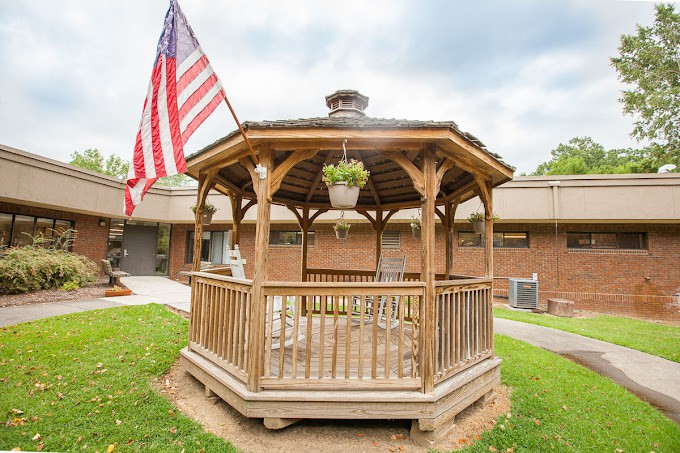
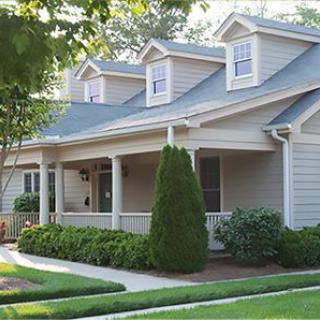
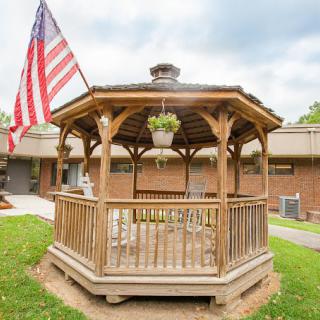
To promote an active lifestyle, we have a fitness room where residents can engage in exercise programs tailored to their individual needs. Additionally, our gaming room provides opportunities for friendly competition and social interaction. Residents can also relax and enjoy the outdoors in our well-maintained garden and outdoor spaces.

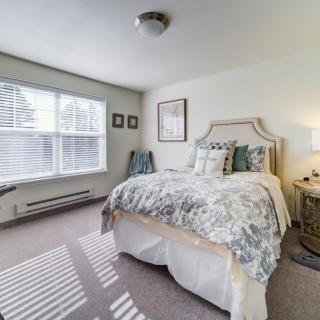
Housekeeping services are provided to ensure that living areas remain clean and comfortable. Each resident's apartment is fully furnished and includes a private bathroom for their convenience.

We understand the importance of staying connected, which is why we offer telephone services and Wi-Fi/high-speed internet throughout the community. Transportation arrangements are available for non-medical purposes as well as transportation to doctors' appointments.

In terms of care services, we provide 24-hour call system and supervision to ensure the safety of our residents at all times. Our caring staff assists with activities of daily living such as bathing, dressing, transfers, and meal preparation according to individual needs. Medication management is also provided to ensure proper administration.

Mental wellness programs are offered to support the emotional well-being of our residents. We also accommodate special dietary restrictions for those with specific health needs.

Our community offers various activities including concierge services, fitness programs, planned day trips, resident-run activities, and scheduled daily activities to promote an engaging and fulfilling lifestyle.

In terms of nearby amenities, there are 5 cafes, 5 parks, 9 pharmacies, 15 physicians, 21 restaurants, 2 places of worship, and 3 hospitals in close proximity to our community.

At Signature Healthcare of Chapel Hill, we strive to provide a comfortable and enriching environment where residents can thrive and enjoy their golden years.

Nearby Places of Interest

Located in Chapel Hill, North Carolina, this area offers a variety of amenities within close proximity. With a selection of restaurants ranging from casual dining options like Cava and Bartaco to more upscale choices like TRU Deli & Wine, there are plenty of dining options to choose from. Places of worship such as Church of Reconciliation PC USA and Mt Carmel Baptist Church provide spiritual support for those seeking religious community. Medical services are easily accessible with several physicians' offices nearby, including Chapel Hill Ophthalmology and Duke Primary Care Sage Road Pediatrics. Additionally, pharmacies like Walgreens and CVS Pharmacy are conveniently located for any prescription needs. For outdoor enthusiasts, there are several parks in the area, such as Cedar Falls Park and Hank Anderson Community Park, offering opportunities for recreation and relaxation. Close proximity to hospitals like North Carolina Cancer Hospital ensures access to quality healthcare facilities. Overall, this neighborhood provides a well-rounded environment with diverse amenities for comfortable senior living.

Restaurants

  • Cava (0.1 miles)
  • Silverspot Cinema (0.4 miles)
  • Bartaco (0.5 miles)
  • Mr Tokyo Japanese Restaurant (0.5 miles)
  • McDonald's (0.8 miles)
  • TRU Deli & Wine (1.8 miles)
  • Que Chula (2.1 miles)

Places of Worship

  • Church of Reconciliation PC USA (0.2 miles)
  • Mt Carmel Baptist Church (4.9 miles)
  • Judea Reform Congregation (5.2 miles)
  • New Hope Church (5.8 miles)
  • Yates Baptist Church (5.9 miles)
  • Duke University Chapel (6.9 miles)

Physicians

  • Chapel Hill Ophthalmology (0.2 miles)
  • Chapel Hill Dermatology (0.3 miles)
  • Chapel Hill Pediatrics & Adolescents Pa (1.3 miles)
  • Duke Primary Care Sage Road Pediatrics (1.4 miles)
  • Chapel Hill Internal Medicine (1.4 miles)
  • Aycock Family Practice Center- UNC Family Practice (2.5 miles)
  • Chapel Hill Implant and Oral Surgery Center (2.5 miles)

Cafes

  • Starbucks (0.3 miles)
  • Panera Bread (2.3 miles)
  • Starbucks (2.4 miles)
  • Starbucks (3.1 miles)
  • Starbucks (4.6 miles)
  • Panera Bread (5.4 miles)
  • Starbucks (5.5 miles)

Pharmacies

  • Walgreens (0.4 miles)
  • CVS Pharmacy (0.4 miles)
  • Walgreens (2.5 miles)
  • Tarheel Town Pharmacy (2.7 miles)
  • UNC Hospitals ACC Outpatient Pharmacy (2.7 miles)
  • CVS Pharmacy (2.8 miles)
  • CVS Pharmacy (4 miles)

Parks

  • Cedar Falls Park (1.8 miles)
  • Homestead Skate Park (2.5 miles)
  • Hank Anderson Community Park (4.3 miles)
  • Soccer Fields At Southern Community Park (4.5 miles)
  • Southern Community Dog Park (4.6 miles)
  • Piney Wood Park (6 miles)
  • Grandale Park (7.3 miles)

Hospitals

  • North Carolina Cancer Hospital (2.4 miles)
  • UNC Transplant Clinic (2.4 miles)
  • UNC Hospitals Ambulatory Care Center (2.7 miles)
  • Duke Hospital of Dentistry & Facial Pain (7.1 miles)

Theaters

  • AMC DINE-IN Southpoint 17 (5.1 miles)

Frequently Asked Questions

How much does it cost to live at Signature Healthcare Of Chapel Hill in Chapel Hill, NC?
Where is Signature Healthcare Of Chapel Hill?
Does Signature Healthcare Of Chapel Hill allow residents to have pets?
What photos are available for Signature Healthcare Of Chapel Hill in Chapel Hill, North Carolina?

Nearby Communities

  • Livewell At Coker Hills

    Livewell At Coker Hills

    Chapel Hill Hill, NC

    4.3 from 6 reviews
     

    pro Home-like atmosphere with highly personalized care and customizable living spaces.

  • Comfort Keepers of Chapel Hill & Durham

    Comfort Keepers of Chapel Hill & Durham

    Chapel Hill, NC

    4.4 from 18 reviews
     

    pro Seamless service with a warm, professional team.

  • Home Instead - Chapel Hill,  NC

    Home Instead - Chapel Hill, NC

    Chapel Hill, NC

    4.5 from 33 reviews
     

    pro Convenient, amenity-rich location with nearby healthcare, dining, and parks.

  • AmeriCare HomeCare

    AmeriCare HomeCare

    Chapel Hill, NC


    pro Exceptional care in a warm setting with ample nearby amenities.

  • LIVEWELL Home Care

    LIVEWELL Home Care

    Chapel Hill, NC


    pro Personalized care with extensive dietary accommodations (gluten-free, low-sodium, no sugar, organic, vegan).

  • Azalea Estates Gracious Retirement Living

    Azalea Estates Gracious Retirement Living

    Chapel Hill, NC

    4.3 from 50 reviews
    $2,735 to $4,695 / month

    pro Abundant public spaces with a welcoming atmosphere and friendly, engaged staff.

  • Brookdale Meadowmont

    Brookdale Meadowmont

    Chapel Hill, NC

    4.4 from 102 reviews
     

    pro Caring, attentive staff in a clean, home-like setting with good family communication.

  • The Cedars Of Chapel Hill

    The Cedars Of Chapel Hill

    Chapel Hill, NC

    4.6 from 8 reviews
     

    pro Extensive amenities and an active social life with spacious, well-appointed apartments.

  • The Addison

    The Addison

    Durham, NC

    3.6 from 45 reviews
    $4,850 to $6,400 / month

    pro Friendly, attentive staff; clean, updated facility with memory-care activities and on-site amenities.

Related Resources

  • who qualifies for home health care servicesComprehensive Guide to Qualifying for Home Health Care Services

    The guide outlines the eligibility criteria for home health care services, emphasizing clinical requirements, insurance options, and application processes. It distinguishes between Medicare's strict and Medicaid's flexible qualifications while addressing challenges families may face in securing necessary care at home.

  • what is elder abusePowerful Realities of Elder Abuse and the Most Effective Ways to Report It

    Elder abuse affects many older adults worldwide and includes physical, emotional, neglectful, and financial harm, with about one in six individuals over 60 experiencing abuse annually. Prevention and intervention strategies focus on awareness, support for caregivers, and mandatory reporting, while recovery necessitates comprehensive support for both physical and emotional needs.

  • caregiver dutiesTen Vital Duties of a Senior Caregiver: A Comprehensive Guide

    The guide details ten essential responsibilities of senior caregivers, including personal care, mobility assistance, medication management, and emotional support, while emphasizing the importance of safety, nutrition, and maintaining a safe living environment to enhance seniors' quality of life and independence.