
New Gouverneur Hospital in New York, NY
SaveInterior
Decor
Building

Architecture

Trees
Dining
Lobby

Natural Light
Tree
Clouds

Urban

Information last verified:
227 Madison Street, New York, NY 10002
For more information about senior living options: (844) 490-3973
 Dr. Yeung is kind and attentive. The Eye Clinic team is patient and responsive to questions. Gouverneur Dental Clinic is clean and welcoming; Dr. Sandra Hoffmeier is gentle, explains things clearly, and is friendly. The OB & Peds department is excellent and consistently highly recommended. Gouverneur Nursing Facility staff are caring and attentive, and the therapists are skilled and compassionate. The physical and occupational therapy teams are stellar and provide excellent care. The rehab staff helped a patient regain strength and function after surgery. The overall hospital environment feels well managed, with friendly, professional, and helpful staff.
 The Hygienist lacked adequate communication and bedside manner, remaining silent during the procedure. He ignored the patient’s pain and continued scraping beneath the gumline without numbing, making the experience excruciating. The Gouverneur 7th-floor staff are described as horrible, with call bells often unanswered and patients neglected. The Head Nurse slammed the office door in the visitor’s face and spoke in a hostile, unprofessional manner. Lisa Ma’s care is portrayed as insulting and triggering, with demeaning remarks about weight and health. Ortho-Rite’s handling of insoles is described as mismanaged, with delays, mistakes, and no refunds. The OB/GYN and some nursing staff are depicted as unprofessional, rude, and incompetent in patient care. The inpatient rehab facility is criticized for uncaring nurses, neglected patient needs, and poor food.
This community is best suited for seniors who need robust rehabilitation services within a public-hospital setting, and for families that prioritize an affordable, city-sited option with ready access to a broad medical network. The rehabilitation program, particularly physical and occupational therapy, is the core value here, with therapists who can help patients regain walking ability and daily function. The environment serves a diverse, multilingual population and benefits from hospital integration, meaning access to specialists when complexities arise. For those who want continuation of care on a budget and appreciate a system that can coordinate multiple specialties, Gouverneur offers a practical path to recovery and ongoing medical management. The building has seen updates, and the on-site dental and eye clinics provide convenient touchpoints for chronic conditions. In short: rehab-forward care in a public system, most compelling for families able to advocate and plan around a bustling hospital operation.
Alternatives are worth considering for families who prize consistently attentive bedside care, streamlined administration, and a calmer, cleaner environment. Several reviews flag episodes of abrupt or impersonal service on certain floors, plus miscommunications and friction around billing and scheduling. When care hinges on a single staff encounter or a single department, the risk of gaps in follow-through, delayed calls, slow responses, and uneven access to records, rises quickly. For those seeking predictability and a quieter setting, private SNFs or other hospitals with reputations for steadier patient experiences may deliver more peace of mind. Likewise, families uncomfortable with advocacy-heavy care should weigh options with tighter leadership oversight and more reliable patient-liaison responsiveness. Gouverneur’s public-model strengths come with a clear trade-off in day-to-day experience.
The clear operational strengths are tangible. The public-hospital backing translates into broader access to specialists and a continuum of care when needs evolve beyond routine rehab. In the nursing facility, PT and OT have produced meaningful gains for patients recovering from strokes or surgeries, with therapists who explain routines and track progress meticulously. The on-site ancillary services, dental and eye clinics, are frequently cited as solidly competent, with certain clinicians praised for their calm, communicative styles. Multilingual staff help families who navigate language barriers, and patient liaisons exist to address concerns about care plans and billing. The facility’s renovation improves navigation and aesthetics, which matters for regular visits. For families prioritizing rehab outcomes and practical, hospital-backed care, Gouverneur delivers verifiable value.
Yet the downside is equally real and remains highly impactful on experience. Reports of inconsistent bedside manner, ranging from silent, uncomfortable dental cleanings to hostile leadership interactions on the floors, undermine trust and safety. Wait times can be lengthy, routine tasks like lab work and med refills can stall, and the overall rhythm of care can feel fragmented. Administrative friction is a recurring frustration: financing discussions, Medicaid forms, and the cadence of callback promises create a cloud over the care path, especially when families must navigate this while a loved one is vulnerable. Cleanliness and comfort issues in some waiting areas and rooms compound the concern, signaling that physical environment matters as much as clinical skill. These drawbacks do not erase rehab strengths, but they shift the decision toward those who can tolerate or manage substantial system variability.
To navigate a decision effectively, approach Gouverneur with a concrete care plan and vocal requests. Schedule a care conference early, insist on a named care coordinator, and arrange firsthand visits with the rehab team as well as dental and eye clinics to gauge consistency across services. Bring a trusted family member or professional advocate to observe bedside care, call-bell responsiveness, and discharge planning. Prioritize frank discussions about finances, insurance coverage, and Medicaid processes, and insist on clear written steps and follow-ups. Leverage the positive touchpoints, Dr. Kathy Yeung’s approachable dental care, the responsive patient-liaison efforts, and the strong rehab outcomes from Tom and Stacy, while anchoring expectations around the administrative gaps that recur. The path to a favorable outcome lies in paired diligence: Gouverneur’s clinical strengths married to proactive oversight.
Ultimately, Gouverneur is a defensible choice for families who need post-acute rehab within a public-hospital framework, especially when budget constraints and access to a wide medical team matter. It excels where therapists and clinicians drive real functional gains, and where multilingual staff and integrated services remove practical barriers for diverse populations. However, it is not a guaranteed, flawless environment or a frictionless administrative machine. The most durable decision will hinge on a family’s tolerance for variability in service and their capacity to stay engaged as advocates. If care quality, steady communication, and a calm setting are non-negotiable, compare Gouverneur against private options with stronger day-to-day oversight. For rehab-focused, budget-conscious families willing to stay involved, Gouverneur remains a practical, often solid option worth weighing against other local offerings.
 295 resident community capacity
 Skilled Nursing FacilitySkilled Nursing Facilities are crucial for seniors as they provide round-the-clock medical care, rehabilitation services, and assistance with daily activities. These facilities ensure that seniors receive the specialized care they need to maintain their health and well-being as they age.
 Air-conditioningAir conditioning is important for seniors as they are more vulnerable to heat-related illnesses and may have underlying health conditions that make it difficult for them to regulate their body temperature. It helps to keep them comfortable, safe, and healthy in hot weather.
 Beauty salonBeauty salons are important for seniors because they provide a space for them to feel pampered, socialize, and maintain their personal grooming and hygiene. Regular visits to a beauty salon can help boost seniors' self-esteem and overall well-being.
 Cable or satellite TVCable or satellite TV is important for seniors because it provides entertainment, news, and companionship, helping to combat loneliness and boredom. It also offers a wide range of programming options tailored to different interests and preferences.
 Computer centerA computer center is essential for seniors as it provides access to technology, communication tools, and resources that can enhance their daily lives. It allows them to stay connected with loved ones, engage in online activities, and learn new skills, ultimately promoting socialization and mental stimulation.
 Dining roomDining rooms are important for seniors as they provide a space for socialization, connection, and nutritious meals. They offer opportunities for residents to bond over shared meals, foster a sense of community, and promote healthy eating habits. Dining rooms also ensure that seniors have access to well-balanced meals tailored to their dietary needs and preferences.
 Fitness roomHaving a fitness room in a senior living community is essential for seniors to stay active, maintain their physical health, and improve their overall well-being. Regular exercise can help prevent falls, reduce the risk of chronic diseases, and promote mental sharpness. It also provides social opportunities for residents to connect with others and enjoy a sense of community.
 Fully furnishedFully furnished senior living communities are important for seniors because they provide convenience, comfort, and a hassle-free moving experience. Seniors can easily settle into their new living space without the stress of having to buy and move furniture. This allows them to focus on enjoying their new home and community.
 Gaming roomGaming rooms are important for seniors as they provide a fun and engaging environment for socializing, cognitive stimulation, and physical activity. Games can improve memory, problem-solving skills, and overall mental well-being while fostering friendships and reducing feelings of isolation.
 GardenGardens are important for seniors as they provide a peaceful and therapeutic environment for relaxation, physical activity, and socialization. Being in nature has been shown to reduce stress, improve mood, and promote overall well-being. Gardens also offer opportunities for seniors to engage in gardening activities, which can improve mobility, flexibility, and cognitive function. Additionally, gardens create a sense of community and connection with others who share a passion for plants and outdoor spaces.
 Housekeeping servicesHousekeeping services are important for seniors because they help maintain a clean and safe living environment, promote independence, and reduce the risk of accidents or illnesses. Additionally, having assistance with household chores can alleviate physical strain and allow seniors to focus on other aspects of their well-being.
 KitchenetteKitchenettes are important for seniors living in senior living communities because they provide the convenience and independence of being able to prepare simple meals and snacks in the comfort of their own living space. This can help promote a sense of autonomy and well-being for seniors, allowing them to maintain some level of control over their dietary choices and daily routines.
 Move-in coordinationMove-in coordination is important for seniors because it helps ease the transition into their new living environment. It ensures that all logistics, such as packing, organizing movers, and setting up utilities are taken care of, allowing seniors to focus on settling in and adjusting to their new home. Having a smooth move-in process can alleviate stress and anxiety, making the transition smoother and more enjoyable for seniors.
 Outdoor spaceOutdoor spaces are important for seniors as they provide opportunities for physical activity, social interaction, exposure to natural light and fresh air, and a sense of connection to nature. Having access to outdoor spaces can improve overall well-being and quality of life for older adults living in senior communities.
 Private bathroomsPrivate bathrooms are important for seniors in senior living communities because they provide independence, dignity, and comfort. Having a private bathroom allows seniors to maintain their personal hygiene routines without the need for assistance, promoting a sense of autonomy and privacy. Additionally, private bathrooms help prevent the spread of infections and provide a safe and clean environment for seniors to navigate safely.
 Restaurant-style diningRestaurant-style dining is important for seniors because it allows them to enjoy delicious, nutritious meals in a social and upscale setting. This enhances their dining experience, promotes healthy eating habits, and fosters socialization with fellow residents, ultimately contributing to their overall well-being and quality of life.
 Small librarySmall libraries are important for seniors as they provide access to a variety of reading materials, including books, newspapers, and magazines. This can help stimulate their minds, keep them engaged, and provide a sense of community through book clubs and other social activities. Additionally, reading has been shown to improve cognitive function and overall mental well-being in older adults.
 TelephoneTelephones are important for seniors as they provide a lifeline for communication with loved ones, emergency services, and healthcare providers. They offer a sense of security and independence, enabling seniors to stay connected and access assistance when needed.
 Wellness centerWellness centers are important for seniors because they offer a variety of programs and services that promote physical, mental, and emotional well-being. These centers provide opportunities for exercise, socialization, education, and relaxation, helping seniors maintain their overall health and quality of life.
 Wi-Fi/high-speed internet availableWi-Fi/high-speed internet is important for seniors to stay connected with loved ones, access online resources, and participate in virtual activities to combat feelings of loneliness and isolation. It also allows them to easily manage healthcare needs, access entertainment, and engage in lifelong learning opportunities.
 LaGuardia (7 miles away) Newark International (10 miles away) John F Kennedy International (12 miles away)
 Community operated transportationCommunity operated transportation is crucial for seniors as it provides them with the means to access essential services, social activities, and medical appointments. It allows seniors to maintain their independence and quality of life by ensuring they can participate in activities outside of their homes. Additionally, community-operated transportation services offer a safe and reliable way for seniors to travel without having to rely on family or friends for assistance. Transportation arrangementTransportation arrangements are crucial for seniors as they may face challenges with driving, mobility, or access to public transportation. Having reliable transportation services ensures that seniors can easily attend appointments, social activities, and maintain their independence and quality of life. Transportation arrangement (non-medical)Transportation arrangements are essential for seniors as they provide access to essential services, activities, and social interactions outside the home. This service helps maintain independence, mobility, and overall well-being for seniors who may have limited transportation options. Transportation to doctors appointmentsTransportation to doctors appointments is crucial for seniors as it ensures they have access to necessary medical care and support, promoting their health and well-being. It allows them to receive timely treatment, monitor existing conditions, and address any new health concerns efficiently. Additionally, transportation services can help seniors maintain their independence and quality of life by enabling them to stay connected with their healthcare providers.
 12-16 hour nursing12-16 hour nursing care is crucial for seniors in order to ensure around-the-clock monitoring, timely medication administration, and prompt response to any health concerns or emergencies. This level of care helps to promote the overall well-being and safety of seniors living in senior living communities.
 24-hour call system24-hour call systems are important for seniors because they provide peace of mind and immediate assistance in case of emergencies. This technology ensures that help is always available, promoting safety and security for elderly individuals living alone or in assisted living facilities. 24-hour supervision24-hour supervision is important for seniors to ensure their safety, well-being, and access to immediate assistance in case of emergencies or health issues. This constant support provides peace of mind for both seniors and their loved ones, allowing them to age in place with dignity and security.
 Activities of daily living assistanceActivities of daily living assistance are important for seniors because they provide essential support with tasks such as eating, bathing, dressing, and mobility. This assistance helps seniors maintain their independence, dignity, and overall quality of life as they age.
 Assistance with bathingAssistance with bathing is crucial for seniors as it helps maintain personal hygiene, prevents infections, and ensures their overall well-being and comfort. It also provides a sense of dignity and independence for seniors who may struggle with this task on their own.
 Assistance with dressingAssistance with dressing is important for seniors because it helps maintain their independence, promotes personal hygiene, prevents accidents and injuries, and improves overall quality of life. This service ensures that seniors can continue to dress comfortably and confidently, despite any physical limitations they may have.
 Assistance with transfersAssistance with transfers is crucial for seniors as it helps prevent falls and injuries, maintains their independence, and ensures they can safely navigate their living environment. It also provides peace of mind for both seniors and their loved ones.
 Diabetes dietA diabetes diet is crucial for seniors as it helps manage blood sugar levels, reduce risks of complications, and improve overall health and well-being. By following a balanced and nutritious diet tailored to their specific needs, seniors can better control their diabetes and enhance their quality of life. Meal preparation and serviceMeal preparation and service are crucial for seniors as they may have limited mobility or energy to cook nutritious meals. Having access to healthy and convenient food options can ensure they are getting the proper nutrition needed to maintain their overall health and well-being.
 Medication managementMedication management is crucial for seniors to ensure they are taking the right medications at the correct dosages and times. This helps prevent adverse drug interactions, reduces the risk of medication errors, and promotes overall health and well-being. Proactive management also allows for adjustments as needed based on changing health conditions or new prescriptions.
 Mental wellness programMental wellness programs are essential for seniors as they promote cognitive stimulation, emotional support, and social engagement. These programs help prevent isolation, depression, and cognitive decline, ultimately enhancing the overall quality of life for older adults.
 Special dietary restrictionsSpecial dietary restrictions are important for seniors because age-related changes in metabolism and health conditions can make it difficult for their bodies to process certain foods. By following a diet tailored to their specific needs, seniors can maintain their overall health and well-being, manage chronic conditions, and reduce the risk of complications such as malnutrition or food interactions with medications. Diabetes dietA diabetes diet is crucial for seniors as it helps manage blood sugar levels, reduce risks of complications, and improve overall health and well-being. By following a balanced and nutritious diet tailored to their specific needs, seniors can better control their diabetes and enhance their quality of life. Special dietary restrictionsSpecial dietary restrictions are important for seniors because age-related changes in metabolism and health conditions can make it difficult for their bodies to process certain foods. By following a diet tailored to their specific needs, seniors can maintain their overall health and well-being, manage chronic conditions, and reduce the risk of complications such as malnutrition or food interactions with medications. Community-sponsored activitiesCommunity-sponsored activities are important for seniors as they provide opportunities for social interaction, mental stimulation, and physical activity. These activities can help improve overall well-being, combat loneliness and isolation, and promote a sense of belonging and purpose among older adults.
 Concierge servicesConcierge services are essential for seniors as they provide assistance with daily tasks and errands, enhance their quality of life by offering convenience and personalized care, and promote a sense of safety and security. Fitness programsFitness programs are crucial for seniors as they help improve strength, flexibility, balance, and overall well-being. Staying active can reduce the risk of chronic diseases, improve mental health, and enhance quality of life in older adults.
 Planned day tripsPlanned day trips are important for seniors because they offer opportunities for socialization, mental stimulation, and physical activity. They provide a change of scenery and help seniors stay engaged and connected to their community, promoting overall well-being and quality of life. Resident-run activitiesResident-run activities are important for seniors as they encourage social interaction, creativity, and a sense of autonomy. These activities empower seniors to stay engaged and active in their community while fostering meaningful connections with their peers. Scheduled daily activitiesScheduled daily activities are important for seniors because they provide structure, socialization, mental stimulation, and physical activity. Engaging in regular activities can improve overall well-being and quality of life for seniors living in a community setting.
The New Gouverneur Hospital in New York, NY is a state-of-the-art assisted living community offering a wide range of amenities and care services to meet the needs of its residents. The community provides a comfortable and home-like environment, with fully furnished accommodations and private bathrooms for each resident.
Residents can enjoy a variety of amenities, including access to beauty salon services, cable or satellite TV in their rooms, and high-speed internet throughout the facility. The community also offers community-operated transportation for outings and medical appointments, as well as move-in coordination services to ensure a smooth transition for new residents.
For those looking to stay active and engaged, there are plenty of options available. Residents can take advantage of the fitness room, gaming room, and wellness center on-site. Planned daily activities and resident-run programs provide opportunities for socialization and entertainment. Additionally, the small library offers a quiet space for reading and relaxation.
Care services at the New Gouverneur Hospital are comprehensive and tailored to individual needs. With 24-hour supervision and an emergency call system in place, residents can feel safe knowing assistance is always available. Assistance with activities of daily living such as bathing, dressing, and transfers is provided by trained staff members. Medication management is also offered to ensure residents receive their medications on time.
Dining at the community is designed to accommodate special dietary restrictions. A restaurant-style dining room serves delicious meals prepared by professional chefs. Meal preparation and service are provided along with diabetes diet management programs to support optimal health for residents.
Located in the heart of New York City, the community benefits from its proximity to various amenities in the area. There are several cafes, parks, pharmacies, restaurants, theaters, hospitals nearby and transportation options readily accessible.
Overall, the New Gouverneur Hospital offers a modern assisted living community where seniors can enjoy independence while receiving personalized care services in a comfortable setting surrounded by numerous amenities and conveniences.
New Gouverneur Hospital is located at 227 Madison Street, New York, NY 10002 in New York County, New York
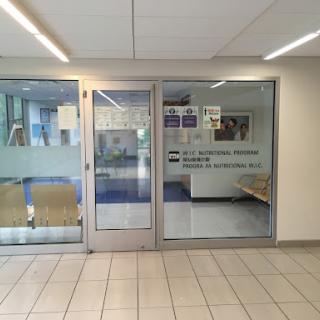
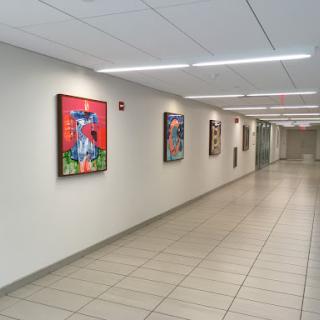
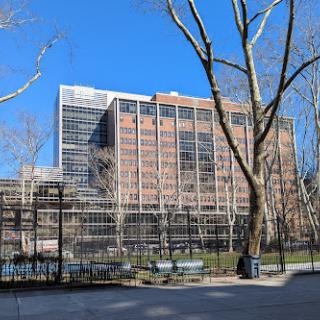
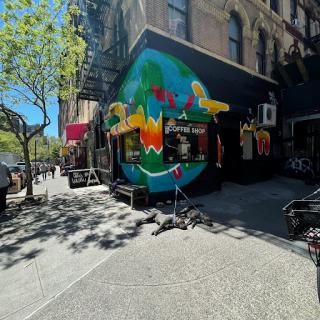
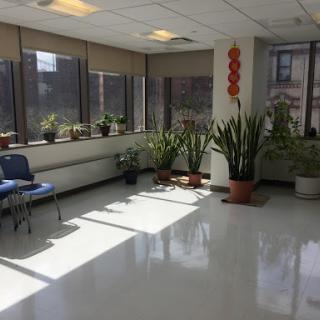
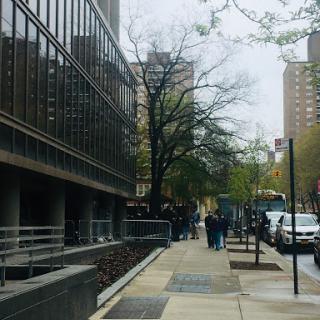
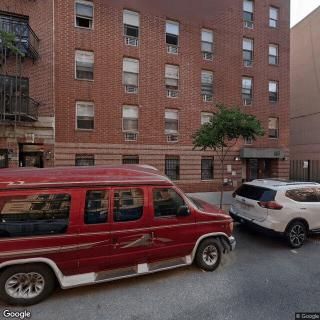
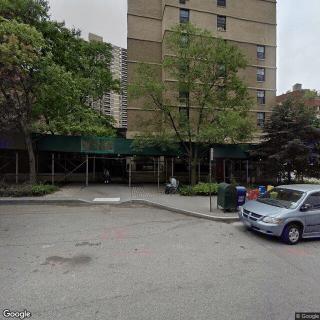
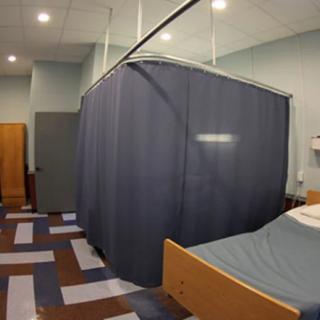
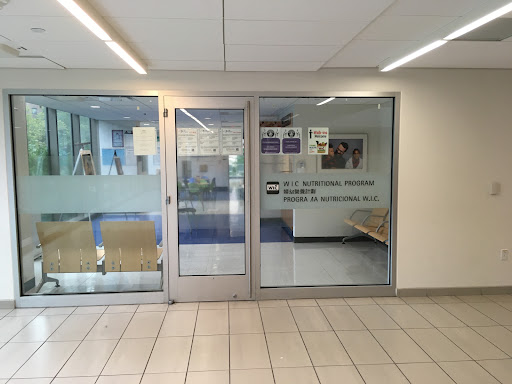
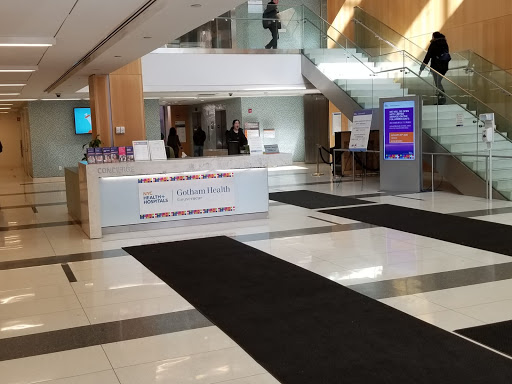
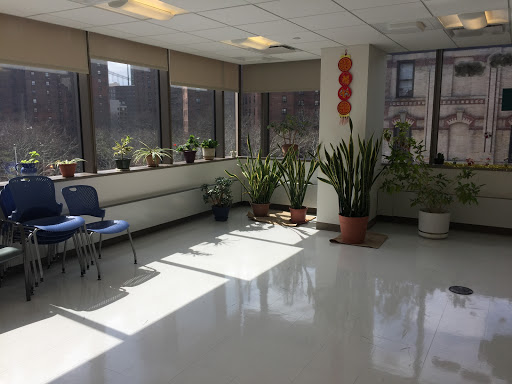
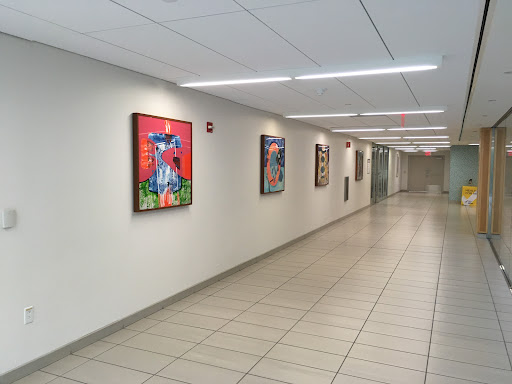
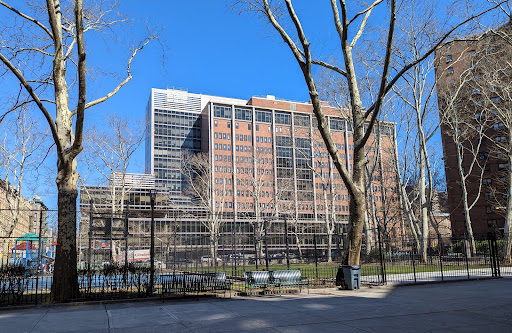
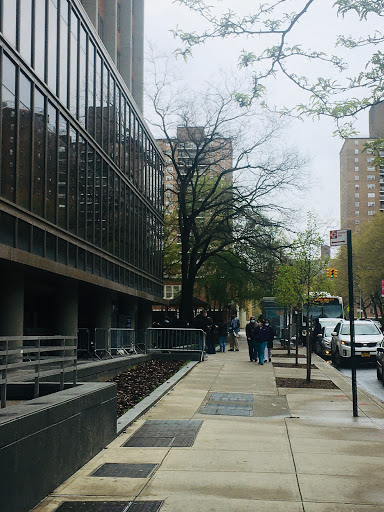
New Gouverneur Hospital on seniors.fyi includes 12 photos including images showing urban, building, interior, architecture, waiting area, trees, lobby, entrance, and more.
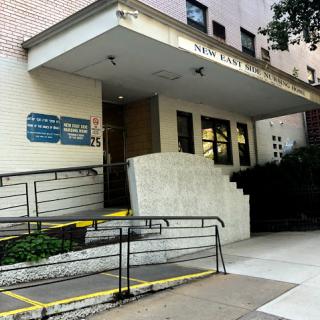
New East Side Nursing Home
New York, NY
Comprehensive on-site care and amenities (24/7 supervision, nursing, dining with special diets, transportation, wellness programs, and varied activities).
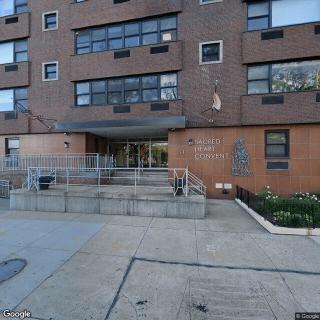
St Rose's Home
New York, NY

Ridge Street Gardens
New York, NY
Specialized diabetic care with engaging social and devotional activities.

Rivington House Health Care
New York, NY
Caring staff and a supportive, sociable community.
Armi Garden House
New York, NY
Urban setting with extensive nearby amenities and specialized diabetic care.
St Margarets House Inc
New York, NY
Excellent access to dining, parks, healthcare, and transit nearby.

The Watermark at Brooklyn Heights
Brooklyn, NY
Professional, courteous staff in a prime Brooklyn Heights location with clean, well-maintained facilities.
Oxford Nursing Home
Brooklyn, NY
Wide range of amenities and 24/7 care

Coterie Hudson Yards
New York, NY
Exclusive luxury with top-tier dining, comprehensive medical care, and premier amenities.
 Comprehensive Look at Senior Blood Pressure Charts: Normal and Elevated Levels by Age
The overview of blood pressure management for seniors emphasizes the importance of monitoring and interpreting blood pressure readings, noting that normal ranges can vary due to age-related factors and individual health conditions. It highlights tailored guidelines for systolic and diastolic levels, the necessity of early detection and consistent management to prevent serious health complications, and advocates for personalized care strategies that incorporate lifestyle changes and medication adherence.
 Top Canine Companions for Older Adults
Dogs can greatly improve the lives of older adults by offering emotional support and encouraging physical activity, with factors such as size, temperament, and grooming needs being crucial in selecting a suitable breed. Senior dogs often make ideal companions for this demographic, promoting social connections and requiring care routines that align with seniors' capabilities.
The guide on blood pressure charts for older adults stresses the importance of understanding normal and high blood pressure readings influenced by age, genetics, and lifestyle, while emphasizing regular monitoring and lifestyle modifications to prevent serious health issues. It provides insights into blood pressure categories, dietary recommendations, medication considerations, and the role of caregivers in supporting healthy habits.
Interior
Decor
Building
Architecture
Trees
Dining
Lobby
Natural Light
Tree
Clouds
Urban






 Comprehensive Guide to Blood Pressure Charts for Older Adults: Understanding Normal and High Readings by Age