For more information about senior living options: (866) 208-4318
3.9 from 136 reviews
5 stars
90
4 stars
12
3 stars
0
2 stars
4
1 stars
30
Park Avenue Extended Care Facility Costs & Pricing
At Park Avenue Extended Care Facility, the cost for a private room is set at $4,000 per month, which reflects a competitive rate compared to the surrounding area. In Nassau County, the average monthly cost for similar accommodations stands at approximately $5,742, while across New York State, the average hovers around $5,159. This indicates that Park Avenue offers a more affordable option without compromising on the quality of care and services provided. Such pricing provides residents and their families with a valuable alternative in a landscape where long-term care costs can often be daunting.
Floor plans
Park Avenue Extended Care Facility
Nassau County
New York
Private
$4,000
$5,742
$5,159
Overall Review of Park Avenue Extended Care Facility
differentiator
Physical therapy is frequently praised
Physical therapy stands out in residents’ and families’ accounts of recovery progress.
Many reviewers describe physical therapy as a key part of their rehabilitation, often pairing it with improved mobility or walking. A number of comments highlight therapists as attentive, knowledgeable, and effective at helping residents regain strength. Several reviewers also mention that the therapy approach felt structured and goal-oriented, with people encouraged to participate and keep progressing.
caveat
Staff quality is mixed overall
Reviews are sharply divided on whether staffing interactions feel respectful and responsive.
Alongside frequent compliments, there are also recurring complaints about unresponsiveness and rude treatment. Positive reviews tend to describe staff who are kind, attentive, and supportive, while negative reviews cite issues such as delays in help, difficulty getting answers, and disrespectful behavior. Some families also contrast weekdays and weekends, suggesting coverage may feel different depending on the day.
common
Cleanliness and maintenance come up often
Residents and families repeatedly comment on how clean and well-kept the facility feels.
Several reviewers describe the building as clean, immaculate, or well maintained, often mentioning daily cleaning and an orderly environment. A smaller set of reviews disputes that impression, describing dirty areas or unclean rooms. Taken together, cleanliness is a visible part of the experience, with reviews pointing both to strong maintenance and to occasional lapses.
caveat
Food quality varies by review
Dining reviews are inconsistent, with some praising meals and others criticizing food and meal delivery.
Some reviewers mention that the food is good, enjoyable, or served with care, and a few connect meals to overall satisfaction. Other reviews complain that food quality declined, that correct meal requests were not consistently honored, or that dietary needs were not handled well. The dining experience therefore appears uneven across residents’ stays and situations.
common
Activities and support services matter
Planned activities and supportive services are frequently mentioned as part of daily life.
Several reviews describe recreational programming as helpful for keeping residents engaged and passing the day. Others mention support from roles such as social work, concierge, or coordination for release and aftercare, describing communication as a strength. Even when reviews focus on medical recovery, they often return to the idea that the schedule and support beyond therapy helped reduce stress for residents and families.
How we summarize
We summarize when many written reviews mention each theme; a review can touch several themes, and only frequently mentioned themes are displayed.
Features
Housing
240 resident community capacity
Types of Care
Skilled Nursing Facility
Amenities
Air-conditioning
Beauty salon
Cable or satellite TV
Computer center
Dining room
Fitness room
Fully furnished
Gaming room
Garden
Housekeeping services
Kitchenette
Move-in coordination
Outdoor space
Private bathrooms
Restaurant-style dining
Small library
Telephone
Wellness center
Wi-Fi/high-speed internet available
Transportation
John F Kennedy International (7 miles away)
LaGuardia (17 miles away)
Community operated transportation
Transportation arrangement
Transportation arrangement (non-medical)
Transportation to doctors appointments
Care Services
12-16 hour nursing
24-hour call system
24-hour supervision
Activities of daily living assistance
Assistance with bathing
Assistance with dressing
Assistance with transfers
Diabetes diet
Meal preparation and service
Medication management
Mental wellness program
Special dietary restrictions
Dining
Diabetes diet
Special dietary restrictions
Activities
Community-sponsored activities
Concierge services
Fitness programs
Planned day trips
Resident-run activities
Scheduled daily activities
Nearby Places of Interest
Transportation
LIRR - Long Beach Station (0.1 miles)
LIRR- Centre Ave (4.1 miles)
Lynbrook LIRR Station (4.5 miles)
LIRR - Rockville Centre Station (4.9 miles)
Valley Stream LIRR Station (5.2 miles)
JFK Runways (6.4 miles)
JFK Apron (6.8 miles)
Pharmacies
CVS Pharmacy (0.3 miles)
Walgreens (0.6 miles)
CVS Pharmacy (3.5 miles)
CVS Pharmacy (3.6 miles)
CVS Pharmacy (3.8 miles)
Walgreens (4.1 miles)
CVS Pharmacy (4.2 miles)
Restaurants
Jordans Lobster Farm (0.8 miles)
Sonny's Canal House (4.9 miles)
Air France Lounge (7.5 miles)
Bobby Van's Steakhouse (7.6 miles)
Northwell Health at Jones Beach Theater (8.7 miles)
White Castle (8.8 miles)
McDonald's (9.2 miles)
Parks
Oceanside Park (3 miles)
Hempstead Lake State Park (6.4 miles)
Coes Neck Park (7 miles)
Newbridge Dog Park (8.1 miles)
Newbridge Road Park (8.2 miles)
Jones Beach State Park (8.7 miles)
Places of Worship
Congregation Sons of Israel (3.7 miles)
Merrick Jewish Center (8.2 miles)
Physicians
Prohealth Baldwin Harbour Pediatrics (4.5 miles)
South Nassau Communities Hospital (4.7 miles)
Orlin & Cohen Orthopedic Group (4.8 miles)
Long Island Pediatrics (5.1 miles)
Winthrop Professional Building (10.6 miles)
Hospitals
Kaur Rupinder P Do South Nassau Family Medicine Oceanside (4.7 miles)
Winthrop University Hospital (10.5 miles)
Winthrop University Hospital New Life Center (10.6 miles)
At Park Avenue Extended Care Facility, the cost for a private room is set at $4,000 per month, which reflects a competitive rate compared to the surrounding area. In Nassau County, the average monthly cost for similar accommodations stands at approximately $5,742, while across New York State, the average hovers around $5,159. This indicates that Park Avenue offers a more affordable option without compromising on the quality of care and services provided. Such pricing provides residents and their families with a valuable alternative in a landscape where long-term care costs can often be daunting.
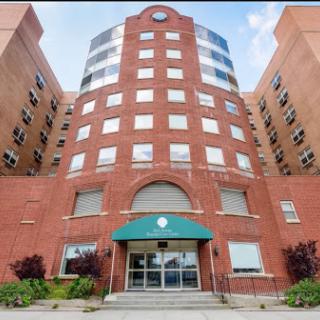
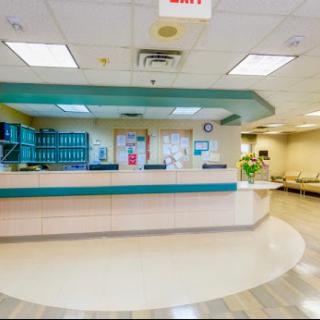
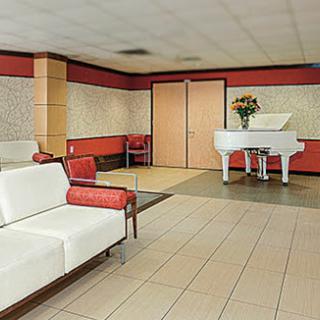
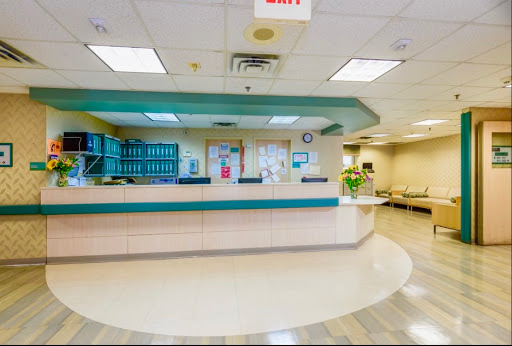
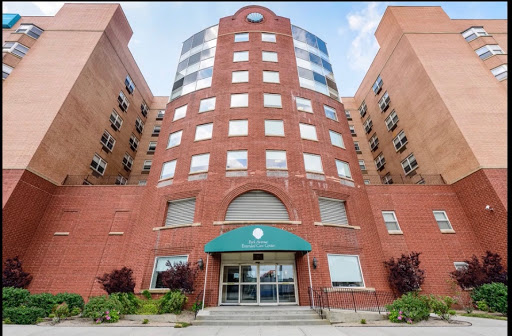
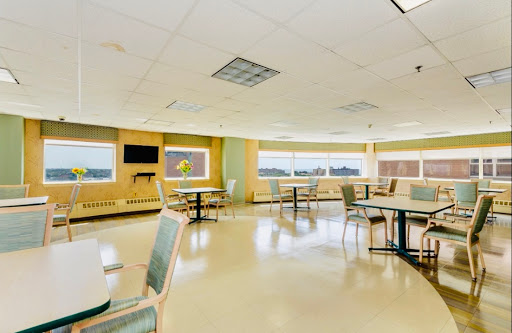
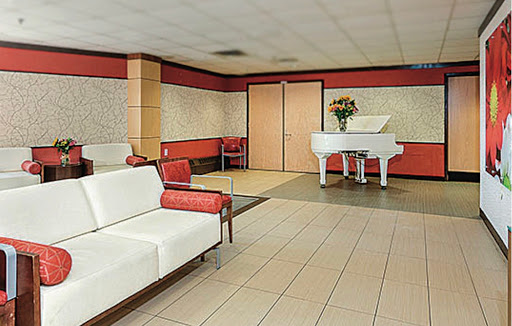
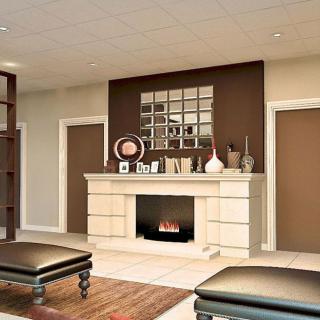
Park Avenue Extended Care Facility on seniors.fyi includes 5 photos including images showing windows, interior, lobby, waiting area, entrance, urban, dining, piano, and more.
Nearby Communities
Long Beach Assisted Living
Long Beach, NY
4 from 77 reviews
$3,800 to $4,300 / month
Professional, caring staff with a smooth admissions process and ocean-view setting.
Atlantic Home For Adults
Long Beach, NY
Convenient, well-connected location with nearby parks, pharmacies, restaurants, transit, worship, and hospitals.
Pristine In-Home Care Inc
Long Beach, NY
Strong access to nearby amenities and services (cafes, parks, pharmacies, restaurants, and transportation).
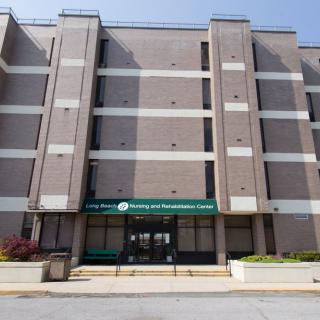
Long Beach Nursing And Rehabilitation Center
Long Beach, NY
4.5 from 119 reviews
Recently renovated facility with pleasant rehab staff and engaging resident activities.
South Point Plaza
Island Park, NY
1 from 2 reviews
$4,282 to $5,138 / month
Competitive pricing for semi-private and private rooms with convenient access to nearby pharmacies, hospitals, dining, transportation, and parks.
Grandell Rehabilitation And Nursing Center
Long Beach, NY
4.5 from 132 reviews
$3,256 to $9,150 / month
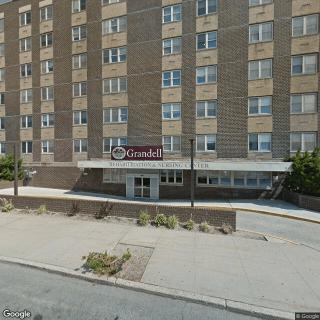
Strong rehabilitation and nursing staff with effective therapy services; pleasant environment and dining options (including kosher).
Nautilus Hotel
Atlantic Beach, NY
4.4 from 75 reviews
$4,300 to $6,500 / month
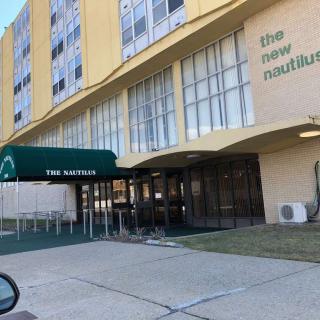
Caring, attentive staff with engaging activities in a pleasant environment.
Surfside Manor
Far Rockaway, NY
3.7 from 13 reviews
Caring staff with engaging activities and ocean views.
Long Island Living Center
Far Rockaway, NY
4.1 from 68 reviews
$2,800 to $3,800 / month
Clean, welcoming community with engaging activities and attentive staff.
Palliative care focuses on alleviating distress at any stage of a serious illness and can accompany curative treatments, while hospice care is for those nearing the end of life with a prognosis of six months or less, emphasizing comfort over curative measures. Both prioritize holistic care for patients and families but differ in timing, goals, and scope.
The guide details the tax deductibility of in-home healthcare expenses according to IRS guidelines, differentiating between medically necessary services and non-medical assistance, while emphasizing the need for proper documentation and itemization requirements. It also highlights state-level variations, the importance of record-keeping, and encourages seeking professional tax help to understand evolving regulations.
Gardening provides seniors with physical exercise, mental and emotional support, and social interaction opportunities, while accommodating their needs through raised beds and ergonomic tools. It promotes health benefits like improved dexterity and cardiovascular health, encourages sustainable practices, and allows for manageable upkeep with low-maintenance plants.
Landscaping, Outdoor, Patio, Seating, and Umbrellas
Windows
Building, Architecture, Entrance, Brick, and Urban
Lobby and Waiting Area
Healthcare and Reception
Piano
Get PricingAsk A QuestionSchedule A TourContact Senior Advisor
By clicking submit, you agree to our Partner's Terms of Use. You
also consent to receive calls and texts, which may be autodialed, from our Partner. Your consent is not a condition to
using our Partner's service. Please visit our Partner's Privacy Policy for information about their privacy practices.


 240 resident community capacity
 Skilled Nursing Facility
 Air-conditioning
 Beauty salon
 Cable or satellite TV
 Computer center
 Dining room
 Fitness room
 Fully furnished
 Gaming room
 Garden
 Housekeeping services
 Kitchenette
 Move-in coordination
 Outdoor space
 Private bathrooms
 Restaurant-style dining
 Small library
 Telephone
 Wellness center
 Wi-Fi/high-speed internet available
 John F Kennedy International (7 miles away)
 Community operated transportation
 12-16 hour nursing
 24-hour call system
 Activities of daily living assistance
 Assistance with bathing
 Assistance with dressing
 Assistance with transfers
 Diabetes diet
 Medication management
 Mental wellness program
 Special dietary restrictions
 Concierge services
 Planned day trips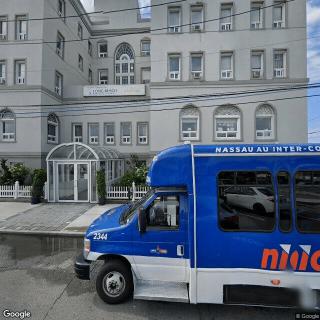
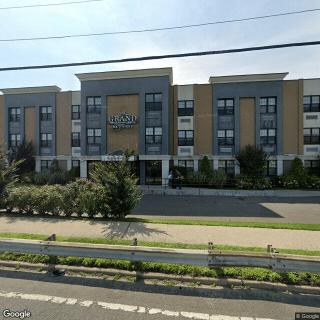
 Professional, caring staff with a smooth admissions process and ocean-view setting.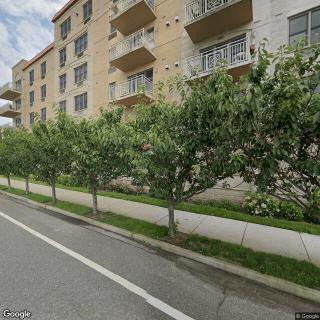
 Understanding the Nuances of Palliative Care and Hospice: A Comprehensive Exploration
 Is In-Home Healthcare Tax Deductible? Your Comprehensive Guide
 Nurturing Well-Being Through Gardening: A Detailed Guide for Senior Enthusiasts