Overall Review of King David Center For Nursing And Rehabilitation
caveat4 reviews mention this
Staff responsiveness draws mixed marks
Some families report delays or missed help when they needed it.
Several reviewers describe situations where help was slow or inconsistent, including concerns about nurse coverage and attention to call-bell requests. One reviewer also cited weekend coverage needs and said weekend meals were sometimes not reliable. A separate set of comments focuses on communication problems during recovery and questions about whether care plans were shared promptly.
common14 reviews mention this
Cleaning and upkeep are widely praised
Residents and visitors frequently mention that the building stays clean and well maintained.
Across the reviews, people repeatedly point to clean rooms, clean hallways, and an overall well-kept environment. Visitors also mention fresh, neat spaces and helpful staff who keep the facility looking maintained. Even when reviewers raise other concerns, others still describe the center as clean and orderly, suggesting upkeep is a consistent theme.
common8 reviews mention this
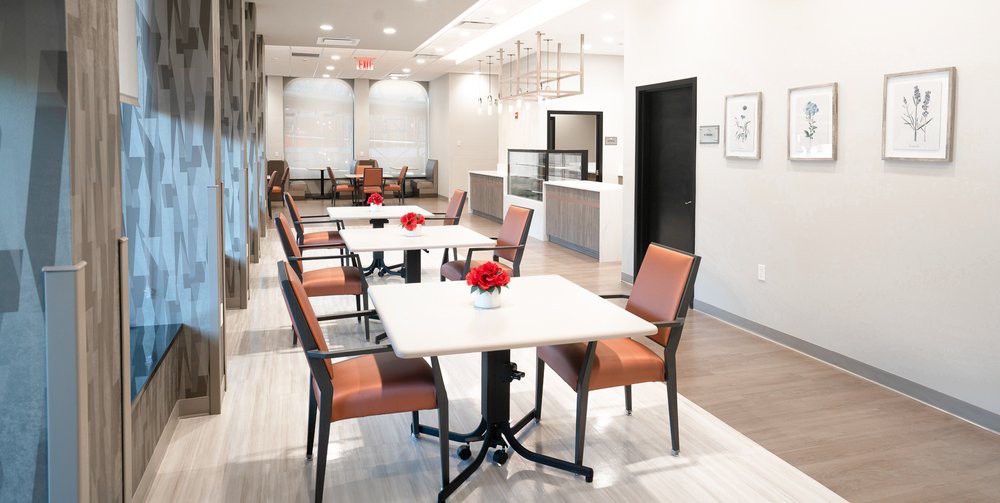
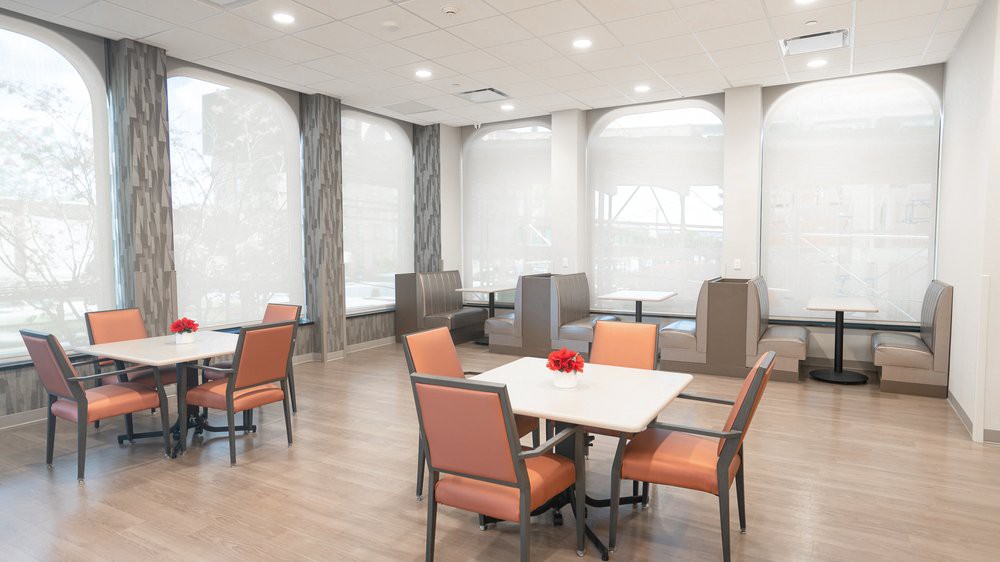
Food quality and special diets
Dining is often described as good, with room to improve menus.
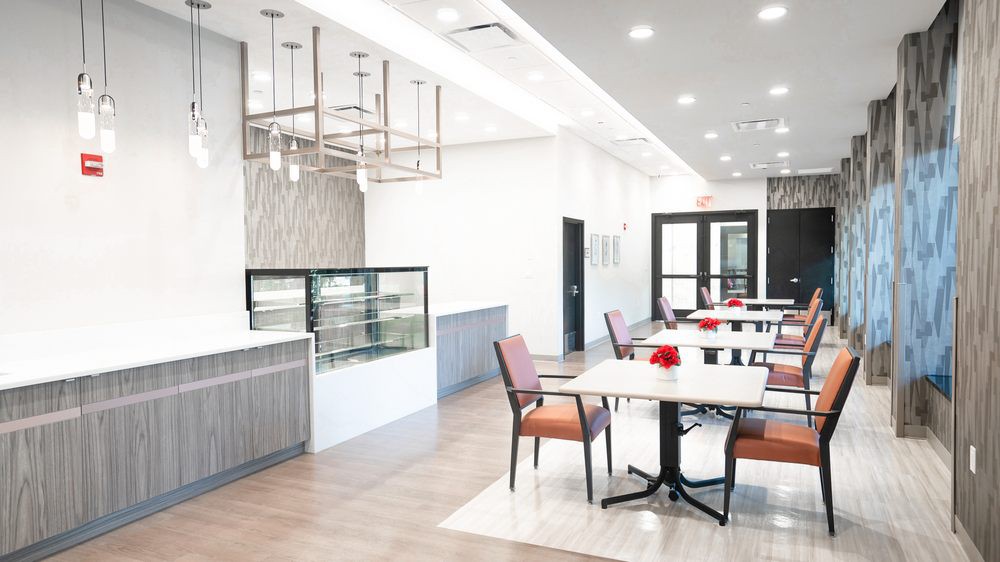
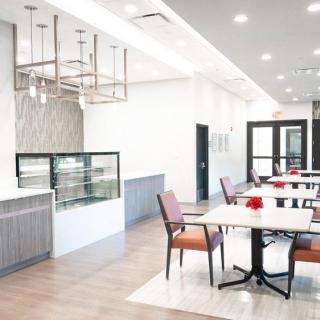
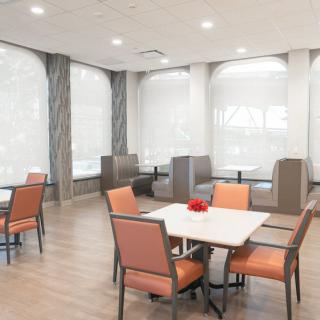
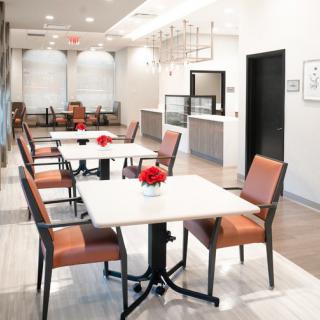
Multiple residents and family members say the food is tasty and well balanced for health needs. The community also offers special-diet support, including diabetes-related and other restricted diets, which matches what residents describe about food being tailored. Still, at least one family member said weekend meals could be a miss and suggested changing the menu.
differentiator7 reviews mention this
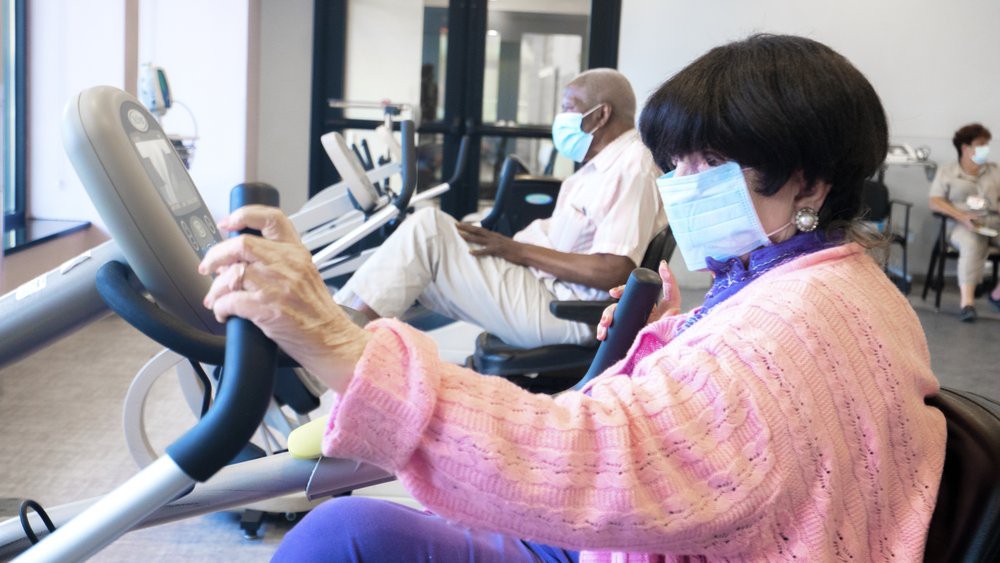
Rehab therapy helps residents improve
Physical and occupational therapy are central to many residents’ improvement stories.
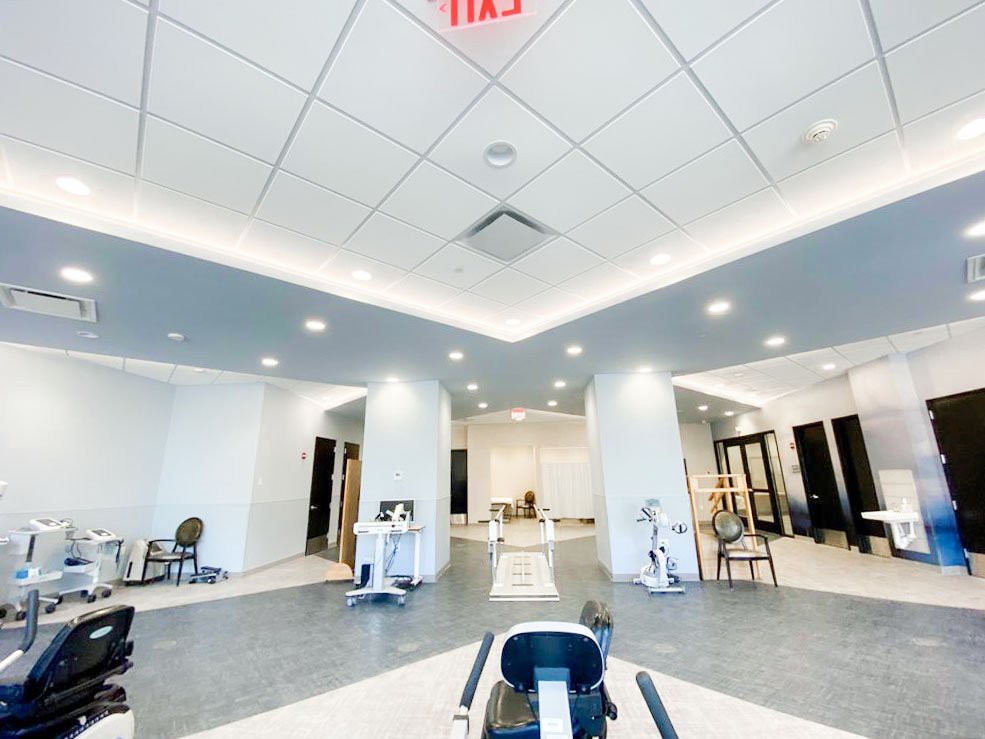
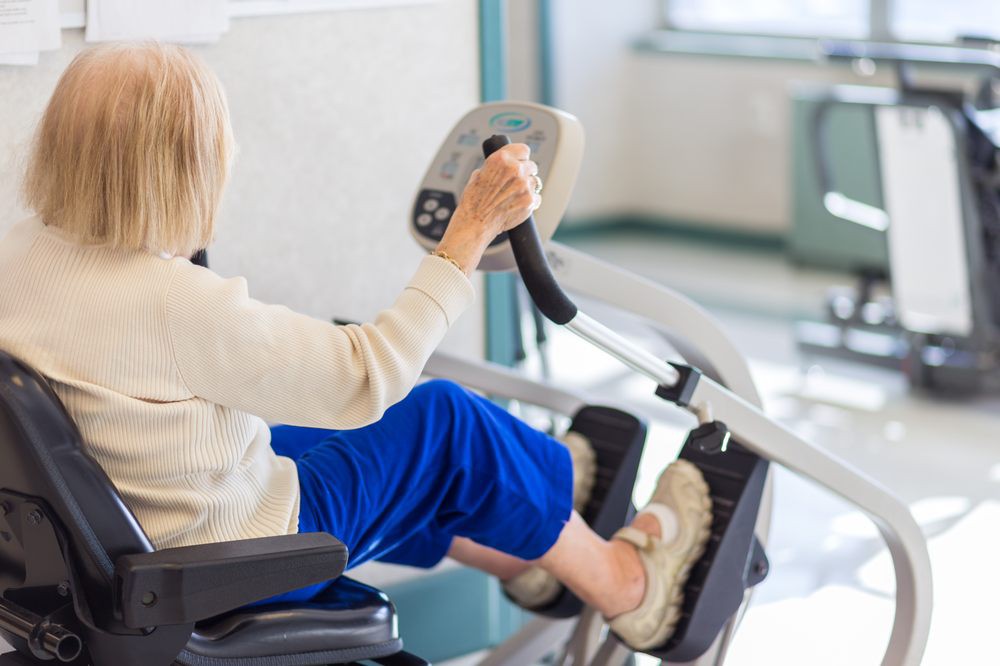
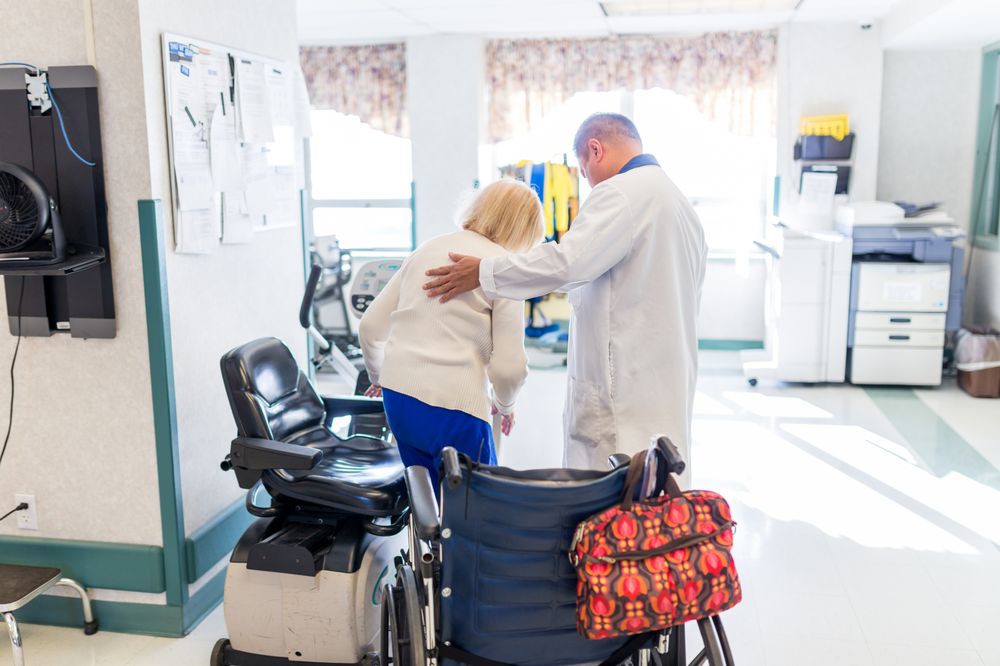
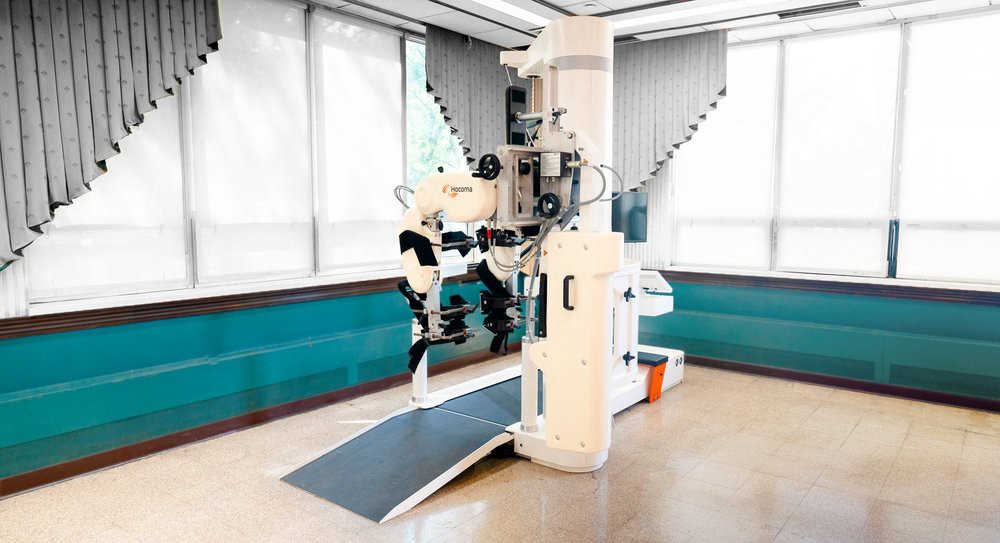
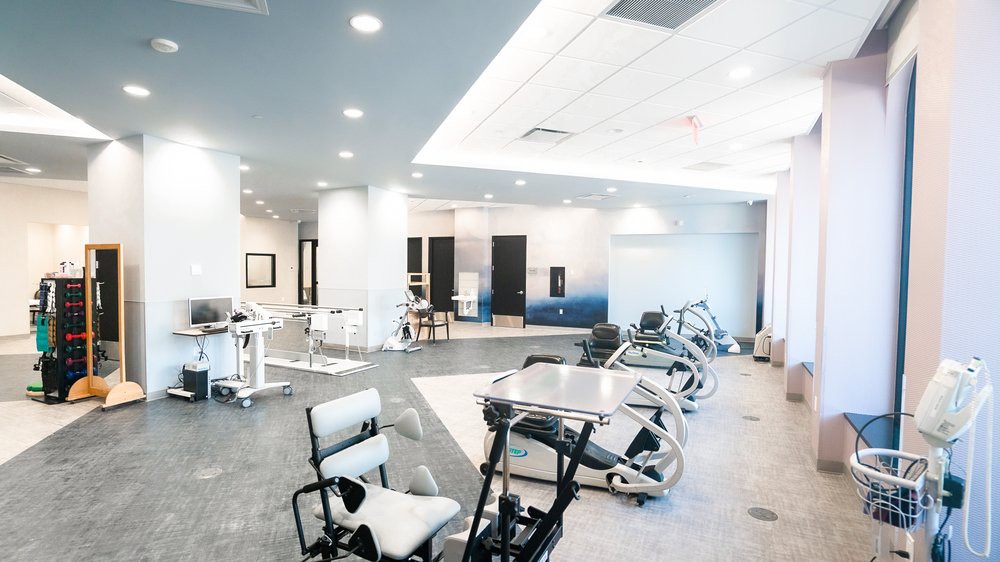
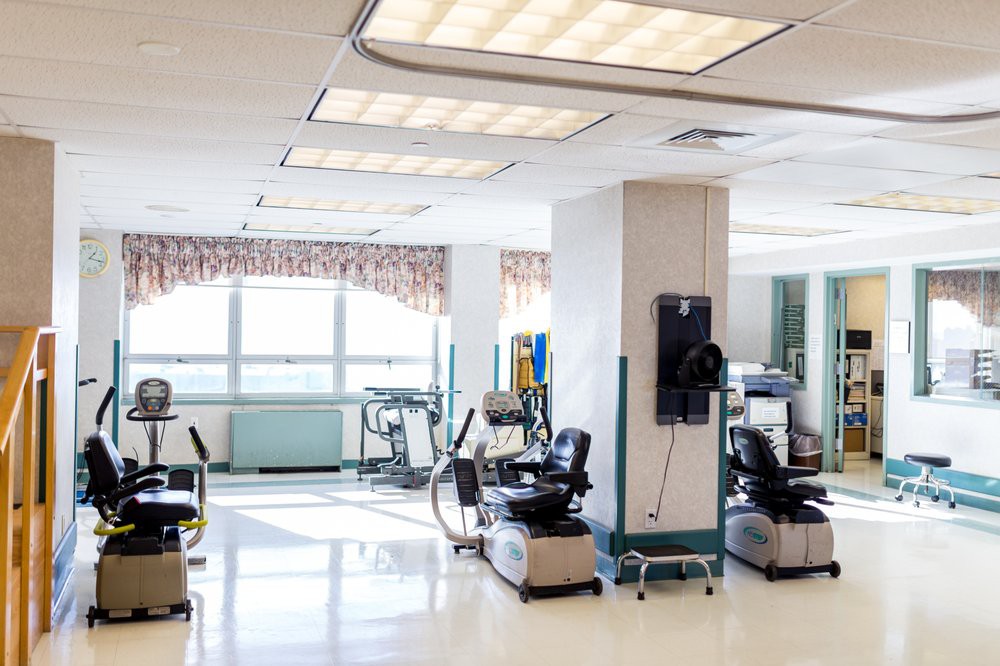
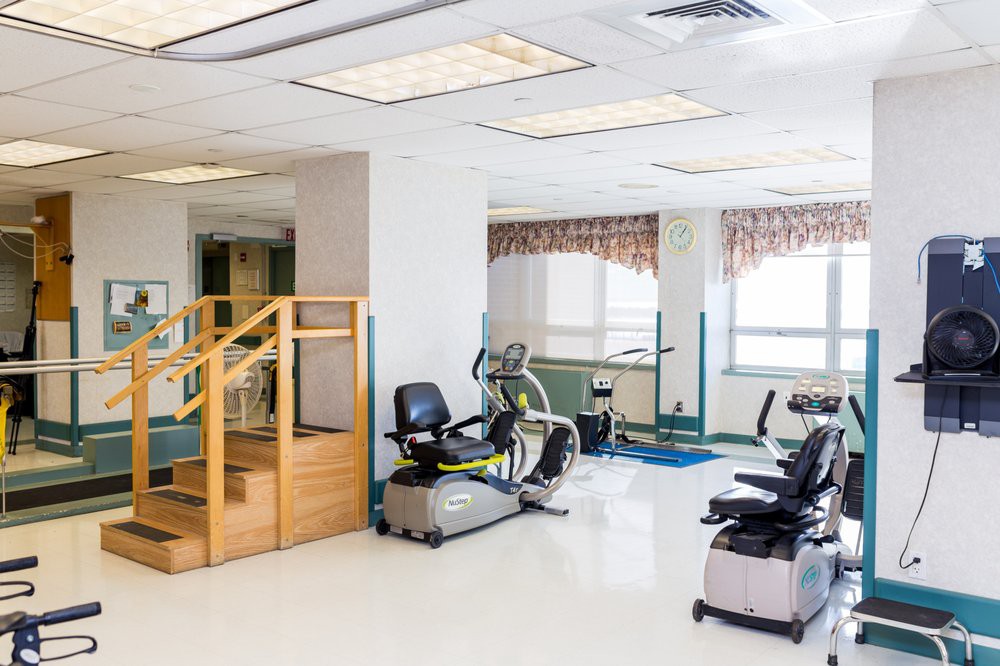
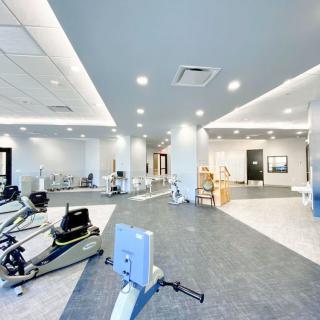
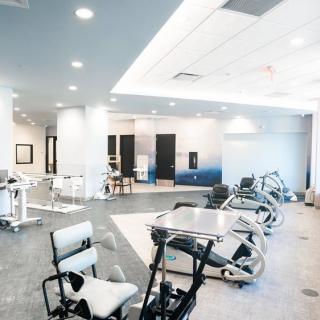
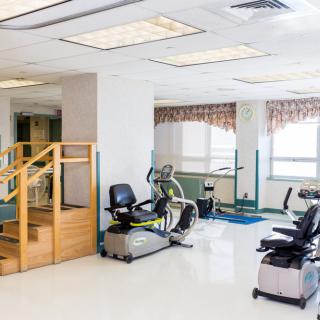
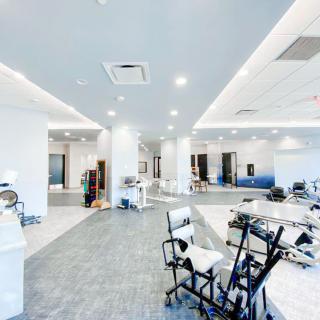
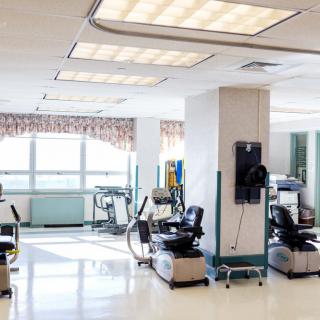
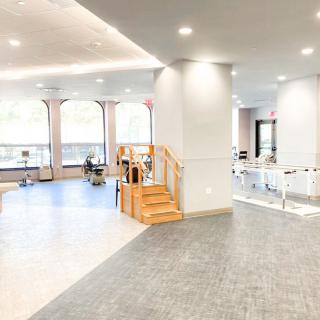
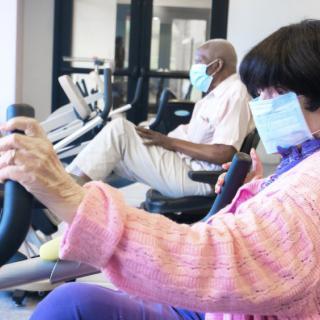
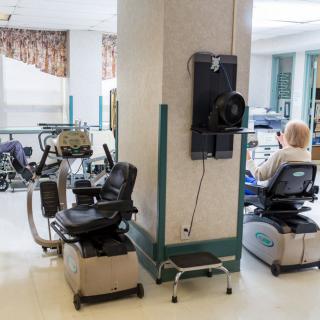
Many reviews tie progress to therapy, including examples of regaining mobility and building strength through physical therapy sessions. People also mention staff attention during rehab and confidence that therapy supports recovery goals. This lines up with the facility’s focus as a skilled nursing rehab setting and the presence of fitness and wellness amenities that support active programming.
differentiator5 reviews mention this
Activities and Jewish programming stand out
Community-sponsored activities, including Jewish holiday events, are frequently mentioned.
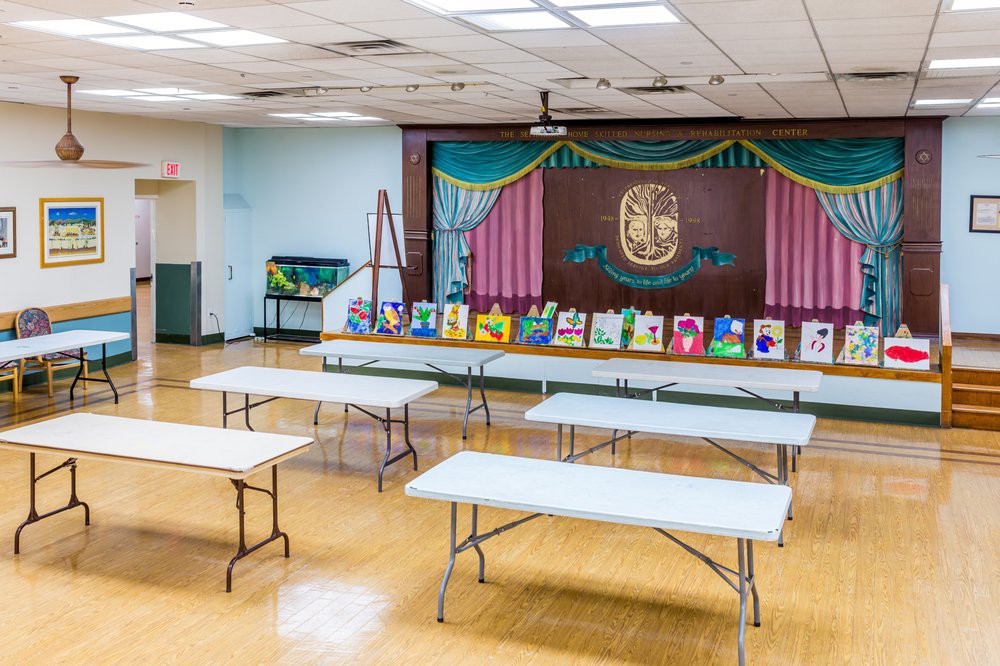
Residents and visitors describe a steady schedule of activities, including concerts, arts and crafts, and holiday meals. Several reviewers also mention Jewish-focused programming and recreation staff helping residents stay engaged. The community’s activity offerings also include planned daily activities and resident involvement, which fits what families say they observed during stays.
differentiator2 reviews mention this
Doctor appointment transportation is arranged
Transportation planning for appointments is described as organized.
At least two reviewers mention that trips for medical appointments were arranged with accompaniment and on-time coordination. The community also lists non-medical transportation support and arrangements to doctors, aligning with the way families describe getting to appointments. For visitors choosing a rehab stay, this can reduce the burden of organizing logistics while care is ongoing.
How we summarize
Counts show how many written reviews mention each theme; a review can touch several themes, and only frequently mentioned themes are displayed.
Features
Housing
271 resident community capacity
Types of Care
Skilled Nursing Facility
Amenities
Air-conditioning
Beauty salon
Cable or satellite TV
Computer center
Dining room
Fitness room
Fully furnished
Gaming room
Garden
Housekeeping services
Kitchenette
Move-in coordination
Outdoor space
Private bathrooms
Restaurant-style dining
Small library
Telephone
Wellness center
Wi-Fi/high-speed internet available
Transportation
Newark International (11 miles away)
John F Kennedy International (12 miles away)
LaGuardia (14 miles away)
Community operated transportation
Transportation arrangement
Transportation arrangement (non-medical)
Transportation to doctors appointments
Care Services
12-16 hour nursing
24-hour call system
24-hour supervision
Activities of daily living assistance
Assistance with bathing
Assistance with dressing
Assistance with transfers
Diabetes diet
Meal preparation and service
Medication management
Mental wellness program
Special dietary restrictions
Dining
Diabetes diet
Special dietary restrictions
Activities
Community-sponsored activities
Concierge services
Fitness programs
Planned day trips
Resident-run activities
Scheduled daily activities
Nearby Places of Interest
Restaurants
L & B Spumoni Gardens (0.8 miles)
Coney Island Brewing Co (1.6 miles)
Nathan's Famous (1.6 miles)
""""""Nathan's Famous"""""" (1.8 miles)
Ruby's Bar & Grill (1.8 miles)
Paul's Daughter (1.8 miles)
Sugar Bowl (5.2 miles)
Transportation
MTA Subway - Bay Parkway (1.4 miles)
MTA Subway - Coney Island/Stillwell Ave (1.5 miles)
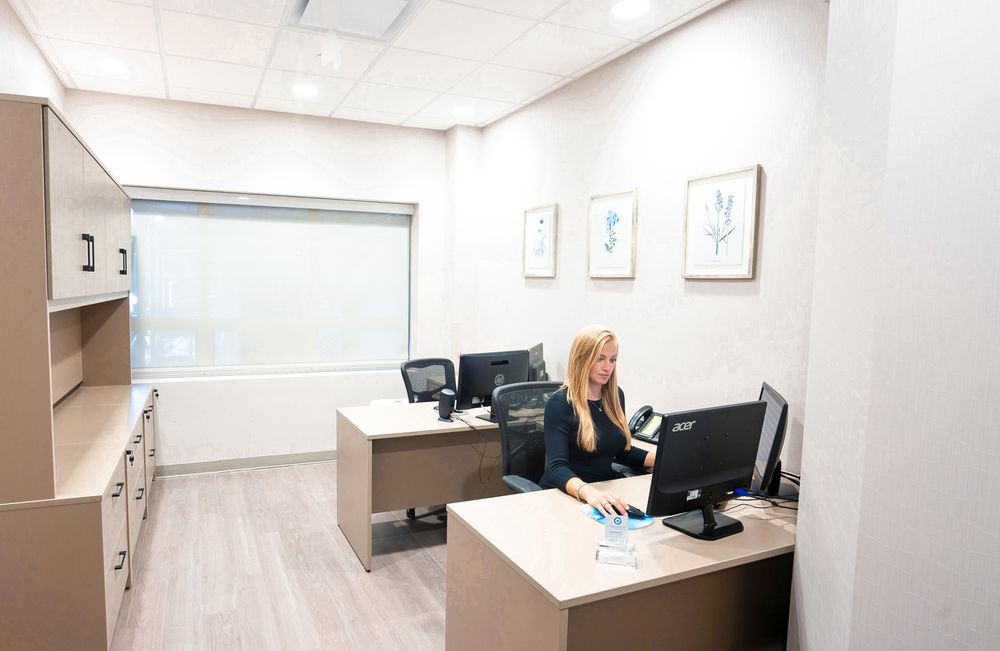
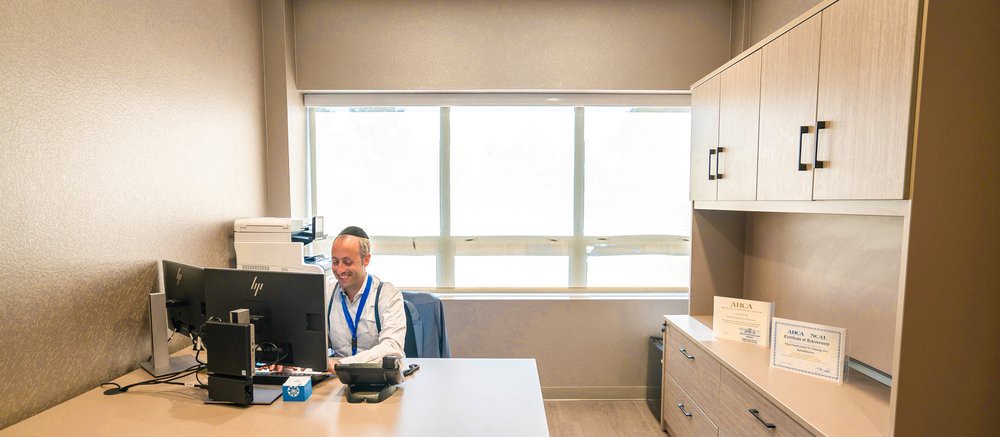
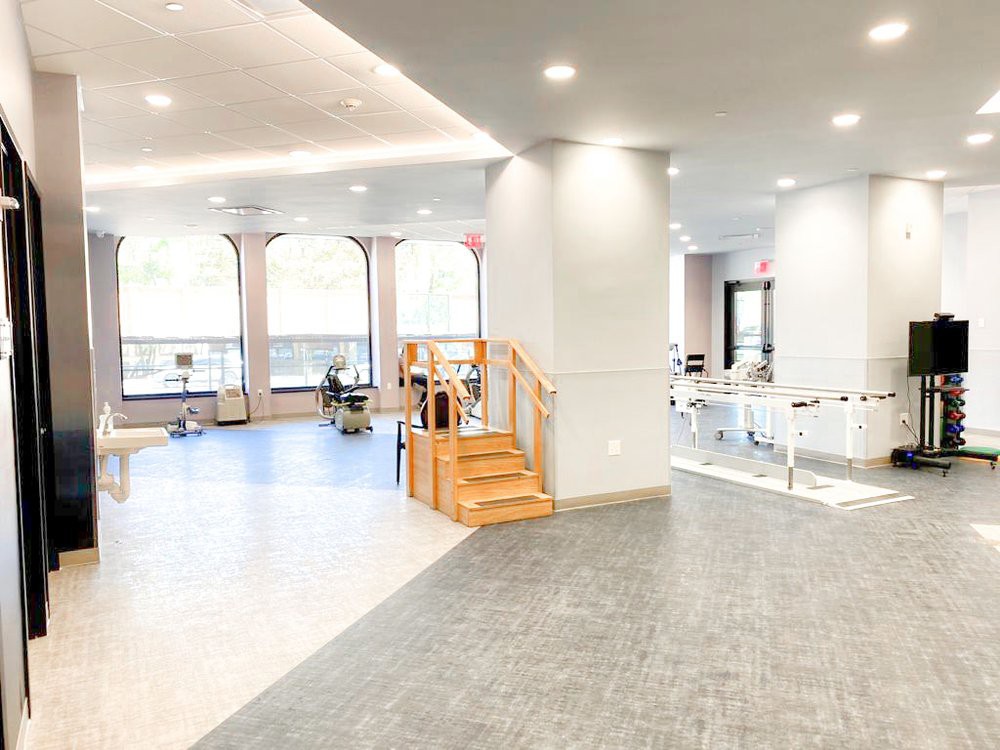
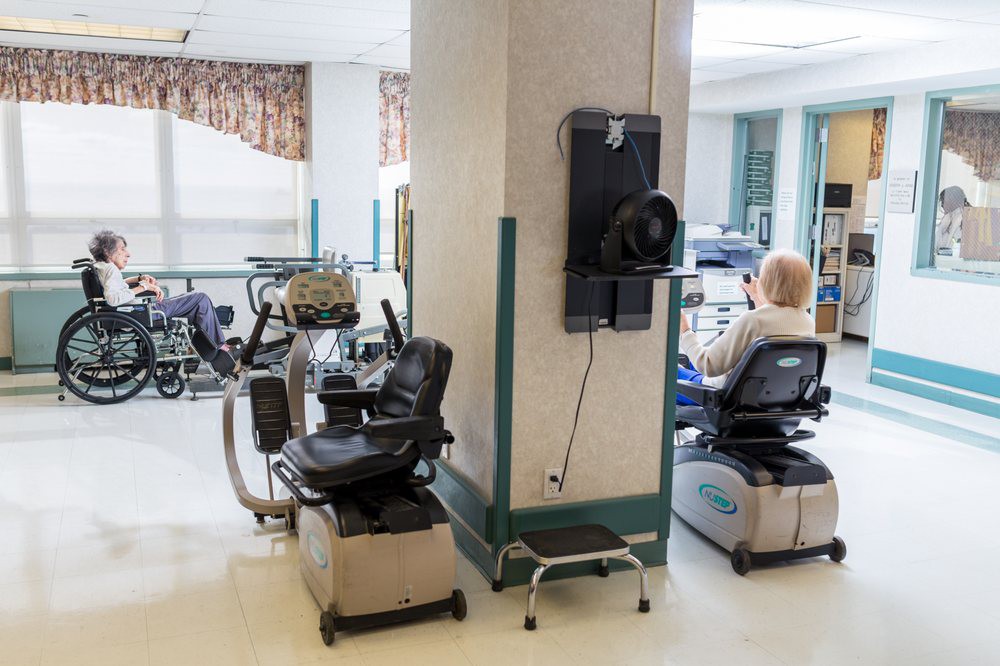
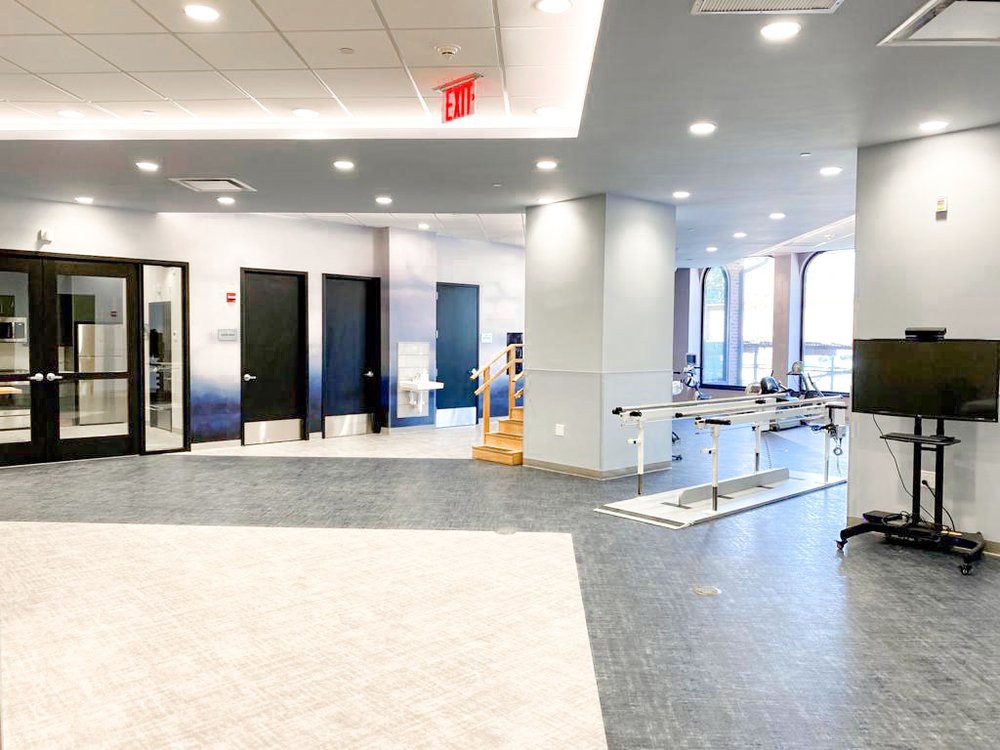
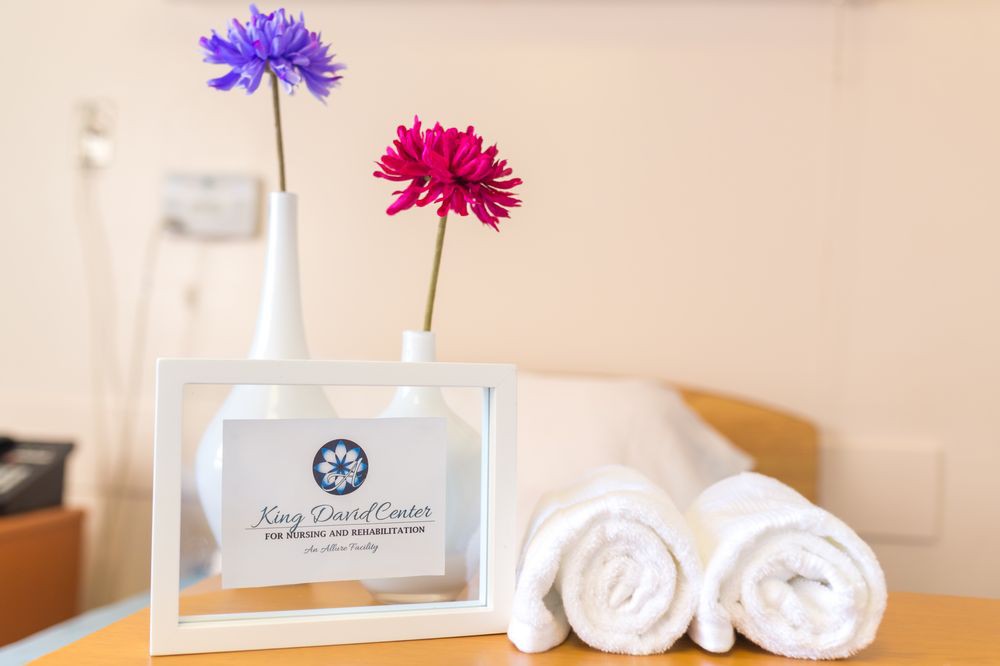
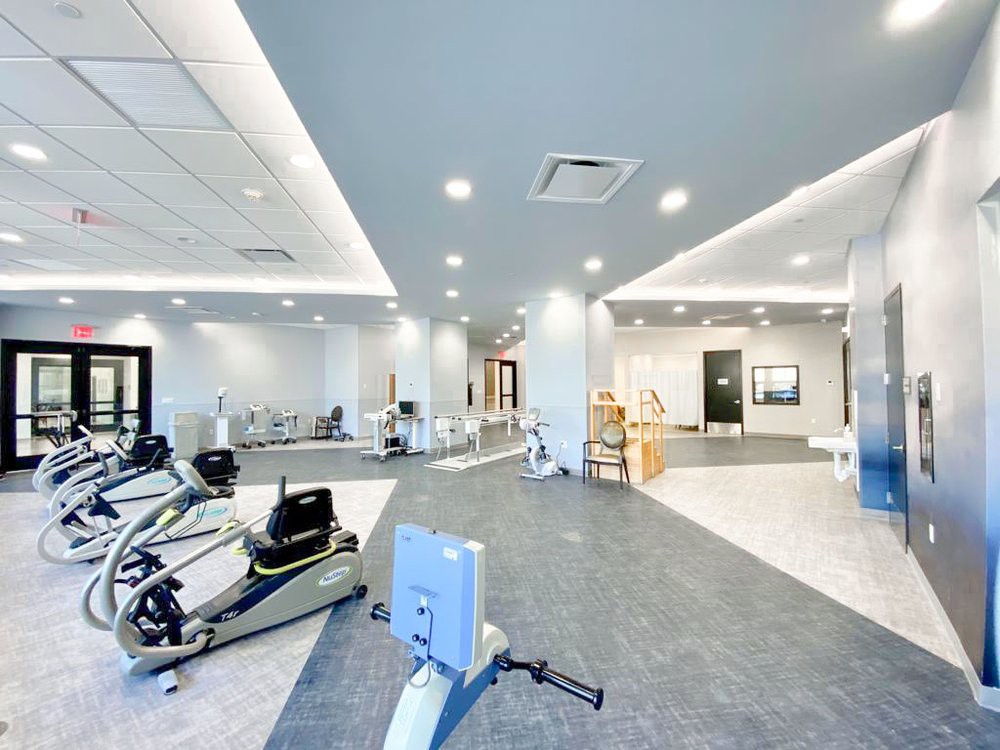
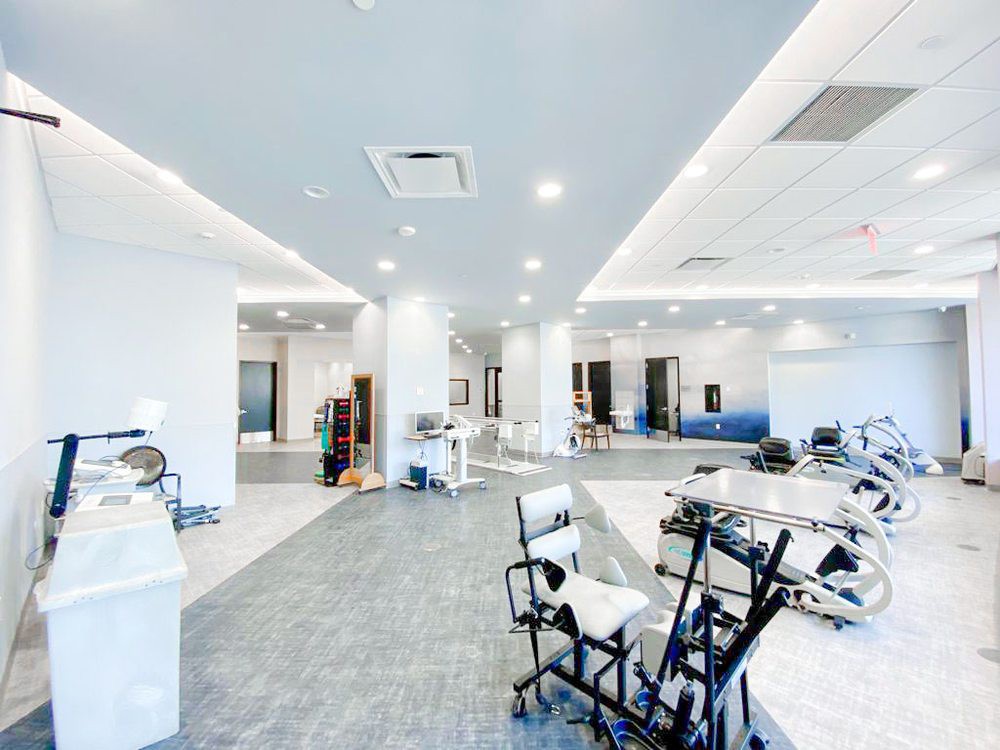
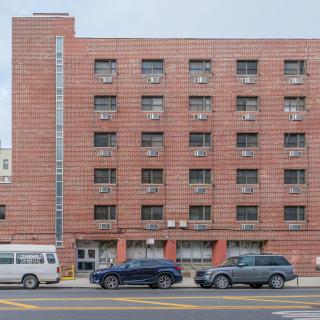
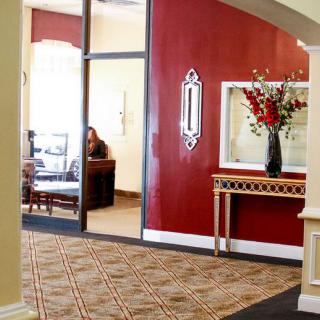
King David Center For Nursing And Rehabilitation on seniors.fyi includes 24 photos including images showing interior, exercise equipment, gym, fitness center, fitness, healthcare, rehabilitation, dining, and more.
Nearby Communities
Sephardic Home For Aged Inc
Brooklyn, NY
4.3 from 126 reviews
Some staff genuinely care and provide quality care; decent short?term therapy outcomes; long history of resident support.
Kings Adult Care Center
Brooklyn, NY
2 from 13 reviews
Comfortable, well-equipped facility with restaurant-style dining, beauty salon, activities, and on-site transportation.
Haym Salomon Adult Day Care Center
Brooklyn, NY
4.6 from 126 reviews
Efficient admissions, friendly staff, diverse therapy services, and engaging activities.
Haym Solomon Home For The Aged
Brooklyn, NY
4.5 from 114 reviews
Attentive nursing/rehab staff and engaging activities.
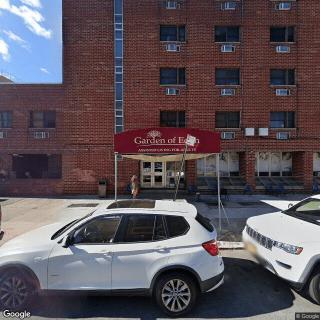
Garden Of Eden Home
Brooklyn, NY
2.5 from 15 reviews
Comprehensive care with engaging activities and on-site amenities.
Garden of Eden Home For Adults
Brooklyn, NY
2.6 from 14 reviews
Specialized diabetic care with on-site activities.
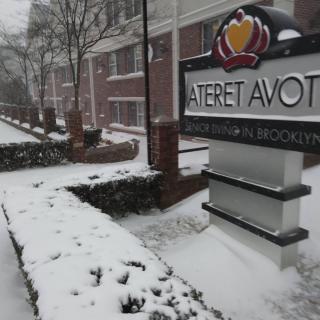
Ateret Avot
Brooklyn, NY
3.9 from 11 reviews
$6,500 / month
Home-like Heimish atmosphere with friendly staff and well-appointed, hotel-style rooms.
Signature Senior Living
Brooklyn, NY
3.8 from 105 reviews
$3,700 to $3,800 / month
Caring staff and a variety of resident activities.
The Waterford On The Bay
Brooklyn, NY
4.2 from 95 reviews
$4,313 to $8,561 / month
Friendly, attentive staff; clean and well-maintained facility; waterfront location with proactive family communication.
Caregiver burnout is a common issue resulting from the intense physical, emotional, and mental demands of caregiving, leading to symptoms like fatigue and social withdrawal. To prevent burnout, caregivers should recognize early warning signs and implement self-care strategies, seek support, and prioritize their own well-being alongside that of those they care for.
Caregiver exhaustion, or burnout, stems from the relentless demands of caregiving, leading to emotional and physical depletion characterized by stress, frustration, and neglect of personal needs. Addressing this burden is essential to prevent long-term consequences, with early recognition and support being crucial for caregivers to maintain balance and implement self-care.
Hospice care at home provides specialized end-of-life support that focuses on comfort and dignity for individuals with life-limiting illnesses, offering a range of services including medical management, emotional and spiritual support, and logistical assistance tailored to the family's needs. It involves collaboration to create individualized care plans and extends to bereavement support after a loved one's passing.
King David Center For Nursing And Rehabilitation photos
×
Interior
Outdoors
Decor
Dining
Natural Light
Exercise Equipment
Office
Gym
Salon
Healthcare
Spacious
Fitness
Rehabilitation
Physical Therapy
Interior
Decor and Spa
Dining
Landscaping, Outdoors, and Water
Lighting and Minimalist
Exercise Equipment
Salon and Mirrors
Natural Light
Healthcare
Office
Gym
Rehabilitation
Physical Therapy
Fitness
Bright Lighting
Spacious and Office Space
Wheelchair
Exercise
Computers
Paintings
Fitness Center
Get PricingAsk A QuestionSchedule A TourContact Senior Advisor
By clicking submit, you agree to our Partner's Terms of Use. You
also consent to receive calls and texts, which may be autodialed, from our Partner. Your consent is not a condition to
using our Partner's service. Please visit our Partner's Privacy Policy for information about their privacy practices.





 271 resident community capacity
 Skilled Nursing Facility
 Air-conditioning
 Beauty salon
 Cable or satellite TV
 Computer center
 Dining room
 Fitness room
 Fully furnished
 Gaming room
 Garden
 Housekeeping services
 Kitchenette
 Move-in coordination
 Outdoor space
 Private bathrooms
 Restaurant-style dining
 Small library
 Telephone
 Wellness center
 Wi-Fi/high-speed internet available
 Newark International (11 miles away)
 Community operated transportation
 12-16 hour nursing
 24-hour call system
 Activities of daily living assistance
 Assistance with bathing
 Assistance with dressing
 Assistance with transfers
 Diabetes diet
 Medication management
 Mental wellness program
 Special dietary restrictions
 Concierge services
 Planned day trips
 Some staff genuinely care and provide quality care; decent short?term therapy outcomes; long history of resident support.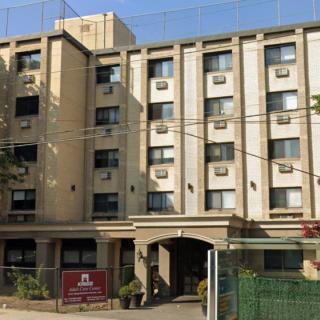


 Caring for Those Who Care: Recognizing, Understanding, and Overcoming Caregiver Burnout
 Caregiver Exhaustion: Recognizing the Signs and Restoring Your Well-Being
 Understanding Hospice Care at Home: Comprehensive Services, Key Benefits, and Eligibility