Capstone Center For Rehabilitation And Nursing in Amsterdam, NY

Save

  • Interior

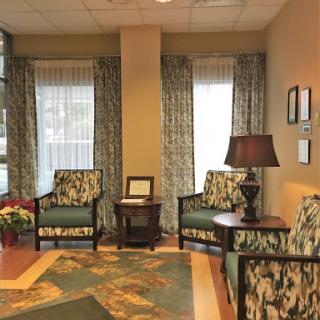
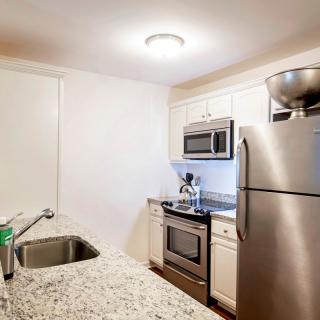
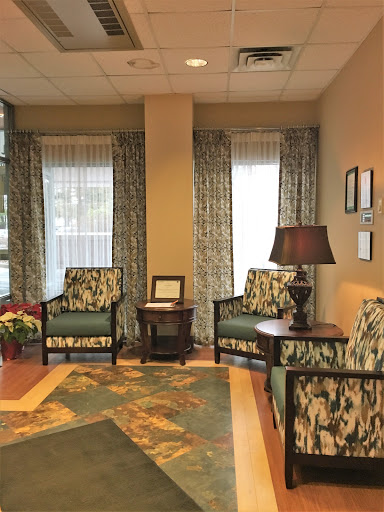
    A cozy waiting area featuring comfortable chairs and warm lighting.
  • Outdoors

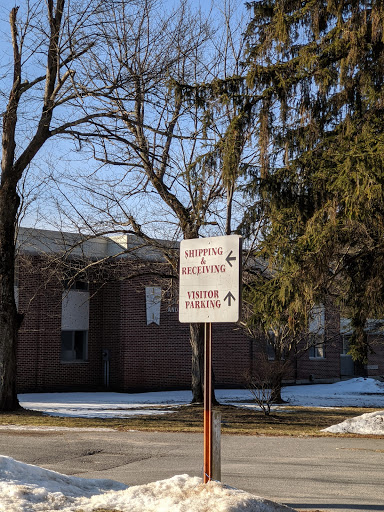
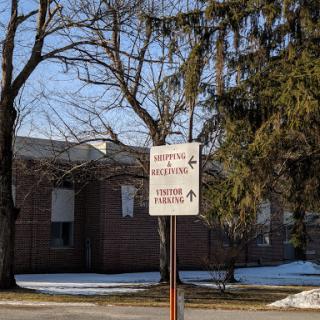
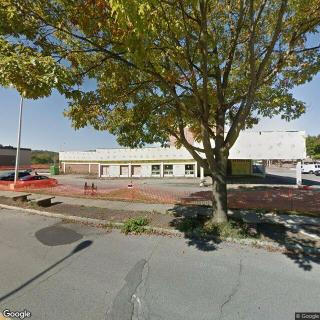
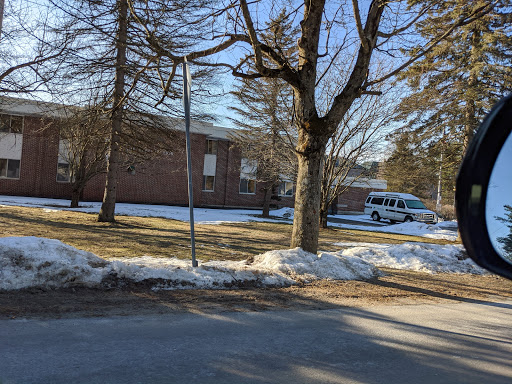
    A directional sign in front of a building, surrounded by trees and snow.
  • Building

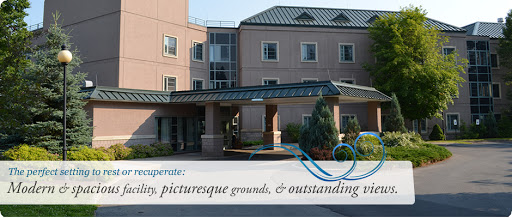
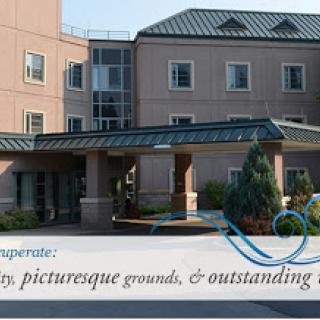
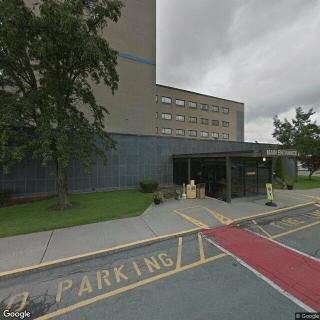
    A modern hotel entrance featuring picturesque grounds and contemporary architecture.
  • Trees

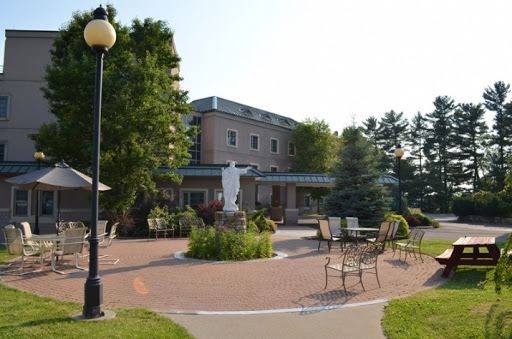
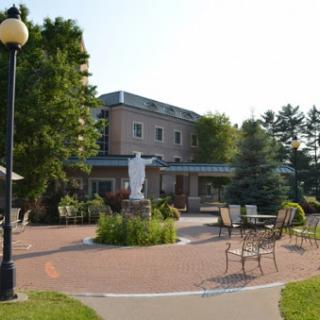
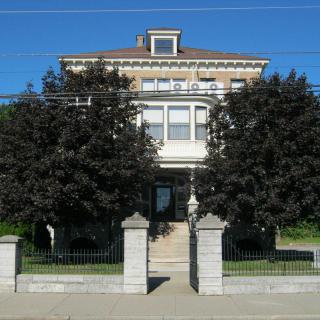
    A serene outdoor space featuring a well-maintained garden and seating area, framed by a beautiful building.
  • Landscaping

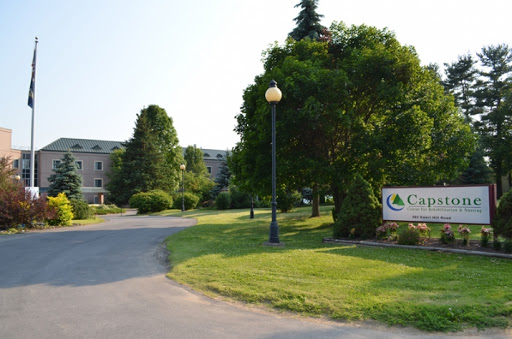
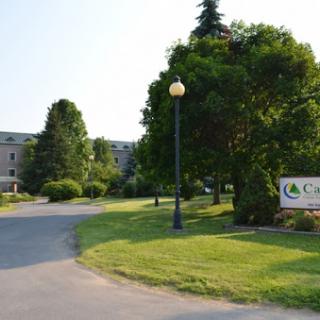
    A scenic view of a pathway leading to a building, surrounded by greenery and a welcoming sign.
  • Entrance

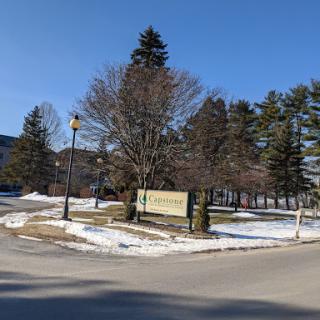
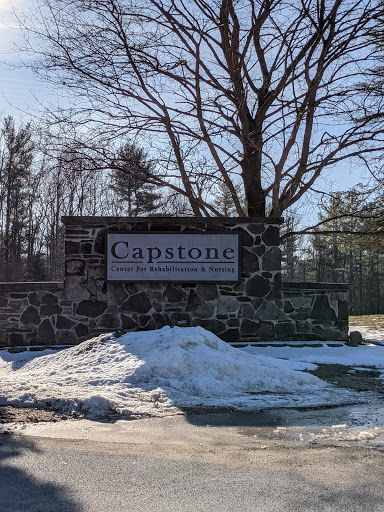
    The entrance sign for Capstone surrounded by a snowy landscape.
  • Outdoor

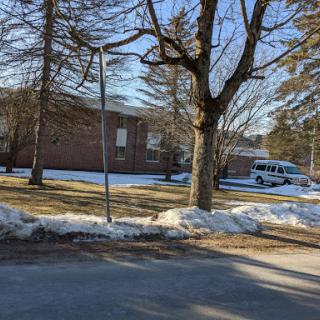
    A serene winter scene featuring a building surrounded by snow and bare trees, with a van parked nearby.
  • Park

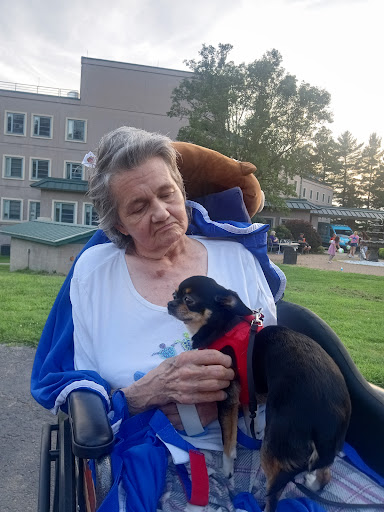
    An elderly woman enjoys a moment of affection with her small Chihuahua in a park.
  • Road

    A peaceful winter scene featuring a sign surrounded by trees and snow under a clear blue sky.
  • Wheelchair

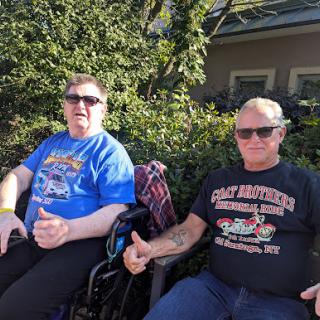
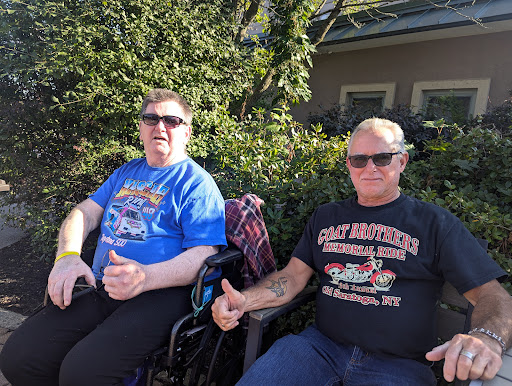
    Two friends enjoying a sunny day outdoors, both giving a thumbs up.

Capstone Center For Rehabilitation And Nursing in Amsterdam, NY

Information last verified:

302 Swart Hill Road, Amsterdam, NY 12010

For more information about senior living options: (844) 490-3973

3.8 from 105 reviews
5 stars
65
4 stars
9
3 stars
3
2 stars
3
1 stars
25

Seniors.FYI Elite Community Awards

Top 5% Senior Living Community in 2020

Add this award to your website

Overall Review of Capstone Center For Rehabilitation And Nursing

Pros

  • pro Capstone treats its residents like family.
  • pro Capstone is clean, beautifully decorated, bright and happy.
  • pro The staff are friendly, helpful, and quick to respond to questions.
  • pro The activities department keeps residents engaged and connected with the community.
  • pro Capstone has a compassionate, professional nursing team and top-notch doctors.
  • pro The rehabilitation and therapy services are excellent.
  • pro The grounds and facilities are well maintained and welcoming.
  • pro Families feel confident their loved ones are in good hands at Capstone.

Cons

  • pro The food is described as inedible and poorly prepared, with imitation eggs, hockey-puck pancakes, and bland or overly salty dishes.
  • pro The facility constantly runs out of basic supplies like tea bags, tissues, and ice.
  • pro A resident’s toilet in their room was crooked and repeatedly not fixed after multiple requests.
  • pro Some staff do not answer call lights, leaving residents in dirty diapers for hours.
  • pro There are reports of neglect and unprofessional nursing care, including not giving or delaying medications.
  • pro The facility is perceived as severely understaffed with a lack of effective leadership.
  • pro There are accounts of residents experiencing falls or injuries that were not promptly addressed.
  • pro The environment is described as dirty and poorly maintained, with odors and maintenance issues.

Review

Capstone Center for Rehabilitation and Nursing in Amsterdam, NY is best suited for families seeking a rehabilitation-centered environment where the nursing and rehab teams are the heart of care and where a homey, family-like atmosphere can meaningfully support recovery. This community shows its value when residents need skilled nursing, physical therapy, and a compassionate, engaged staff that treats residents with warmth and respect. Those who prioritize a consistent, airtight staffing model, transparent leadership, and rigorous safety oversight should consider alternatives. Capstone can deliver strong outcomes for mobility and daily functioning, but it is not uniformly steady across shifts or departments, and that inconsistency matters for decisions about long-term placement.

The core strength is the nursing and rehabilitation staff. Across many reviews, caregivers are repeatedly described as capable, attentive, and genuinely compassionate, with therapy teams that tailor effort to a resident’s limits and push appropriately toward progress. The facility earns praise for an atmosphere in which residents feel seen, with activities, social work, and therapy aligned to keep people engaged and moving. Families frequently note that the staff’s effort translates into practical gains, improved walking, steadier balance, and better overall mood, while the dining and common areas contribute to a sense of normalcy and comfort. When the leadership and front-line teams function cohesively, Capstone demonstrates the care fidelity many families are seeking in a rehabilitation-focused setting.

Yet the narrative is not uniformly positive. A substantial strand of reviews documents serious concerns tied to staffing and day-to-day safety. Families recount understaffed floors, delayed responses to call lights, and lapses in basic care, ranging from missed meals and supply shortages to maintenance issues like crooked toilets or broken showers that go unresolved for days. There are a number of accounts of inadequate medication management, rooms not being cleaned promptly, and distressing scenes of residents left uncomfortable or unattended. In the most troubling reports, families allege neglect and even harm, including events that resulted in hospital transfers or worse. The breadth of these experiences cannot be ignored and demands careful verification before choosing Capstone.

Those cons do not automatically erase the positives, but they do recalibrate expectations. When the staff is fully available and well-coordinated, Capstone can feel like a cohesive, family-like environment where nursing, therapy, and social services collaborate to support recovery and daily life. The strongest endorsements come from families whose loved ones responded well to therapy, who appreciated responsive communication with administrators and clinicians, and who observed consistent, compassionate interactions across nurses, aides, and rehab therapists. The facility’s grounds and interiors, the availability of meaningful activities, and the general emphasis on a welcoming, hopeful milieu contribute heavily to the perception of quality care. On balance, the pros are significant in the right circumstances, but they hinge on dependable staffing and reliably effective management.

Decision-making around Capstone should hinge on a diligent, on-site evaluation. Prospective families should schedule time on multiple shifts to observe call-light responses, interaction patterns between staff and residents, and the consistency of daily routines. Directly ask to meet with the director of nursing and the administrator, request recent incident or safety data, and probe how communication flows when a patient’s needs change. Tour the dementia/memory-care areas with a sharp eye for supervision ratios, doctor availability, and how therapy integrates with ongoing medical management. Evaluate the dining program personally, noting whether meals meet nutritional needs and are served with assistance when necessary. Above all, verify staffing stability and leadership responsiveness, these are the levers that can turn Capstone from a mixed bag into a reliably good choice for a given loved one.

In the end, Capstone Amsterdam presents a meaningful choice for families who can actively engage in the care process and verify ongoing safety and staffing reliability. It offers standout nursing and rehabilitation that can drive real, measurable progress, within a setting that many residents and families describe as welcoming and like a caring community. However, for those whose nonnegotiables center on consistent staffing, rigorous safety oversight, and transparent accountability across all floors and shifts, alternatives should be explored with equal diligence. Capstone’s appeal rests on the strength of its care teams and the quality of rehab when the operation is fully resourced and well-led; the risk, as reflected in a substantial portion of experiences, is that variability can undermine those benefits. The prudent path is to visit, question relentlessly, and insist on concrete assurances before deciding.

Features

Housing

  • 120 resident community capacity 120 resident community capacity

Types of Care

  • Skilled Nursing Facility Skilled Nursing FacilitySkilled Nursing Facilities are crucial for seniors as they provide round-the-clock medical care, rehabilitation services, and assistance with daily activities. These facilities ensure that seniors receive the specialized care they need to maintain their health and well-being as they age.

Amenities

  • Air-conditioning Air-conditioningAir conditioning is important for seniors as they are more vulnerable to heat-related illnesses and may have underlying health conditions that make it difficult for them to regulate their body temperature. It helps to keep them comfortable, safe, and healthy in hot weather.
  • Beauty salon Beauty salonBeauty salons are important for seniors because they provide a space for them to feel pampered, socialize, and maintain their personal grooming and hygiene. Regular visits to a beauty salon can help boost seniors' self-esteem and overall well-being.
  • Cable or satellite TV Cable or satellite TVCable or satellite TV is important for seniors because it provides entertainment, news, and companionship, helping to combat loneliness and boredom. It also offers a wide range of programming options tailored to different interests and preferences.
  • Computer center Computer centerA computer center is essential for seniors as it provides access to technology, communication tools, and resources that can enhance their daily lives. It allows them to stay connected with loved ones, engage in online activities, and learn new skills, ultimately promoting socialization and mental stimulation.
  • Dining room Dining roomDining rooms are important for seniors as they provide a space for socialization, connection, and nutritious meals. They offer opportunities for residents to bond over shared meals, foster a sense of community, and promote healthy eating habits. Dining rooms also ensure that seniors have access to well-balanced meals tailored to their dietary needs and preferences.
  • Fitness room Fitness roomHaving a fitness room in a senior living community is essential for seniors to stay active, maintain their physical health, and improve their overall well-being. Regular exercise can help prevent falls, reduce the risk of chronic diseases, and promote mental sharpness. It also provides social opportunities for residents to connect with others and enjoy a sense of community.
  • Fully furnished Fully furnishedFully furnished senior living communities are important for seniors because they provide convenience, comfort, and a hassle-free moving experience. Seniors can easily settle into their new living space without the stress of having to buy and move furniture. This allows them to focus on enjoying their new home and community.
  • Gaming room Gaming roomGaming rooms are important for seniors as they provide a fun and engaging environment for socializing, cognitive stimulation, and physical activity. Games can improve memory, problem-solving skills, and overall mental well-being while fostering friendships and reducing feelings of isolation.
  • Garden GardenGardens are important for seniors as they provide a peaceful and therapeutic environment for relaxation, physical activity, and socialization. Being in nature has been shown to reduce stress, improve mood, and promote overall well-being. Gardens also offer opportunities for seniors to engage in gardening activities, which can improve mobility, flexibility, and cognitive function. Additionally, gardens create a sense of community and connection with others who share a passion for plants and outdoor spaces.
  • Housekeeping services Housekeeping servicesHousekeeping services are important for seniors because they help maintain a clean and safe living environment, promote independence, and reduce the risk of accidents or illnesses. Additionally, having assistance with household chores can alleviate physical strain and allow seniors to focus on other aspects of their well-being.
  • Kitchenette KitchenetteKitchenettes are important for seniors living in senior living communities because they provide the convenience and independence of being able to prepare simple meals and snacks in the comfort of their own living space. This can help promote a sense of autonomy and well-being for seniors, allowing them to maintain some level of control over their dietary choices and daily routines.
  • Move-in coordination Move-in coordinationMove-in coordination is important for seniors because it helps ease the transition into their new living environment. It ensures that all logistics, such as packing, organizing movers, and setting up utilities are taken care of, allowing seniors to focus on settling in and adjusting to their new home. Having a smooth move-in process can alleviate stress and anxiety, making the transition smoother and more enjoyable for seniors.
  • Outdoor space Outdoor spaceOutdoor spaces are important for seniors as they provide opportunities for physical activity, social interaction, exposure to natural light and fresh air, and a sense of connection to nature. Having access to outdoor spaces can improve overall well-being and quality of life for older adults living in senior communities.
  • Private bathrooms Private bathroomsPrivate bathrooms are important for seniors in senior living communities because they provide independence, dignity, and comfort. Having a private bathroom allows seniors to maintain their personal hygiene routines without the need for assistance, promoting a sense of autonomy and privacy. Additionally, private bathrooms help prevent the spread of infections and provide a safe and clean environment for seniors to navigate safely.
  • Restaurant-style dining Restaurant-style diningRestaurant-style dining is important for seniors because it allows them to enjoy delicious, nutritious meals in a social and upscale setting. This enhances their dining experience, promotes healthy eating habits, and fosters socialization with fellow residents, ultimately contributing to their overall well-being and quality of life.
  • Small library Small librarySmall libraries are important for seniors as they provide access to a variety of reading materials, including books, newspapers, and magazines. This can help stimulate their minds, keep them engaged, and provide a sense of community through book clubs and other social activities. Additionally, reading has been shown to improve cognitive function and overall mental well-being in older adults.
  • Telephone TelephoneTelephones are important for seniors as they provide a lifeline for communication with loved ones, emergency services, and healthcare providers. They offer a sense of security and independence, enabling seniors to stay connected and access assistance when needed.
  • Wellness center Wellness centerWellness centers are important for seniors because they offer a variety of programs and services that promote physical, mental, and emotional well-being. These centers provide opportunities for exercise, socialization, education, and relaxation, helping seniors maintain their overall health and quality of life.
  • Wi-Fi/high-speed internet available Wi-Fi/high-speed internet availableWi-Fi/high-speed internet is important for seniors to stay connected with loved ones, access online resources, and participate in virtual activities to combat feelings of loneliness and isolation. It also allows them to easily manage healthcare needs, access entertainment, and engage in lifelong learning opportunities.

Transportation

  • Albany Cty (19 miles away) Albany Cty (19 miles away)
  • Community operated transportation Community operated transportationCommunity operated transportation is crucial for seniors as it provides them with the means to access essential services, social activities, and medical appointments. It allows seniors to maintain their independence and quality of life by ensuring they can participate in activities outside of their homes. Additionally, community-operated transportation services offer a safe and reliable way for seniors to travel without having to rely on family or friends for assistance.
  • Transportation arrangement Transportation arrangementTransportation arrangements are crucial for seniors as they may face challenges with driving, mobility, or access to public transportation. Having reliable transportation services ensures that seniors can easily attend appointments, social activities, and maintain their independence and quality of life.
  • Transportation arrangement (non-medical) Transportation arrangement (non-medical)Transportation arrangements are essential for seniors as they provide access to essential services, activities, and social interactions outside the home. This service helps maintain independence, mobility, and overall well-being for seniors who may have limited transportation options.
  • Transportation to doctors appointments Transportation to doctors appointmentsTransportation to doctors appointments is crucial for seniors as it ensures they have access to necessary medical care and support, promoting their health and well-being. It allows them to receive timely treatment, monitor existing conditions, and address any new health concerns efficiently. Additionally, transportation services can help seniors maintain their independence and quality of life by enabling them to stay connected with their healthcare providers.

Care Services

  • 12-16 hour nursing 12-16 hour nursing12-16 hour nursing care is crucial for seniors in order to ensure around-the-clock monitoring, timely medication administration, and prompt response to any health concerns or emergencies. This level of care helps to promote the overall well-being and safety of seniors living in senior living communities.
  • 24-hour call system 24-hour call system24-hour call systems are important for seniors because they provide peace of mind and immediate assistance in case of emergencies. This technology ensures that help is always available, promoting safety and security for elderly individuals living alone or in assisted living facilities.
  • 24-hour supervision 24-hour supervision24-hour supervision is important for seniors to ensure their safety, well-being, and access to immediate assistance in case of emergencies or health issues. This constant support provides peace of mind for both seniors and their loved ones, allowing them to age in place with dignity and security.
  • Activities of daily living assistance Activities of daily living assistanceActivities of daily living assistance are important for seniors because they provide essential support with tasks such as eating, bathing, dressing, and mobility. This assistance helps seniors maintain their independence, dignity, and overall quality of life as they age.
  • Assistance with bathing Assistance with bathingAssistance with bathing is crucial for seniors as it helps maintain personal hygiene, prevents infections, and ensures their overall well-being and comfort. It also provides a sense of dignity and independence for seniors who may struggle with this task on their own.
  • Assistance with dressing Assistance with dressingAssistance with dressing is important for seniors because it helps maintain their independence, promotes personal hygiene, prevents accidents and injuries, and improves overall quality of life. This service ensures that seniors can continue to dress comfortably and confidently, despite any physical limitations they may have.
  • Assistance with transfers Assistance with transfersAssistance with transfers is crucial for seniors as it helps prevent falls and injuries, maintains their independence, and ensures they can safely navigate their living environment. It also provides peace of mind for both seniors and their loved ones.
  • Diabetes diet Diabetes dietA diabetes diet is crucial for seniors as it helps manage blood sugar levels, reduce risks of complications, and improve overall health and well-being. By following a balanced and nutritious diet tailored to their specific needs, seniors can better control their diabetes and enhance their quality of life.
  • Meal preparation and service Meal preparation and serviceMeal preparation and service are crucial for seniors as they may have limited mobility or energy to cook nutritious meals. Having access to healthy and convenient food options can ensure they are getting the proper nutrition needed to maintain their overall health and well-being.
  • Medication management Medication managementMedication management is crucial for seniors to ensure they are taking the right medications at the correct dosages and times. This helps prevent adverse drug interactions, reduces the risk of medication errors, and promotes overall health and well-being. Proactive management also allows for adjustments as needed based on changing health conditions or new prescriptions.
  • Mental wellness program Mental wellness programMental wellness programs are essential for seniors as they promote cognitive stimulation, emotional support, and social engagement. These programs help prevent isolation, depression, and cognitive decline, ultimately enhancing the overall quality of life for older adults.
  • Special dietary restrictions Special dietary restrictionsSpecial dietary restrictions are important for seniors because age-related changes in metabolism and health conditions can make it difficult for their bodies to process certain foods. By following a diet tailored to their specific needs, seniors can maintain their overall health and well-being, manage chronic conditions, and reduce the risk of complications such as malnutrition or food interactions with medications.

Dining

  • Diabetes diet Diabetes dietA diabetes diet is crucial for seniors as it helps manage blood sugar levels, reduce risks of complications, and improve overall health and well-being. By following a balanced and nutritious diet tailored to their specific needs, seniors can better control their diabetes and enhance their quality of life.
  • Special dietary restrictions Special dietary restrictionsSpecial dietary restrictions are important for seniors because age-related changes in metabolism and health conditions can make it difficult for their bodies to process certain foods. By following a diet tailored to their specific needs, seniors can maintain their overall health and well-being, manage chronic conditions, and reduce the risk of complications such as malnutrition or food interactions with medications.

Activities

  • Community-sponsored activities Community-sponsored activitiesCommunity-sponsored activities are important for seniors as they provide opportunities for social interaction, mental stimulation, and physical activity. These activities can help improve overall well-being, combat loneliness and isolation, and promote a sense of belonging and purpose among older adults.
  • Concierge services Concierge servicesConcierge services are essential for seniors as they provide assistance with daily tasks and errands, enhance their quality of life by offering convenience and personalized care, and promote a sense of safety and security.
  • Fitness programs Fitness programsFitness programs are crucial for seniors as they help improve strength, flexibility, balance, and overall well-being. Staying active can reduce the risk of chronic diseases, improve mental health, and enhance quality of life in older adults.
  • Planned day trips Planned day tripsPlanned day trips are important for seniors because they offer opportunities for socialization, mental stimulation, and physical activity. They provide a change of scenery and help seniors stay engaged and connected to their community, promoting overall well-being and quality of life.
  • Resident-run activities Resident-run activitiesResident-run activities are important for seniors as they encourage social interaction, creativity, and a sense of autonomy. These activities empower seniors to stay engaged and active in their community while fostering meaningful connections with their peers.
  • Scheduled daily activities Scheduled daily activitiesScheduled daily activities are important for seniors because they provide structure, socialization, mental stimulation, and physical activity. Engaging in regular activities can improve overall well-being and quality of life for seniors living in a community setting.

Description

The Capstone Center for Rehabilitation and Nursing in Amsterdam, NY is an assisted living community that offers a wide range of amenities and care services to meet the needs of its residents.

The community features a beauty salon where residents can receive hair and nail services, as well as cable or satellite TV in each room for entertainment. Community operated transportation is available for outings and appointments, and there is also a computer center for residents to stay connected digitally.

Meals are provided in the dining room with restaurant-style dining options, and special dietary restrictions can be accommodated. Housekeeping services ensure that the living spaces are clean and well-maintained, while move-in coordination is available to assist with the transition process.

For recreational activities, there is a fitness room and gaming room for physical exercise and leisurely pursuits. A garden and outdoor space provide opportunities for fresh air and relaxation. Residents can also enjoy reading at the small library or making phone calls with telephone access. Wi-Fi/high-speed internet is available for those who wish to stay connected online.

In terms of care services, there is a 24-hour call system in place to ensure that help is always readily available. Trained staff provide 24-hour supervision and assistance with activities of daily living such as bathing, dressing, and transfers. Medication management is offered to ensure proper administration, while specialized meal preparation caters to those with diabetes or special dietary restrictions.

The community also places importance on mental wellness with a dedicated program in place. Transportation arrangements can be made for non-medical trips as well as doctor's appointments. Additionally, a wellness center offers resources to support overall health.

Residents have access to various amenities within close proximity including cafes, pharmacies, physicians' offices, restaurants, and hospitals.

Overall, the Capstone Center for Rehabilitation and Nursing provides a comfortable living environment with comprehensive care services tailored to enhance the physical well-being and quality of life of its residents.

Nearby Places of Interest

Restaurants

  • Roy Rogers (1.3 miles)
  • Wolf Hollow Brewing Company (2.4 miles)
  • McDonald's (2.9 miles)
  • Cappie's Drive In (3.1 miles)
  • McDonald's (4.7 miles)
  • Sharp Shooters (4.7 miles)
  • Wendy's (5.2 miles)

Hospitals

  • St Mary's Social Club (3.9 miles)
  • Starlee Imports (4.4 miles)
  • St Marys Service Center (4.6 miles)
  • Amsterdam Memorial Healthcare (5.1 miles)
  • St. Mary's Memorial Pediatric Health Center (5.2 miles)
  • St Mary's Healthcare Amsterdam (5.2 miles)
  • St Marys Hospital Physical Therapy (6.3 miles)

Cafes

  • Europa Cafe (4.3 miles)
  • Panera Bread (5.5 miles)
  • Panera Bread (9.4 miles)
  • Villa Italia (10.8 miles)
  • Starbucks (13.2 miles)

Pharmacies

  • Schell's Red Cross Pharmacy (4.4 miles)
  • Rite Aid (4.6 miles)
  • Walgreens (5.1 miles)
  • CVS Pharmacy (9.2 miles)
  • CVS Pharmacy (9.2 miles)
  • Market 32 (9.3 miles)
  • Walgreens (11.1 miles)

Physicians

  • M Siddique Tai MD (4.6 miles)
  • Selbert Robert M OD (5 miles)
  • Mohawk Valley Multi-Specialt Y Medical Group (5.1 miles)
  • Mohawk Valley Orthopedics, PC (5.2 miles)
  • Mohawk Valley Medical Arts Building (5.2 miles)
  • Mohawk Valley Mri (5.2 miles)
  • Dow Megan (5.9 miles)

Transportation

  • Amtrak (6.5 miles)
  • Schenectady Amtrak Station (10.7 miles)

Parks

  • Indian Meadows Park (8.6 miles)
  • Collins Park (9.3 miles)
  • Fonda Recreation Park (13.8 miles)

Places of Worship

  • Believers' Family Church (14.2 miles)

Frequently Asked Questions

Where is Capstone Center For Rehabilitation And Nursing?
What photos are available for Capstone Center For Rehabilitation And Nursing in Amsterdam, New York?

Nearby Communities

  • Liberty Enterprises Res Home

    Liberty Enterprises Res Home

    Amsterdam, NY


    pro Great access to nearby cafes, pharmacies, doctors, restaurants, and hospitals.


  • Home Helpers & Direct Link of Amsterdam

    Home Helpers & Direct Link of Amsterdam

    Hagaman, NY

    3.9 from 8 reviews
     

    pro Excellent access to medical care and nearby amenities.

  • Park Hill Adult Home

    Park Hill Adult Home

    Amsterdam, NY

    5 from 4 reviews
    $2,000 to $6,301 / month

    pro Specialized memory care with diabetic care in a warm, accessible setting.

  • The Sentinel At Amsterdam

    The Sentinel At Amsterdam

    Amsterdam, NY

    4.8 from 102 reviews
     

    pro Luxurious, hotel-like setting with ample amenities.

  • Home Helpers of Amsterdam - Hagaman,  NY

    Home Helpers of Amsterdam - Hagaman, NY

    Hagaman, NY

    4.4 from 14 reviews
     

    pro Friendly, dedicated staff with responsive owners and strong Alzheimer's/dementia support.

  • Sarah Jane Sanford Home

    Sarah Jane Sanford Home

    Amsterdam, NY

    5 from 5 reviews
     

    pro Warm, home-like atmosphere tailored for women with friendly staff and engaging daily activities.

  • Wilkinson Residential Health Care Facility

    Wilkinson Residential Health Care Facility

    Amsterdam, NY

    2.6 from 22 reviews
     

    pro Caring, professional staff in a clean, home-like setting.

  • River Ridge Living Center

    River Ridge Living Center

    Amsterdam, NY

    3.7 from 68 reviews
     

    pro Caring staff and a clean, well-maintained facility.

  • Summit at Glenwyck

    Summit at Glenwyck

    Glenville, NY

    4.5 from 66 reviews
    $1,700 to $2,215 / month

    pro Vibrant activities and well-maintained facilities with friendly, responsive staff.

Related Resources

  • does medicare cover hospiceComprehensive Guide to Medicare Coverage for Hospice Care

    Hospice care focuses on providing comfort and support for individuals nearing the end of life, with Medicare Part A covering services like nursing care and counseling for patients with a terminal illness and a life expectancy of six months or less. While most hospice services are low-cost for eligible patients, families should be aware that certain expenses, such as room and board, may not be covered.

  • caregiver burnoutCaring for Those Who Care: Recognizing, Understanding, and Overcoming Caregiver Burnout

    Caregiver burnout is a common issue resulting from the intense physical, emotional, and mental demands of caregiving, leading to symptoms like fatigue and social withdrawal. To prevent burnout, caregivers should recognize early warning signs and implement self-care strategies, seek support, and prioritize their own well-being alongside that of those they care for.

  • caregiver burnoutCaregiver Exhaustion: Recognizing the Signs and Restoring Your Well-Being
    Caregiver exhaustion, or burnout, stems from the relentless demands of caregiving, leading to emotional and physical depletion characterized by stress, frustration, and neglect of personal needs. Addressing this burden is essential to prevent long-term consequences, with early recognition and support being crucial for caregivers to maintain balance and implement self-care.