


2301 Collins Drive, Las Vegas, NM 87701
For more information about senior living options: (866) 208-4318
Overall Review of Vida Encantada Nursing & Rehab
Pros
 The staff are amazing and the facilities are very clean.
- The staff are very friendly and helpful.
- All the people here seem to be enjoying it.
- The brother is thriving as a new resident, and the staff are friendly and respectful.
- The staff are very attentive and personable, and residents are happy to be there.
- Patrick Martinez is attentive, gentle, and caring, taking time to talk to residents and meet their needs.
- The staff at La Vida Buena are awesome and helpful, with Patrick being particularly patient and caring.
- Felecita Archuleta is always well taken care of.
Cons
 They described it as the worst place they've ever seen to leave a loved one, saying it was too dirty and the people were rude.
- They noted that although the staff were friendly, the level of care and rehabilitation remained uncertain.
- They observed that the facility needed more workers.
Review
Vida Encantada Nursing & Rehab in Las Vegas, NM is best suited for families who prioritize a warm, staff-driven care culture. This community works well for residents who respond to personable, attentive caregivers and who value visible kindness in daily interactions. It is a strong choice for loved ones who want approachable communication with staff, who appreciate responsive help with questions, and who believe that genuine concern from front-line helpers can make a meaningful difference in everyday life. Those seeking a pristine, modernized facility or highly standardized clinical outcomes from day one may want to consider alternatives.
The strongest positives center on the human side of care. Reviewers consistently highlight friendly, respectful staff who are described as attentive, compassionate, and genuinely involved in residents’ well-being. Instances where caregivers take time to explain things, check on needs, and engage residents in conversation appear repeatedly, contributing to a sense that residents are not merely supervised but genuinely cared for. Families praise ongoing warmth from multiple employees and note that residents seem to respond positively to the personal attention, with anecdotes of loved ones thriving and enjoying visits as part of a supportive environment.
Cleanliness and upkeep emerge as a mixed but important theme. Several comments celebrate clean facilities and a welcoming, orderly atmosphere, yet other voices point to aging infrastructure and a need for ongoing TLC. This tension matters: the care culture can offset some environmental drawbacks if staff consistently demonstrate competence and kindness, but persistent wear, maintenance gaps, or evidence of insufficient upkeep can erode confidence over time. Prospective families should weigh the comfort of a well-tended social milieu against the reality that the building itself may show signs of aging and require targeted improvements.
Care quality and rehabilitation outcomes are described as variable by reviewers. There are encouraging notes of effective therapy and successful progress, with several families reporting that loved ones are improving under attentive therapy plans and that therapists communicate well with families. However, other remarks signal that the ultimate level of clinical care and rehabilitation remains uncertain at the outset, and that outcomes may depend heavily on individual staff assignments and day-to-day staffing levels. This variability means that while many residents do well, the facility may not consistently deliver the same healing trajectory across all cases.
From an advisory standpoint, these pros and cons are not merely competing anecdotes but a practical lens for decision-making. The strong, people-centered care can compensate for some environmental limitations, especially for families who prioritize daily interactions and emotional support. When rehab needs are moderate and the emphasis is on social integration and steady morale, Vida Encantada can be a solid fit. Yet for families whose top priorities include a consistently flawless physical plant, or whose loved one requires highly predictable, tightly managed rehabilitation from the outset, alternatives with stronger maintenance rigor and more uniform clinical outcomes may be advisable.
In the end, a disciplined due diligence approach is essential. Prospective residents and families should schedule direct visits, observe staff-resident interactions, and request a candid overview of recent rehab results and staffing patterns. Ask to meet the therapists and care coordinators, review current care plans, and inquire about any ongoing maintenance projects or anticipated renovations. Gather recent references from families with residents in comparable care tracks, and consider whether the facility’s strengths align more with daily warmth and vitality than with pristine facilities or guaranteed clinical consistency. That alignment will be the deciding factor.
 102 resident community capacity
 Skilled Nursing Facility
 Air-conditioning
 Beauty salon
 Cable or satellite TV
 Computer center
 Dining room
 Fitness room
 Fully furnished
 Gaming room
 Garden
 Housekeeping services
 Kitchenette
 Move-in coordination
 Outdoor space
 Private bathrooms
 Restaurant-style dining
 Small library
 Telephone
 Wellness center
 Wi-Fi/high-speed internet available
 Community operated transportation
 12-16 hour nursing
 24-hour call system
 Activities of daily living assistance
 Assistance with bathing
 Assistance with dressing
 Assistance with transfers
 Diabetes diet
 Medication management
 Mental wellness program
 Special dietary restrictions
 Concierge services
 Planned day trips


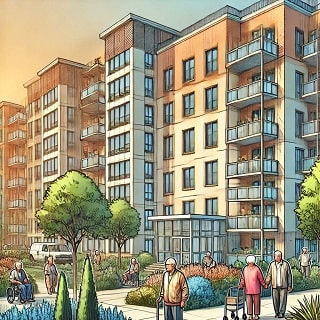


 Weight Training for Seniors: Building Strength and Vitality
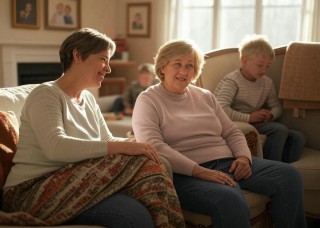 Understanding the Sandwich Generation: Stress and Responsibilities for Multigenerational Caregivers
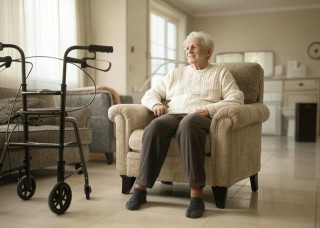 8 Essential Assistive Devices for Older Adults

