For more information about senior living options: (866) 208-4318
4.7 from 31 reviews
5 stars
26
4 stars
3
3 stars
1
2 stars
0
1 stars
1
Overall Review of Clayton Nursing and Rehabilitation
common18 reviews mention this
Staff kindness and responsiveness stand out
Residents and families repeatedly describe staff who are kind, attentive, and quick to help.
A recurring theme in the reviews is how much residentsā€™ family members feel supported by the staff day to day. Multiple reviewers mention friendly, compassionate, and observant care, along with staff answering questions and helping with the paperwork and transitions. Several reviews also highlight specific caregivers being warm and going above expectations.
common7 reviews mention this
Clean, bright environment gets praise
Reviews frequently mention a clean, bright facility and a positive atmosphere.
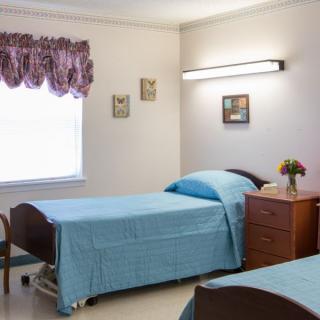
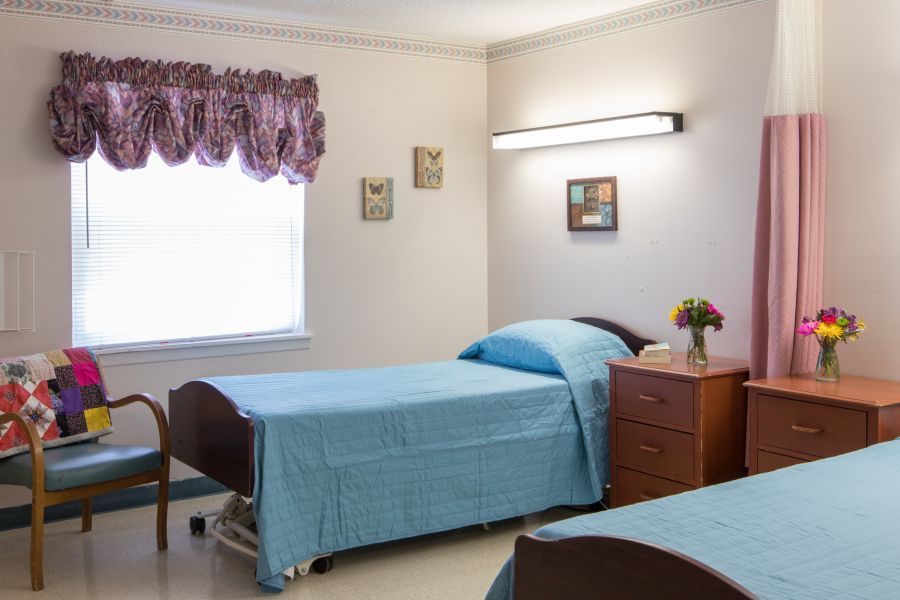
Cleanliness and the overall look of the building come up often. Reviewers describe the facility as clean and non-depressing, with bright rooms and an environment that feels welcoming. One family member specifically notes staff sanitizing and cleaning throughout visits, and another mentions a consistently clean atmosphere for elderly residents.
common2 reviews mention this
Food quality earns consistent comments
Some reviews say the food is enjoyable and the kitchen team is doing well.
Dining shows up in a smaller number of reviews, but when it does, families describe the food positively. One reviewer says the food was good, and another says they saw the kitchen crew and that people seemed to enjoy the meals. The community also offers diabetes-related and special-diet meal support, which aligns with the dietary needs mentioned for dining.
caveat2 reviews mention this
Some care interactions fall short
A few reviews report negative experiences with honesty and day-to-day tech interactions.
While most comments are positive, a small number of reviews raise concerns about how staff treat residents or how the facility handles respect and honesty. One reviewer questions the sincerity behind the high ratings, and another says techs were not rude but were not nice. These comments are outliers compared with the broader feedback on staff support and kindness.
How we summarize
Counts show how many written reviews mention each theme; a review can touch several themes, and only frequently mentioned themes are displayed.
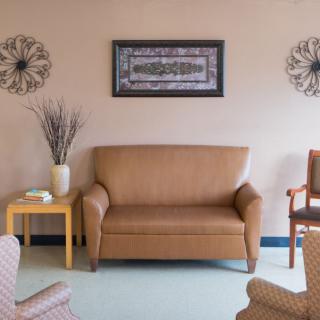
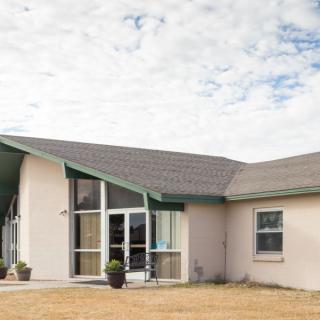
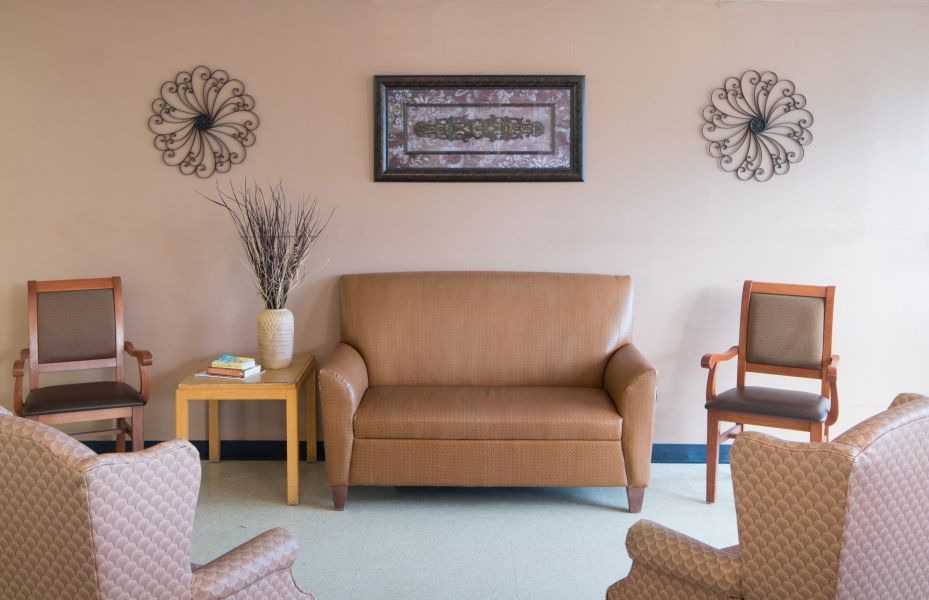
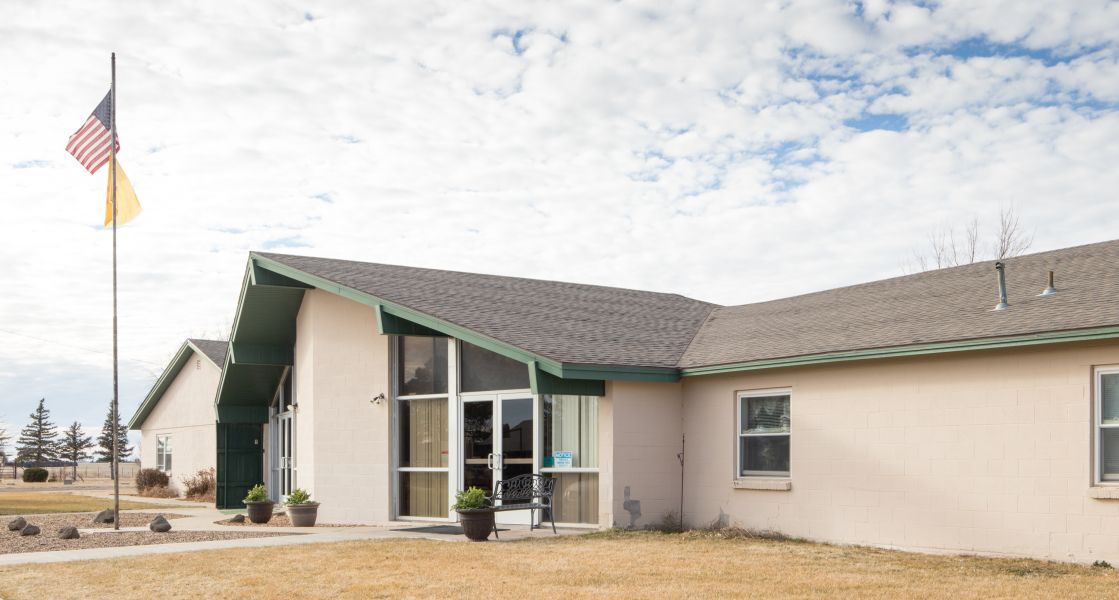
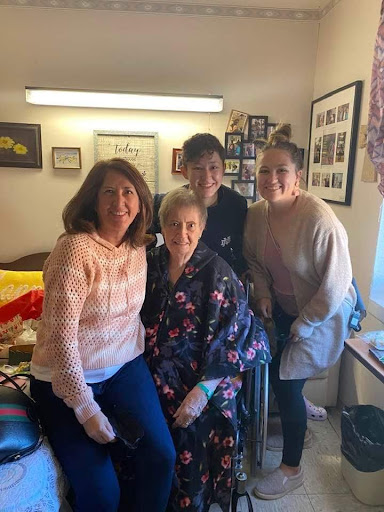
Clayton Nursing and Rehabilitation on seniors.fyi includes 4 photos including images showing interior, architecture, landscaping, bedroom, healthcare, windows, decor, artwork, and more.
Nearby Communities
Union County Gen Hosp
Clayton, NM
2.8 from 18 reviews
Close to Union County Gen Hosp and nearby amenities (cafes, parks, pharmacies, restaurants, worship, theater).
The article highlights nine memory-boosting activities for seniors that enhance cognitive health and social interaction, including puzzles, trivia quizzes, and storytelling, while emphasizing the importance of adapting these activities to individual preferences to maximize enjoyment and engagement. Consistent mental engagement is linked to improved cognitive function and emotional well-being in older adults.
Medicare provides limited coverage for skilled nursing home care, covering full benefits for the first 20 days and partial benefits up to 100 days under certain conditions, after which families must explore alternative funding options like Medicaid or long-term care insurance to manage potentially high costs. Proactive planning is essential to navigate the complexities of financing ongoing care once Medicare coverage ends.
Geriatric care managers create personalized care plans for older adults, addressing their medical, social, financial, and psychological needs while coordinating services and advocating for their well-being. They help families navigate caregiving challenges but may be hindered by high costs and a shortage of qualified professionals.
Get PricingAsk A QuestionSchedule A TourContact Senior Advisor
By clicking submit, you agree to our Partner's Terms of Use. You
also consent to receive calls and texts, which may be autodialed, from our Partner. Your consent is not a condition to
using our Partner's service. Please visit our Partner's Privacy Policy for information about their privacy practices.

 21 resident community capacity
 Skilled Nursing Facility
 Beauty salon
 Cable or satellite TV
 Dining room
 Fully furnished
 Garden
 Housekeeping services
 Kitchenette
 Move-in coordination
 Outdoor space
 Telephone
 Wi-Fi/high-speed internet available
 24-hour call system
 Activities of daily living assistance
 Assistance with bathing
 Assistance with dressing
 Assistance with transfers
 Diabetes diet
 Meal preparation and service
 Medication management
 Mental wellness program
 Special dietary restrictions
 Transportation arrangement (medical)
 Transportation to doctors appointments
 Close to Union County Gen Hosp and nearby amenities (cafes, parks, pharmacies, restaurants, worship, theater).
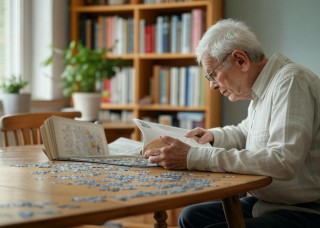 9 Stimulating Memory Activities for Seniors: Puzzles, Cards, and Much More
 Managing Nursing Home Expenses After Medicare Coverage Ends
 Is a Geriatric Care Manager the Right Choice for Your Family?