Manahawkin Conv Center in Manahawkin, NJ

Save

  • Interior

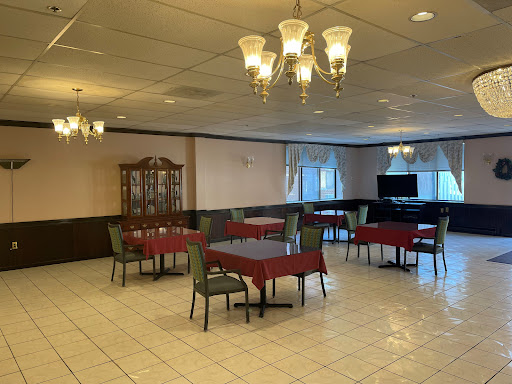
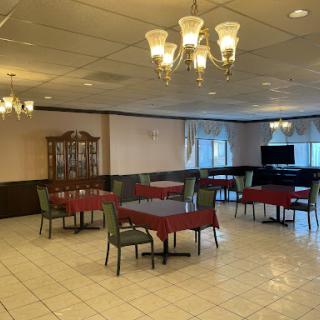
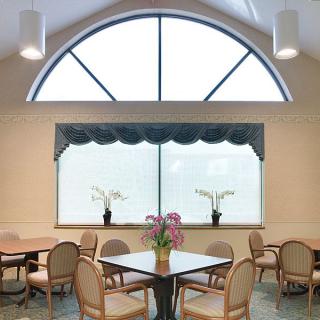
    A spacious dining area with tables set for guests, elegantly adorned with chandeliers and a decorative cabinet.
  • Building

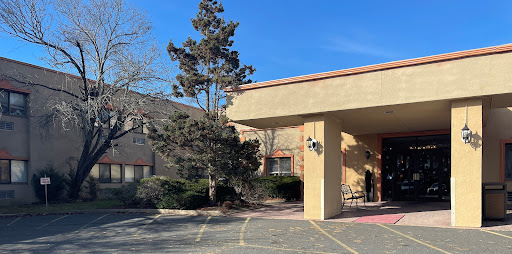
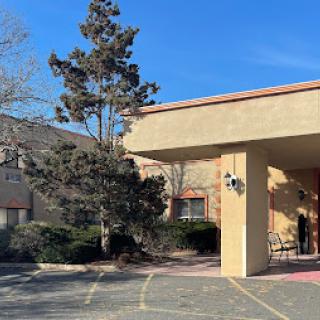
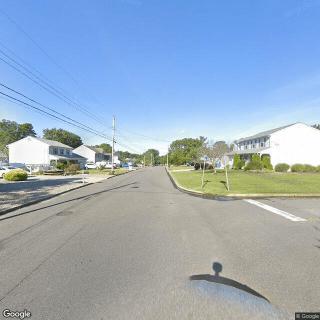
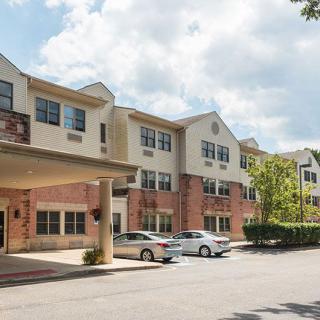
    A view of a building with a tree and clear blue sky.
  • Landscaping

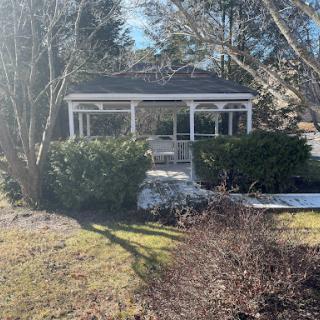
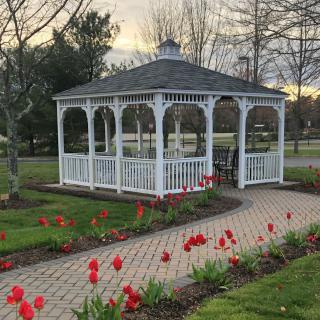
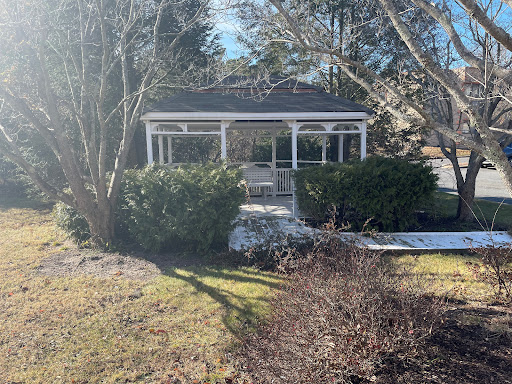
    A charming gazebo surrounded by lush greenery, illuminated by sunlight.
  • Lighting

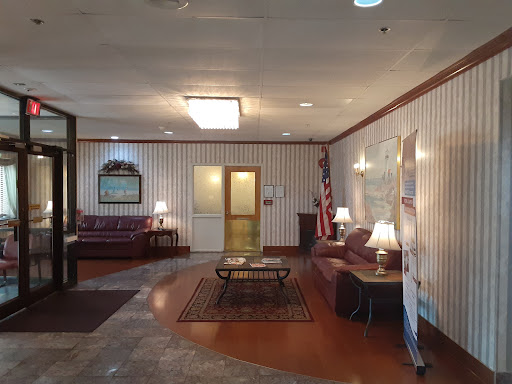
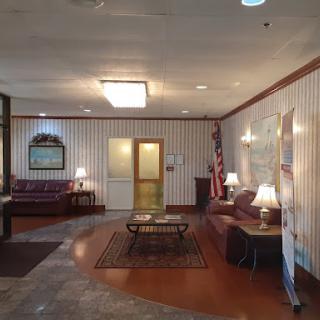
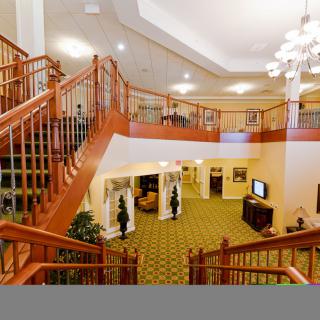
    A cozy and welcoming lobby area with comfortable seating and warm lighting.
  • Exterior

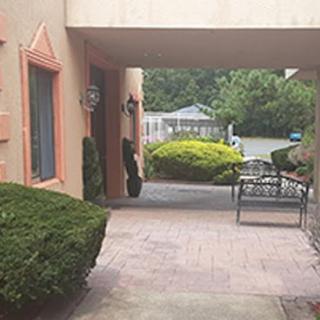
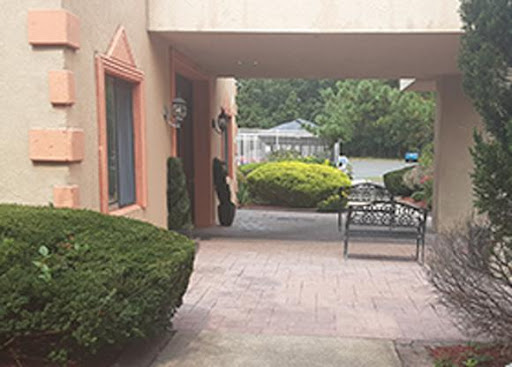
    A view of a pathway leading to a building, featuring well-maintained greenery and a bench.
  • Hallway

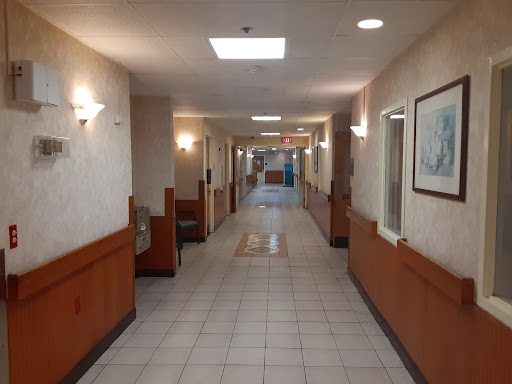
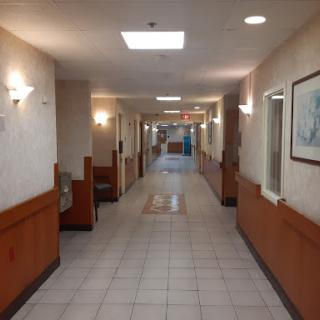
    A well-lit corridor with wooden accents and tiled flooring.
  • Waiting Area

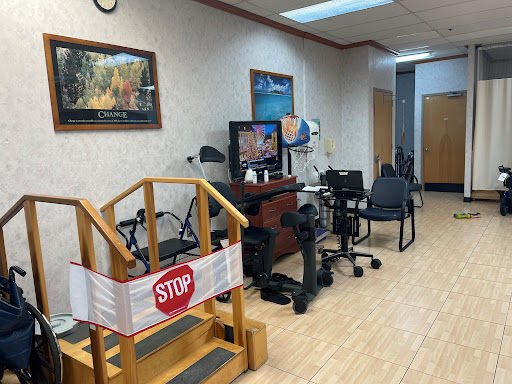
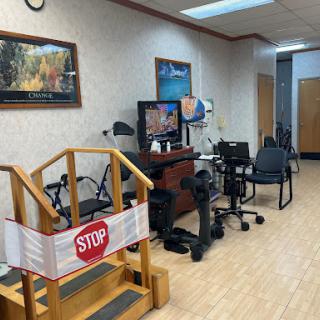
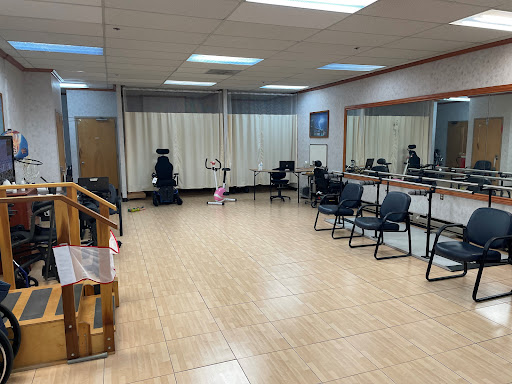
    A rehabilitation center with a stop sign in front of a set of stairs, featuring chairs and medical equipment.
  • Mirrors

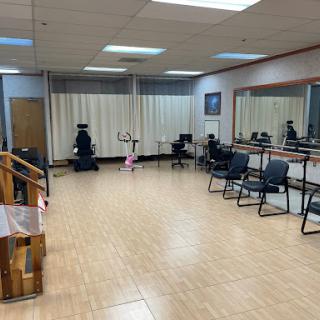
    An empty dance studio featuring mirrors, wooden flooring, and chairs arranged around the space.

Manahawkin Conv Center in Manahawkin, NJ

Information last verified:

1211 Rt 72 West, Manahawkin, NJ 08050

For more information about senior living options: (844) 490-3973

2.8 from 72 reviews
5 stars
28
4 stars
5
3 stars
1
2 stars
0
1 stars
38

Overall Review of Manahawkin Conv Center

Pros

  • pro The staff are described as caring, professional, and genuinely attentive to residents.
  • pro The building is clean and the atmosphere is welcoming.
  • pro The admissions team and front-desk staff are praised for going above and beyond to assist families and visitors.
  • pro CNAs, nurses, and rehab staff are consistently kind, helpful, and quick to respond to needs.
  • pro Administrators and directors, such as Sharon, Monaud, Jessica, and Savannah, are praised for their accessibility and support.
  • pro The therapy and activities teams provide compassionate care and help residents work toward their goals.
  • pro Under new management, the facility is noted for positive vibes and improved care.
  • pro The facility is regarded as a great place with attentive staff and meaningful activities.

Cons

  • pro The facility is described as unsafe, chaotic, and chronically understaffed, with poor communication to families.
  • pro It discharges patients in unsafe conditions, such as sending a family member home in a taxi after a major snowstorm, with no follow-up care or prescriptions.
  • pro Connie in the social work department is described as a nightmare to speak with and is accused of raising her voice at family members.
  • pro Residents experience neglect, ignored call lights, and a lack of dignity and timely medical attention.
  • pro The environment is dirty and unsafe, with roach infestations, mold, and dirty rooms.
  • pro HIPAA violations are reported, with staff openly discussing patients' medical issues in common areas.
  • pro Management is criticized for excuses and lack of accountability; some reviewers call directors unprofessional or dishonest.
  • pro Some reviewers allege that staff prioritize money over patient care and suggest the facility should be condemned.

Review

Best suited for families who need convenient access to care in Manahawkin and who are prepared to supervise and advocate actively on behalf of a loved one. This community can work for residents who respond well to hands-on involvement from family members and a facility that allows staff who truly care to shine in a tougher environment. The strongest advocates report approachable admissions staff and some caregivers who stay engaged with therapy goals and daily needs. But this suitability is tempered by a pattern in reviews that signals inconsistent care quality and episodic safety concerns. In practice, the right fit here hinges on persistent family oversight, clear expectations, and a readiness to switch paths if care gaps emerge.

Alternatives are worth considering for families whose loved one requires steady, predictable, high-touch medical oversight and where transparent communication is non-negotiable. The most serious red flags cited by multiple reviewers, claims of neglect, ignored call lights, unsafe discharges, and persistently poor cleanliness and maintenance, signal that reliability cannot be assumed. For residents with complex medical needs, fragile health, or high fall risk, other facilities with stronger staffing models and more consistent family communication should be weighed first. Even with occasional praise for individual staff members, the overall risk profile makes alternatives a prudent default for those prioritizing safety and predictability.

How the key pros measure against the main cons becomes a practical litmus test. On the plus side, several reviews highlight compassionate frontline staff, including aides and therapists, and note that the location is central and accessible. When family members can rely on floor-level staff who actually listen and respond, those moments of quality care matter deeply for rehab momentum and daily comfort. A few reviewers also point to helpful admissions personnel and administrators who seem approachable, suggesting pockets of strength inside the operation. Yet the persistent drawback is the pattern of understaffing, variable nurse response, and reports of neglect or unsafe conditions. In real terms, the goodwill of some workers does not reliably translate into consistent, safe, or timely care across shifts, which limits the ability to offset major clinical and safety risks.

Cost, billing, and discharge planning emerge as a consequential fault line. Several reviews accuse the facility of billing confusion or questionable charges, accompanied by communication gaps from leadership and administrative staff. Even when staff turnover appears stabilized under new ownership, Champion Care has been cited as improving morale in some accounts, the benefit is not universal across departments or shifts. Discharge planning is repeatedly described as fragmented, leaving families to cobble together home arrangements, equipment, and follow-up care with little guidance. This combination, a fragile financial-handling reputation plus fragile discharge processes, can amplify risk for seniors who rely on coordinated care and timely medication management.

Cleanliness, safety culture, and transparency are intertwined weaknesses that color the decision framework. Reports range from warm, caring interactions in some units to stark accounts of dirt, odors, roaches, mold, or damaged rooms in others. Several families describe communication gaps that hinder understanding of care plans, medications, or what to expect after transfer or discharge. While a portion of reviews remains favorable about staff kindness and some administrators, the negative experiences are pervasive enough to erode confidence in daily operations. For families weighing options, this tension between moments of care and systemic gaps is decisive: when the occasional bright moment cannot be reliably repeated, risk escalates in a setting that houses vulnerable seniors.

A practical decision checklist helps translate these observations into action. Tours should probe nurse-to-patient ratios, peak-hour call-light response times, and the consistency of caregiving across shifts. Inspect rooms for cleanliness, ventilation, and evidence of pest control; ask to see the latest state inspection results and any corrective action plans. Evaluate communication workflows: how quickly family inquiries are answered, who serves as primary liaison, and whether care plans, medication administration records, and incident reports are accessible and current. Seek candid feedback about discharge experiences and the availability of home-health services, as well as any ongoing concerns about safety or infection control. Request recent patient and family references and insist on seeing measurable improvements over time.

Bottom line: this community can work for families willing to provide steady oversight and demand disciplined accountability, but only if sustained improvements become evident across staffing, safety, and communication. For families prioritizing predictable medical oversight, reliable safety culture, and transparent updates, stronger regional options are likely a better long-term fit. The recommended path is to schedule decisive, in-person evaluations with a focus on staffing models, maintenance standards, and discharge processes; insist on specific, trackable assurances before any commitment. If genuine, durable improvements appear, especially in nurse staffing, cleanliness, and proactive family communication, the facility may become a reasonable choice. If not, pivot promptly to facilities with demonstrably stronger patient safety records and care continuity.

Features

Housing

  • 120 resident community capacity 120 resident community capacity

Types of Care

  • Skilled Nursing Facility Skilled Nursing FacilitySkilled Nursing Facilities are crucial for seniors as they provide round-the-clock medical care, rehabilitation services, and assistance with daily activities. These facilities ensure that seniors receive the specialized care they need to maintain their health and well-being as they age.

Amenities

  • Air-conditioning Air-conditioningAir conditioning is important for seniors as they are more vulnerable to heat-related illnesses and may have underlying health conditions that make it difficult for them to regulate their body temperature. It helps to keep them comfortable, safe, and healthy in hot weather.
  • Beauty salon Beauty salonBeauty salons are important for seniors because they provide a space for them to feel pampered, socialize, and maintain their personal grooming and hygiene. Regular visits to a beauty salon can help boost seniors' self-esteem and overall well-being.
  • Cable or satellite TV Cable or satellite TVCable or satellite TV is important for seniors because it provides entertainment, news, and companionship, helping to combat loneliness and boredom. It also offers a wide range of programming options tailored to different interests and preferences.
  • Computer center Computer centerA computer center is essential for seniors as it provides access to technology, communication tools, and resources that can enhance their daily lives. It allows them to stay connected with loved ones, engage in online activities, and learn new skills, ultimately promoting socialization and mental stimulation.
  • Dining room Dining roomDining rooms are important for seniors as they provide a space for socialization, connection, and nutritious meals. They offer opportunities for residents to bond over shared meals, foster a sense of community, and promote healthy eating habits. Dining rooms also ensure that seniors have access to well-balanced meals tailored to their dietary needs and preferences.
  • Fitness room Fitness roomHaving a fitness room in a senior living community is essential for seniors to stay active, maintain their physical health, and improve their overall well-being. Regular exercise can help prevent falls, reduce the risk of chronic diseases, and promote mental sharpness. It also provides social opportunities for residents to connect with others and enjoy a sense of community.
  • Fully furnished Fully furnishedFully furnished senior living communities are important for seniors because they provide convenience, comfort, and a hassle-free moving experience. Seniors can easily settle into their new living space without the stress of having to buy and move furniture. This allows them to focus on enjoying their new home and community.
  • Gaming room Gaming roomGaming rooms are important for seniors as they provide a fun and engaging environment for socializing, cognitive stimulation, and physical activity. Games can improve memory, problem-solving skills, and overall mental well-being while fostering friendships and reducing feelings of isolation.
  • Garden GardenGardens are important for seniors as they provide a peaceful and therapeutic environment for relaxation, physical activity, and socialization. Being in nature has been shown to reduce stress, improve mood, and promote overall well-being. Gardens also offer opportunities for seniors to engage in gardening activities, which can improve mobility, flexibility, and cognitive function. Additionally, gardens create a sense of community and connection with others who share a passion for plants and outdoor spaces.
  • Housekeeping services Housekeeping servicesHousekeeping services are important for seniors because they help maintain a clean and safe living environment, promote independence, and reduce the risk of accidents or illnesses. Additionally, having assistance with household chores can alleviate physical strain and allow seniors to focus on other aspects of their well-being.
  • Kitchenette KitchenetteKitchenettes are important for seniors living in senior living communities because they provide the convenience and independence of being able to prepare simple meals and snacks in the comfort of their own living space. This can help promote a sense of autonomy and well-being for seniors, allowing them to maintain some level of control over their dietary choices and daily routines.
  • Move-in coordination Move-in coordinationMove-in coordination is important for seniors because it helps ease the transition into their new living environment. It ensures that all logistics, such as packing, organizing movers, and setting up utilities are taken care of, allowing seniors to focus on settling in and adjusting to their new home. Having a smooth move-in process can alleviate stress and anxiety, making the transition smoother and more enjoyable for seniors.
  • Outdoor space Outdoor spaceOutdoor spaces are important for seniors as they provide opportunities for physical activity, social interaction, exposure to natural light and fresh air, and a sense of connection to nature. Having access to outdoor spaces can improve overall well-being and quality of life for older adults living in senior communities.
  • Private bathrooms Private bathroomsPrivate bathrooms are important for seniors in senior living communities because they provide independence, dignity, and comfort. Having a private bathroom allows seniors to maintain their personal hygiene routines without the need for assistance, promoting a sense of autonomy and privacy. Additionally, private bathrooms help prevent the spread of infections and provide a safe and clean environment for seniors to navigate safely.
  • Restaurant-style dining Restaurant-style diningRestaurant-style dining is important for seniors because it allows them to enjoy delicious, nutritious meals in a social and upscale setting. This enhances their dining experience, promotes healthy eating habits, and fosters socialization with fellow residents, ultimately contributing to their overall well-being and quality of life.
  • Small library Small librarySmall libraries are important for seniors as they provide access to a variety of reading materials, including books, newspapers, and magazines. This can help stimulate their minds, keep them engaged, and provide a sense of community through book clubs and other social activities. Additionally, reading has been shown to improve cognitive function and overall mental well-being in older adults.
  • Telephone TelephoneTelephones are important for seniors as they provide a lifeline for communication with loved ones, emergency services, and healthcare providers. They offer a sense of security and independence, enabling seniors to stay connected and access assistance when needed.
  • Wellness center Wellness centerWellness centers are important for seniors because they offer a variety of programs and services that promote physical, mental, and emotional well-being. These centers provide opportunities for exercise, socialization, education, and relaxation, helping seniors maintain their overall health and quality of life.
  • Wi-Fi/high-speed internet available Wi-Fi/high-speed internet availableWi-Fi/high-speed internet is important for seniors to stay connected with loved ones, access online resources, and participate in virtual activities to combat feelings of loneliness and isolation. It also allows them to easily manage healthcare needs, access entertainment, and engage in lifelong learning opportunities.

Transportation

  • Atlantic City International (24 miles away) Atlantic City International (24 miles away)
  • Community operated transportation Community operated transportationCommunity operated transportation is crucial for seniors as it provides them with the means to access essential services, social activities, and medical appointments. It allows seniors to maintain their independence and quality of life by ensuring they can participate in activities outside of their homes. Additionally, community-operated transportation services offer a safe and reliable way for seniors to travel without having to rely on family or friends for assistance.
  • Transportation arrangement Transportation arrangementTransportation arrangements are crucial for seniors as they may face challenges with driving, mobility, or access to public transportation. Having reliable transportation services ensures that seniors can easily attend appointments, social activities, and maintain their independence and quality of life.
  • Transportation arrangement (non-medical) Transportation arrangement (non-medical)Transportation arrangements are essential for seniors as they provide access to essential services, activities, and social interactions outside the home. This service helps maintain independence, mobility, and overall well-being for seniors who may have limited transportation options.
  • Transportation to doctors appointments Transportation to doctors appointmentsTransportation to doctors appointments is crucial for seniors as it ensures they have access to necessary medical care and support, promoting their health and well-being. It allows them to receive timely treatment, monitor existing conditions, and address any new health concerns efficiently. Additionally, transportation services can help seniors maintain their independence and quality of life by enabling them to stay connected with their healthcare providers.

Care Services

  • 12-16 hour nursing 12-16 hour nursing12-16 hour nursing care is crucial for seniors in order to ensure around-the-clock monitoring, timely medication administration, and prompt response to any health concerns or emergencies. This level of care helps to promote the overall well-being and safety of seniors living in senior living communities.
  • 24-hour call system 24-hour call system24-hour call systems are important for seniors because they provide peace of mind and immediate assistance in case of emergencies. This technology ensures that help is always available, promoting safety and security for elderly individuals living alone or in assisted living facilities.
  • 24-hour supervision 24-hour supervision24-hour supervision is important for seniors to ensure their safety, well-being, and access to immediate assistance in case of emergencies or health issues. This constant support provides peace of mind for both seniors and their loved ones, allowing them to age in place with dignity and security.
  • Activities of daily living assistance Activities of daily living assistanceActivities of daily living assistance are important for seniors because they provide essential support with tasks such as eating, bathing, dressing, and mobility. This assistance helps seniors maintain their independence, dignity, and overall quality of life as they age.
  • Assistance with bathing Assistance with bathingAssistance with bathing is crucial for seniors as it helps maintain personal hygiene, prevents infections, and ensures their overall well-being and comfort. It also provides a sense of dignity and independence for seniors who may struggle with this task on their own.
  • Assistance with dressing Assistance with dressingAssistance with dressing is important for seniors because it helps maintain their independence, promotes personal hygiene, prevents accidents and injuries, and improves overall quality of life. This service ensures that seniors can continue to dress comfortably and confidently, despite any physical limitations they may have.
  • Assistance with transfers Assistance with transfersAssistance with transfers is crucial for seniors as it helps prevent falls and injuries, maintains their independence, and ensures they can safely navigate their living environment. It also provides peace of mind for both seniors and their loved ones.
  • Diabetes diet Diabetes dietA diabetes diet is crucial for seniors as it helps manage blood sugar levels, reduce risks of complications, and improve overall health and well-being. By following a balanced and nutritious diet tailored to their specific needs, seniors can better control their diabetes and enhance their quality of life.
  • Meal preparation and service Meal preparation and serviceMeal preparation and service are crucial for seniors as they may have limited mobility or energy to cook nutritious meals. Having access to healthy and convenient food options can ensure they are getting the proper nutrition needed to maintain their overall health and well-being.
  • Medication management Medication managementMedication management is crucial for seniors to ensure they are taking the right medications at the correct dosages and times. This helps prevent adverse drug interactions, reduces the risk of medication errors, and promotes overall health and well-being. Proactive management also allows for adjustments as needed based on changing health conditions or new prescriptions.
  • Mental wellness program Mental wellness programMental wellness programs are essential for seniors as they promote cognitive stimulation, emotional support, and social engagement. These programs help prevent isolation, depression, and cognitive decline, ultimately enhancing the overall quality of life for older adults.
  • Special dietary restrictions Special dietary restrictionsSpecial dietary restrictions are important for seniors because age-related changes in metabolism and health conditions can make it difficult for their bodies to process certain foods. By following a diet tailored to their specific needs, seniors can maintain their overall health and well-being, manage chronic conditions, and reduce the risk of complications such as malnutrition or food interactions with medications.

Dining

  • Diabetes diet Diabetes dietA diabetes diet is crucial for seniors as it helps manage blood sugar levels, reduce risks of complications, and improve overall health and well-being. By following a balanced and nutritious diet tailored to their specific needs, seniors can better control their diabetes and enhance their quality of life.
  • Special dietary restrictions Special dietary restrictionsSpecial dietary restrictions are important for seniors because age-related changes in metabolism and health conditions can make it difficult for their bodies to process certain foods. By following a diet tailored to their specific needs, seniors can maintain their overall health and well-being, manage chronic conditions, and reduce the risk of complications such as malnutrition or food interactions with medications.

Activities

  • Community-sponsored activities Community-sponsored activitiesCommunity-sponsored activities are important for seniors as they provide opportunities for social interaction, mental stimulation, and physical activity. These activities can help improve overall well-being, combat loneliness and isolation, and promote a sense of belonging and purpose among older adults.
  • Concierge services Concierge servicesConcierge services are essential for seniors as they provide assistance with daily tasks and errands, enhance their quality of life by offering convenience and personalized care, and promote a sense of safety and security.
  • Fitness programs Fitness programsFitness programs are crucial for seniors as they help improve strength, flexibility, balance, and overall well-being. Staying active can reduce the risk of chronic diseases, improve mental health, and enhance quality of life in older adults.
  • Planned day trips Planned day tripsPlanned day trips are important for seniors because they offer opportunities for socialization, mental stimulation, and physical activity. They provide a change of scenery and help seniors stay engaged and connected to their community, promoting overall well-being and quality of life.
  • Resident-run activities Resident-run activitiesResident-run activities are important for seniors as they encourage social interaction, creativity, and a sense of autonomy. These activities empower seniors to stay engaged and active in their community while fostering meaningful connections with their peers.
  • Scheduled daily activities Scheduled daily activitiesScheduled daily activities are important for seniors because they provide structure, socialization, mental stimulation, and physical activity. Engaging in regular activities can improve overall well-being and quality of life for seniors living in a community setting.

Description

The Manahawkin Conv Center is an assisted living community located in Manahawkin, NJ. This community is designed to provide seniors with a comfortable and fulfilling lifestyle, offering a wide range of amenities and care services.

Residents at the Manahawkin Conv Center can enjoy the convenience of having a beauty salon on-site, allowing them to easily access professional hair and beauty services. They also have access to cable or satellite TV in their fully furnished apartments, ensuring they can stay entertained and connected.

Transportation needs are also taken care of at this community, with community-operated transportation available for residents to use. Whether it's getting to appointments or running errands, transportation arrangements can be made easily. There is also a computer center available for residents who want to stay connected online and keep up with technology.

Meals at the Manahawkin Conv Center are restaurant-style dining experiences, where residents can enjoy delicious meals prepared by skilled chefs. Special dietary restrictions can be accommodated, including diabetes diets.

There are plenty of opportunities for socializing and staying active within the community as well. A fitness room is available for residents who want to stay fit and active. A gaming room provides entertainment options for those who enjoy games like cards or board games. Outdoor spaces and gardens allow residents to enjoy nature and fresh air.

Care services provided at this assisted living community include 24-hour call systems for emergencies, 24-hour supervision to ensure resident safety, assistance with activities of daily living such as bathing and dressing, assistance with transfers for those who may need help moving around, medication management, and mental wellness programs.

Residents at the Manahawkin Conv Center can also take part in a variety of activities both within the community and in the surrounding area. Concierge services are available to assist with planning day trips or finding local attractions. Resident-run activities provide opportunities for social engagement with fellow residents. Scheduled daily activities ensure there is always something for residents to enjoy.

Additionally, the community is conveniently located near several cafes, pharmacies, physicians, restaurants, and hospitals, providing easy access to essential services.

Overall, the Manahawkin Conv Center offers a comfortable and caring environment for seniors to live a fulfilling and engaging lifestyle while receiving the necessary assistance and care.

Nearby Places of Interest

Physicians

  • Erickson Dreizen & Lee Eye Center - Robert E Lee III MD (0.2 miles)
  • Family Medicine Center (0.2 miles)
  • Ocean County Retina Ma (0.2 miles)
  • Southern Ocean Foot (0.2 miles)
  • J B Orthopedics PA (0.2 miles)
  • Orthopaedic Institute Brielle Orthopaedics (0.2 miles)
  • Rizzo Charles C MD (0.2 miles)

Hospitals

  • Hackensack Meridian Health Southern Ocean Medical Center (0.3 miles)
  • Southern Ocean County Hospital (0.3 miles)
  • Southern Regional Hospital (0.3 miles)

Pharmacies

  • Stafford Pharmacy (0.3 miles)
  • Walmart Pharmacy (1.6 miles)
  • CVS Pharmacy (3.2 miles)
  • Walgreens (3.5 miles)
  • CVS Pharmacy (7 miles)
  • Forked River Pharmacy (8.6 miles)
  • Walmart Pharmacy (9 miles)

Restaurants

  • Stafford Diner (0.3 miles)
  • McDonald's (1.2 miles)
  • Element Restaurant & Bar (1.3 miles)
  • Chipotle Mexican Grill (1.4 miles)
  • Wendy's (1.8 miles)
  • Applebee's (2.1 miles)
  • The Mainland Kitchen & Pub (2.3 miles)

Cafes

  • Johnny’s Offshore Cafe (2.4 miles)
  • Sandbox Cafe Surf City (7.8 miles)
  • The Local Market & Kitchen (7.8 miles)
  • How You Brewin Internet Cafe (7.8 miles)
  • Jersey Girl (9.5 miles)
  • Blue Water Cafe (9.6 miles)

Parks

  • John J. Guld Jr Recreation Area & Ball Field (7.6 miles)
  • Sunset Park (8.1 miles)

Frequently Asked Questions

Where is Manahawkin Conv Center?
What photos are available for Manahawkin Conv Center in Manahawkin, New Jersey?

Nearby Communities

  • Manahawkin Nursing & Rehab

    Manahawkin Nursing & Rehab

    Manahawkin, NJ

    2.9 from 68 reviews
     

    pro Improvements noted; accommodating staff and a range of facilities.

  • Brookdale Stafford

    Brookdale Stafford

    Stafford Township, NJ

    4.6 from 62 reviews
     

    pro Memory-care focus with diabetes care and nearby medical services.

  • The Residence at Stafford

    The Residence at Stafford

    Manahawkin, NJ

    4.5 from 101 reviews
    $5,950 to $6,800 / month

    pro Friendly, dedicated staff in a clean, welcoming environment with engaging activities.

  • Southern Ocean Medical Center

    Southern Ocean Medical Center

    Manahawkin, NJ

    3.3 from 110 reviews
     

    pro Small, intimate facility with 24/7 supervision and restaurant-style dining.

  • Southern Ocean Center

    Southern Ocean Center

    Manahawkin, NJ

    4.6 from 104 reviews
    $7,440 to $8,190 / month

    pro Very clean facility with friendly, attentive staff and high-quality care.

  • Dignity in the Golden Years

    Dignity in the Golden Years

    Manahwakin, NJ

    4.5 from 110 reviews
     

    pro Excellent access to healthcare facilities and nearby dining.

  • Paramount Escapes Ocean Breeze

    Paramount Escapes Ocean Breeze

    Manahawkin, NJ

    4.1 from 35 reviews
     

    pro Personalized care with nutritious meals and easy access to healthcare services.

  • The Terraces at Seacrest Village

    The Terraces at Seacrest Village

    Little Egg Harbor Township, NJ

    4.8 from 161 reviews
    $4,260 to $7,300 / month

    pro Caring staff; lively, home-like community with good dining.

  • Spring Oak of Forked River

    Spring Oak of Forked River

    Lanoka Harbor, NJ

    4 from 32 reviews
    $3,200 to $4,385 / month

    pro Friendly staff, clean facility, and engaging activities with good meals.

Related Resources

  • elderly fall preventionComprehensive Insights and Practical Strategies to Help Older Adults Avoid Falls

    The article highlights the high risk of falls among older adults due to factors like muscle weakness, vision issues, and environmental hazards, with one in four experiencing a fall annually. It advocates for a comprehensive prevention approach that includes exercise, home safety modifications, medication management, social support, and caregiver involvement.

  • what does an elder law attorney do6 Crucial Ways an Elder Law Attorney Assists Families

    Elder law attorneys assist older adults and their families with legal matters such as estate planning, Medicaid eligibility, and guardianships, while also providing protection against elder abuse. They help navigate complex regulations to safeguard financial resources, ensure well-being, and maintain autonomy for seniors.

  • tax implications of parent living with youNavigating the Tax Landscape of Caregiving: Credits, Deductions, and Beyond
    Caregiving for an aging parent entails emotional and financial responsibilities accompanied by significant tax implications, including potential benefits from claiming them as dependents and deductions for medical expenses and caregiving costs. Caregivers must understand eligibility requirements, maintain thorough documentation, and consider consulting a tax professional to navigate these complexities effectively.