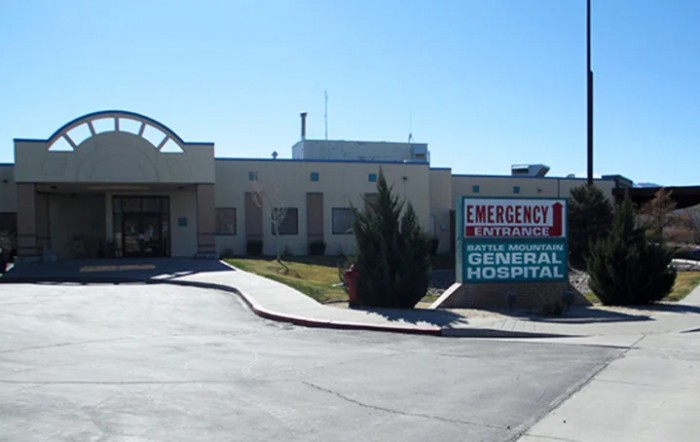
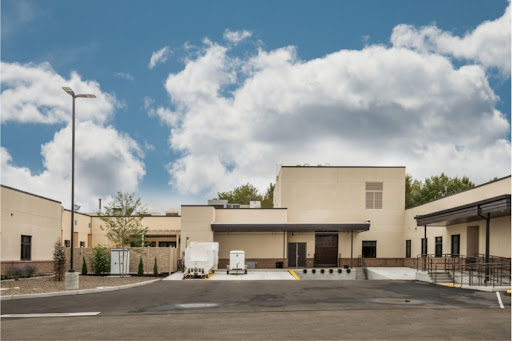
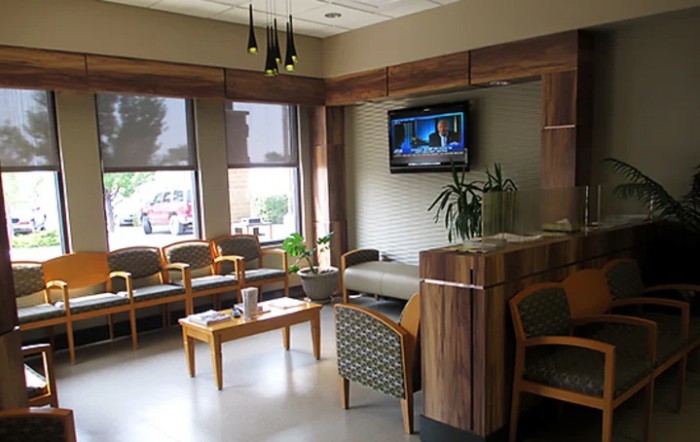
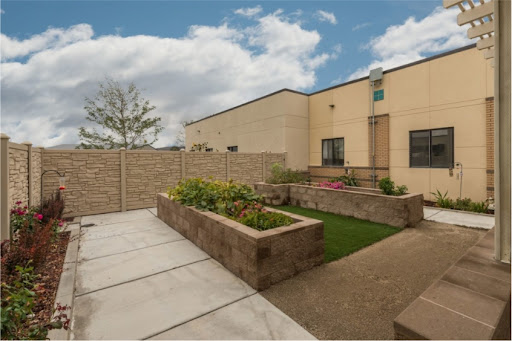
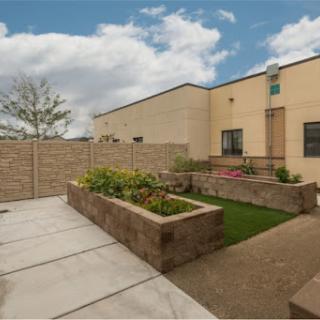
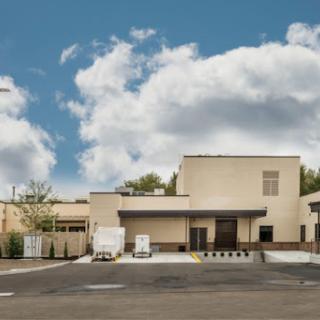
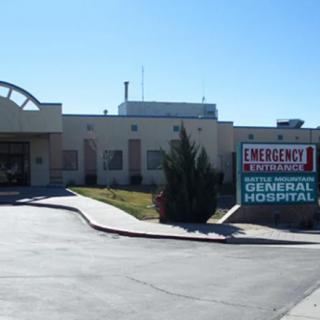
Battle Mountain General Hospital in Battle Mountain, NV

Save
Battle Mountain General Hospital Battle Mountain General Hospital Battle Mountain General Hospital Battle Mountain General Hospital

Battle Mountain General Hospital in Battle Mountain, NV

Information last verified:

535 South Humboldt Street, Battle Mountain, NV 89820

For more information about senior living options: (844) 490-3973

3.1 from 29 reviews
5 stars
13
4 stars
2
3 stars
1
2 stars
2
1 stars
11

Overall Review of Battle Mountain General Hospital

Pros

  • pro Cayla Hill and Bree Brown are two of the most amazing people in medical care, delivering top-notch professionalism and patient-focused support.
  • pro Dr. Hansen in the ER has an amazing bedside manner and is kind and caring.
  • pro Claudia is thorough and maintains a great positive attitude.
  • pro The ER staff are super friendly, seen quickly, and are kind and caring.
  • pro Richard provided helpful MRI service and had a great personality, which eased anxiety.
  • pro Nurse Erin was spectacular, kind, and genuinely cared for patients.
  • pro Phlebotomist Claudine was outstanding.
  • pro Dr. Maltinski and his staff are incredibly caring.
  • pro Clinic receptionists are friendly and efficient.

Cons

  • pro The hospital is one of the worst the reviewer has ever been to in 30 years; the doctor was completely useless and it should not be recommended to anyone.
  • pro The hospital comes across as petty and money-driven, even sending people to small-claims court over less than $200, which the reviewer finds disgusting.
  • pro The staff are incompetent, leaving the patient in extreme pain and offering minimal testing or relief beyond basic pain meds.
  • pro The institution treats patients with disrespect and humiliation, and the reviewer plans to escalate the issue to the CEO.
  • pro The majority of staff are unprofessional and uncaring about patients, so the reviewer would rather drive to Elko to avoid them.
  • pro Clinic personnel never answer the phone, leaving callers stuck on hold with no timely assistance.

Review

Battle Mountain General Hospital in Battle Mountain, NV, is best suited for local seniors and families seeking immediate access to acute care within a compact, community-focused hospital. The campus delivers an emergency department, imaging, and a connected clinic pathway that can simplify the care journey for older adults who prefer not to travel far for urgent needs. In practical terms, the strongest case for Battle Mountain rests on rapid ER evaluation, hands-on bedside care from clinicians who remember patients, and the convenience of embedded clinics that streamline follow-up. The setting supports a calmer, smaller-team vibe: relationship-building with staff, predictable routines, and a sense that familiarity matters when health concerns are pressing. For those who prize accessibility and personal attention over sprawling hospital corridors, Battle Mountain’s model can be a genuine asset.

Yet this community is less ideal for seniors who require highly specialized geriatric programs, complex medical decisions, or consistently seamless administrative experiences. Several reviews surface concerns about variability in care across departments, with some encounters described as disrespectful or disorganized. Billing and financial interactions emerge as a recurring friction point, including unclear charges and aggressive collection talk in some cases. The reality of limited ultrasound capacity and older equipment in parts of the facility also matters, especially for ongoing diagnostics. When care demands are multi-faceted, or when the burden is on planning and coordination rather than acute episodes, these gaps become meaningful drawbacks. In short, alternatives with broader resources or stronger administrative reliability should be on the radar.

On the flip side, the facility earns credibility through standout performers who can redefine a patient’s experience in a crisis. Multiple reviews highlight Cayla Hill and Bree Brown as professional, patient, and relentlessly capable, exemplifying what top-tier hospital service looks like in a small community. The ER physician who can anticipate problems, often cited as exceptionally competent with excellent bedside manner, can pivot a scary visit toward clarity. MRI staff and phlebotomists emerge as allies who reduce anxiety and improve the overall process. When a patient lands in the care of Ashley, Erin, or Dr. Maltinski, the impression is of a team that communicates, follows through, and treats the patient with genuine warmth. Even the clinic staff, when accessible, contributes to a smoother, more reliable care path.

However, the favorable experiences are not universal, and several reviews reveal a harsher reality. Comments ranging from "one of the worst hospitals" to "incompetent" doctors cannot be dismissed, and they point to a spectrum of performance that can leave families hesitant. Administrative mismatches, like unanswered clinic phone lines, long waits for results, and reports of disrespectful treatment, underscore that not every patient interaction meets the same standard. A handful of patients describe dated equipment and gaps in diagnostic capability, which can complicate decision-making for urgent or complex conditions. The financial dimension also surfaces repeatedly, with concerns about bills, debt collection, and what feels like a priority on revenue over patient experience. Taken together, these risks temper the otherwise favorable anecdotes.

Those who navigate Battle Mountain with clear expectations will find the positive elements partially offsetting the negatives. In emergencies, the presence of a capable ER team and decisive clinicians can be life-changing, and the convenience of attached clinic visits reduces the friction of scheduling follow-up care. The intimate, low-to-mid turnover environment can translate into more consistent, personable care in certain departments, which is especially valuable for seniors who fear disempowerment in healthcare settings. Yet the gaps in billing transparency, communication, and equipment readiness mean that a solution built on trust and predictability remains only partially realized. The facility works best when families prioritize direct recommendations about the specific care teams they will encounter and prepare for variable administrative experiences.

Bottom-line guidance: treat Battle Mountain General Hospital as a practical choice for urgent care with specific clinicians who have proven their mettle, rather than as a comprehensive long-term care solution. Before any visit, identify the most trusted providers and request initial introductions to those care teams; insist on itemized billing and access to a patient advocate if finances loom large. For seniors with ongoing needs, map out a plan that includes potential referrals to larger regional facilities should special diagnostics or complex care be required. Tour the campus, ask about imaging capabilities, and verify appointment responsiveness at the attached clinic. By anchoring expectations to department-level strengths while acknowledging administrative and equipment gaps, families can decide whether Battle Mountain fits their particular balance of immediacy, warmth, and reliability.

Features

Housing

  • 25 resident community capacity 25 resident community capacity

Types of Care

  • Skilled Nursing Facility Skilled Nursing FacilitySkilled Nursing Facilities are crucial for seniors as they provide round-the-clock medical care, rehabilitation services, and assistance with daily activities. These facilities ensure that seniors receive the specialized care they need to maintain their health and well-being as they age.

Amenities

  • Beauty salon Beauty salonBeauty salons are important for seniors because they provide a space for them to feel pampered, socialize, and maintain their personal grooming and hygiene. Regular visits to a beauty salon can help boost seniors' self-esteem and overall well-being.
  • Cable or satellite TV Cable or satellite TVCable or satellite TV is important for seniors because it provides entertainment, news, and companionship, helping to combat loneliness and boredom. It also offers a wide range of programming options tailored to different interests and preferences.
  • Dining room Dining roomDining rooms are important for seniors as they provide a space for socialization, connection, and nutritious meals. They offer opportunities for residents to bond over shared meals, foster a sense of community, and promote healthy eating habits. Dining rooms also ensure that seniors have access to well-balanced meals tailored to their dietary needs and preferences.
  • Fully furnished Fully furnishedFully furnished senior living communities are important for seniors because they provide convenience, comfort, and a hassle-free moving experience. Seniors can easily settle into their new living space without the stress of having to buy and move furniture. This allows them to focus on enjoying their new home and community.
  • Garden GardenGardens are important for seniors as they provide a peaceful and therapeutic environment for relaxation, physical activity, and socialization. Being in nature has been shown to reduce stress, improve mood, and promote overall well-being. Gardens also offer opportunities for seniors to engage in gardening activities, which can improve mobility, flexibility, and cognitive function. Additionally, gardens create a sense of community and connection with others who share a passion for plants and outdoor spaces.
  • Housekeeping services Housekeeping servicesHousekeeping services are important for seniors because they help maintain a clean and safe living environment, promote independence, and reduce the risk of accidents or illnesses. Additionally, having assistance with household chores can alleviate physical strain and allow seniors to focus on other aspects of their well-being.
  • Kitchenette KitchenetteKitchenettes are important for seniors living in senior living communities because they provide the convenience and independence of being able to prepare simple meals and snacks in the comfort of their own living space. This can help promote a sense of autonomy and well-being for seniors, allowing them to maintain some level of control over their dietary choices and daily routines.
  • Move-in coordination Move-in coordinationMove-in coordination is important for seniors because it helps ease the transition into their new living environment. It ensures that all logistics, such as packing, organizing movers, and setting up utilities are taken care of, allowing seniors to focus on settling in and adjusting to their new home. Having a smooth move-in process can alleviate stress and anxiety, making the transition smoother and more enjoyable for seniors.
  • Outdoor space Outdoor spaceOutdoor spaces are important for seniors as they provide opportunities for physical activity, social interaction, exposure to natural light and fresh air, and a sense of connection to nature. Having access to outdoor spaces can improve overall well-being and quality of life for older adults living in senior communities.
  • Restaurant-style dining Restaurant-style diningRestaurant-style dining is important for seniors because it allows them to enjoy delicious, nutritious meals in a social and upscale setting. This enhances their dining experience, promotes healthy eating habits, and fosters socialization with fellow residents, ultimately contributing to their overall well-being and quality of life.
  • Small library Small librarySmall libraries are important for seniors as they provide access to a variety of reading materials, including books, newspapers, and magazines. This can help stimulate their minds, keep them engaged, and provide a sense of community through book clubs and other social activities. Additionally, reading has been shown to improve cognitive function and overall mental well-being in older adults.
  • Telephone TelephoneTelephones are important for seniors as they provide a lifeline for communication with loved ones, emergency services, and healthcare providers. They offer a sense of security and independence, enabling seniors to stay connected and access assistance when needed.
  • Wi-Fi/high-speed internet available Wi-Fi/high-speed internet availableWi-Fi/high-speed internet is important for seniors to stay connected with loved ones, access online resources, and participate in virtual activities to combat feelings of loneliness and isolation. It also allows them to easily manage healthcare needs, access entertainment, and engage in lifelong learning opportunities.

Care Services

  • 24-hour call system 24-hour call system24-hour call systems are important for seniors because they provide peace of mind and immediate assistance in case of emergencies. This technology ensures that help is always available, promoting safety and security for elderly individuals living alone or in assisted living facilities.
  • 24-hour supervision 24-hour supervision24-hour supervision is important for seniors to ensure their safety, well-being, and access to immediate assistance in case of emergencies or health issues. This constant support provides peace of mind for both seniors and their loved ones, allowing them to age in place with dignity and security.
  • Activities of daily living assistance Activities of daily living assistanceActivities of daily living assistance are important for seniors because they provide essential support with tasks such as eating, bathing, dressing, and mobility. This assistance helps seniors maintain their independence, dignity, and overall quality of life as they age.
  • Assistance with bathing Assistance with bathingAssistance with bathing is crucial for seniors as it helps maintain personal hygiene, prevents infections, and ensures their overall well-being and comfort. It also provides a sense of dignity and independence for seniors who may struggle with this task on their own.
  • Assistance with dressing Assistance with dressingAssistance with dressing is important for seniors because it helps maintain their independence, promotes personal hygiene, prevents accidents and injuries, and improves overall quality of life. This service ensures that seniors can continue to dress comfortably and confidently, despite any physical limitations they may have.
  • Assistance with transfers Assistance with transfersAssistance with transfers is crucial for seniors as it helps prevent falls and injuries, maintains their independence, and ensures they can safely navigate their living environment. It also provides peace of mind for both seniors and their loved ones.
  • Diabetes diet Diabetes dietA diabetes diet is crucial for seniors as it helps manage blood sugar levels, reduce risks of complications, and improve overall health and well-being. By following a balanced and nutritious diet tailored to their specific needs, seniors can better control their diabetes and enhance their quality of life.
  • Meal preparation and service Meal preparation and serviceMeal preparation and service are crucial for seniors as they may have limited mobility or energy to cook nutritious meals. Having access to healthy and convenient food options can ensure they are getting the proper nutrition needed to maintain their overall health and well-being.
  • Medication management Medication managementMedication management is crucial for seniors to ensure they are taking the right medications at the correct dosages and times. This helps prevent adverse drug interactions, reduces the risk of medication errors, and promotes overall health and well-being. Proactive management also allows for adjustments as needed based on changing health conditions or new prescriptions.
  • Mental wellness program Mental wellness programMental wellness programs are essential for seniors as they promote cognitive stimulation, emotional support, and social engagement. These programs help prevent isolation, depression, and cognitive decline, ultimately enhancing the overall quality of life for older adults.
  • Special dietary restrictions Special dietary restrictionsSpecial dietary restrictions are important for seniors because age-related changes in metabolism and health conditions can make it difficult for their bodies to process certain foods. By following a diet tailored to their specific needs, seniors can maintain their overall health and well-being, manage chronic conditions, and reduce the risk of complications such as malnutrition or food interactions with medications.
Dining

  • Diabetes diet Diabetes dietA diabetes diet is crucial for seniors as it helps manage blood sugar levels, reduce risks of complications, and improve overall health and well-being. By following a balanced and nutritious diet tailored to their specific needs, seniors can better control their diabetes and enhance their quality of life.
  • Special dietary restrictions Special dietary restrictionsSpecial dietary restrictions are important for seniors because age-related changes in metabolism and health conditions can make it difficult for their bodies to process certain foods. By following a diet tailored to their specific needs, seniors can maintain their overall health and well-being, manage chronic conditions, and reduce the risk of complications such as malnutrition or food interactions with medications.

Activities

  • Community-sponsored activities Community-sponsored activitiesCommunity-sponsored activities are important for seniors as they provide opportunities for social interaction, mental stimulation, and physical activity. These activities can help improve overall well-being, combat loneliness and isolation, and promote a sense of belonging and purpose among older adults.
  • Resident-run activities Resident-run activitiesResident-run activities are important for seniors as they encourage social interaction, creativity, and a sense of autonomy. These activities empower seniors to stay engaged and active in their community while fostering meaningful connections with their peers.
  • Scheduled daily activities Scheduled daily activitiesScheduled daily activities are important for seniors because they provide structure, socialization, mental stimulation, and physical activity. Engaging in regular activities can improve overall well-being and quality of life for seniors living in a community setting.

Description

Battle Mountain General Hospital in Battle Mountain, NV is a well-equipped assisted living community that offers a variety of amenities and care services to ensure the comfort and well-being of its residents. The community provides fully furnished accommodations with cable or satellite TV, Wi-Fi/high-speed internet, and a small library for entertainment and relaxation. Each resident has access to a kitchenette for those who prefer to cook their meals.

Residents can enjoy delicious meals at the restaurant-style dining room where special dietary restrictions are taken into consideration. Housekeeping services are provided regularly to maintain cleanliness and tidiness throughout the community. The outdoor spaces and garden offer opportunities to relax, unwind, or engage in outdoor activities.

The caring staff members at Battle Mountain General Hospital provide 24-hour supervision and assistance with various daily living activities, including bathing, dressing, transfers, and meal preparation. Medication management is also available to ensure that residents receive their prescribed medication on time. A mental wellness program is offered to support the emotional well-being of residents.

In terms of location, the community is conveniently surrounded by various amenities such as cafes, parks, restaurants, transportation options, places of worship, and physicians' offices. This ensures easy access to additional services and opportunities for socialization and engagement within the local community.

Battle Mountain General Hospital's commitment to providing comprehensive care services combined with its range of amenities makes it an ideal choice for individuals seeking comfortable assisted living in Battle Mountain, NV.

Nearby Places of Interest

Hospitals

  • Battle Mountain General Hospital (0 miles)

Physicians

  • Battle Mountain Clinic (0.1 miles)

Places of Worship

  • New Hope Foursquare Church (0.1 miles)
  • Church of Christ (0.2 miles)
  • Grace Orthodox Presbyterian Church (0.2 miles)
  • New Beginnings Fellowship (0.2 miles)
  • Battle Mountain Assembly (0.2 miles)
  • Assembly Of God Church (0.2 miles)
  • Church of Jesus Christ of Latter Day Saints (0.2 miles)

Restaurants

  • Subway (0.1 miles)
  • Port Of Subs (0.2 miles)
  • Overtime Sports Bar & Grill (0.2 miles)
  • Hide-A-Way Steakhouse (0.2 miles)
  • McDonald's (0.3 miles)
  • Ming Garden Chinese Restaurant (0.4 miles)
  • El Aguila Real (0.4 miles)

Cafes

  • Bakker's Brew (0.2 miles)

Parks

  • Park by the Municipal Pool (0.3 miles)

Transportation

  • Harless Aircraft Services (0.5 miles)
  • Battle Mountain Airport (BAM) (0.5 miles)
  • U-Haul Neighborhood Dealer (0.7 miles)
  • Battle Mountain Airport (4.4 miles)

Frequently Asked Questions

Where is Battle Mountain General Hospital?
What photos are available for Battle Mountain General Hospital in Battle Mountain, Nevada?

Related Resources

  • best car for seniorsTop Cars for Senior Drivers and Essential Safety Innovations

    Senior drivers prioritize comfort, safety, and ease of use in vehicles due to age-related challenges, seeking features like easy entry, clear visibility, and modern driver-assistance technologies. Recommended models include the Subaru Forester, Honda CR-V, and Toyota Camry, with emphasis on test-driving for personal comfort and evaluating crash-test ratings alongside insurance considerations.

  • private pay home careA Closer Look at Private Pay Home Care

    Private pay home care offers a flexible caregiving option for older adults and families who don't qualify for government programs, allowing them to directly fund in-home care services that range from daily assistance to specialized support. This model's customization potential enables aging in place while addressing financial considerations through strategic planning options, though clients must navigate marketplace challenges and ensure quality compliance.

  • what to do for arthritisComprehensive Approaches for Arthritis: A Detailed Guide to Symptoms, Causes, and Care
    Arthritis encompasses over 100 joint disorders affecting people of all ages, leading to symptoms like pain and stiffness that impair mobility and quality of life. Effective management involves early diagnosis, lifestyle changes, medical treatments, emotional support, and ongoing monitoring with healthcare professionals.