
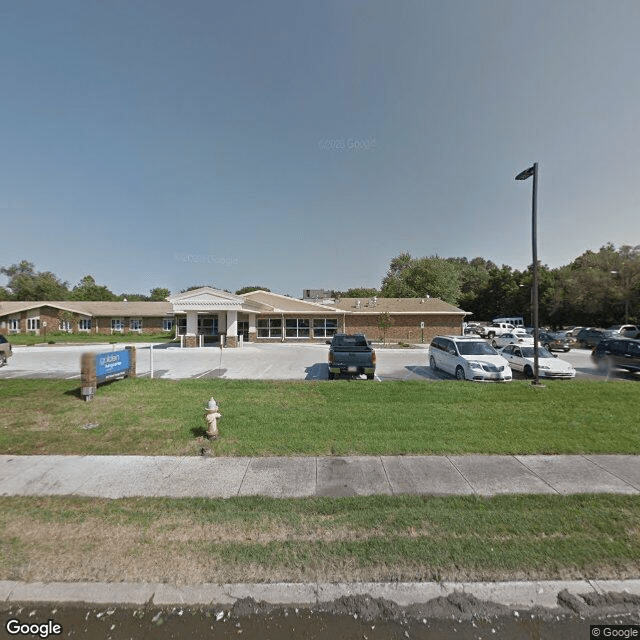
300 West Meigs, Valley, NE 68064
To contact a resident: (402) 359-2533
For more information about senior living options: (866) 208-4318
Golden Living Center Valley Costs & Pricing
Golden Living Center Valley offers semi-private rooms at a monthly cost of $4,770. This price reflects a higher rate compared to the average for Washington County, which stands at $4,010, and the state average for Nebraska, recorded at $4,123. The premium associated with Golden Living Center Valley may be indicative of enhanced services or amenities provided by the facility. Potential residents and their families should weigh these costs against the level of care and quality of life offered when considering options for long-term care in this region.
| Floor plans | Golden Living Center Valley | Washington County | Nebraska |
|---|---|---|---|
| Semi-Private | $4,770 | $4,010 | $4,123 |
Skilled Nursing Facilities with a similar price nearby
-
from -$775 / mo
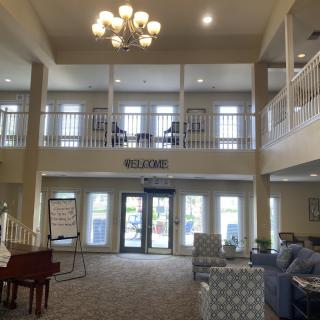
Bailey Pointe at Miracle Hills
$3,995 to $5,160 / month13.4 miles away -
from -$395 / mo
Edgewood Vista Omaha
$4,375 to $4,975 / month9.3 miles away -
from +$600 / mo
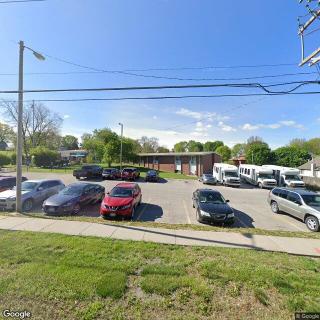
Emerald Nursing & Rehab Omaha
$5,370 / month19.1 miles away -
from -$675 / mo
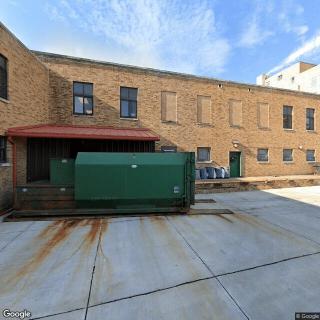
Douglas County Health Center
$4,095 to $4,295 / month20.0 miles away -
from +$480 / mo
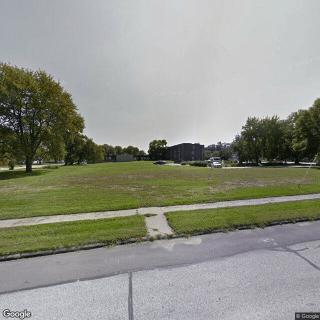
Florence Home Healthcare Center
$5,250 / month20.5 miles away
Overall Review of Golden Living Center Valley
Pros
 The facility is small and family-oriented.
- Every resident and their family is treated like family by the team.
- The care is top notch.
- The staff provide quality care.
- Residents are out of their rooms and engaging with other residents.
- It is a great place with friendly, caring staff.
Review
This community is best suited for families seeking a small, home‑like environment where residents are known by name and care feels highly personal. Golden Living Center Valley cultivates a family‑oriented culture, with staff who treat residents and their loved ones as partners in care. The setting sits just outside Omaha, offering a quieter, intimate atmosphere while staying convenient for visits and local appointments. Residents appear engaged, not parked in rooms, with ongoing opportunities to mingle and participate in activities. For seniors who value daily social interaction and predictable routines within a close-knit community, this is a strong match.
That said, this setting may not be right for everyone. Families needing hospital‑level medical oversight, extensive rehabilitation programs, or highly specialized memory‑care services may want alternatives. The small scale inherently limits on‑site rehab options, the breadth of therapies, and the variety of specialized units or amenities. If a broader activity calendar, multiple dining venues, or expansive common spaces are priorities, a larger campus could be preferable. In short, the community excels in warmth and connection, but it won’t replicate the footprint or clinical breadth of bigger facilities.
The strongest pros operate in concert with the core size and tone of the place. The staff quality stands out, consistently described as attentive and capable, delivering care that feels precise and compassionate. The small size enhances this care, because residents are not lost in the shuffle; team members know personalities, routines, and preferences, and they respond with immediacy. The social fabric is equally compelling: residents are frequently out of their rooms, interacting with peers, participating in activities, and enjoying a sense of belonging. These elements together create a protective layer against isolation and decline, offsetting some of the limitations a smaller campus imposes on services.
Decision‑makers should weigh these strengths against practical realities. For families who prize intimate oversight, steady companionship, and a warm daily rhythm, this valley community offers genuine value. It is less compelling for those who expect a bustling campus with abundant amenities, a wide range of therapeutic modalities, or a large network of specialists on site. If memory care needs are central, or if rapid access to diverse rehab plus advanced medical equipment matters, alternatives with broader service lines may be more appropriate. The right choice hinges on aligning care intensity and social priorities with what the community naturally delivers.
When evaluating, prospective residents and their families should ask pointed questions to confirm fit. Inquire about the staff‑to‑resident ratio across shifts, and whether care teams specialize in memory care or complex medical needs. Probe the availability and scheduling of therapies (physical, occupational, speech), and whether rehab services are included or require external partnerships. Explore the activity calendar for breadth and consistency, and verify dining options, meal quality, and resident meal preferences. Finally, clarify visiting policies, transparency of care plans, and the process for adjusting care as needs evolve. These details illuminate whether the warmth translates into sustainable, comprehensive support.
In sum, Golden Living Center Valley presents a compelling option for families seeking a tightly knit, person‑centered living experience near Omaha. The combination of a small, family‑oriented atmosphere with genuinely dedicated staff yields care that feels personal, responsive, and socially rich. For seniors whose priorities are companionship and attentive, visible care, this setting can be a standout choice. Those requiring expansive medical services, large‑campus amenities, or specialized memory or rehab programs should consider alternatives that match those needs more directly. The decision rests on balancing intimate care and community warmth against the breadth of services and scale that only a larger facility can deliver.
 Skilled Nursing Facility
 Eppley Airfield (24 miles away)

 Understanding the Full Cost of 24/7 In-Home Care: A Detailed Overview
 Exploring the World of Home Health Nurses: Qualifications, Roles, and Hiring Tips
 Navigating Medicare Coverage for In-Home Care Services