
1720 North Spruce, Ogallala, NE 69153
For more information about senior living options: (866) 208-4318
Overall Review of Indian Hills Manor
Pros
 Augustine’s review is 100% on par.
- The bigger city will provide legitimate and loving care for loved ones.
- Her mother is able to speak for herself.
Cons
 The reviewer notes that hygiene protocols have not changed in almost two years, implying ongoing neglect of cleanliness.
- The understaffing issue prevents residents from getting the exercise they need to prevent health problems like blood clots.
- The reviews describe neglect and poor or pathetic care/management, including a 16-day wait for a bath after arrival.
- Showers have been reduced from twice a week to once a week due to COVID/short staffing, which the reviewer finds repulsive.
- The reviewer fears for other residents who cannot advocate for themselves and do not receive the help they need.
- The reviewer warns that if someone wants their loved one neglected, this is the place.
- The reviewer reports contacting administration, the compliance line, a parent company, and a state neglect hotline, signaling serious accountability concerns.
Review
Indian Hills Manor in Ogallala, Nebraska, is best suited for families that can commit to vigilant, hands-on oversight and are prepared to act quickly whenever concerns arise. The small-town setting appears to demand active involvement rather than passive reliance on staff. In practice, the care picture is marred by persistent staffing shortages and inconsistent daily routines, which translate into real risks for residents. This is not a place that can be trusted to deliver reliable basic care without relentless family escalation. For families seeking a framework in which oversight is part of the care plan rather than an optional add-on, Indian Hills represents a stark reminder that accountability cannot be assumed.
Those weighing alternatives should consider other options for loved ones who require steady, timely personal care and regular hygiene. The reviews repeatedly flag neglect risks: long delays for baths, sparse showers, and underperforming daily routines. When mobility or exercise needs exist, as a guard against complications like blood clots, the understaffing becomes an acute safety issue. Families with members who cannot reliably advocate for themselves should look elsewhere toward facilities with demonstrable staffing levels and proactive care. A move to a larger city or a facility with stronger accountability may be warranted for peace of mind and basic safety.
Main cons dominate every assessment: chronic understaffing, delayed and inconsistent personal care, and a governance atmosphere that appears reactive rather than preventive. The most distressing anecdotes describe a 16-day gap before a first bath and a dramatic drop in hygiene frequency. Even routine tasks like showering get shuffled, with staff repeatedly promising action that never materializes until external intervention triggers a response. Such patterns erode trust, elevate risk of skin issues and infections, and contribute to cardiovascular or mobility-related complications tied to reduced activity, creating an environment where residents may suffer in silence.
Evidence of a potential offset is limited to the existence of a complaint channel and some administrative processes. While a progress meeting with social services reportedly prompted prompt action, this is a reactive safeguard rather than a built-in strength. In practical terms, this means the facility tolerates a two-tier experience: acceptable when monitored by outsiders, precarious when oversight is absent. Prospects for improvement rely on sustained advocacy from family members and external regulators, not internal momentum or consistent staff ownership of resident well-being.
Families considering Indian Hills should deploy a concrete plan: visit with a watchful eye for daily routines and instruction compliance; request individualized care plans with explicit bathing and hygiene schedules; insist on a documented, prompt response time for personal care tasks; keep a detailed log of incidents and communications; and engage state or regulatory channels if neglect recurs. Compare what is observed against other communities in the region that demonstrate stable staffing, proactive activity programs, and transparent caregiving standards. A transition plan should be in place should care gaps widen, with a shortlist of preferred alternatives ready for rapid deployment.
Bottom line: Indian Hills Manor is not a confident long-term choice for families prioritizing dependable personal care and consistent hygiene. The prevailing consensus from reviews is that staffing shortages and care delays overshadow any potential benefits of the setting. For families unwilling to fight for basic needs and unable to overlook early signs of neglect, alternatives in larger cities or facilities with proven staffing adequacy are strongly advised. If choosing Indian Hills, proceed with stringent monitoring, explicit care commitments, and a readiness to move when care quality fails to rise to acceptable standards.
 82 resident community capacity
 Skilled Nursing Facility
 Air-conditioning
 Beauty salon
 Cable or satellite TV
 Computer center
 Dining room
 Fitness room
 Fully furnished
 Gaming room
 Garden
 Housekeeping services
 Kitchenette
 Move-in coordination
 Outdoor space
 Private bathrooms
 Restaurant-style dining
 Small library
 Telephone
 Wellness center
 Wi-Fi/high-speed internet available
 Community operated transportation
 12-16 hour nursing
 24-hour call system
 Activities of daily living assistance
 Assistance with bathing
 Assistance with dressing
 Assistance with transfers
 Diabetes diet
 Medication management
 Mental wellness program
 Special dietary restrictions
 Concierge services
 Planned day trips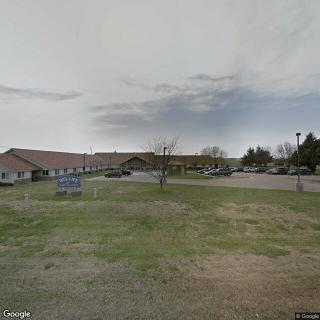



 Exploring the World of Home Health Nurses: Qualifications, Roles, and Hiring Tips
 Navigating Medicare Coverage for In-Home Care Services
 In-Home Care Costs in 2025: A Detailed State-by-State Exploration