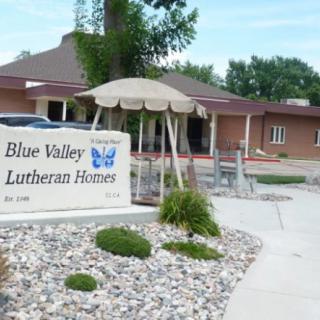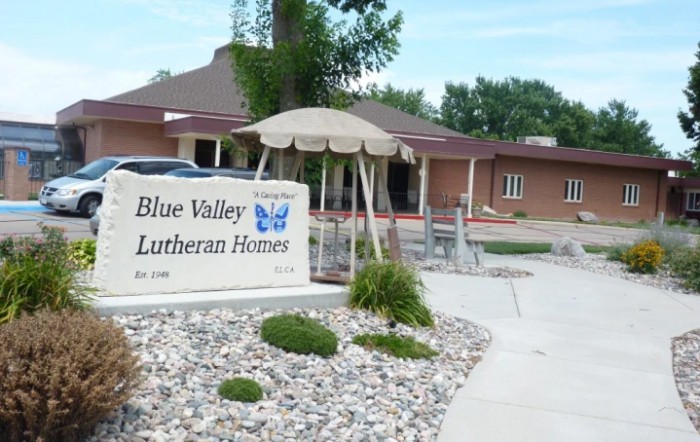
P O Box 166, 220 Park Avenue, Hebron, NE 68370
For more information about senior living options: (866) 208-4318
Overall Review of Blue Valley Lutheran Nursing Home
Cons
 A visitor noticed strong odors in the facility.
- The resident’s room was unkept, with briefs and wipes left out in the open.
- A dirty brief was left in the resident’s trash can.
- Staff claimed they could not constantly change the trash due to being short-staffed, with only two aides for 32 residents.
- The DON does not care about the residents.
- The ADON is unprofessional and spreads rumors about the DON.
Review
Blue Valley Lutheran Nursing Home in Hebron, Nebraska is best suited for families that can tolerate a hands-on oversight role in care. The real-world picture from the visited and reported experiences shows that daily care hinges on a small caregiving team, and housekeeping and sanitation require active monitoring from relatives or a dedicated advocate. With two aides for 32 residents cited as a staffing reality, shifts and interactions are inevitably shaped by limited personnel. For families willing to stay actively involved, intervene when needed, and navigate practical constraints in a cost-conscious, rural setting, this community presents as a potential option, but only with disciplined, ongoing oversight.
Those needing dependable, high-touch care should seriously consider alternatives. The staffing model, paired with concerns about cleanliness and housekeeping, signals a mismatch for residents with complex medical needs or those who rely on consistently available aides. The combination of visible sanitation lapses and a stressful staffing environment increases the risk of missed cues on changes in condition, slower responses to requests, and diminished dignity during daily routines. Families prioritizing transparent leadership, stable staffing, and a culture of accountability will likely find more reliable homes elsewhere.
On the quality front, the most explicit red flags are immediate and tangible: strong odors, rooms that feel unkempt, and a pattern of sanitation lapses such as briefs and wipes left exposed and a dirty item discarded in a resident’s trash. These issues point to a breakdown in routine housekeeping that should be non-negotiable in any residence for older adults. When staffing constraints are used as justification, the current reality becomes a systemic problem rather than a rare misstep. The result is a less-than-optimal environment for dignity, infection prevention, and timely care, where residents bear the daily cost of operational pressures.
Leadership and workplace culture compound the care gaps. Descriptions of a director of nursing who “does not care about the residents” alongside an administrator on the ADON side who is “unprofessional” and rumored to be spreading rumors create a climate of mistrust and instability. That kind of environment undermines accountability, makes supervision inconsistent, and erodes family confidence in the care team. The presence of a single high rating amid multiple serious concerns cannot be trusted to signal real strengths; without substantive, verifiable positives, those higher marks ring hollow against the documented daily realities.
For families willing to pursue this option, a rigorous, disciplined vetting process is essential. Demand a transparent staffing plan that details exact nurse aide coverage per shift, and insist on a clear housekeeping schedule with daily room maintenance benchmarks. Schedule visits at different times to observe how the staff interacts with residents, and speak directly with frontline caregivers about their daily workload and training. Question the DON and ADON about quality assurance, accountability mechanisms, and concrete steps taken when concerns arise. Ensure a written plan of action addressing odor control, sanitation protocols, and dignity-preserving care is in place before any agreement is made.
In the practical calculus, the balance heavily favors caution. The reported odors, cleanliness lapses, persistent staffing strain, and unsettled leadership create a risk profile that will overwhelm families who prioritize consistent, respectful care and stable routines. Alternatives with demonstrated staffing stability, robust housekeeping discipline, and a culture of professional accountability should be the default comparison. If cost is a decisive factor and all assurances align with a credible improvement plan, a cautious, tightly supervised stay could be contemplated, but only after rigorous validation of every claim and a clear timetable for measurable progress. In most cases, pursuing other options will yield a more reliable foundation for long-term care decisions.
 64 resident community capacity
 Skilled Nursing Facility
 Air-conditioning
 Beauty salon
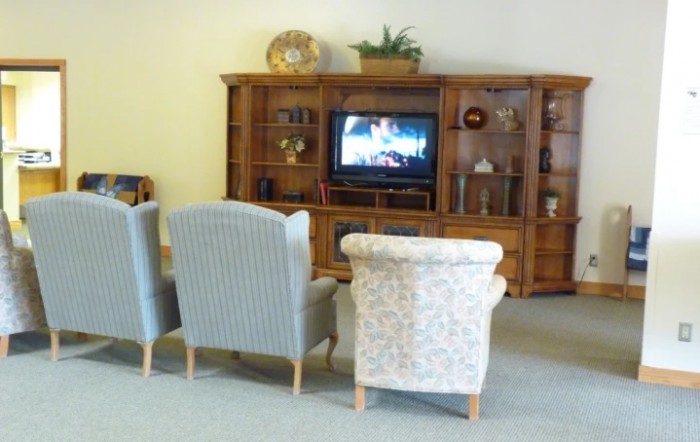
 Cable or satellite TV
 Computer center
 Dining room
 Fitness room
 Fully furnished
 Gaming room
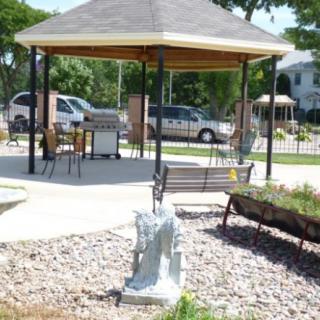
 Garden
 Housekeeping services
 Kitchenette
 Move-in coordination
 Outdoor space
 Private bathrooms
 Restaurant-style dining
 Small library
 Telephone
 Wellness center
 Wi-Fi/high-speed internet available
 Community operated transportation
 12-16 hour nursing
 24-hour call system
 Activities of daily living assistance
 Assistance with bathing
 Assistance with dressing
 Assistance with transfers
 Diabetes diet
 Medication management
 Mental wellness program
 Special dietary restrictions
 Concierge services
 Planned day trips
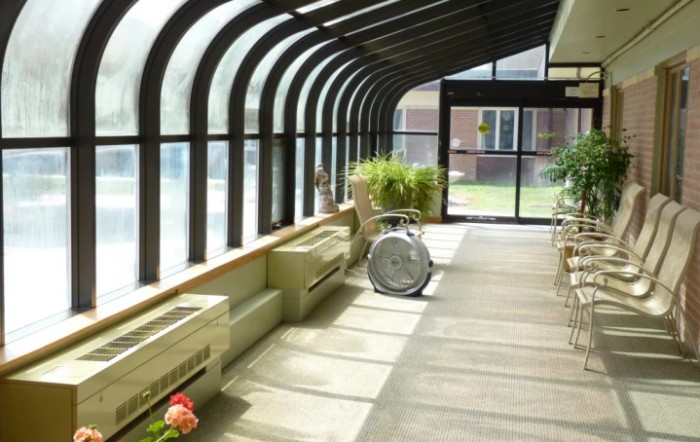
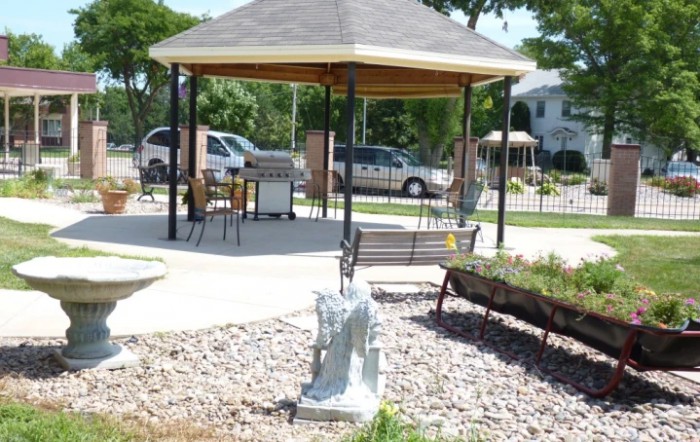
 Extensive amenities and comprehensive care, including transportation, dining, fitness, and 24/7 supervision.

 Exploring the World of Home Health Nurses: Qualifications, Roles, and Hiring Tips
 Navigating Medicare Coverage for In-Home Care Services
 In-Home Care Costs in 2025: A Detailed State-by-State Exploration