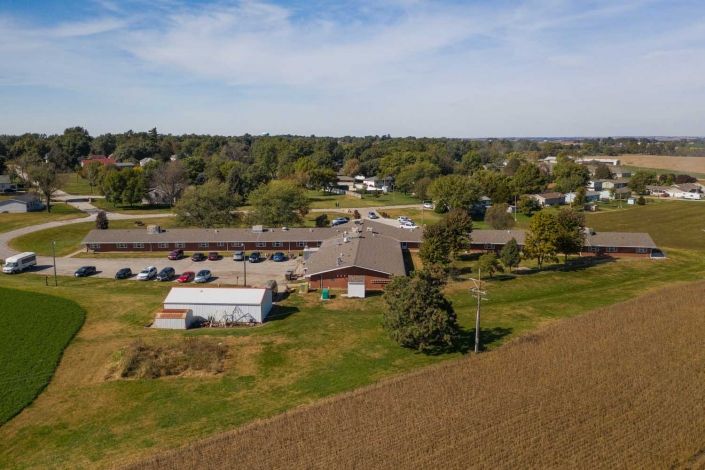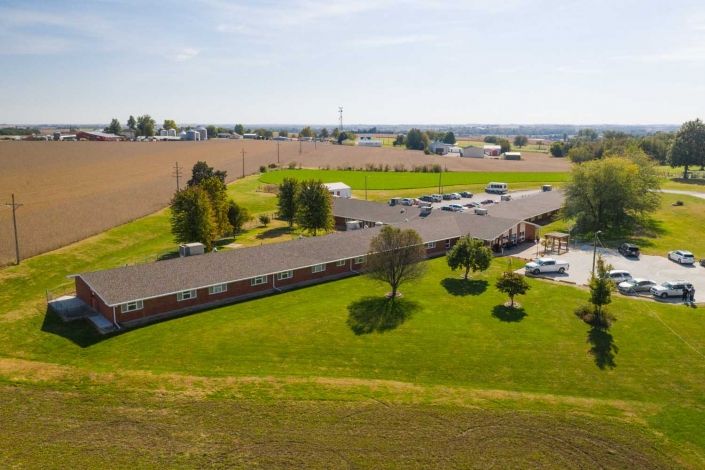
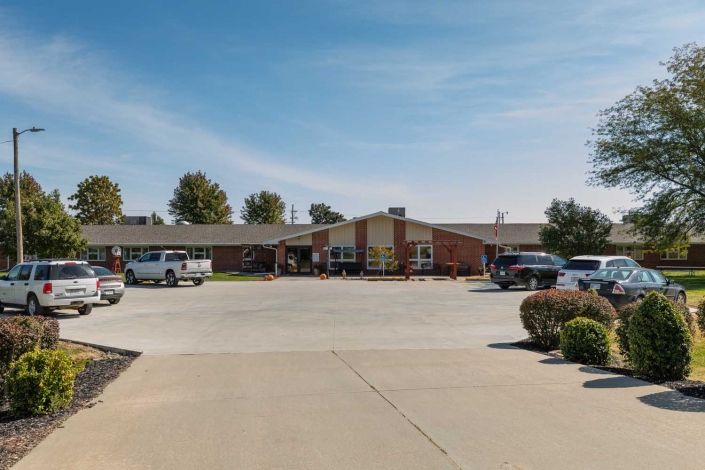
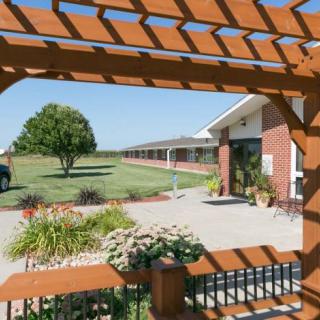
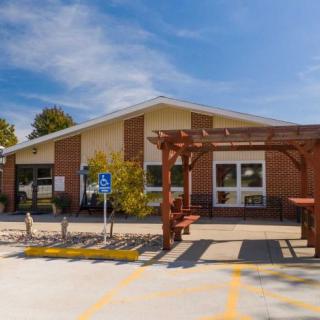
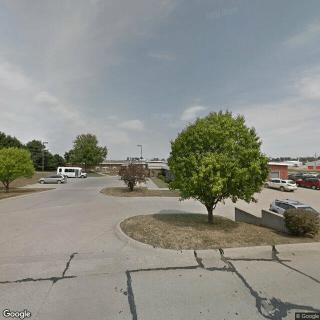
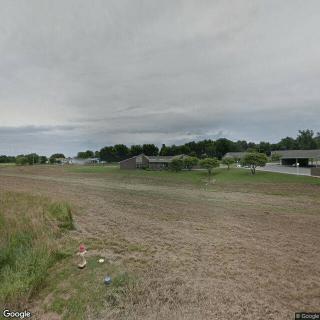
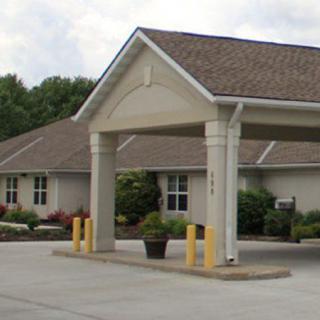
1720 Burton Drive, Falls City, NE 68355
For more information about senior living options: (866) 208-4318
Overall Review of Falls City Nursing And Rehabilitation Center
Pros
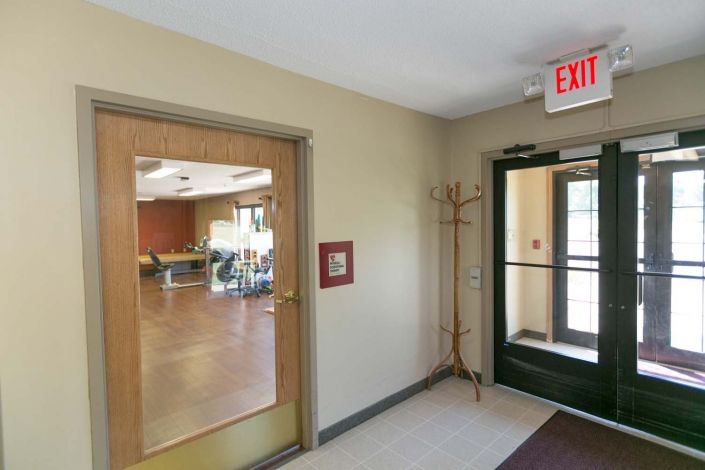
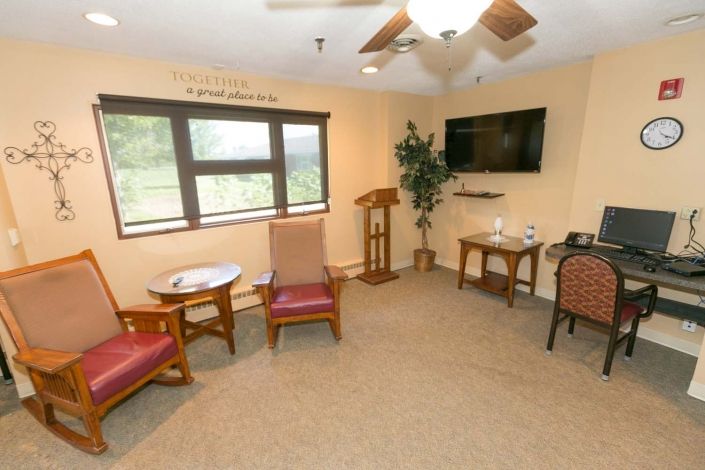
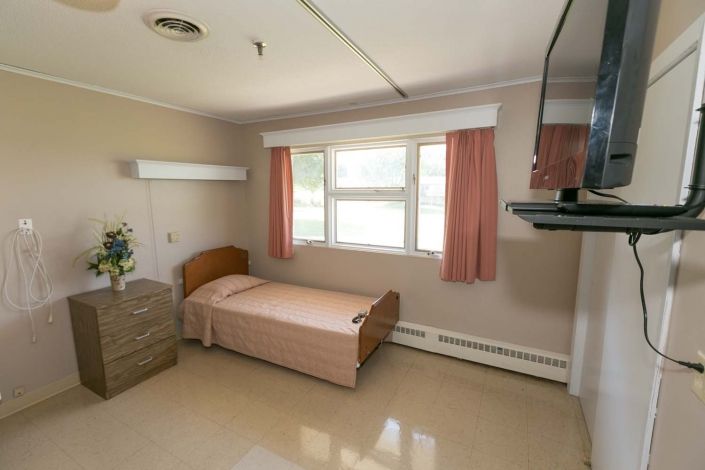
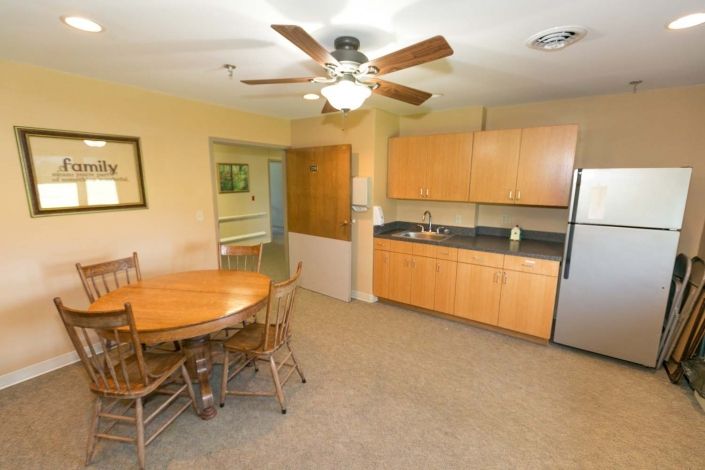
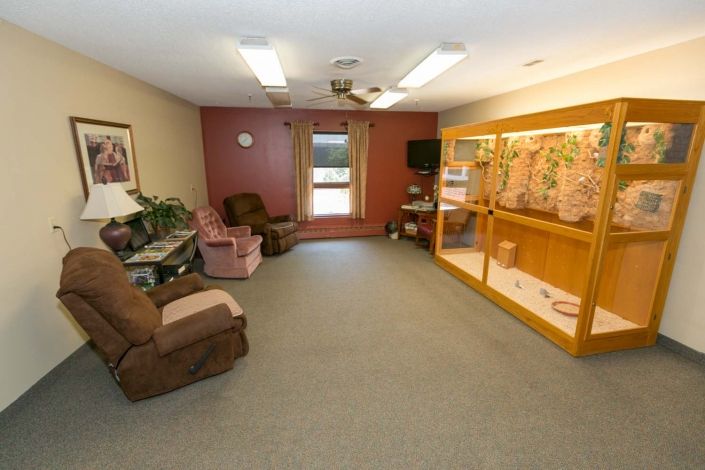
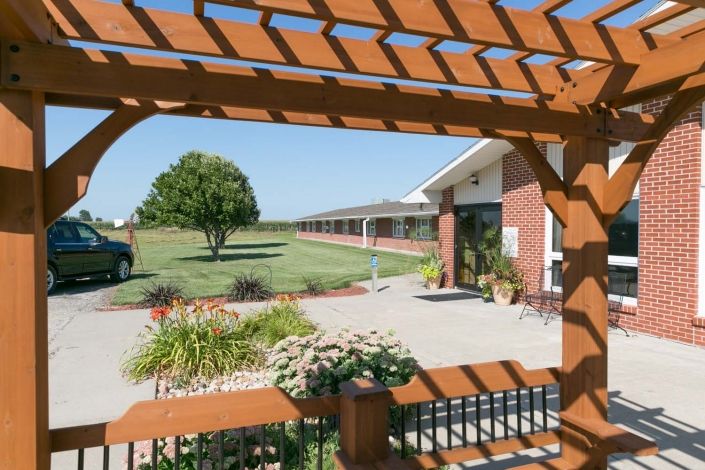
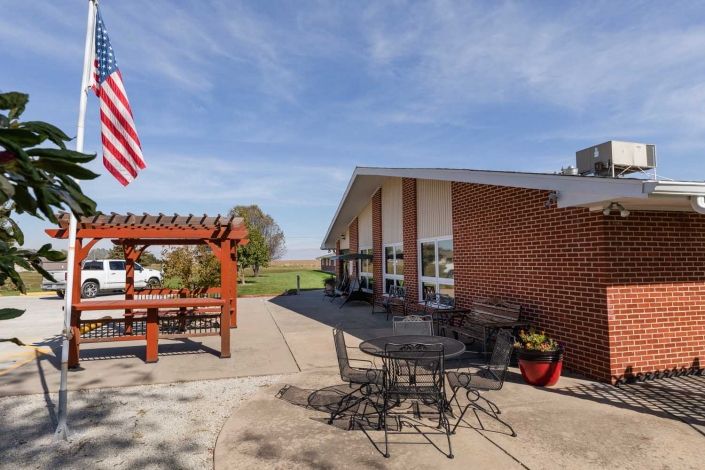
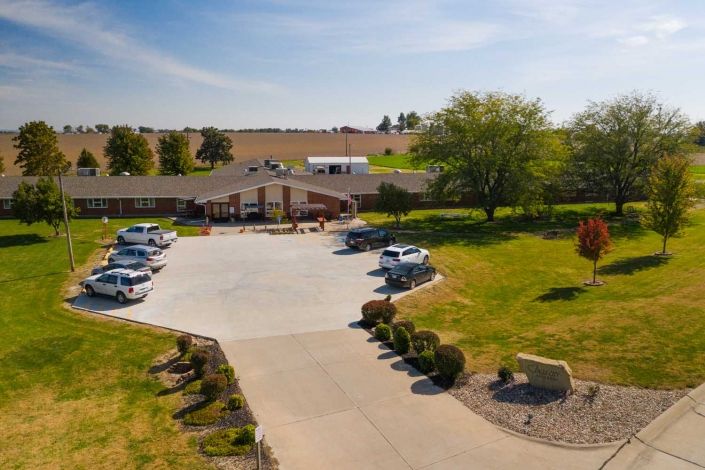
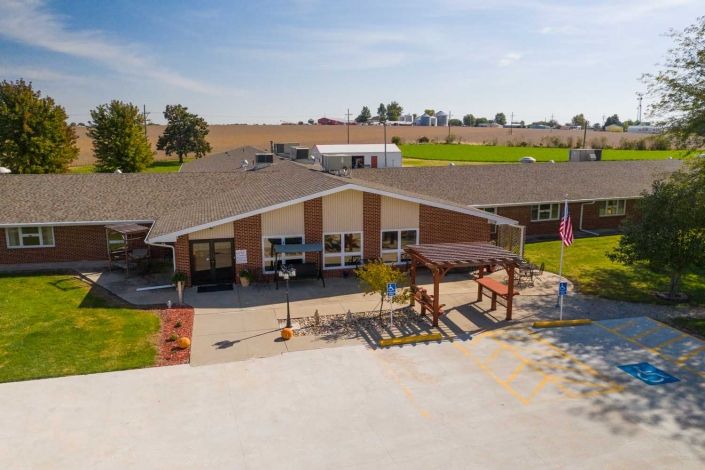
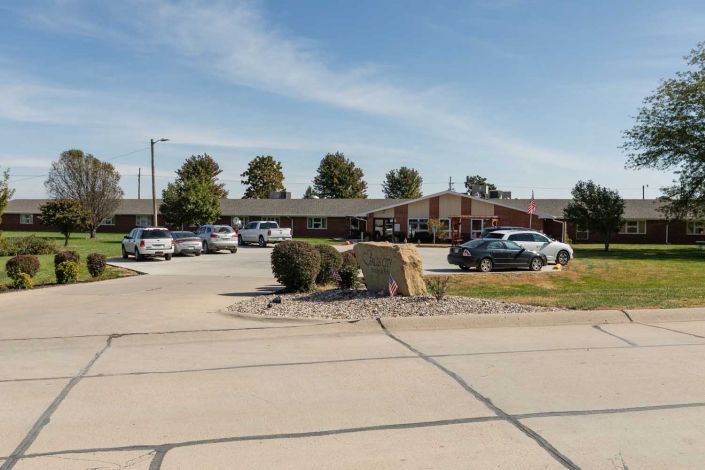
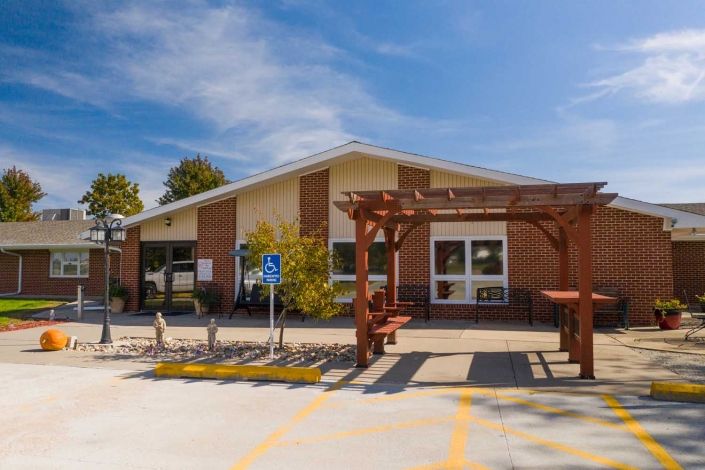
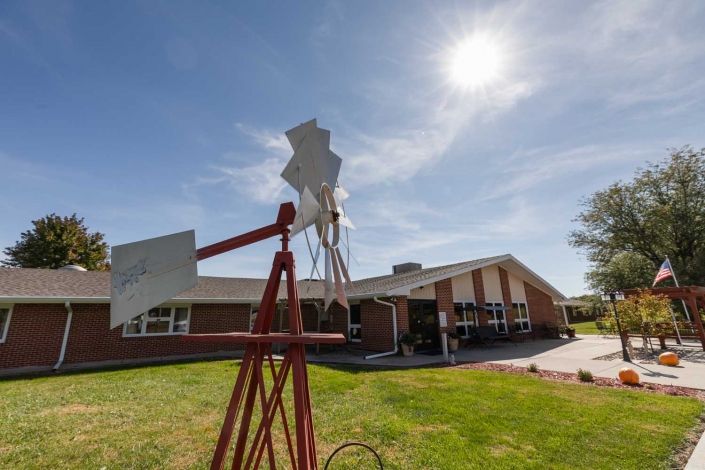
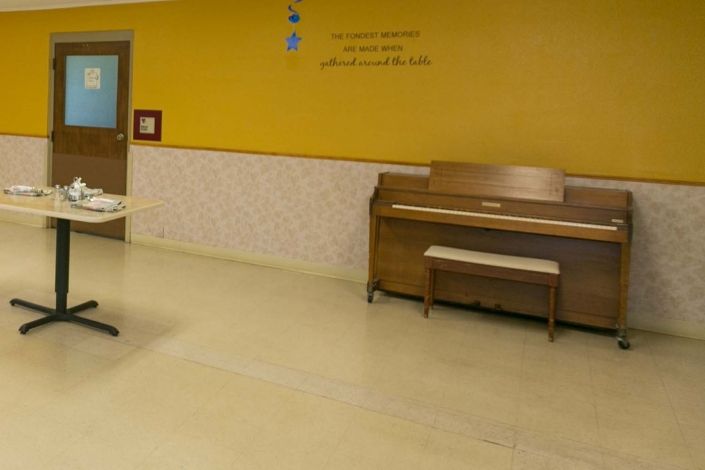
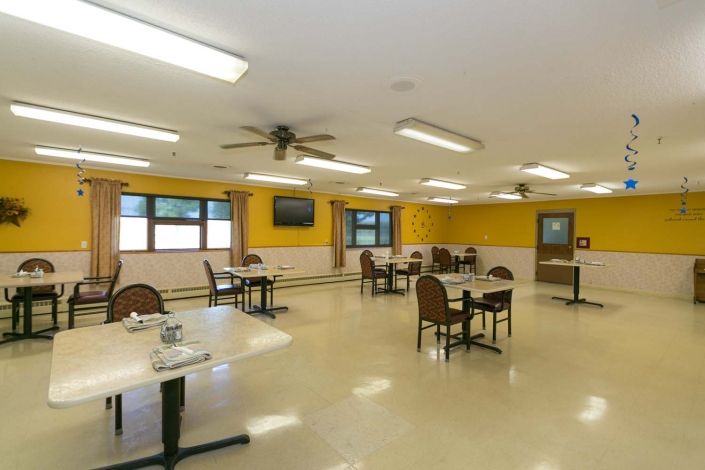
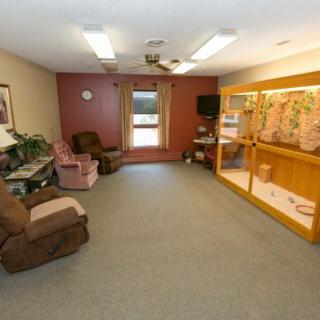
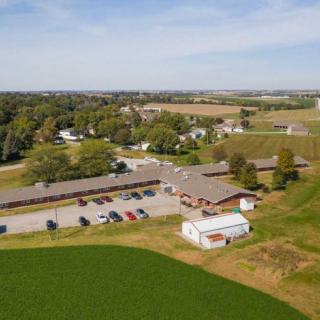
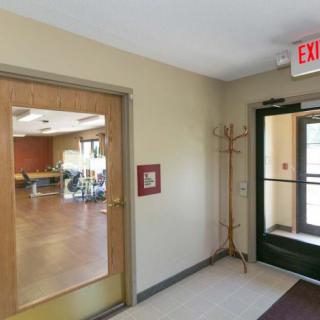
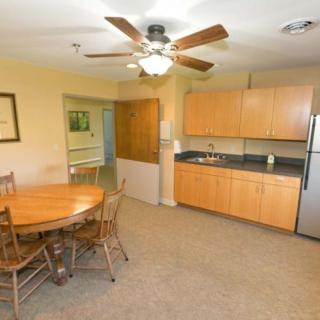
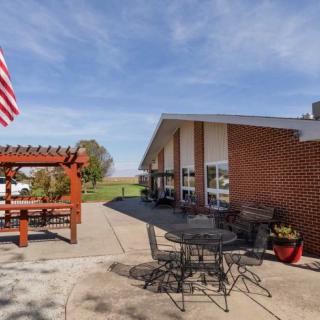
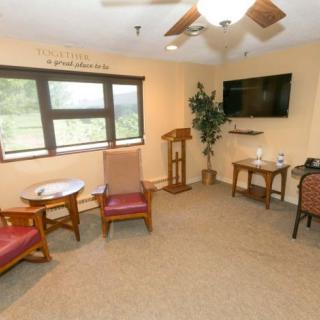
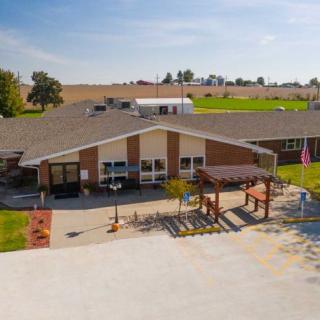
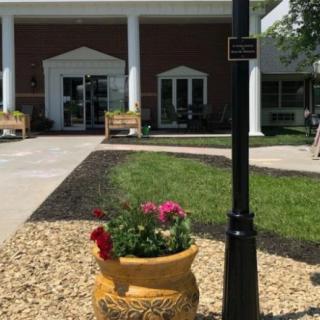
 The facility gave a very cheerful impression and was very clean.
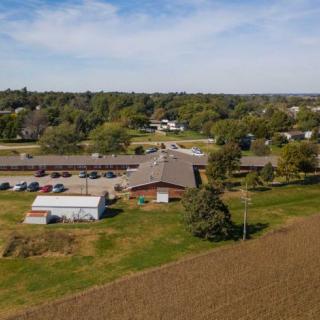
- Richardson County is fortunate to have this nursing and support residence available for those who need this type of location.
- Vaughan's family extended their best wishes to the staff and residents.
- It is a wonderful hometown facility with friendly and helpful staff.
- Vicki was amazing, going above and beyond to ensure the dad's comfort in his final hours.
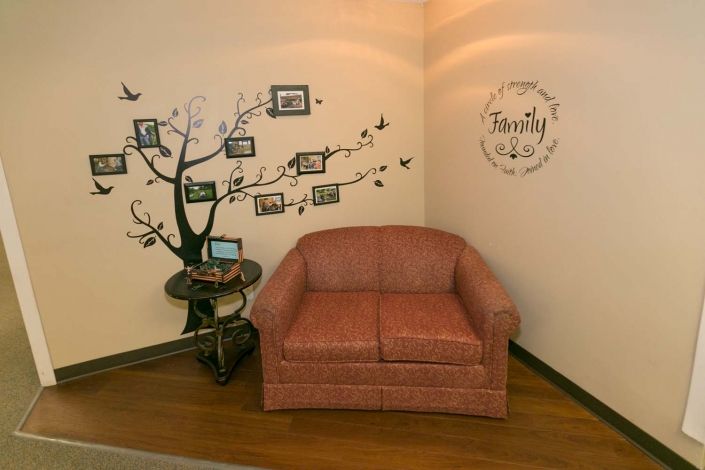
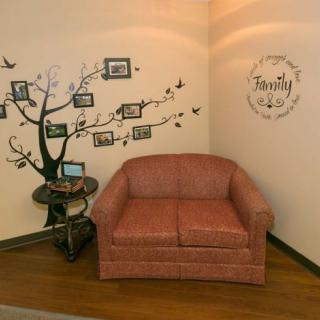
- The team at Falls City Nursing and Rehab is caring and compassionate, making residents feel like family.
Review
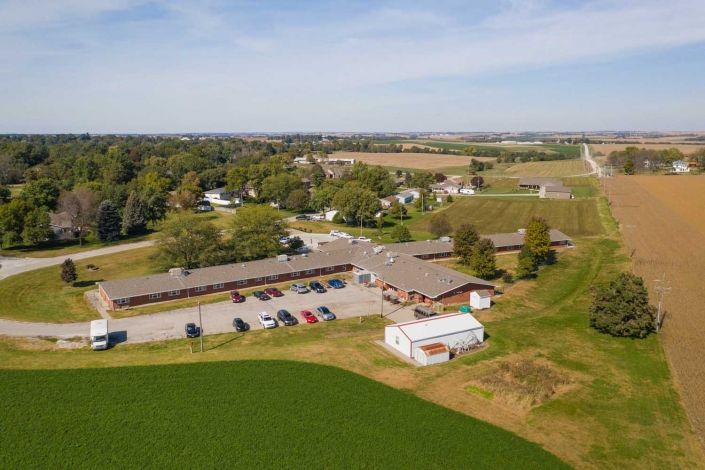
Falls City Nursing and Rehabilitation Center is best suited for older adults who need skilled nursing care but prize a warm, home-like atmosphere and a family-centered approach. From the moment visitors arrive, the facility often feels cheerful and noticeably clean, reinforcing the impression of a supportive, community-minded setting rather than a sterile hospital. Families report a facility that invites social interaction, celebrates milestones, and fosters a sense of belonging for residents. This combination works well for short-term post-acute recovery, convalescence after hospitalization, or longer-term care for residents who value personal attention and genuine, steady staff involvement. In short, it stands out as a local-care-home experience with professional capabilities.
That said, this community may not be the best fit for every need. Prospective residents with highly specialized medical requirements or high-acuity care should proceed with caution and verify capability beyond general praise. The reviews do not detail memory-care programming, advanced wound care, ventilator support, or other technically demanding services. For families prioritizing a robust continuum of therapy, dementia-specific offerings, or expansive on-site medical resources, alternatives should be explored. The existence of a single low rating in the mix signals that experiences can vary, so due diligence and explicit confirmations about capabilities are essential before committing.
On balance, the strongest positives are clear and meaningful: a staff culture described as caring, compassionate, and consistently friendly; a homelike ambience that reduces the clinical distance many residents fear; and a palpable sense of morale across the team. Illustrative anecdotes highlight staff members who go beyond routine duties, supporting residents and families in difficult moments with genuine consideration. Cleanliness and a well-kept environment reinforce daily comfort, while relatable gestures, such as staff taking time to ensure final hours are peaceful, underscore a level of personalized care that families seek. The combination of warmth, stability, and a supportive atmosphere often translates into reliable day-to-day experiences for residents.
However, the main drawbacks are not about the people but about program scope and transparency. The lack of explicit information about specialized services or memory-care structures leaves questions for families seeking highly targeted care. The troubling possibility of inconsistency hinted by the solitary one-star rating cannot be ignored; it invites scrutiny of staffing patterns, RN coverage, and how care plans are actually implemented on busy shifts. To mitigate this, families should obtain concrete assurances about clinical capabilities, therapy availability, and how care transitions are managed. A strong personal connection with staff helps, but it must be matched by documented capacity to meet specific medical and therapeutic needs.
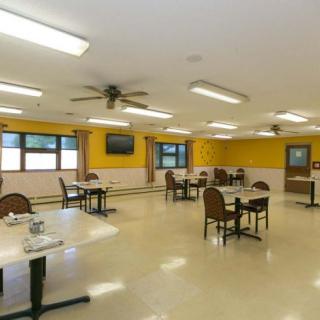
For decision-making, focus on practical, concrete checks during a visit: ask for current staffing ratios and on-site physician or advanced practice coverage; verify the schedule and extent of physical, occupational, and speech therapy; review daily routines, mealtime options, and resident activity calendars; and examine discharge planning and family communication protocols. Dining quality, menu flexibility, and special dietary accommodations often matter as much as clinical care, shaping daily quality of life. End-of-life preferences deserve direct discussion about palliative care options, visitation policies, and how the care team supports both residents and families through sensitive transitions.
In the end, Falls City Nursing and Rehabilitation Center delivers a compelling package for families prioritizing a warm, community-based environment with compassionate, responsive staff. It is particularly well-suited for seniors needing ongoing nursing support, reliable daily care, and a setting that feels like a small-town home rather than a clinical facility. For families with high-acuity medical needs, specialized memory-care programming, or a wider array of therapeutic services, it remains wise to compare options and ask pointed questions to verify capacity and consistency. A structured, in-person tour, focusing on staffing, service offerings, and resident-rights protections, will reveal how well this community aligns with care goals, budget, and the anticipated lived experience.
 63 resident community capacity
 Skilled Nursing Facility
 Air-conditioning
 Beauty salon
 Cable or satellite TV
 Computer center
 Dining room
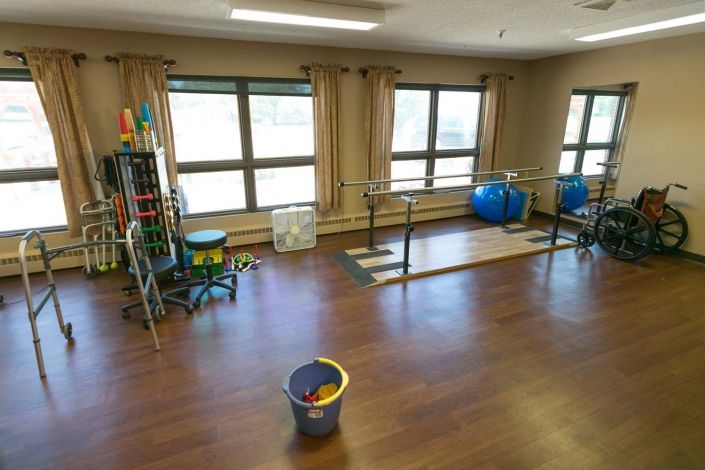
 Fitness room
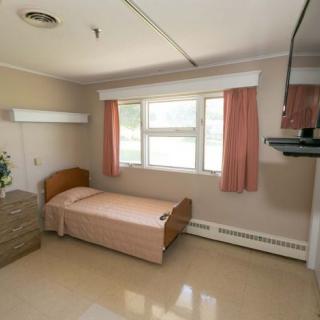
 Fully furnished
 Gaming room
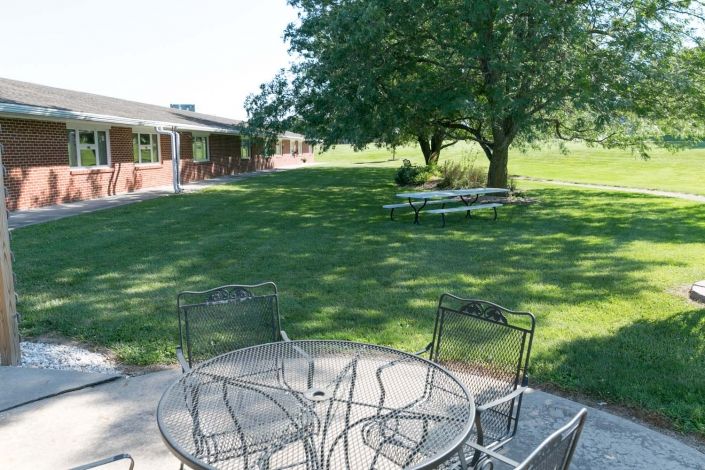
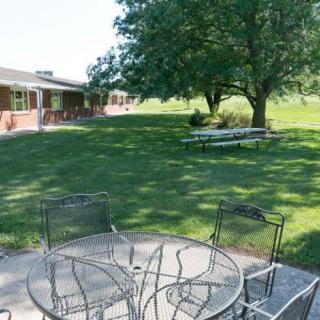
 Garden
 Housekeeping services
 Kitchenette
 Move-in coordination
 Outdoor space
 Private bathrooms
 Restaurant-style dining
 Small library
 Telephone
 Wellness center
 Wi-Fi/high-speed internet available
 Community operated transportation
 12-16 hour nursing
 24-hour call system
 Activities of daily living assistance
 Assistance with bathing
 Assistance with dressing
 Assistance with transfers
 Diabetes diet
 Medication management
 Mental wellness program
 Special dietary restrictions
 Concierge services
 Planned day trips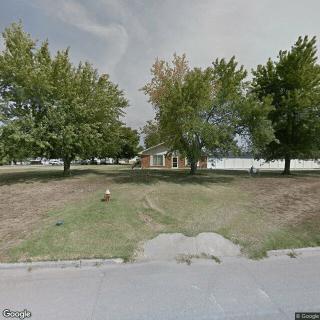

 Effective Strategies for Keeping Seniors' Minds Active: A Deep Dive into Brain Games and Apps
 In-Depth Look at the VA Aid and Attendance Program
 Nurturing Our Loved Ones: A Daughter's Journey in Caring for Her Mother