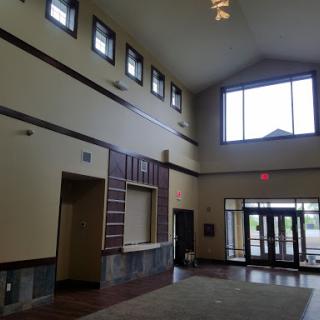
Crest View Care Center in Chadron, NE

Information last verified:

420 Gordon Avenue, Chadron, NE 69337

For more information about senior living options: (844) 490-3973

3 from 3 reviews
5 stars
1
4 stars
0
3 stars
1
2 stars
0
1 stars
1

Crest View Care Center Costs & Pricing

Crest View Care Center offers competitive pricing for its residents, particularly when compared to local and state averages. For a studio room, the monthly cost at Crest View is $3,290, which is slightly higher than Sheridan County's average of $2,995 but remains more affordable than the Nebraska state average of $3,728. When it comes to one-bedroom accommodations, Crest View's price of $4,990 is significantly above Sheridan County's rate of $3,995; however, it notably exceeds Nebraska's average of $3,167. This pricing structure reflects Crest View's commitment to providing quality care and services in a supportive environment, even as it navigates varying market rates in the region.

Floor plansCrest View Care CenterSheridan CountyNebraska
Studio$3,290$2,995$3,728
1 Bedroom$4,990$3,995$3,167

Overall Review of Crest View Care Center

Pros

  • pro The residents value family connections and emotional support.
  • pro They show resilience and care for one another in challenging times.
  • pro The staff are committed to improving communication with families.
  • pro The community aspires to more compassionate and respectful visitation.
  • pro There is hope for honoring residents' dignity during periods of grief.

Cons

  • pro Residents express outrage.
  • pro The family was not allowed to see their grandmother after she learned that her grandfather had died.

Review

Crest View Care Center in Chadron, NE is best suited for families seeking a straightforward, small-community option where day-to-day care can be sustained with engaged oversight and where residents can maintain a workable routine. The setting rewards families that stay actively involved, ask questions, and monitor pathways of communication. This center appeals to those who value reliable, ordinary care over glitzy amenities and who are prepared to advocate to ensure policies align with a loved one’s needs. In short, Crest View works well for families that want tangible care outcomes and are ready to partner with staff to resolve issues as they arise.

Those who require unwavering consistency, transparent, responsive family access, or a proven track record of compassionate handling during dementia progression or end-of-life moments should consider alternatives. A facility with more predictable, patient-centric policies and a stronger emphasis on family engagement may serve better. Individuals seeking highly specialized memory-care programming, robust social opportunities, or a facility with flawless communication across shifts may find Crest View lacking in those areas. In sum, Crest View can deliver dependable daily care, but families should weigh whether policy rigidity or gaps in family outreach would become a friction point rather than a relief during stressful times.

On the upside, the available feedback hints at functional strengths. A positive five-star voice implies that when circumstances align, care delivery feels competent and residents experience the basics of daily life without constant issues. A middle-ground three-star review signals workable operations: routine tasks are doable, and some staff interactions meet expectations. The strongest offset to the downsides lies in dependable care when staff are attentive and in a setting where residents can maintain a reasonable quality of life with steady oversight. In other words, the core daily functions, medication administration, mobility support, and routine supervision, can be solid, and those benefits can reduce the sting of less flexible policies. Yet this offset is not universal; it depends heavily on staffing stability and proactive communication.

However, the most troubling note comes from the strongest caution: a reviewer describes resident outrage tied to a situation where family access was curtailed after a loved one learned of a death. That kind of incident hits at dignity, trust, and the emotional safety net families rely on in times of bereavement. It suggests gaps in how sensitive moments are navigated and how policies are applied in practice. Prospective families should demand clear, compassionate protocols for end-of-life discussions, family presence during critical moments, and timely, transparent updates when difficult news arises. If a facility can demonstrate that staff are trained to handle grief with tact, and that visitation policies are adaptable to families during crises, that mitigates a serious red flag. Without that, the clinical competence of daily care may not be enough to justify choosing Crest View.

To decide with confidence, pursue a targeted tour and ask pointed questions. Inquire about visitation flexibility, especially when emergencies or sensitive events occur; request written policies on family engagement and escalation paths for concerns. Probe staff continuity: how often do shifts turnover, and how is handoff communication managed? Confirm what metrics the center uses to measure resident quality of life, and who reviews complaints and resolves them. Look for demonstrable evidence of bereavement support, transparent billing practices, and proactive family updates. Where possible, talk with current families about how concerns were handled and whether staff followed through. These inquiries turn vague promises into concrete expectations and help determine whether the strengths in daily care can hold up under stress.

Bottom line: Crest View Care Center presents a viable option for families who want dependable daily care and are ready to stay actively involved. For those who require consistently compassionate family engagement, flexible visitation, and sensitive handling during bereavement, alternatives may offer clearer reassurance. The decision hinges on weighing the value of steady routine against the risk of rigid policies and uneven family communication. If due diligence confirms strong staff training and a responsive culture, Crest View can be a solid fit. If not, move toward a facility with a more transparent, family-first approach.

Features

Housing

  • 70 resident community capacity 70 resident community capacity

Types of Care

  • Skilled Nursing Facility Skilled Nursing FacilitySkilled Nursing Facilities are crucial for seniors as they provide round-the-clock medical care, rehabilitation services, and assistance with daily activities. These facilities ensure that seniors receive the specialized care they need to maintain their health and well-being as they age.

Amenities

  • Air-conditioning Air-conditioningAir conditioning is important for seniors as they are more vulnerable to heat-related illnesses and may have underlying health conditions that make it difficult for them to regulate their body temperature. It helps to keep them comfortable, safe, and healthy in hot weather.
  • Beauty salon Beauty salonBeauty salons are important for seniors because they provide a space for them to feel pampered, socialize, and maintain their personal grooming and hygiene. Regular visits to a beauty salon can help boost seniors' self-esteem and overall well-being.
  • Cable or satellite TV Cable or satellite TVCable or satellite TV is important for seniors because it provides entertainment, news, and companionship, helping to combat loneliness and boredom. It also offers a wide range of programming options tailored to different interests and preferences.
  • Computer center Computer centerA computer center is essential for seniors as it provides access to technology, communication tools, and resources that can enhance their daily lives. It allows them to stay connected with loved ones, engage in online activities, and learn new skills, ultimately promoting socialization and mental stimulation.
  • Dining room Dining roomDining rooms are important for seniors as they provide a space for socialization, connection, and nutritious meals. They offer opportunities for residents to bond over shared meals, foster a sense of community, and promote healthy eating habits. Dining rooms also ensure that seniors have access to well-balanced meals tailored to their dietary needs and preferences.
  • Fitness room Fitness roomHaving a fitness room in a senior living community is essential for seniors to stay active, maintain their physical health, and improve their overall well-being. Regular exercise can help prevent falls, reduce the risk of chronic diseases, and promote mental sharpness. It also provides social opportunities for residents to connect with others and enjoy a sense of community.
  • Fully furnished Fully furnishedFully furnished senior living communities are important for seniors because they provide convenience, comfort, and a hassle-free moving experience. Seniors can easily settle into their new living space without the stress of having to buy and move furniture. This allows them to focus on enjoying their new home and community.
  • Gaming room Gaming roomGaming rooms are important for seniors as they provide a fun and engaging environment for socializing, cognitive stimulation, and physical activity. Games can improve memory, problem-solving skills, and overall mental well-being while fostering friendships and reducing feelings of isolation.
  • Garden GardenGardens are important for seniors as they provide a peaceful and therapeutic environment for relaxation, physical activity, and socialization. Being in nature has been shown to reduce stress, improve mood, and promote overall well-being. Gardens also offer opportunities for seniors to engage in gardening activities, which can improve mobility, flexibility, and cognitive function. Additionally, gardens create a sense of community and connection with others who share a passion for plants and outdoor spaces.
  • Housekeeping services Housekeeping servicesHousekeeping services are important for seniors because they help maintain a clean and safe living environment, promote independence, and reduce the risk of accidents or illnesses. Additionally, having assistance with household chores can alleviate physical strain and allow seniors to focus on other aspects of their well-being.
  • Kitchenette KitchenetteKitchenettes are important for seniors living in senior living communities because they provide the convenience and independence of being able to prepare simple meals and snacks in the comfort of their own living space. This can help promote a sense of autonomy and well-being for seniors, allowing them to maintain some level of control over their dietary choices and daily routines.
  • Move-in coordination Move-in coordinationMove-in coordination is important for seniors because it helps ease the transition into their new living environment. It ensures that all logistics, such as packing, organizing movers, and setting up utilities are taken care of, allowing seniors to focus on settling in and adjusting to their new home. Having a smooth move-in process can alleviate stress and anxiety, making the transition smoother and more enjoyable for seniors.
  • Outdoor space Outdoor spaceOutdoor spaces are important for seniors as they provide opportunities for physical activity, social interaction, exposure to natural light and fresh air, and a sense of connection to nature. Having access to outdoor spaces can improve overall well-being and quality of life for older adults living in senior communities.
  • Private bathrooms Private bathroomsPrivate bathrooms are important for seniors in senior living communities because they provide independence, dignity, and comfort. Having a private bathroom allows seniors to maintain their personal hygiene routines without the need for assistance, promoting a sense of autonomy and privacy. Additionally, private bathrooms help prevent the spread of infections and provide a safe and clean environment for seniors to navigate safely.
  • Restaurant-style dining Restaurant-style diningRestaurant-style dining is important for seniors because it allows them to enjoy delicious, nutritious meals in a social and upscale setting. This enhances their dining experience, promotes healthy eating habits, and fosters socialization with fellow residents, ultimately contributing to their overall well-being and quality of life.
  • Small library Small librarySmall libraries are important for seniors as they provide access to a variety of reading materials, including books, newspapers, and magazines. This can help stimulate their minds, keep them engaged, and provide a sense of community through book clubs and other social activities. Additionally, reading has been shown to improve cognitive function and overall mental well-being in older adults.
  • Telephone TelephoneTelephones are important for seniors as they provide a lifeline for communication with loved ones, emergency services, and healthcare providers. They offer a sense of security and independence, enabling seniors to stay connected and access assistance when needed.
  • Wellness center Wellness centerWellness centers are important for seniors because they offer a variety of programs and services that promote physical, mental, and emotional well-being. These centers provide opportunities for exercise, socialization, education, and relaxation, helping seniors maintain their overall health and quality of life.
  • Wi-Fi/high-speed internet available Wi-Fi/high-speed internet availableWi-Fi/high-speed internet is important for seniors to stay connected with loved ones, access online resources, and participate in virtual activities to combat feelings of loneliness and isolation. It also allows them to easily manage healthcare needs, access entertainment, and engage in lifelong learning opportunities.

Transportation

  • Community operated transportation Community operated transportationCommunity operated transportation is crucial for seniors as it provides them with the means to access essential services, social activities, and medical appointments. It allows seniors to maintain their independence and quality of life by ensuring they can participate in activities outside of their homes. Additionally, community-operated transportation services offer a safe and reliable way for seniors to travel without having to rely on family or friends for assistance.
  • Transportation arrangement Transportation arrangementTransportation arrangements are crucial for seniors as they may face challenges with driving, mobility, or access to public transportation. Having reliable transportation services ensures that seniors can easily attend appointments, social activities, and maintain their independence and quality of life.
  • Transportation arrangement (non-medical) Transportation arrangement (non-medical)Transportation arrangements are essential for seniors as they provide access to essential services, activities, and social interactions outside the home. This service helps maintain independence, mobility, and overall well-being for seniors who may have limited transportation options.
  • Transportation to doctors appointments Transportation to doctors appointmentsTransportation to doctors appointments is crucial for seniors as it ensures they have access to necessary medical care and support, promoting their health and well-being. It allows them to receive timely treatment, monitor existing conditions, and address any new health concerns efficiently. Additionally, transportation services can help seniors maintain their independence and quality of life by enabling them to stay connected with their healthcare providers.

Care Services

  • 12-16 hour nursing 12-16 hour nursing12-16 hour nursing care is crucial for seniors in order to ensure around-the-clock monitoring, timely medication administration, and prompt response to any health concerns or emergencies. This level of care helps to promote the overall well-being and safety of seniors living in senior living communities.
  • 24-hour call system 24-hour call system24-hour call systems are important for seniors because they provide peace of mind and immediate assistance in case of emergencies. This technology ensures that help is always available, promoting safety and security for elderly individuals living alone or in assisted living facilities.
  • 24-hour supervision 24-hour supervision24-hour supervision is important for seniors to ensure their safety, well-being, and access to immediate assistance in case of emergencies or health issues. This constant support provides peace of mind for both seniors and their loved ones, allowing them to age in place with dignity and security.
  • Activities of daily living assistance Activities of daily living assistanceActivities of daily living assistance are important for seniors because they provide essential support with tasks such as eating, bathing, dressing, and mobility. This assistance helps seniors maintain their independence, dignity, and overall quality of life as they age.
  • Assistance with bathing Assistance with bathingAssistance with bathing is crucial for seniors as it helps maintain personal hygiene, prevents infections, and ensures their overall well-being and comfort. It also provides a sense of dignity and independence for seniors who may struggle with this task on their own.
  • Assistance with dressing Assistance with dressingAssistance with dressing is important for seniors because it helps maintain their independence, promotes personal hygiene, prevents accidents and injuries, and improves overall quality of life. This service ensures that seniors can continue to dress comfortably and confidently, despite any physical limitations they may have.
  • Assistance with transfers Assistance with transfersAssistance with transfers is crucial for seniors as it helps prevent falls and injuries, maintains their independence, and ensures they can safely navigate their living environment. It also provides peace of mind for both seniors and their loved ones.
  • Diabetes diet Diabetes dietA diabetes diet is crucial for seniors as it helps manage blood sugar levels, reduce risks of complications, and improve overall health and well-being. By following a balanced and nutritious diet tailored to their specific needs, seniors can better control their diabetes and enhance their quality of life.
  • Meal preparation and service Meal preparation and serviceMeal preparation and service are crucial for seniors as they may have limited mobility or energy to cook nutritious meals. Having access to healthy and convenient food options can ensure they are getting the proper nutrition needed to maintain their overall health and well-being.
  • Medication management Medication managementMedication management is crucial for seniors to ensure they are taking the right medications at the correct dosages and times. This helps prevent adverse drug interactions, reduces the risk of medication errors, and promotes overall health and well-being. Proactive management also allows for adjustments as needed based on changing health conditions or new prescriptions.
  • Mental wellness program Mental wellness programMental wellness programs are essential for seniors as they promote cognitive stimulation, emotional support, and social engagement. These programs help prevent isolation, depression, and cognitive decline, ultimately enhancing the overall quality of life for older adults.
  • Special dietary restrictions Special dietary restrictionsSpecial dietary restrictions are important for seniors because age-related changes in metabolism and health conditions can make it difficult for their bodies to process certain foods. By following a diet tailored to their specific needs, seniors can maintain their overall health and well-being, manage chronic conditions, and reduce the risk of complications such as malnutrition or food interactions with medications.

Dining

  • Diabetes diet Diabetes dietA diabetes diet is crucial for seniors as it helps manage blood sugar levels, reduce risks of complications, and improve overall health and well-being. By following a balanced and nutritious diet tailored to their specific needs, seniors can better control their diabetes and enhance their quality of life.
  • Special dietary restrictions Special dietary restrictionsSpecial dietary restrictions are important for seniors because age-related changes in metabolism and health conditions can make it difficult for their bodies to process certain foods. By following a diet tailored to their specific needs, seniors can maintain their overall health and well-being, manage chronic conditions, and reduce the risk of complications such as malnutrition or food interactions with medications.

Activities

  • Community-sponsored activities Community-sponsored activitiesCommunity-sponsored activities are important for seniors as they provide opportunities for social interaction, mental stimulation, and physical activity. These activities can help improve overall well-being, combat loneliness and isolation, and promote a sense of belonging and purpose among older adults.
  • Concierge services Concierge servicesConcierge services are essential for seniors as they provide assistance with daily tasks and errands, enhance their quality of life by offering convenience and personalized care, and promote a sense of safety and security.
  • Fitness programs Fitness programsFitness programs are crucial for seniors as they help improve strength, flexibility, balance, and overall well-being. Staying active can reduce the risk of chronic diseases, improve mental health, and enhance quality of life in older adults.
  • Planned day trips Planned day tripsPlanned day trips are important for seniors because they offer opportunities for socialization, mental stimulation, and physical activity. They provide a change of scenery and help seniors stay engaged and connected to their community, promoting overall well-being and quality of life.
  • Resident-run activities Resident-run activitiesResident-run activities are important for seniors as they encourage social interaction, creativity, and a sense of autonomy. These activities empower seniors to stay engaged and active in their community while fostering meaningful connections with their peers.
  • Scheduled daily activities Scheduled daily activitiesScheduled daily activities are important for seniors because they provide structure, socialization, mental stimulation, and physical activity. Engaging in regular activities can improve overall well-being and quality of life for seniors living in a community setting.

Description

Crest View Care Center in Chadron, NE is an exceptional assisted living community offering a wide range of amenities and care services to provide residents with a comfortable and fulfilling lifestyle.

The community features a well-maintained beauty salon where residents can pamper themselves and maintain their personal style. Residents can enjoy their favorite shows or catch up on the latest news with cable or satellite TV options available in their fully furnished rooms. Transportation needs are met with community-operated transportation services as well as transportation arrangements for non-medical purposes.

For those who stay connected online, there is a computer center and complimentary Wi-Fi/high-speed internet throughout the premises. Meals are served in a beautiful dining room, complete with restaurant-style dining and special dietary restrictions accommodations. Additionally, residents have access to kitchenettes for any personal meal preparation preferences.

Many opportunities for recreation and engagement are available at Crest View Care Center. The fitness room encourages physical wellness, while the gaming room, small library, and outdoor spaces provide entertainment and relaxation options. Scheduled daily activities, resident-run activities, and planned day trips ensure that residents always have something enjoyable to participate in.

The care services provided at Crest View Care Center ensure that residents receive comprehensive assistance when needed. A 24-hour call system ensures immediate support, while 24-hour supervision guarantees safety at all times. Trained staff members assist with activities of daily living such as bathing, dressing, transfers, and medication management. A mental wellness program aims to promote emotional well-being among residents.

Conveniently located near several amenities within close proximity including cafes, parks, pharmacies restaurants, places of worship, theaters, and hospitals; Crest View Care Center offers easy access to necessary resources for the overall convenience of its residents.

With its impressive array of amenities and high-quality care services provided by dedicated staff members, Crest View Care Center is an ideal choice for seniors seeking assisted living in Chadron, NE.

Nearby Places of Interest

Hospitals

  • Crest View Care Center (0 miles)
  • Chadron Medical Clinic (1.4 miles)

Places of Worship

  • Kenwood Chapel (0.2 miles)
  • Church of Jesus Christ of Latter Day Saints (0.7 miles)
  • Chadron Comm Church The Refuge (0.9 miles)
  • First Congregational Church United (1 miles)
  • Church of Christ (1.1 miles)
  • Saint Columbkille-Hay Springs (19.2 miles)
  • United Methodist Church (19.4 miles)

Parks

  • Pine Ridge National Recreation Area (0.6 miles)
  • Elliott Field (1 miles)
  • Walgren Lake State Recreation Area (23.6 miles)

Restaurants

  • Favorite Bar (0.8 miles)
  • Wilds Bar & Grill (0.8 miles)
  • Maria's 120 Bar (0.8 miles)
  • Fryday's 120 Bar & Grill (0.8 miles)
  • Pizza Hut (0.8 miles)
  • Arby's (0.8 miles)
  • Wing Street (0.8 miles)

Cafes

  • Bean Broker (0.8 miles)
  • Bean Broker Coffee House and Pub (0.8 miles)
  • Maria's (0.8 miles)
  • Just Love Coffee Cafe - Chadron NE (0.9 miles)

Transportation

  • U-Haul Moving & Storage (0.8 miles)

Pharmacies

  • Safeway Pharmacy (0.8 miles)
  • Walmart Pharmacy (1.4 miles)

Theaters

  • Eagle Theatre (0.9 miles)

Frequently Asked Questions

How much does it cost to live at Crest View Care Center in Chadron, NE?
Where is Crest View Care Center?

Nearby Communities

  • Prairie Pine Lodge

    Prairie Pine Lodge

    Chadron, NE

    5 from 1 review
     

    pro Specialized diabetic care and devotional services; convenient access to hospitals and local amenities

  • Pioneer Manor Nursing Home

    Pioneer Manor Nursing Home

    Hay Springs, NE


    pro Extensive amenities and 24/7 care.

  • Cohen Memorial Home

    Cohen Memorial Home

    Pine Ridge, SD

    3.5 from 2 reviews
     

    pro Specialized diabetic care and active devotional/community programs.

  • Oglala Sioux Lakota Nursing Home

    Oglala Sioux Lakota Nursing Home

    Rushville, NE


    pro Comprehensive on-site care with 24/7 supervision and medication management.

  • Parkview Lodge

    Parkview Lodge

    Rushville, NE

    5 from 1 review
    $2,700 to $3,000 / month

    pro Competitive pricing with comprehensive assisted living services (diabetes and incontinence care, medication management), plus a pet-friendly policy and engaging on-site activities.

Related Resources

  • what is hospice care at homeUnderstanding Hospice Care at Home: Comprehensive Services, Key Benefits, and Eligibility

    Hospice care at home provides specialized end-of-life support that focuses on comfort and dignity for individuals with life-limiting illnesses, offering a range of services including medical management, emotional and spiritual support, and logistical assistance tailored to the family's needs. It involves collaboration to create individualized care plans and extends to bereavement support after a loved one's passing.

  • how much does 24/7 in home care cost per monthUnderstanding the Full Cost of 24/7 In-Home Care: A Detailed Overview

    The guide outlines the rising costs of 24/7 in-home care, ranging from $10,000 to over $20,000 monthly, driven by factors such as location and caregiver qualifications. It discusses the limited coverage by Medicare and private insurance, potential Medicaid support, and the emotional and living condition considerations influencing families' decisions on care arrangements.

  • home health nurseExploring the World of Home Health Nurses: Qualifications, Roles, and Hiring Tips

    Home health nursing is an expanding field where licensed professionals provide specialized medical care in patients' homes, addressing the needs of an aging population through personalized services like assessments and medication management. Effective collaboration with healthcare teams, cultural sensitivity, and quality assurance measures are essential for fostering trust and ensuring positive patient outcomes.