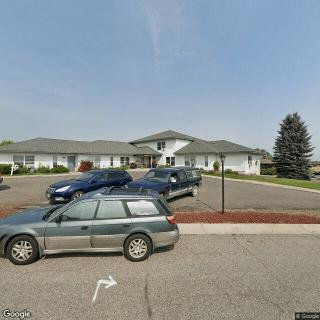
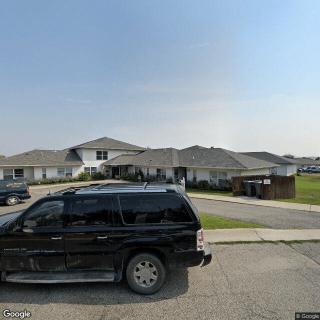
Apple Rehab Cooney

2555 East Broadway, Helena, MT 59601

For more information about senior living options: (844) 490-3973

3.8 from 50 reviews
5 stars
27
4 stars
7
3 stars
4
2 stars
3
1 stars
9

Skilled Nursing Facility

What level of care are you interested in?

Assisted Living

Memory Care

Independent Living

Skilled Nursing Facility

Continuing Care Retirement Community (CCRC)CCRC

Other


Request a tour at Apple Rehab Cooney

    Overall Review of Apple Rehab Cooney

    Pros

    • pro The nursing staff and CNAs are kind, caring, and attentive.
    • pro The physical therapy team provides excellent care and is highly competent.
    • pro The facility is pleasant, clean, and well-staffed with friendly, caring personnel.
    • pro End-of-life care workers are amazing, kind, and thoughtful.
    • pro Staff are praised for going above and beyond to support residents and families.
    • pro The director is hands-on and actively involved in patient care.
    • pro Families appreciate responsive communication and reassurance from staff.
    • pro The rehab therapy program is very good and effective.
    • pro The environment offers safety measures, with sanitizing stations and consistent masking making visitors feel safe.

    Cons

    • pro The admin staff and certain night CNAs are described as rude and lazy.
    • pro Residents calling for help are often left unheard or unassisted due to short staffing.
    • pro Part-time or newer CNAs are criticized for being rude and lazy.
    • pro Family members report poor communication, with calls to the facility or hospital case managers going to voicemail, not being returned, or being hung up on.
    • pro There are allegations of elderly abuse and neglect.
    • pro A relative was not bathed or changed for several days, indicating neglect.
    • pro The facility lacks air conditioning, which is problematic in hot weather.
    • pro The call light system is described as overwhelmed and frequently ignored, signaling understaffing.
    • pro The facility is described as expensive.
    • pro Some staff reportedly take frequent breaks, leaving tasks to less experienced workers and affecting care.

    Review

    The collection of impressions about Cooney Rehabilitation Center runs from glowing appreciation to sharp critique, revealing a facility that can deliver compassionate, capable care in some moments while struggling with communication, consistency, and staffing in others. Across many comments, there is a strong sense that the core nursing and therapy teams can be excellent, kind, and devoted to residents, but that the overall experience is undermined by administrative gaps and intermittent staffing problems. In short, people describe a place with real strengths in direct patient care and a risk of frustration when it comes to how the facility is managed and run day to day.

    Several reviews center on individuals who stand out as exceptionally caring and competent. One patient notes that the nurses they've had have been "best every time," suggesting a consistency in the bedside care that made a meaningful difference during their rehab stay. The same sentiment surfaces frequently for the rehab therapists and CNAs who were described as friendly, attentive, and genuinely invested in patients' progress. In particular, a family member praised a charge nurse on a night shift for compassion, recounting how the nurse not only coordinated a critical transfer to St Peter's Hospital but also sat with a patient near the end of life when family support was scarce. This kind of care - going beyond routine duties to provide comfort and presence - recurs as a standout positive in many notes.

    Within the praise, there are named figures who repeatedly appear as beacons of good care. Mack and Melinda are singled out for their responsiveness and the care they provided, with one reviewer expressing that their actions "meant the world" to them and their family. The rehab therapy itself is praised in several accounts as effective, and even cited as contributing to tangible improvements, such as regaining use of arms and shoulders after surgeries. Helpful and caring staff, from nurses to aides, are described as creating a "second family" feeling for some families, and the facility is frequently depicted as a pleasant, welcoming environment where patients feel seen and treated with dignity.

    Yet with the positives come persistent concerns about administration, communication, and consistency in staffing. A recurring complaint is that administrative or phone interactions leave families frustrated - phone lines that lead to voicemail, callbacks that don't come, or encounters that feel dismissive. Several reviews describe the experience of trying to reach a relative without success, or encountering rude or inattentive staff on the phone, which raises anxiety about how well patients' needs are being traced when families are not onsite. There are also pointed remarks about how the facility handles staffing: while some CNAs and nurses are praised, others are described as rude, lazy, or inconsistent, and there is particular frustration with part-time or newly arrived staff who may not have the same level of familiarity with the unit or with established routines.

    Several reviewers specifically highlight issues that seem to be tied to staffing levels and scheduling. One writing describes a day when many patients were calling for help and not being heard, with a sense that call lights were ignored or that enough staff were not on the floor to respond promptly. The complaints around staff who frequently take breaks or who appear to be overwhelmed by the workload contribute to a picture of an environment where good intentions by individual caregivers can be undermined by systemic constraints. In one recollection, a new staff member who "could not do a lot of the stuff on his own yet" was left to improvise while a more experienced colleague took breaks, creating tension and delays in essential patient care.

    There are some stark, troubling notes amidst the praise. A few reviews allege serious concerns about patient treatment, with phrases like "elder abuse" and negative appraisals of care quality in the rehab area. One reviewer urged readers to check the cameras, implying misuse or misrepresentation of staff behavior. While these accounts stand apart from the majority, they underscore the seriousness with which some families view the experiences of their loved ones. Other comments focus on physical conditions - an absence of air conditioning in hot weather, a depressing room aesthetic for a hospice patient, and complaints about room setup and equipment - that can compound the emotional weight of short- or long-term stays.

    The environment itself receives mixed feedback. On the positive side, visitors frequently describe a clean facility with plentiful sanitizing stations and a general sense of safety, including the presence of masks and careful infection-control practices. The staff are repeatedly described as kind and courteous, with residents feeling safe and supported by the daily interactions of nursing and therapy teams. On the less positive side, critics point to uncomfortable physical surroundings - such as rooms that feel drab or poorly arranged for comfort and family privacy - and to infrastructure gaps like the lack of air conditioning, which becomes a real comfort issue in warmer months. A few reviews also label the setting as expensive, adding an extra layer of stress for families already navigating medical decisions and logistics.

    Ultimately, the experiences paint a nuanced portrait of Cooney Rehabilitation Center. The facility clearly hosts teams that can deliver high-quality, compassionate care, especially in rehab therapy and end-of-life support, with individual caregivers who leave lasting impressions for their empathy and competence. At the same time, there are systemic concerns - communication bottlenecks, inconsistent staffing, and administrative hurdles - that can color the experience of families and residents, sometimes turning what could be smooth and reassuring stays into episodes of frustration and anxiety. For anyone considering this center, it may be wise to directly assess both the clinical care and the administrative processes: meet the care teams, ask about staffing patterns on the shifts that will affect you, and inquire about how the facility handles family communication and conflict resolution. If you're currently in rehab or supporting a loved one there, consider documenting concerns early and voicing them through the patient advocate or unit leadership to help align care with expectations.

    Features

    Housing

    • 90 resident community capacity 90 resident community capacity

    Types of Care

    • Skilled Nursing Facility Skilled Nursing FacilitySkilled Nursing Facilities are crucial for seniors as they provide round-the-clock medical care, rehabilitation services, and assistance with daily activities. These facilities ensure that seniors receive the specialized care they need to maintain their health and well-being as they age.

    Amenities

    • Air-conditioning Air-conditioningAir conditioning is important for seniors as they are more vulnerable to heat-related illnesses and may have underlying health conditions that make it difficult for them to regulate their body temperature. It helps to keep them comfortable, safe, and healthy in hot weather.
    • Beauty salon Beauty salonBeauty salons are important for seniors because they provide a space for them to feel pampered, socialize, and maintain their personal grooming and hygiene. Regular visits to a beauty salon can help boost seniors' self-esteem and overall well-being.
    • Cable or satellite TV Cable or satellite TVCable or satellite TV is important for seniors because it provides entertainment, news, and companionship, helping to combat loneliness and boredom. It also offers a wide range of programming options tailored to different interests and preferences.
    • Computer center Computer centerA computer center is essential for seniors as it provides access to technology, communication tools, and resources that can enhance their daily lives. It allows them to stay connected with loved ones, engage in online activities, and learn new skills, ultimately promoting socialization and mental stimulation.
    • Dining room Dining roomDining rooms are important for seniors as they provide a space for socialization, connection, and nutritious meals. They offer opportunities for residents to bond over shared meals, foster a sense of community, and promote healthy eating habits. Dining rooms also ensure that seniors have access to well-balanced meals tailored to their dietary needs and preferences.
    • Fitness room Fitness roomHaving a fitness room in a senior living community is essential for seniors to stay active, maintain their physical health, and improve their overall well-being. Regular exercise can help prevent falls, reduce the risk of chronic diseases, and promote mental sharpness. It also provides social opportunities for residents to connect with others and enjoy a sense of community.
    • Fully furnished Fully furnishedFully furnished senior living communities are important for seniors because they provide convenience, comfort, and a hassle-free moving experience. Seniors can easily settle into their new living space without the stress of having to buy and move furniture. This allows them to focus on enjoying their new home and community.
    • Gaming room Gaming roomGaming rooms are important for seniors as they provide a fun and engaging environment for socializing, cognitive stimulation, and physical activity. Games can improve memory, problem-solving skills, and overall mental well-being while fostering friendships and reducing feelings of isolation.
    • Garden GardenGardens are important for seniors as they provide a peaceful and therapeutic environment for relaxation, physical activity, and socialization. Being in nature has been shown to reduce stress, improve mood, and promote overall well-being. Gardens also offer opportunities for seniors to engage in gardening activities, which can improve mobility, flexibility, and cognitive function. Additionally, gardens create a sense of community and connection with others who share a passion for plants and outdoor spaces.
    • Housekeeping services Housekeeping servicesHousekeeping services are important for seniors because they help maintain a clean and safe living environment, promote independence, and reduce the risk of accidents or illnesses. Additionally, having assistance with household chores can alleviate physical strain and allow seniors to focus on other aspects of their well-being.
    • Kitchenette KitchenetteKitchenettes are important for seniors living in senior living communities because they provide the convenience and independence of being able to prepare simple meals and snacks in the comfort of their own living space. This can help promote a sense of autonomy and well-being for seniors, allowing them to maintain some level of control over their dietary choices and daily routines.
    • Move-in coordination Move-in coordinationMove-in coordination is important for seniors because it helps ease the transition into their new living environment. It ensures that all logistics, such as packing, organizing movers, and setting up utilities are taken care of, allowing seniors to focus on settling in and adjusting to their new home. Having a smooth move-in process can alleviate stress and anxiety, making the transition smoother and more enjoyable for seniors.
    • Outdoor space Outdoor spaceOutdoor spaces are important for seniors as they provide opportunities for physical activity, social interaction, exposure to natural light and fresh air, and a sense of connection to nature. Having access to outdoor spaces can improve overall well-being and quality of life for older adults living in senior communities.
    • Private bathrooms Private bathroomsPrivate bathrooms are important for seniors in senior living communities because they provide independence, dignity, and comfort. Having a private bathroom allows seniors to maintain their personal hygiene routines without the need for assistance, promoting a sense of autonomy and privacy. Additionally, private bathrooms help prevent the spread of infections and provide a safe and clean environment for seniors to navigate safely.
    • Restaurant-style dining Restaurant-style diningRestaurant-style dining is important for seniors because it allows them to enjoy delicious, nutritious meals in a social and upscale setting. This enhances their dining experience, promotes healthy eating habits, and fosters socialization with fellow residents, ultimately contributing to their overall well-being and quality of life.
    • Small library Small librarySmall libraries are important for seniors as they provide access to a variety of reading materials, including books, newspapers, and magazines. This can help stimulate their minds, keep them engaged, and provide a sense of community through book clubs and other social activities. Additionally, reading has been shown to improve cognitive function and overall mental well-being in older adults.
    • Telephone TelephoneTelephones are important for seniors as they provide a lifeline for communication with loved ones, emergency services, and healthcare providers. They offer a sense of security and independence, enabling seniors to stay connected and access assistance when needed.
    • Wellness center Wellness centerWellness centers are important for seniors because they offer a variety of programs and services that promote physical, mental, and emotional well-being. These centers provide opportunities for exercise, socialization, education, and relaxation, helping seniors maintain their overall health and quality of life.
    • Wi-Fi/high-speed internet available Wi-Fi/high-speed internet availableWi-Fi/high-speed internet is important for seniors to stay connected with loved ones, access online resources, and participate in virtual activities to combat feelings of loneliness and isolation. It also allows them to easily manage healthcare needs, access entertainment, and engage in lifelong learning opportunities.

    Transportation

    • Helena Regional (2 miles away) Helena Regional (2 miles away)
    • Community operated transportation Community operated transportationCommunity operated transportation is crucial for seniors as it provides them with the means to access essential services, social activities, and medical appointments. It allows seniors to maintain their independence and quality of life by ensuring they can participate in activities outside of their homes. Additionally, community-operated transportation services offer a safe and reliable way for seniors to travel without having to rely on family or friends for assistance.
    • Transportation arrangement Transportation arrangementTransportation arrangements are crucial for seniors as they may face challenges with driving, mobility, or access to public transportation. Having reliable transportation services ensures that seniors can easily attend appointments, social activities, and maintain their independence and quality of life.
    • Transportation arrangement (non-medical) Transportation arrangement (non-medical)Transportation arrangements are essential for seniors as they provide access to essential services, activities, and social interactions outside the home. This service helps maintain independence, mobility, and overall well-being for seniors who may have limited transportation options.
    • Transportation to doctors appointments Transportation to doctors appointmentsTransportation to doctors appointments is crucial for seniors as it ensures they have access to necessary medical care and support, promoting their health and well-being. It allows them to receive timely treatment, monitor existing conditions, and address any new health concerns efficiently. Additionally, transportation services can help seniors maintain their independence and quality of life by enabling them to stay connected with their healthcare providers.

    Care Services

    • 12-16 hour nursing 12-16 hour nursing12-16 hour nursing care is crucial for seniors in order to ensure around-the-clock monitoring, timely medication administration, and prompt response to any health concerns or emergencies. This level of care helps to promote the overall well-being and safety of seniors living in senior living communities.
    • 24-hour call system 24-hour call system24-hour call systems are important for seniors because they provide peace of mind and immediate assistance in case of emergencies. This technology ensures that help is always available, promoting safety and security for elderly individuals living alone or in assisted living facilities.
    • 24-hour supervision 24-hour supervision24-hour supervision is important for seniors to ensure their safety, well-being, and access to immediate assistance in case of emergencies or health issues. This constant support provides peace of mind for both seniors and their loved ones, allowing them to age in place with dignity and security.
    • Activities of daily living assistance Activities of daily living assistanceActivities of daily living assistance are important for seniors because they provide essential support with tasks such as eating, bathing, dressing, and mobility. This assistance helps seniors maintain their independence, dignity, and overall quality of life as they age.
    • Assistance with bathing Assistance with bathingAssistance with bathing is crucial for seniors as it helps maintain personal hygiene, prevents infections, and ensures their overall well-being and comfort. It also provides a sense of dignity and independence for seniors who may struggle with this task on their own.
    • Assistance with dressing Assistance with dressingAssistance with dressing is important for seniors because it helps maintain their independence, promotes personal hygiene, prevents accidents and injuries, and improves overall quality of life. This service ensures that seniors can continue to dress comfortably and confidently, despite any physical limitations they may have.
    • Assistance with transfers Assistance with transfersAssistance with transfers is crucial for seniors as it helps prevent falls and injuries, maintains their independence, and ensures they can safely navigate their living environment. It also provides peace of mind for both seniors and their loved ones.
    • Diabetes diet Diabetes dietA diabetes diet is crucial for seniors as it helps manage blood sugar levels, reduce risks of complications, and improve overall health and well-being. By following a balanced and nutritious diet tailored to their specific needs, seniors can better control their diabetes and enhance their quality of life.
    • Meal preparation and service Meal preparation and serviceMeal preparation and service are crucial for seniors as they may have limited mobility or energy to cook nutritious meals. Having access to healthy and convenient food options can ensure they are getting the proper nutrition needed to maintain their overall health and well-being.
    • Medication management Medication managementMedication management is crucial for seniors to ensure they are taking the right medications at the correct dosages and times. This helps prevent adverse drug interactions, reduces the risk of medication errors, and promotes overall health and well-being. Proactive management also allows for adjustments as needed based on changing health conditions or new prescriptions.
    • Mental wellness program Mental wellness programMental wellness programs are essential for seniors as they promote cognitive stimulation, emotional support, and social engagement. These programs help prevent isolation, depression, and cognitive decline, ultimately enhancing the overall quality of life for older adults.
    • Special dietary restrictions Special dietary restrictionsSpecial dietary restrictions are important for seniors because age-related changes in metabolism and health conditions can make it difficult for their bodies to process certain foods. By following a diet tailored to their specific needs, seniors can maintain their overall health and well-being, manage chronic conditions, and reduce the risk of complications such as malnutrition or food interactions with medications.

    Dining

    • Diabetes diet Diabetes dietA diabetes diet is crucial for seniors as it helps manage blood sugar levels, reduce risks of complications, and improve overall health and well-being. By following a balanced and nutritious diet tailored to their specific needs, seniors can better control their diabetes and enhance their quality of life.
    • Special dietary restrictions Special dietary restrictionsSpecial dietary restrictions are important for seniors because age-related changes in metabolism and health conditions can make it difficult for their bodies to process certain foods. By following a diet tailored to their specific needs, seniors can maintain their overall health and well-being, manage chronic conditions, and reduce the risk of complications such as malnutrition or food interactions with medications.

    Activities

    • Community-sponsored activities Community-sponsored activitiesCommunity-sponsored activities are important for seniors as they provide opportunities for social interaction, mental stimulation, and physical activity. These activities can help improve overall well-being, combat loneliness and isolation, and promote a sense of belonging and purpose among older adults.
    • Concierge services Concierge servicesConcierge services are essential for seniors as they provide assistance with daily tasks and errands, enhance their quality of life by offering convenience and personalized care, and promote a sense of safety and security.
    • Fitness programs Fitness programsFitness programs are crucial for seniors as they help improve strength, flexibility, balance, and overall well-being. Staying active can reduce the risk of chronic diseases, improve mental health, and enhance quality of life in older adults.
    • Planned day trips Planned day tripsPlanned day trips are important for seniors because they offer opportunities for socialization, mental stimulation, and physical activity. They provide a change of scenery and help seniors stay engaged and connected to their community, promoting overall well-being and quality of life.
    • Resident-run activities Resident-run activitiesResident-run activities are important for seniors as they encourage social interaction, creativity, and a sense of autonomy. These activities empower seniors to stay engaged and active in their community while fostering meaningful connections with their peers.
    • Scheduled daily activities Scheduled daily activitiesScheduled daily activities are important for seniors because they provide structure, socialization, mental stimulation, and physical activity. Engaging in regular activities can improve overall well-being and quality of life for seniors living in a community setting.

    Description

    Apple Rehab Cooney in Helena, MT is a premier assisted living community that offers a wide range of amenities and care services to enhance the lives of its residents. The community provides a comfortable and inviting environment where seniors can enjoy a fulfilling lifestyle with the support they need.

    Residents at Apple Rehab Cooney can take advantage of various amenities such as a beauty salon for pampering and self-care, cable or satellite TV for entertainment, and a computer center to stay connected with loved ones. Community-operated transportation is available for convenience, making it easy for residents to run errands or attend appointments.

    The community boasts a fully furnished setting that ensures each resident's living space feels like home. Private bathrooms provide privacy and independence, while move-in coordination assists residents in transitioning smoothly into their new homes. Outdoor spaces, including gardens, offer opportunities for relaxation and fresh air.

    At Apple Rehab Cooney, dining is an enjoyable experience with restaurant-style meals prepared and served onsite. Special dietary restrictions are accommodated to cater to individual needs. The small library offers a quiet place for reading and intellectual stimulation.

    Care services are provided around the clock, ensuring that residents receive assistance whenever needed. A 24-hour call system and supervision provide peace of mind to both residents and their families. Trained staff members assist with activities of daily living, including bathing, dressing, and transfers. Medication management is also offered to ensure proper administration of medications.

    The community places great importance on mental wellness by offering a dedicated program to support residents' emotional well-being. Fitness programs promote physical health, while planned day trips and scheduled daily activities provide social engagement within the community.

    Apple Rehab Cooney is conveniently located near various amenities in Helena. There are cafes, parks, pharmacies, physicians' offices, restaurants, transportation options, places of worship nearby for the convenience of residents.

    Overall, Apple Rehab Cooney offers an exceptional assisted living experience with its comprehensive amenities and care services designed to enhance the quality of life for its residents.

    Nearby Places of Interest

    Physicians

    • Wampler Todd, MD- St Peter's Hospital (0.1 miles)
    • Partners In Pediatrics (0.1 miles)
    • Mountain View Eyecare II (0.1 miles)
    • Comprehensive Hearing Services (0.1 miles)
    • Claeys Family Dentistry (0.1 miles)
    • Mountain View Family Health Care (0.2 miles)
    • Beltone Hearing Aid Center (0.2 miles)

    Hospitals

    • St. Peter's Hospital (0.1 miles)
    • Sleep Disorders Center St Peter's Hospital (0.2 miles)
    • Helena Surgicenter (0.2 miles)
    • Big Sky Care Center (0.3 miles)
    • Shodair Hospital (0.3 miles)
    • Joint Repair Clinic of Montana (0.8 miles)

    Pharmacies

    • Capital Rx (0.1 miles)
    • Hi-School Pharmacy (0.1 miles)
    • Bergum Drug (0.1 miles)
    • Safeway Pharmacy (1.2 miles)
    • CVS Pharmacy (1.2 miles)
    • Walgreens (1.3 miles)
    • CVS Pharmacy (2.5 miles)

    Places of Worship

    • Covenant United Methodist Church (0.2 miles)
    • Southern Baptist Convention (0.9 miles)
    • Christ's Church (1.4 miles)
    • Holy Cross Traditional Catholic Church (1.5 miles)
    • Cathedral of St Helena (1.9 miles)
    • Mount Helena Community Church (1.9 miles)
    • Mhcc Missions (1.9 miles)

    Restaurants

    • Overland Express Restaurant and Lounge (0.5 miles)
    • Pizza Hut (0.6 miles)
    • Subway (0.7 miles)
    • McDonald's (0.7 miles)
    • Shellie's Country Cafe (0.8 miles)
    • Wendy's (0.8 miles)
    • Bullseye Casino/Bar (0.9 miles)

    Transportation

    • Enterprise Rent-A-Car (0.6 miles)
    • Rent-A-Wreck (1.8 miles)
    • Horizon Air Industries (1.9 miles)
    • Boeing Co. (2.1 miles)

    Parks

    • Lockey Park (0.7 miles)
    • Robinson Park (1.1 miles)
    • Ramey Park (1.2 miles)
    • Constitution Park (2.1 miles)
    • Performance Square (2.1 miles)
    • Paws Park (2.1 miles)
    • Reeder's Alley (2.3 miles)

    Cafes

    • 1889 Coffee House (0.8 miles)
    • Dive Bakery Cafe (0.9 miles)
    • The Dirty Dozen (1 miles)
    • No Sweat Cafe (2.1 miles)
    • General Mercantile (2.1 miles)
    • Hub Coffee (2.1 miles)

    Theaters

    • Cinemark Helena And Xd (2.2 miles)

    Frequently Asked Questions

    Where is Apple Rehab Cooney?

    Nearby Communities

    Related Resources

    • home health nurseExploring the World of Home Health Nurses: Qualifications, Roles, and Hiring Tips

      Home health nursing is an expanding field where licensed professionals provide specialized medical care in patients' homes, addressing the needs of an aging population through personalized services like assessments and medication management. Effective collaboration with healthcare teams, cultural sensitivity, and quality assurance measures are essential for fostering trust and ensuring positive patient outcomes.

    • does medicare cover home health careNavigating Medicare Coverage for In-Home Care Services

      Medicare covers in-home health care services, which are medical and provided by licensed professionals under a physician's supervision, whereas non-medical personal assistance is generally not covered unless part of a broader skilled care plan. Eligibility for benefits depends on being homebound and needing intermittent skilled services from a Medicare-certified agency, with specific coverage limitations and additional resources available for navigating options.

    • how much does private home care cost per hourIn-Home Care Costs in 2025: A Detailed State-by-State Exploration

      In-home care is increasingly sought after by older adults for maintaining independence, with average private home care rates in 2025 varying by state and service type, reflecting geographical and local labor market influences. As demand rises, families are considering funding options like Medicaid waivers and long-term care insurance to manage costs effectively while ensuring quality care.


    Get Pricing Ask A Question Schedule A Tour Contact Senior Advisor