
975 Mitchell Road, Sedalia, MO 65301
For more information about senior living options: (866) 208-4318
Overall Review of E W Thompson Health & Rehabilitation Center
Pros
 They go over and beyond.
- They treat families like family.
- The staff and therapists are wonderful and provide lots of TLC.
- The staff are kind, caring, and have feelings.
- The staff were efficient, good, and considerate of patients.
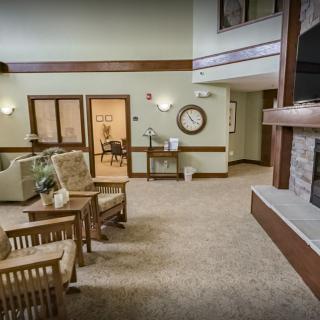
- The facility is nice and relatively new, with good meals.
Cons
 The facility has no staff to care for people.
- It is unconscionable to call this a rehabilitation hospital.
- The staff are unprofessional, uncaring, and sometimes mean.
- There was very little care due to a lack of staff; the patient’s food was cold and no nurse was available.
- It feels like a place to dump your parents so you don’t have to be bothered.
- The staff were rude to the grandmother, tore apart her CPAP, and were slow to respond, taking about ten minutes to reach rooms.
Review
E W Thompson Health & Rehabilitation Center in Sedalia, Missouri is best suited for families and residents who want a warm, rehab‑focused environment where therapists drive progress and caregivers treat residents with genuine TLC. The facility’s private rooms and generally decent meals appear to support a comfortable stay, and when staff are present, a family‑like culture tends to emerge. For those pursuing short‑term rehabilitation, with active family involvement and an emphasis on individualized therapy goals, this center can deliver meaningful recovery in a setting that feels personable rather than sterile.
But this community is not for everyone. Alternatives should be considered for families and residents who require consistent, round‑the‑clock nursing attention, steady staffing on every shift, and unfailingly respectful interactions. Several accounts describe days with minimal staff, long waits for assistance, and care gaps that force family members to intervene for basic needs. Reports of unprofessional or unkind behavior, alongside situations where residents are not treated with dignity, give pause for anyone managing complex medical needs or cognitive impairments.
On the upside, the key advantages center on rehab quality and the human touch behind therapy. When the therapy team is engaged, residents can receive focused physical and occupational rehabilitation, with staff who are attentive and compassionate. The private rooms and the potential for decent meals, plus some social programming like movie nights or cards, contribute to a recovery atmosphere that can feel respectful and uplifting. In scenarios where staffing aligns with resident needs, these positives translate into real progress and a sense of being cared for.
The most persistent drawbacks, however, temper the overall value. Staffing gaps and uneven coverage push care timelines out of sync, meals can arrive cold, and routine help can become inconsistent. Instances of rough treatment or dismissive interactions toward residents surface in some reports, eroding trust and safety. The night shift, in particular, is described by some as slow to respond, and when those gaps are recurring, the risk of neglect or miscommunication rises. Taken together, these cons create a reliability question that cannot be ignored.
These pros can offset concerns only with proactive oversight from families and a stable, predictable therapy program. For residents who benefit from strong rehab services and a nurturing staff culture, the center can be a solid choice when care plans are actively managed and communication channels stay open. Yet the core risk remains: inconsistent staffing undermines consistency, safety, and timely assistance, the kind of factors that matter most for seniors with ongoing medical or functional needs. In other words, this community can work, but only for families willing to demand visibility and accountability, and only if staffing patterns support steady, high‑quality care.
Before deciding, conduct a thorough onsite evaluation with the administrator and demand current staffing data for days, nights, and weekends. Speak directly with several frontline caregivers and multiple residents about daily routines, response times, and the quality of meals, and request a tour of therapy spaces to gauge activity and engagement. Clarify discharge planning and ensure there is a dedicated liaison who will coordinate with family throughout the rehab timeline. If consistent, respectful care and reliable nursing attention are non‑negotiable, this community may be worth pursuing; if not, exploring facilities with stronger staffing guarantees is prudent.
 60 resident community capacity
 Skilled Nursing Facility
 Air-conditioning
 Beauty salon
 Cable or satellite TV
 Computer center
 Dining room
 Fitness room
 Fully furnished
 Gaming room
 Garden
 Housekeeping services
 Kitchenette
 Move-in coordination
 Outdoor space
 Private bathrooms
 Restaurant-style dining
 Small library
 Telephone
 Wellness center
 Wi-Fi/high-speed internet available
 Community operated transportation
 24-hour call system
 Activities of daily living assistance
 Assistance with bathing
 Assistance with dressing
 Assistance with transfers
 Diabetes diet
 Medication management
 Special dietary restrictions
 Concierge services
 Planned day trips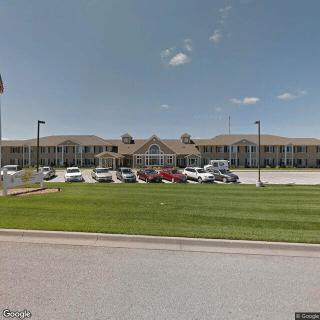



 Managing Nursing Home Expenses After Medicare Coverage Ends
 Is a Geriatric Care Manager the Right Choice for Your Family?
 Compassionate Conversations: How to Comfort Someone Who Is Grieving