
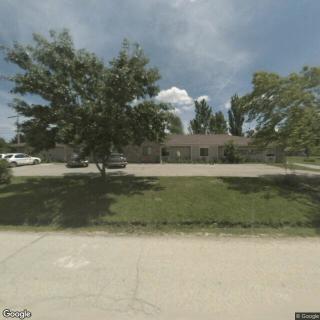
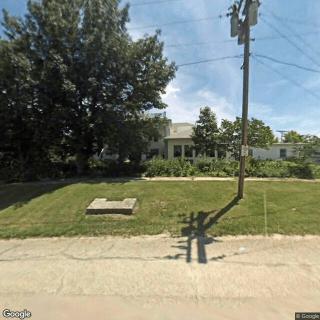
611 North College, Princeton, MO 64673
For more information about senior living options: (866) 208-4318
Overall Review of Pearl's II Eden For Elders
Pros
 The facility was clean.
Cons
 The staff were not friendly at all.
- They did not acknowledge the guest upon arrival.
- They did not say hello.
- They pointed the guest to the dining room and did not speak.
Review
Pearl's II Eden For Elders in Princeton, MO is best suited for seniors who prize a clean, orderly, and straightforward living environment where routines and upkeep are reliable. This community caters to residents with modest care needs who want a calm, home-like setting without the bustle of larger campuses. Families seeking a budget-conscious option with predictable spaces and minimal friction in daily operations will find it aligns well with those priorities. It is a good fit for individuals who can be more autonomous or lightly assisted and who prefer quiet surroundings over highly social programming.
Those who may want to consider alternatives are clear: if consistent warmth from front-line staff is non-negotiable, this community may fall short. Families prioritizing highly engaging social activities, proactive resident engagement, or a consistently welcoming dining experience should explore other options. For residents who require rapid, proactive assistance with daily living tasks or who rely on a team that actively greets, guides, and checks in, looking at facilities with stronger front-door hospitality and more visible caregiver engagement would be prudent.
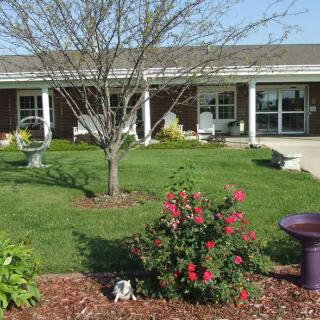
On the plus side, cleanliness stands out as a genuine strength. The spaces feel well-kept, orderly, and safe, which matters greatly for comfort and peace of mind. The favorable reviews, though limited in detail, imply that residents appreciate the basic quality of life, tidy rooms, reliable maintenance, and a calm atmosphere that supports a steady routine. In a market where upkeep can deteriorate under pressure, this consistency provides a solid foundation that can translate into fewer daily worries for residents and families alike.
The primary drawback appears in the realm of staff interactions. Reported experiences describe front-desk warmth as noticeably lacking, no acknowledgment upon arrival and minimal guidance when questions arise. The dining room is mapped out rather than explained, and residents or visitors can feel left to fend for themselves instead of being welcomed. Such a tone can undermine the sense of belonging, especially during first impressions or transitions, and it raises questions about how responsive the team will be when care needs evolve. In short, warmth and engagement are the missing pieces that could dramatically improve the overall experience.
Yet the main pros and cons are not irreconcilable. Clean, predictable environments often suit residents who value stability and straightforward service, and those benefits can be substantial when the care needs stay modest. The key is management-driven improvement in customer service: a simple enhancement like a friendly greeting, a designated staff contact for newcomers, and clearer conversations about meal options and programming can elevate the experience without sacrificing the existing strengths. If leadership commits to consistent, courteous front-line interactions, the positive impressions from cleanliness and affordability can translate into a genuinely well-rounded option.
In the end, Pearl's II Eden For Elders presents a pragmatic choice for families prioritizing a tidy, low-stress setting with reliable upkeep and predictable routines. It becomes a strong recommendation for residents who can tolerate uneven warmth from staff while focusing on the stability of daily life. For those where social connectedness, proactive hospitality, and warmly guided dining are essential, it is wise to compare other communities first. Before deciding, visit with an eye for how staff greet newcomers, how questions are answered, and whether the overall tone feels inviting enough to support a sense of home from day one. Ask pointed questions about staffing practices, response times, and the opportunities for resident involvement to ensure the decision aligns with long-term comfort and care needs.
 60 resident community capacity
 Skilled Nursing Facility
 Air-conditioning
 Beauty salon
 Cable or satellite TV
 Computer center
 Dining room
 Fitness room
 Fully furnished
 Gaming room
 Garden
 Housekeeping services
 Kitchenette
 Move-in coordination
 Outdoor space
 Private bathrooms
 Restaurant-style dining
 Small library
 Telephone
 Wellness center
 Wi-Fi/high-speed internet available
 Community operated transportation
 24-hour call system
 Activities of daily living assistance
 Assistance with bathing
 Assistance with dressing
 Assistance with transfers
 Diabetes diet
 Medication management
 Special dietary restrictions
 Concierge services
 Planned day trips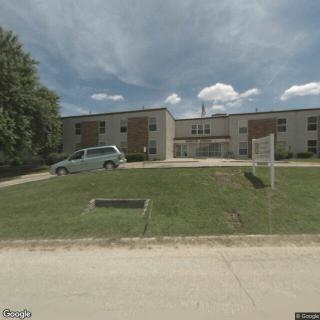

 Compassionate Conversations: How to Comfort Someone Who Is Grieving
 Home Health Care Aides: Understanding Their Role and Supporting Your Family
 Urinary Tract Infections in Older Adults: Comprehensive Insights on Symptoms, Treatment, and Prevention