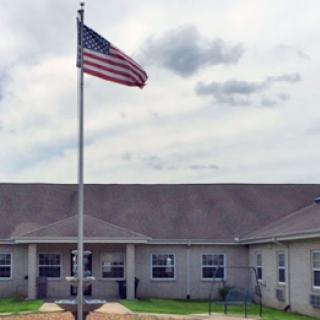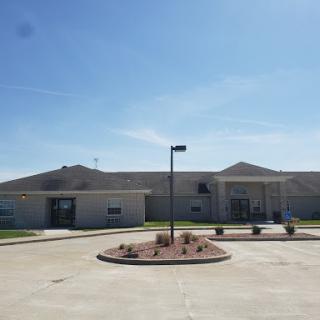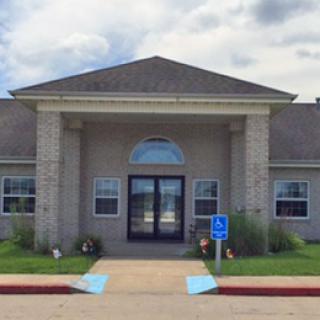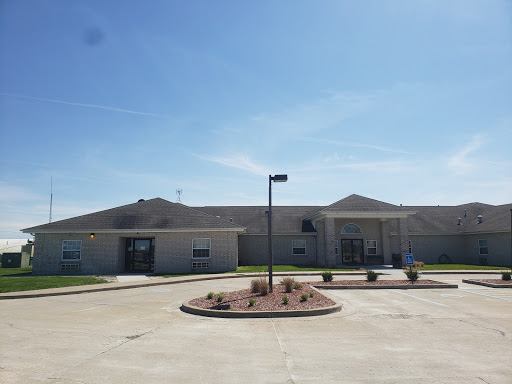
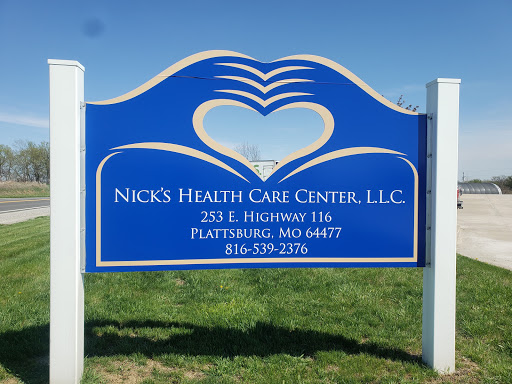
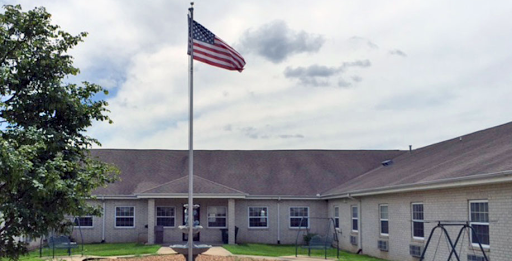
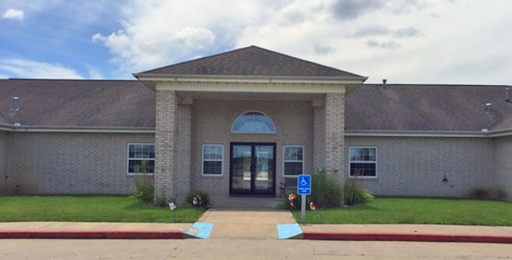
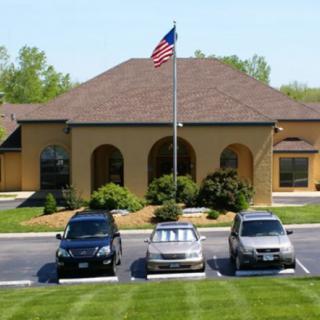
253 East Highway 116, Plattsburg, MO 64477
For more information about senior living options: (866) 208-4318
Overall Review of Nick's Health Care Center
Pros
 The facility is a great place with good staff.
- Christy and Brandi are always smiling and happy to help all of the residents.
- The staff treated residents with dignity and clearly cared about them.
- Christy, the social worker, is absolutely amazing and cares like no other.
- Grandparents receive great care at this facility.
- Residents are treated like family by the staff.
- The staff are amazing, kind, and pleasant, and their interactions with residents are precious, professional, and loving.
- The facility is fantastic for the elderly, with great food.
Cons
 It is described as a very bad place, from social services to the director on down.
- The reviews attribute the son's untimely, wrongful death to the care provided there.
- The son allegedly cried for help, could not eat, sat in vomit, and spent his nights in tremendous pain.
- Residents are said to have been subjected to abuse by fellow man.
- It is hard to reach the staff on weekends; they do not answer phones, making it impossible to reach a loved one.
- The facility is described as short-staffed and neglectful, with overworked nurses and patients paying for it.
Review
Nick's Health Care Center in Plattsburg is best suited for families seeking a warm, home-like atmosphere where residents are known personally by staff, where daily kindness is a defining feature, and where family involvement is welcomed and facilitated. It is a facility that rewards those who value amiable, consistent caregiving and regular access to medical oversight. The strongest fit emerges for seniors who want to feel treated like individuals within a nurturing community, rather than as a number, and who appreciate a social-work presence that keeps family members in the loop. The 4.2 overall rating reflects a marketplace reality: abundant warmth and trust in day-to-day interactions, with room for caution in areas that can blunt the otherwise strong positives.
That said, there are clear reasons why some families may want to consider alternatives. The most consequential red flag from the reviews is weekend accessibility, difficulty reaching staff, which can leave a loved one waiting for help. Related concerns point to staffing pressure at times, where overworked nurses may struggle to keep up with demand. For residents with higher medical acuity, or for those who require near-constant monitoring and rapid response, Nick’s may not consistently deliver the level of immediacy some families expect. The existence of a deeply negative account alleging abuse and neglect heightens the need for rigorous, firsthand diligence before placing anyone with elevated vulnerability. These factors separate a best-fit scenario from a cautionary one.
The facility’s strengths center on human connection and professional warmth. Staff members frequently portrayed as treating residents like family, with genuine, compassionate behavior that residents feel and families notice. The social worker, Christy, is repeatedly singled out for remarkable care and advocacy, suggesting a genuine commitment to residents’ emotional and social well-being as well as their medical needs. Doctor visits three times per week give the community a practical level of medical oversight without requiring residents to navigate multiple external appointments. In practice, this combination, caring day-to-day interaction plus accessible medical input, often translates into steadier, more peaceful days for residents and clearer, more confident communication with families.
These positives, however, are tempered by the real concerns about staffing consistency and weekend access. Short-staffing can translate into slower response times and periods when residents’ needs are not addressed as promptly as preferred. The perception that some nurses are overworked underscores a shared risk: even a well-intentioned, family-oriented culture can be undermined if staffing ratios do not keep pace with acuity and turnover. The most serious caution is not merely about occasional delays; it is about ensuring a dependable safety net for every shift, especially when medical issues arise after hours. Families should probe how the facility prioritizes staffing, escalation procedures, and weekend coverage to see if the current model aligns with their loved one’s risk profile.
To move from consideration to confident decision, construct a practical, bite-sized due diligence plan. Schedule a live tour and observe how staff interact with residents, note responsiveness, tone, and whether assistants anticipate needs. Request a direct conversation with the medical director or attending physician to understand how high-acuity needs are managed and how often hospitalizations or ER visits occur. Ask for concrete staffing data: average nurse-to-resident ratios by shift, weekend coverage plans, and the process for urgent calls after hours. Speak with multiple residents and family members about communication patterns, how and when updates are delivered, and whether concerns are escalated promptly. Finally, review state inspection records and incident reports for context on any past concerns and how they were resolved.
In the end, Nick’s Health Care Center offers a compelling mix of warmth, dignity, and practical medical oversight that can be a life-changing fit for families prioritizing a home-like environment and attentive care. The positive experiences documented by many residents and families matter deeply, delivering comfort that care is performed with empathy and respect. Yet the caveats deserve serious weight: weekend accessibility gaps, staffing pressures, and the existence of a particularly troubling negative account. If these are the kinds of risks that a family is prepared to manage with proactive oversight, Nick’s can be an excellent match. If not, exploring alternative communities with stronger guarantees on staffing consistency and after-hours responsiveness will be prudent.
 70 resident community capacity
 Skilled Nursing Facility
 Air-conditioning
 Beauty salon
 Cable or satellite TV
 Computer center
 Dining room
 Fitness room
 Fully furnished
 Gaming room
 Garden
 Housekeeping services
 Kitchenette
 Move-in coordination
 Outdoor space
 Private bathrooms
 Restaurant-style dining
 Small library
 Telephone
 Wellness center
 Wi-Fi/high-speed internet available
 Kansas City International (24 miles away)
 Community operated transportation
 24-hour call system
 Activities of daily living assistance
 Assistance with bathing
 Assistance with dressing
 Assistance with transfers
 Diabetes diet
 Medication management
 Special dietary restrictions
 Concierge services
 Planned day trips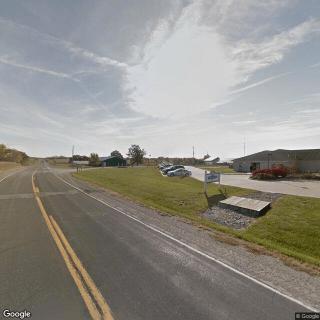



 Home Health Care Aides: Understanding Their Role and Supporting Your Family
 Urinary Tract Infections in Older Adults: Comprehensive Insights on Symptoms, Treatment, and Prevention
 California's Form 602A: An In-Depth Examination of Senior Care Assessment