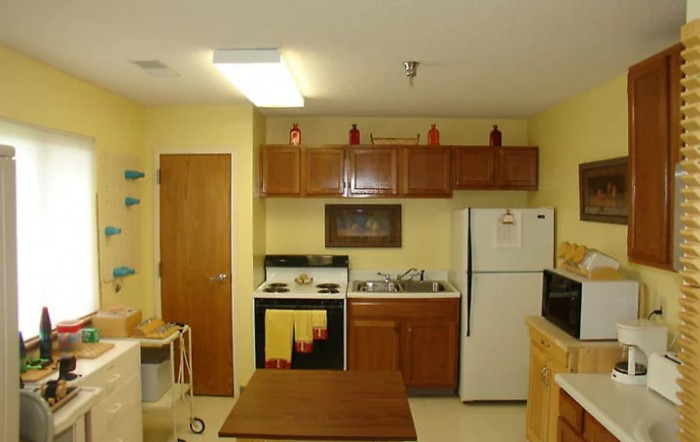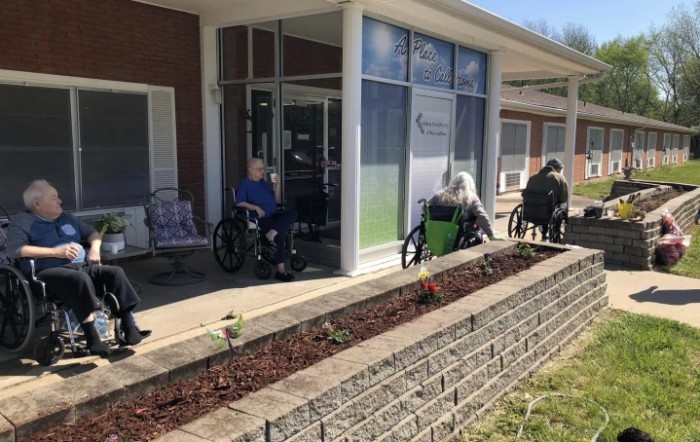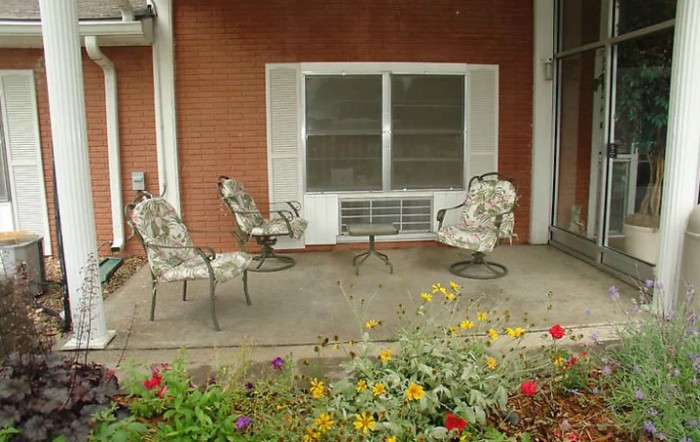
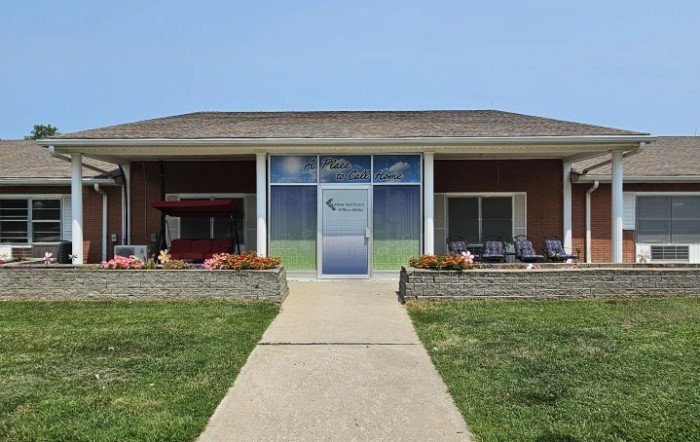









609 Golf Street, Odessa, MO 64076
To contact a resident: (816) 230-7348
For more information about senior living options: (866) 208-4318
Golden Living Center - New Haven Costs & Pricing
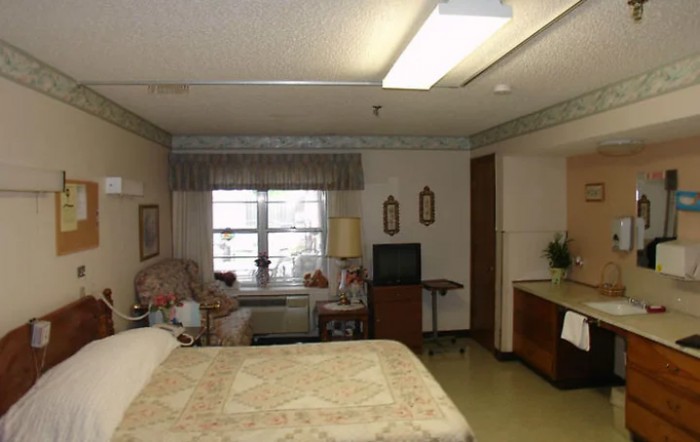
At Golden Living Center - New Haven, the monthly cost for a semi-private room is $4,100, which positions it slightly above the average costs in both Lafayette County and the overall state of Missouri. Specifically, Lafayette County averages around $3,800 per month, while Missouri's statewide average stands at approximately $3,772. This pricing reflects not only the quality of care and services provided at Golden Living Center but also its commitment to ensuring a supportive environment for residents. While it may be higher than local and state averages, potential residents and their families should consider the comprehensive care options and amenities that contribute to this investment.
| Floor plans | Golden Living Center - New Haven | Lafayette County | Missouri |
|---|---|---|---|
| Semi-Private | $4,100 | $3,800 | $3,772 |
Skilled Nursing Facilities with a similar price nearby
-
About the same
Independence Manor Care Center
$3,990 to $4,140 / month24.1 miles away -
from +$125 / mo

Truman Gardens
$4,225 to $4,735 / month22.8 miles away
Overall Review of Golden Living Center - New Haven
Pros
 The staff is great.
- They are very friendly.
- Staffing ratios are great.
- The nursing staff is exemplary.
- The nurses are kind, caring, and attentive.
- The administration is very reasonable.
- They accommodate concerns whenever possible.
- The food is very good.
- The facility has an A+ rating.
Cons
 The facility is understaffed.
- There is poor management of medical conditions by the doctor in charge.
- The food is average at best on the days they actually have a cook.
Review
Golden Living Center - New Haven in Odessa, MO is best suited for families that prioritize a warm, hands-on caregiving culture where frontline nursing staff truly make a difference in daily life. This community tends to shine in the intimate, day-to-day interactions that define comfort and security for residents who need regular assistance with activities of daily living. Families leaning toward a facility where nurses are readily available, compassionate, and attentive will find real value in the bedside care and the accessible, practical approach of the administration.
Those for whom medical oversight and consistent staffing are non-negotiable should consider alternatives. Several reviewers raise concerns about staffing stability and about medical management under the doctor in charge, signaling that medical coordination may be uneven from day to day. Additionally, while the kitchen can deliver very good meals when a cook is present, food quality can vary when the kitchen schedule is inconsistent. For families whose loved ones require steady physician oversight, predictable staffing patterns, or a guaranteed, high-quality dining program every day, exploring other options will be prudent.
The strongest positives here center on the nursing staff and the administration’s responsiveness. Families repeatedly praise nurses for kindness, attentiveness, and genuine caregiving, qualities that translate into real reassurance for loved ones and their families. The administration is described as reasonable and accommodating, able to address concerns in a constructive way, which matters when care needs evolve or adjustments are required. When the kitchen is fully staffed, meals rise to a level that many residents and families genuinely appreciate, adding to overall satisfaction and comfort. In that sense, the core caregiving relationship, nurse to resident, consistently proves to be the facility’s most reliable asset.
Yet these strengths do not completely erase the main drawbacks. The understaffing reports, even if not universal, create a meaningful tension for families who worry about consistency across all shifts, weekend coverage, or peak times. The medical-management concern, specifically the impression that the doctor in charge does not always manage conditions as effectively as expected, can undermine confidence for residents with complex or evolving needs. And because meal quality appears tied to the presence of a cook, days without cooking staff can leave dining experiences feeling less satisfying. Taken together, these issues can tilt the balance for families who demand unwavering medical coordination and a consistently excellent dining program.
For families evaluating this community, a practical, approach-driven due diligence is essential. Tour at different times to observe nurse-to-resident interactions and the rhythm of care across shifts. Specifically ask for current staffing ratios by shift and request to see recent care plans and physician visit schedules so medical oversight consistency can be gauged. Inspect the kitchen operation: confirm the regular presence of a cook, review sample menus, and ask how meals are adapted for dietary restrictions. Speak with current residents’ families privately to learn how concerns are handled and how responsive administration has been in real cases. These steps will reveal whether the day-to-day reality aligns with the reassuring rhetoric or exposes gaps that matter most.
In the end, Golden Living Center - New Haven offers a compelling combination of compassionate frontline care and approachable administration that can create a very good living environment for seniors who value connection, warmth, and attentiveness. It stands as a solid choice for families prioritizing caregiver rapport and a responsive leadership team, with meals and daily care that can be excellent when conditions allow. However, for loved ones whose care hinges on guaranteed medical oversight, stable staffing throughout every shift, and consistently high-quality dining without exception, it is wise to compare alternatives that may deliver stronger consistency on those fronts. A candid tour and targeted questions will determine whether this community becomes the trusted home or if several other options better meet the family’s non-negotiables.
 Skilled Nursing Facility







 Navigating Medicare Coverage for In-Home Care Services
 In-Home Care Costs in 2025: A Detailed State-by-State Exploration
 Understanding Home Health Care: A Comprehensive Guide