
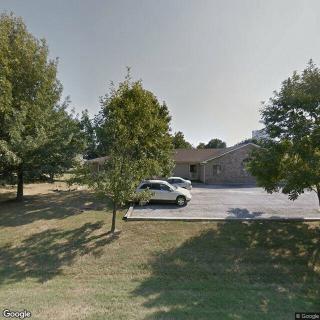
206 West First Street, Lamar, MO 64759
For more information about senior living options: (866) 208-4318
Overall Review of Truman Healthcare & Rehabilitation Center
Pros
 The staff is friendly.
- The staff is nice, very helpful, and knowledgeable.
- The place is great and friendly.
- The staff provides updates to family members.
- The facility is older but very clean.
- The staff did an excellent job.
- The staff were kind and caring.
- The people are friendly.
Cons
 The staff is unprofessional and rude.
- The facility is frequently understaffed and call lights go unanswered for long periods.
- Showering occurs only once a week, not the twice-weekly standard.
- The therapy jacuzzi has been broken for almost two months.
- Meals are often incomplete or wrong, and basics like milk, syrup, or eggs run out.
- Residents report bugs, dirty rooms, and overall poor cleanliness.
- The reviewer alleges fraud against U.S. taxpayers.
Review
This community is best suited for families and residents who are budget-conscious and primarily need modest daily assistance or short-term rehab in a straightforward, no-frills setting. It can work for someone who can tolerate periodic lapses in service and minor environmental niggles, and who is hopeful that staff turnover and maintenance gaps will not persist. It is not the right fit for those who require constant supervision, highly attentive care, or a consistently clean, well-run environment. Families seeking a facility with robust safety protocols, reliable call-light responsiveness, and consistently complete meals and a spotless room should look elsewhere. Alternatives should be considered for seniors who need steady, proactive engagement from a large, stable caregiving team, or who demand a consistently fresh dining program and well-maintained facilities.
On the upside, the facility does have residents and families who describe the staff as friendly and caring when present, with moments of clear communication and updates that reassure families during a stay. A portion of reviewers found value in the basic services offered and felt the atmosphere could be suitable for short-term or transitional care. For some families, the setting appeared quiet and manageable, and a few visits left a sense that staff were trying to do right by residents within the constraints of a lower-budget operation. In aggregate, these positive threads indicate that the place can feel livable under the right circumstances, particularly when expectations align with the realities of a budget-conscious nursing home.
The most consequential drawbacks, however, are systemic and persistent. Understaffing shows up as slow call-light response times, difficulty locating help for basic needs like bathroom assistance or meals, and a general sense that residents must “hunt” for attention. The day-to-day care picture is marred by routine quality concerns: meals often come incomplete or incorrect, staples like milk and eggs run out, and there are reports of limited showering frequency and insufficient housekeeping attention. These problems are not isolated anecdotes but recurring themes that undermine safety and dignity, including alarming accounts of falls and residents not receiving timely help. Structural issues, outdated rooms, lingering odors, and visible maintenance wear such as loose fixtures, compound the sense of a facility that struggles to keep up with basic expectations.
Because the pros and cons sit in tension, the degree to which the positives offset the negatives will hinge on individual needs. For a highly independent senior or a rehabilitation patient who views cost as a primary driver and can tolerate inconsistent service, the affordability and occasional kindness of the staff may be acceptable. For anyone who requires reliable assistance, continuous monitoring, or a consistently clean and well-maintained environment, the negatives overwhelm the potential upside. The apparent gaps in safety, responsiveness, and daily routine can quickly erode trust and comfort, making it hard for families to overlook fundamental care flaws. In practical terms, the facility may satisfy a narrow slice of users, but it does not consistently deliver the dependable standard many families expect from long-term living.
From a decision-making standpoint, several red flags deserve careful scrutiny before committing. First, evaluate the level of care needed now and projected for the next 12–24 months. If frequent assistance with activities of daily living, toileting, or mobility is anticipated, this facility may fall short. Second, insist on witnessing a current, comprehensive tour that includes a live check of call bells, meal service, housekeeping routines, and bathroom accessibility. Ask for recent state inspection results, staff-to-resident ratios, and specifics on how often rooms are cleaned and odors mitigated. Third, probe food service: how often meals are complete, what substitutions are common, and what backup plans exist when staples run out. Finally, test the environment: visit at different times of day, inspect room size and privacy, and note any safety hazards or maintenance needs. If any of these checks reveal ongoing weaknesses, alternatives should be strongly considered.
Bottom line: Truman Healthcare & Rehabilitation Center presents a clear trade-off. It may appeal to families seeking a low-cost option and a basic level of care, particularly for short stays or transitions, where budget constraints trump flawless execution. Yet the pervasive concerns around understaffing, safety, cleanliness, and inconsistent meals cannot be ignored. For families prioritizing safety, reliable responsiveness, and a consistently clean, well-maintained environment, alternatives are highly advisable. In the absence of a strong personal rapport with the staff or a concrete plan to address the most urgent deficits, proceeding here should be a cautious, time-bound experiment rather than a long-term commitment. A prudent approach is to treat the first 30 days as a rigorous evaluation period, with explicit benchmarks for response times, meal accuracy, and room upkeep, and to have a ready plan to transition if those benchmarks aren’t met.
 123 resident community capacity
 Skilled Nursing Facility
 Air-conditioning
 Beauty salon
 Cable or satellite TV
 Computer center
 Dining room
 Fitness room
 Fully furnished
 Gaming room
 Garden
 Housekeeping services
 Kitchenette
 Move-in coordination
 Outdoor space
 Private bathrooms
 Restaurant-style dining
 Small library
 Telephone
 Wellness center
 Wi-Fi/high-speed internet available
 Community operated transportation
 24-hour call system
 Activities of daily living assistance
 Assistance with bathing
 Assistance with dressing
 Assistance with transfers
 Diabetes diet
 Medication management
 Special dietary restrictions
 Concierge services
 Planned day trips





 Supportive Employee Benefits That Help Caregivers Attain Better Work-Life Harmony
 Top Cars for Senior Drivers and Essential Safety Innovations
 A Closer Look at Private Pay Home Care