



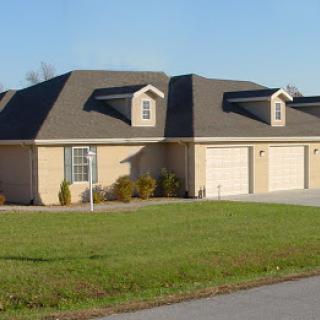

400 East Hospital Road, El Dorado Springs, MO 64744
For more information about senior living options: (866) 208-4318
Overall Review of Community Springs Healthcare Facility
Pros
 The staff are excellent and consistently attentive to residents’ needs.
- Families are very happy with Community Springs and appreciate the ongoing wellness visits and open communication.
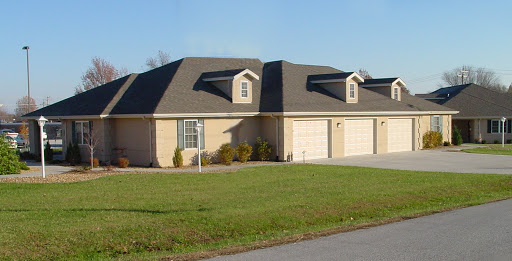
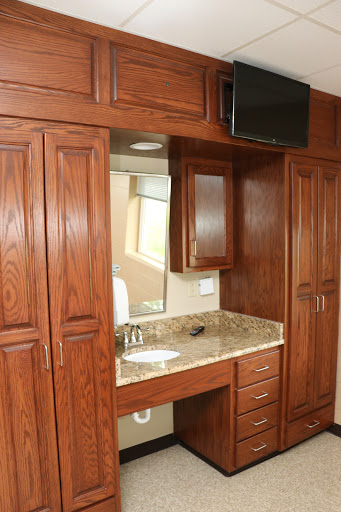
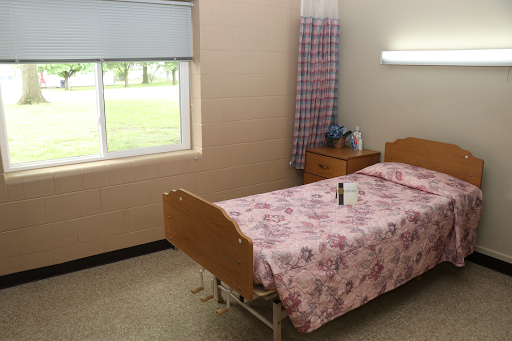
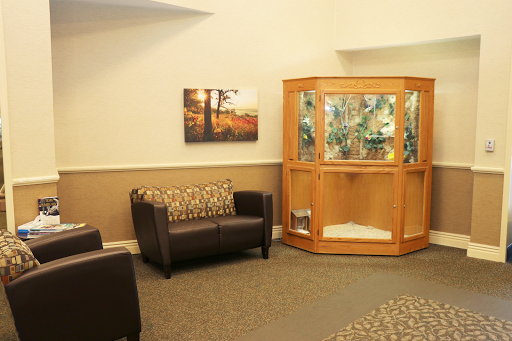
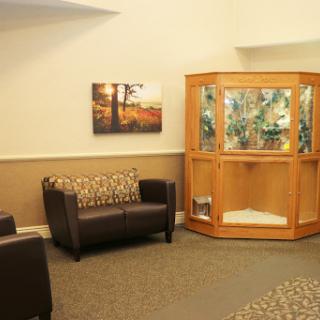
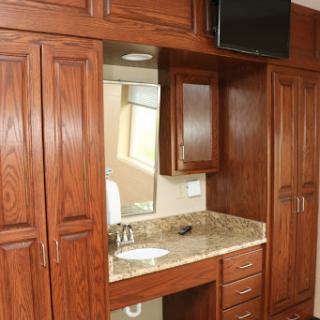
- The facility is clean, well-kept, and recently remodeled, contributing to a welcoming environment.
- The healthcare team, including doctors and nurses, collaborates effectively to monitor residents’ well-being.
- Garden visits are supported, allowing families to connect with their loved ones even during COVID.
- The care team demonstrates genuine compassion and leadership, often going above and beyond in care and emergencies.
- Residents enjoy a variety of activities, and regular newsletters and photos help keep families engaged.
Review
Community Springs Healthcare Facility in El Dorado Springs is best suited for families seeking a hands-on, communication-forward senior care option where staff responsiveness and visible care planning guide daily life. It is well matched to elders who value regular updates, proactive coordination among doctors and nurses, and a strong sense of involvement in their own care. The environment rewards families who want to stay engaged, through newsletters, calendars, and the ability to share in activities, and who are comfortable with the possibility of shared-room arrangements if private space is not immediately available or affordable. The remodeled spaces, a on-site beauty shop, and an emphasis on transparent communication strengthen the case for those prioritizing connection and visibility in care.
Conversely, alternatives should be on the radar for families with tighter budgets or for residents who demand guaranteed private accommodations, impeccable hygiene, or a rehab-focused program with very tight staffing and monitoring. Several reviews flag serious red flags: instances of perceived neglect, weight loss, and delayed medical attention; persistent hygiene concerns and a noticeable odor in places; and a few accounts of care gaps that culminated in hospital transfers. While many families sing the praises of the staff, the presence of one-star experiences and beefed-up concerns about consistency suggest that outcomes can vary, and that those needing consistent, uniform quality may want to compare other options before committing.
On the strength side, the most compelling pros center on the care team’s engagement and responsiveness. Families consistently highlight attentive front-line staff who initiate wellness visits, coordinate with multiple clinicians, and communicate clearly about a loved one’s condition. There are memorable moments of leadership and bedside care, from wound dressings to being present during critical moments, that reinforce trust in daily operations. The facility’s approach to family involvement, open door policies, regular check-ins, and shared decision-making, helps families feel secure that their loved one is known and continuously monitored. A well-maintained facility, along with social updates, photos, and calendars, further supports a sense of community and ongoing activity for residents.
Yet the cons cannot be dismissed as minor friction. The cost reality and room configurations present practical trade-offs: shared rooms as a standard option with private-pay paths for more space or amenities. Hygiene and maintenance concerns appear in multiple reviews, with some reports describing odors or rooms that require more frequent cleaning. The most troubling narratives describe neglectful impressions in terms of nutrition, monitoring, or timely medical intervention. Taken together, these points illustrate a risk profile where high-quality interactions and compassionate care are real strengths, but reliability can hinge on staffing levels and day-to-day housekeeping discipline.
The core value proposition hinges on a dynamic combination: proactive nursing leadership and a culture of involving families in care decisions, paired with a relatively bright, welcoming environment and concrete channels for staying informed. When doctors and nurses convene to reassess needs and when dedicated staff actively guide a resident through medical events, the experience shifts from “good enough” to genuinely confident care. The rehab and long-term care orientation, coupled with accessible amenities and social programming, adds practical, day-to-day value for families who want visible, continuous engagement. In this light, the positives can offset the negatives for families who can align finances, room arrangements, and expectations with what the facility reliably delivers.
For a practical, action-oriented conclusion: families weighing Community Springs should plan a thorough on-site assessment. Request a meeting with the care manager to walk through current care plans, staffing ratios, and the specific protocols for wound care and urgent transfers. Inspect private and shared rooms, common areas, and housekeeping routines; ask how often hygiene standards are audited and how odors are managed. Clarify the cost structure, including private-room premiums and any ancillary services, and verify how rehabilitation services are positioned relative to acuity levels. If the goal is a community where staff know residents, respond promptly, and actively involve families in care decisions, Community Springs offers tangible strengths. If guaranteed private space, spotless hygiene, or uniformly consistent outcomes are non-negotiables, other options in the area deserve comparison.
 120 resident community capacity
 Skilled Nursing Facility
 Air-conditioning
 Beauty salon
 Cable or satellite TV
 Computer center
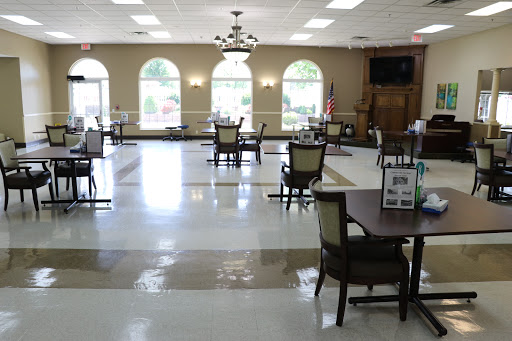
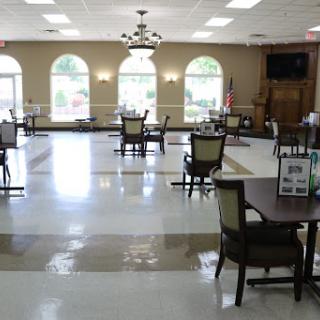
 Dining room
 Fitness room
 Fully furnished
 Gaming room
 Garden
 Housekeeping services
 Kitchenette
 Move-in coordination
 Outdoor space
 Private bathrooms
 Restaurant-style dining
 Small library
 Telephone
 Wellness center
 Wi-Fi/high-speed internet available
 Community operated transportation
 24-hour call system
 Activities of daily living assistance
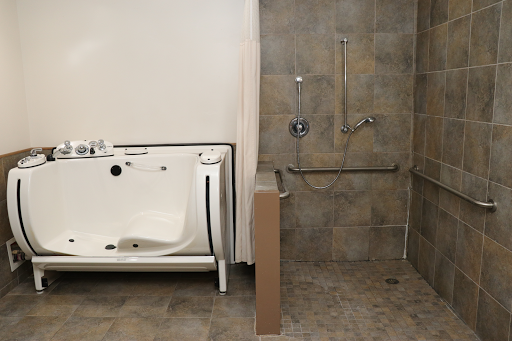
 Assistance with bathing
 Assistance with dressing
 Assistance with transfers
 Diabetes diet
 Medication management
 Special dietary restrictions
 Concierge services
 Planned day trips




 Caregiver Exhaustion: Recognizing the Signs and Restoring Your Well-Being
 Understanding Hospice Care at Home: Comprehensive Services, Key Benefits, and Eligibility
 Understanding the Full Cost of 24/7 In-Home Care: A Detailed Overview