Residents and families repeatedly describe the staff as caring, friendly, and responsive.
Many reviewers say staff treated their loved ones with respect, kindness, and compassion, and they describe a warm, personal approach. Several mention that caregivers helped with day-to-day needs, nursing support, and getting help quickly when something changed. A few also note the facility’s professionalism and that staff worked directly with residents and families to address concerns.
common4 reviews mention this
Facility is consistently described as clean
Reviews frequently highlight the facility’s cleanliness and well-kept appearance.
Multiple reviewers call the nursing center one of the cleanest in the area, and others say they never found it dirty or smelly. Families also describe the space as well maintained, alongside their positive impressions of how staff care for residents’ comfort. This cleanliness theme comes through alongside praise for staff responsiveness.
common5 reviews mention this
Communication updates keep families in loop
Families describe frequent updates that keep them informed about care changes.
Several reviewers say they receive phone calls, updates, or ongoing information when conditions or care needs change. A number of comments also mention specific staff roles sharing details, including nursing or social services, rather than leaving families to guess. Reviewers describe feeling informed during recovery and while their loved ones settled into the facility.
common4 reviews mention this
Therapy and rehab support are noted
Residents who needed recovery support mention therapy and hands-on care.
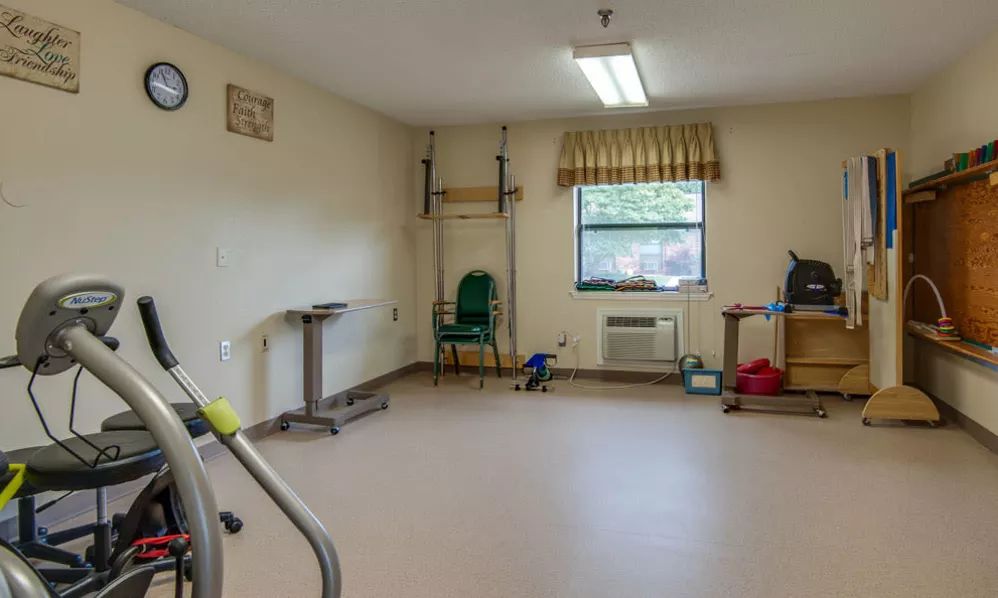
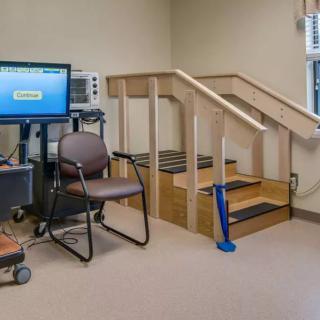
Some reviews describe physical therapy for injuries or post-surgery needs, with caregivers helping residents work toward improvement. Others mention nursing support alongside therapy and wound care when complications came up. The overall tone is that care teams stayed involved during recovery and made progress part of the day-to-day experience.
common4 reviews mention this
Activities and outdoor time stand out
Reviews mention regular activities and time outside for residents.
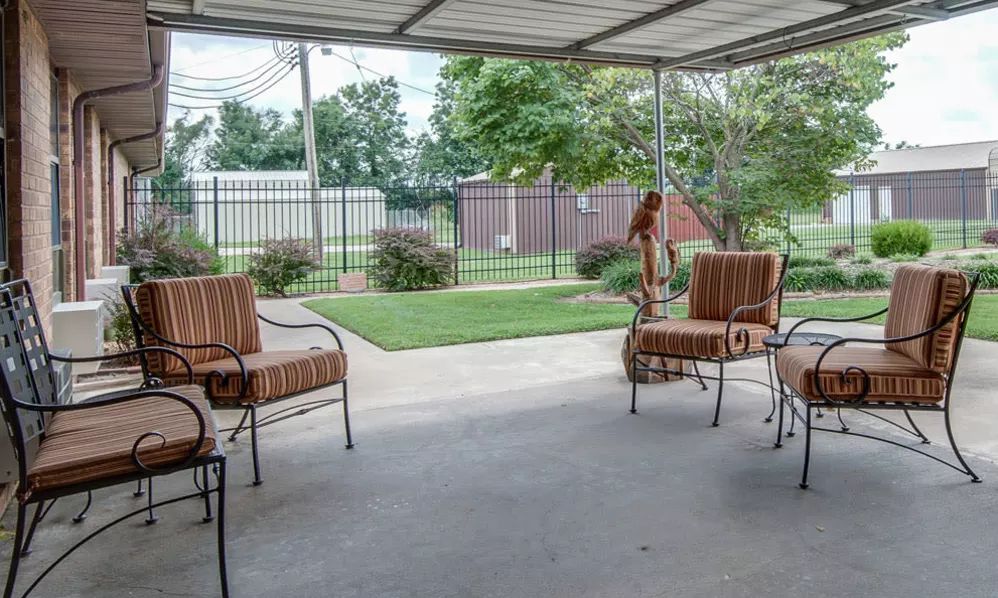
Several reviewers say residents had plenty of activities to stay busy, including outdoor areas they could enjoy. One family also notes that the facility shares activities on social media, making it easier to see what’s happening when they can’t visit. Another reviewer highlights a special celebration like balloons and cake as part of the day-to-day life at the center.
caveat2 reviews mention this
Safety and medication handling concerns
A couple of reviews raise serious concerns about safety and medication reliability.
One reviewer describes medication errors and delays in staff presence, along with missing personal items. Another raises concerns about emergencies like power loss and mentions computers going down affecting medication distribution. These comments stand out as the main negative themes related to safety.
How we summarize
Counts show how many written reviews mention each theme; a review can touch several themes, and only frequently mentioned themes are displayed.
Features
Housing
71 resident community capacity
Types of Care
Skilled Nursing Facility
Amenities
Air-conditioning
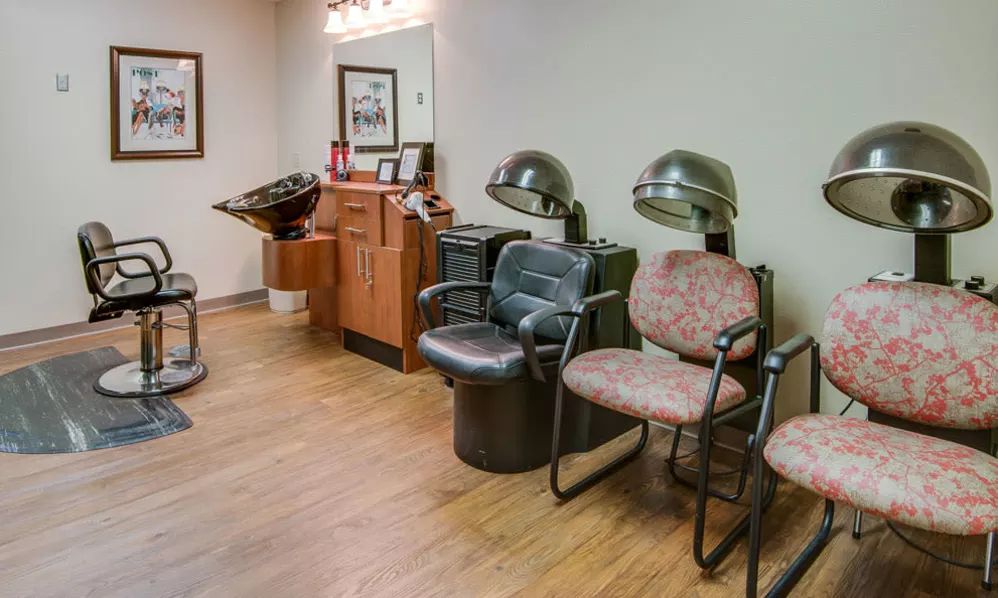
Beauty salon
Cable or satellite TV
Computer center
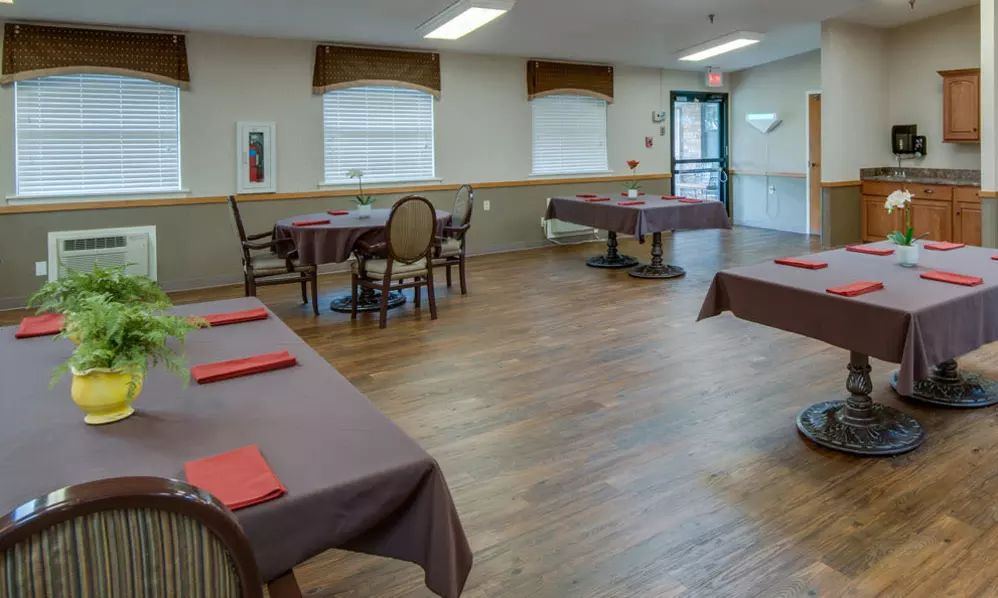
Dining room
Fitness room
Fully furnished
Gaming room
Garden
Housekeeping services
Kitchenette
Move-in coordination
Outdoor space
Private bathrooms
Restaurant-style dining
Small library
Telephone
Wellness center
Wi-Fi/high-speed internet available
Transportation
Community operated transportation
Transportation arrangement
Care Services
24-hour call system
24-hour supervision
Activities of daily living assistance
Assistance with bathing
Assistance with dressing
Assistance with transfers
Diabetes diet
Meal preparation and service
Medication management
Special dietary restrictions
Dining
Diabetes diet
Special dietary restrictions
Activities
Community-sponsored activities
Concierge services
Fitness programs
Planned day trips
Resident-run activities
Scheduled daily activities
Videos
Nearby Places of Interest
Places of Worship
Greater Vision Pen (0.2 miles)
Chaffee Assembly Of God (0.7 miles)
New Hope Christian Ministries (0.7 miles)
Bethlehem: Village Of Hope (3.8 miles)
Southern Baptist Convention (5.4 miles)
Randles General Baptist Parsonage (6.4 miles)
Guardian Angels Rectory (6.8 miles)
Physicians
Chaffee Medical Clinic (0.3 miles)
Clarke Paul W MD (6.8 miles)
Southeast Cancer Center (8.5 miles)
Midwest Surgery Center (8.8 miles)
Midwest Neurosurgeons (8.8 miles)
Cape Radiology Group (8.9 miles)
Harrington Sally Riverside Family Medicine (9 miles)
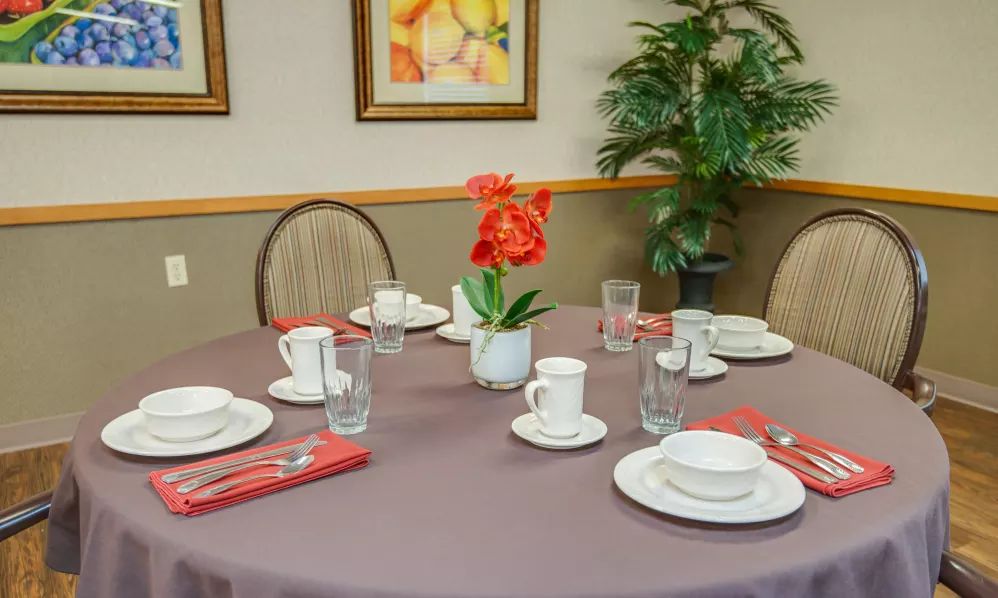
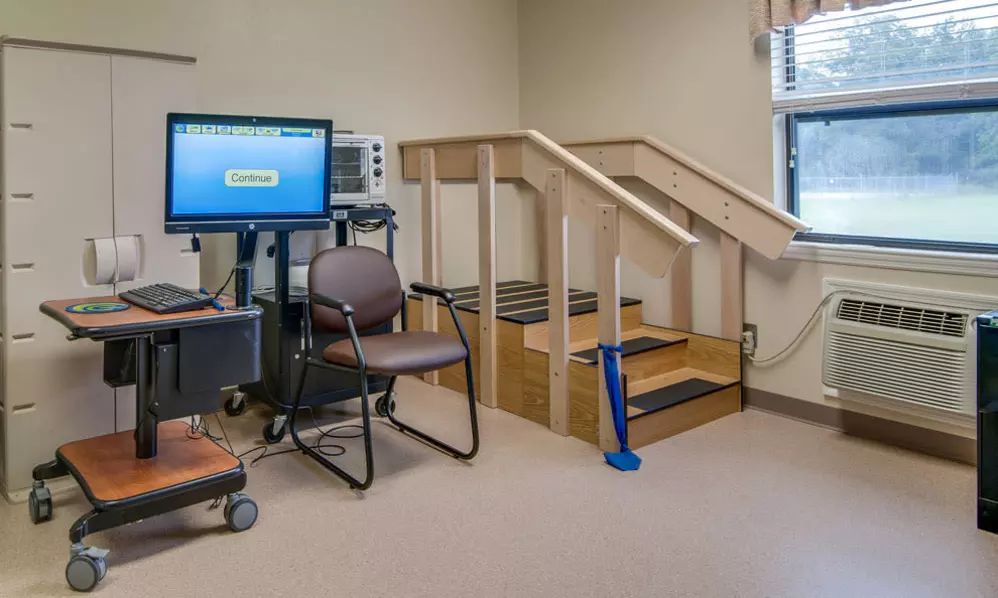
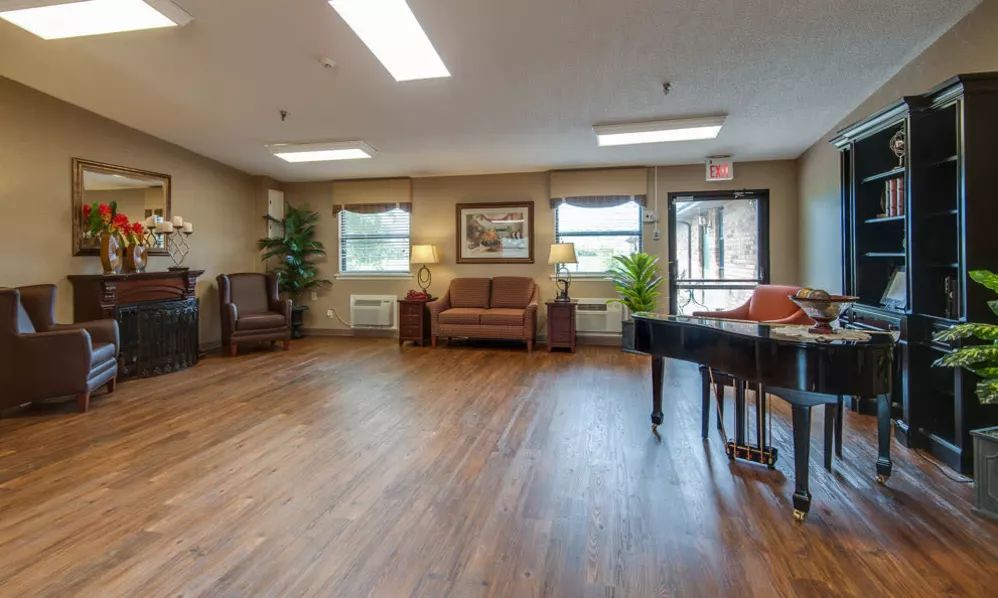
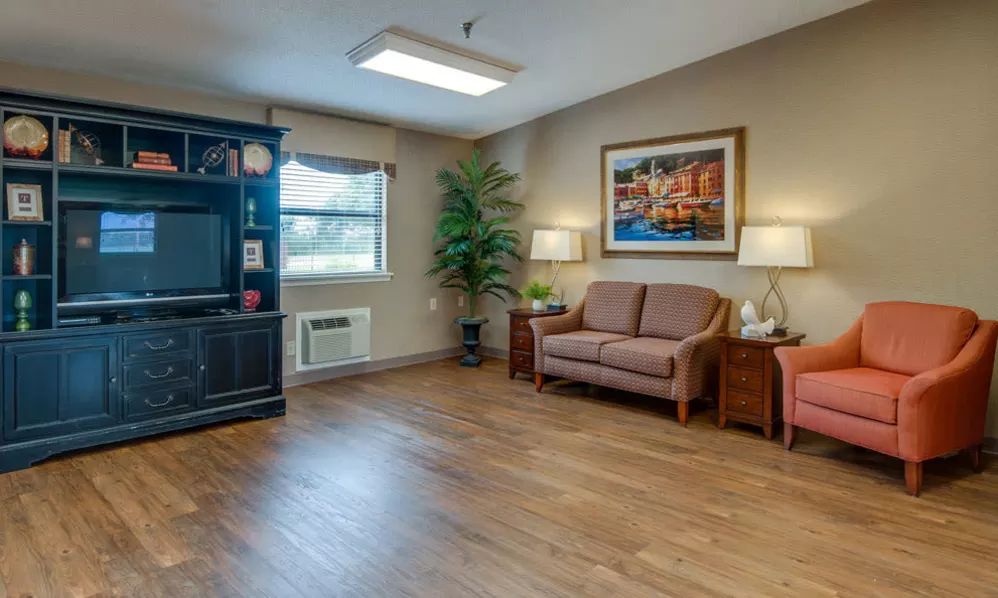
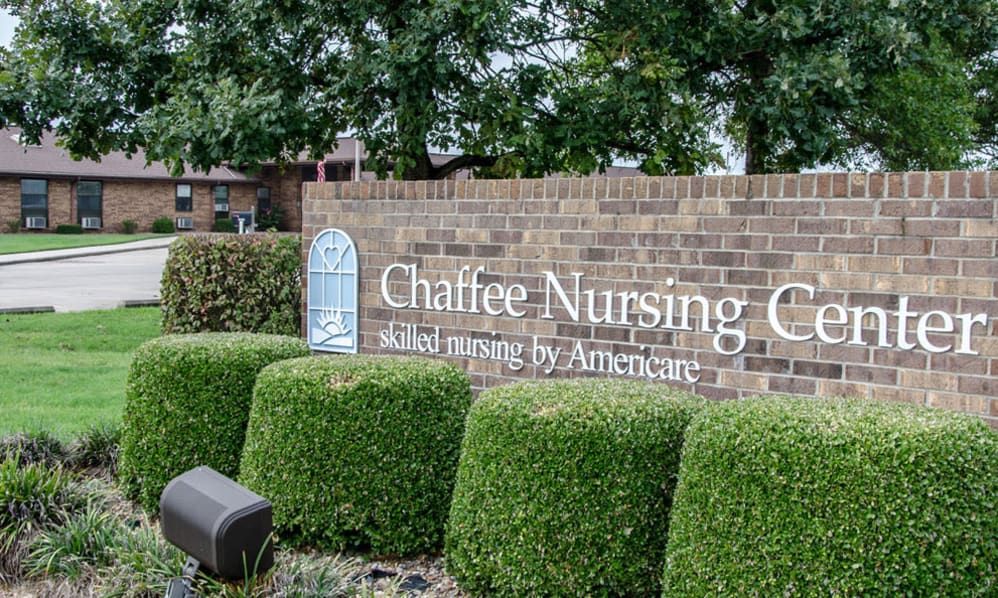
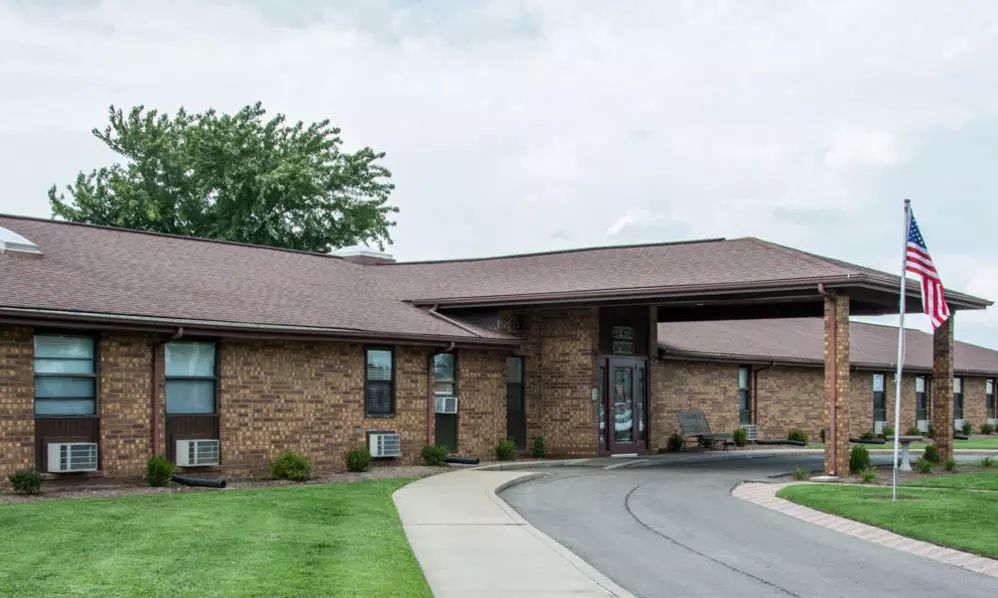
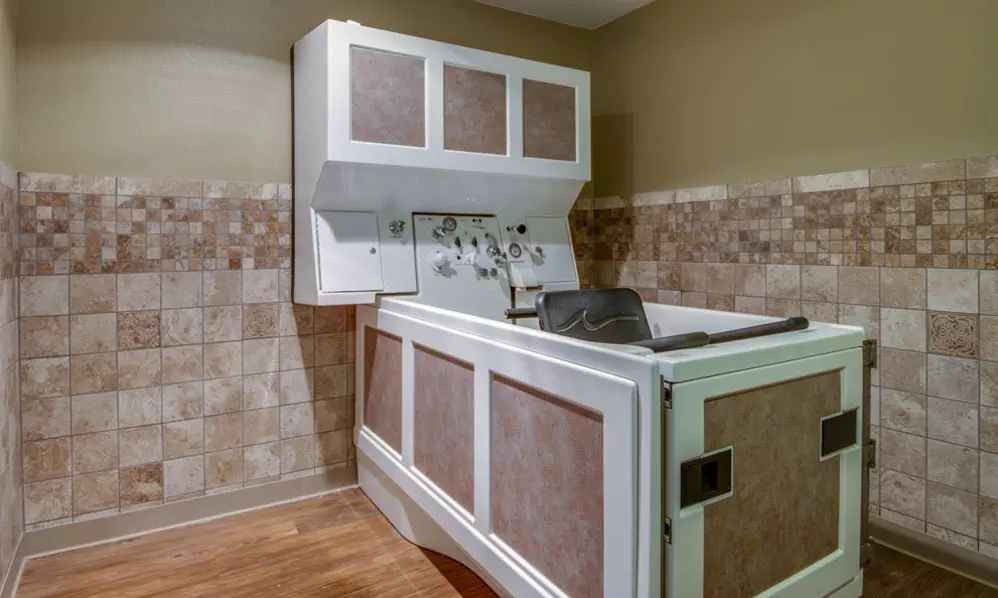
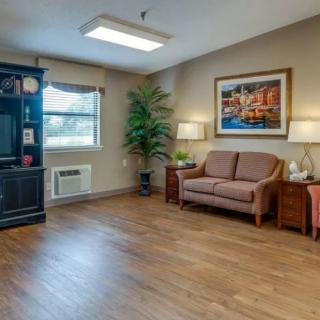
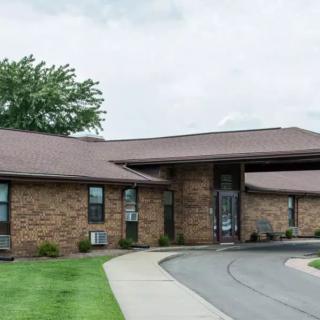
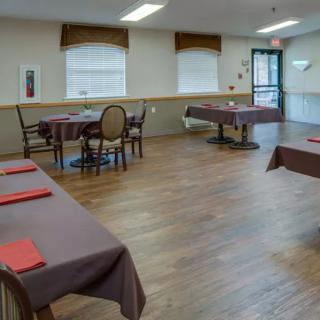
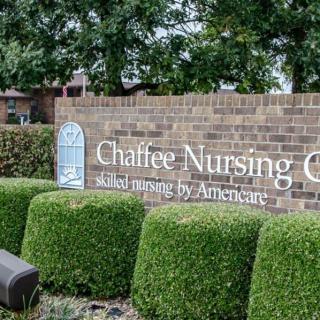
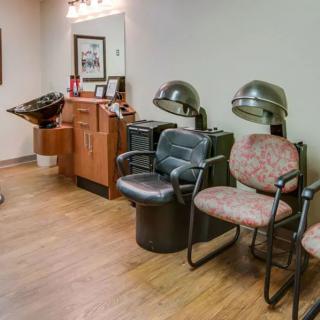
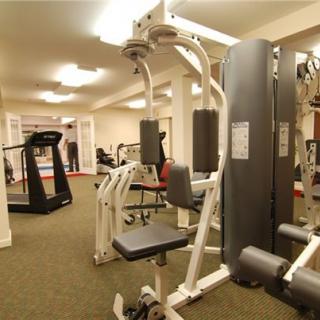
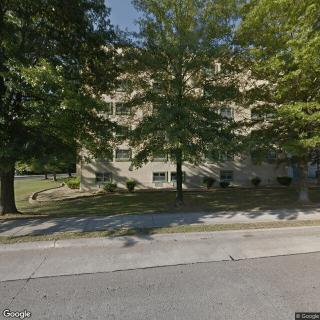
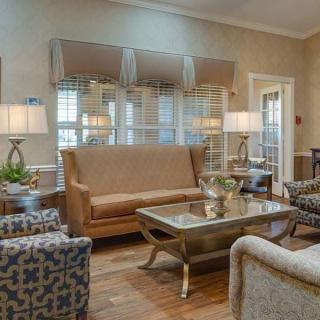
Chaffee Nursing Center on seniors.fyi includes 11 photos including images showing interior, landscaping, dining, physical therapy, windows, outdoor, building, brick, and more.
Nearby Communities
Country Place
Scott City, MO
4.5 from 18 reviews
$2,000 to $3,300 / month
Friendly staff, clean, homelike environment with engaging activities.
Sunshine Villa
Scott City, MO
3.3 from 12 reviews
Specialized diabetic care
Sunshine Villa Homes
Scott City, MO
3.4 from 13 reviews
Intimate, small-capacity setting with 24/7 supervision and comprehensive daily living support.
Scott City Apartments
Scott City, MO
3.7 from 6 reviews
$4,200 / month
Vibrant community with convenient access to cafes, parks, healthcare, worship, transportation, and a nearby hospital.
Saxony Village Retirement Community
Cape Girardeau, MO
Comprehensive continuum of care (CCRC) with memory care and independent living.
Saxony Village
Cape Girardeau, MO
4.7 from 17 reviews
$1,750 to $2,170 / month
Beautiful, well-maintained community with compassionate staff and a wide range of on-site and off-site activities.
Lindenwood Apartments
Cape Girardeau, MO
3.4 from 9 reviews
Prime location with easy access to cafes, parks, pharmacies, doctors, dining, transportation, worship, and entertainment.
Auburn Creek & Arbors at Auburn Creek
Cape Girardeau, MO
4.7 from 14 reviews
$3,131 to $4,836 / month
Caring staff, clean and welcoming environment with engaging activities.
Capetown Senior Living
Cape Girardeau, MO
4.3 from 29 reviews
Warm, homey atmosphere with attentive staff and responsive dining accommodations.
Medicare covers in-home health care services, which are medical and provided by licensed professionals under a physician's supervision, whereas non-medical personal assistance is generally not covered unless part of a broader skilled care plan. Eligibility for benefits depends on being homebound and needing intermittent skilled services from a Medicare-certified agency, with specific coverage limitations and additional resources available for navigating options.
In-home care is increasingly sought after by older adults for maintaining independence, with average private home care rates in 2025 varying by state and service type, reflecting geographical and local labor market influences. As demand rises, families are considering funding options like Medicaid waivers and long-term care insurance to manage costs effectively while ensuring quality care.
Home health care has become essential for supporting independence among the aging population, offering diverse services such as skilled nursing and rehabilitation in familiar environments, while also incorporating technology for personalized care. Despite its benefits, including improved recovery rates and emotional well-being, challenges like safety, staff availability, and insurance navigation must be managed for effective implementation.
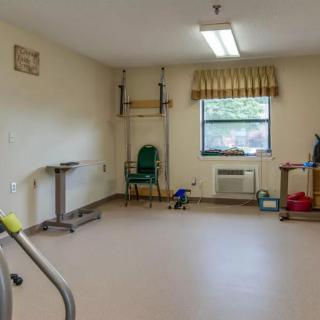
Exercise Equipment, Rehabilitation, Staircase, and Therapy Room
Salon and Waiting Area
Healthcare and Exercise
Physical Therapy
Brick Wall and Nursing Home
Get PricingAsk A QuestionSchedule A TourContact Senior Advisor
By clicking submit, you agree to our Partner's Terms of Use. You
also consent to receive calls and texts, which may be autodialed, from our Partner. Your consent is not a condition to
using our Partner's service. Please visit our Partner's Privacy Policy for information about their privacy practices.


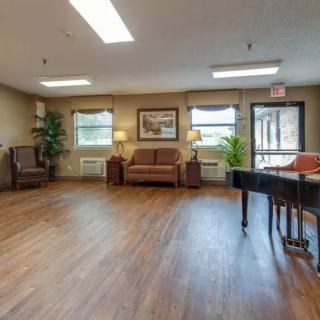
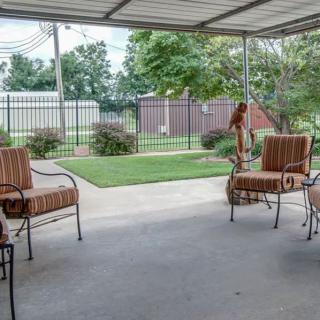
 71 resident community capacity
 Skilled Nursing Facility
 Air-conditioning
 Beauty salon
 Cable or satellite TV
 Computer center
 Dining room
 Fitness room
 Fully furnished
 Gaming room
 Garden
 Housekeeping services
 Kitchenette
 Move-in coordination
 Outdoor space
 Private bathrooms
 Restaurant-style dining
 Small library
 Telephone
 Wellness center
 Wi-Fi/high-speed internet available
 Community operated transportation
 24-hour call system
 Activities of daily living assistance
 Assistance with bathing
 Assistance with dressing
 Assistance with transfers
 Diabetes diet
 Medication management
 Special dietary restrictions
 Concierge services
 Planned day trips
 Friendly staff, clean, homelike environment with engaging activities.




 Navigating Medicare Coverage for In-Home Care Services
 In-Home Care Costs in 2025: A Detailed State-by-State Exploration
 Understanding Home Health Care: A Comprehensive Guide