365 South Broadview Street, Cape Girardeau, MO 63703
For more information about senior living options: (866) 208-4318
3.8 from 118 reviews
5 stars
71
4 stars
13
3 stars
5
2 stars
3
1 stars
26
Overall Review of Life Care Center Of Cape Girardeau
common12 reviews mention this
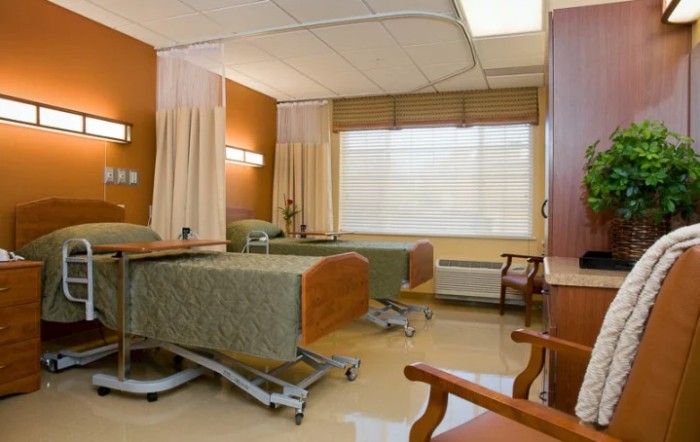
Clean, comfortable facility feel
Residents and visitors frequently describe a clean, pleasant environment.
Multiple reviewers say the building looks neat, well kept, and odor-free, with some specifically calling out clean hallways or a lack of the usual institutional smell. Several also describe the atmosphere as comfortable and home-like during visits. A smaller set of reviews mention the opposite, including reports of rundown rooms or floors, which suggests the experience may vary by timing or unit.
common18 reviews mention this
Care teams help residents daily
Many reviewers describe staff as friendly, attentive, and helpful.
A recurring theme in the reviews is that staff members are kind, professional, and responsive when families or residents need help. Several reviewers describe quick help with questions, assistance with personal needs, and support that made recovery easier. At the same time, other reviewers describe understaffing and delays in call-bell response, including times they waited a long time for assistance or felt needs were missed.
differentiator7 reviews mention this
Rehab therapy gets high marks
Rehabilitation therapy is one of the most consistently praised parts of care.
Reviewers frequently mention physical, occupational, and speech therapy as a strength, describing therapists as skilled, attentive, and focused on progress. Several describe improvements in mobility, strength, and day-to-day functioning after therapy sessions. A few reviews qualify that nursing support may not match the quality of the therapy wing, but the therapy experience itself stands out positively across multiple comments.
caveat4 reviews mention this
Food and diabetic options worry families
Families raise concerns about meal quality and diabetic or special diets.
Some reviewers specifically question whether diabetic meal trays and restrictions are handled well, including one family member reporting staff said the community was not set up for diabetic food trays. Other comments criticize meals as poor quality, overly sugary, or not aligned with preferences. Several also describe meals arriving cold, which can compound concerns about nutrition and special-diet consistency.
caveat9 reviews mention this
Call-bell response and staffing
Some reviews report delayed responses and staffing concerns.
While many reviewers praise staff attentiveness, others report long waits for the call light and concerns about being short-staffed. A few comments describe situations where help was not answered quickly enough, or where multiple follow-ups were needed to get nursing attention. Several reviewers connect these issues to missed care needs, which is the main driver of negative feedback.
How we summarize
Counts show how many written reviews mention each theme; a review can touch several themes, and only frequently mentioned themes are displayed.
Features
Housing
120 resident community capacity
Types of Care
Skilled Nursing Facility
Amenities
Air-conditioning
Beauty salon
Cable or satellite TV
Computer center
Dining room
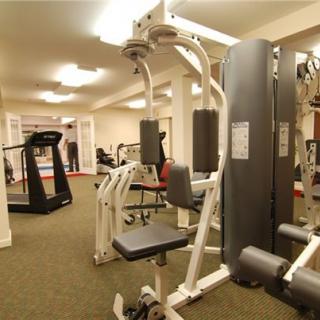
Fitness room
Fully furnished
Gaming room
Garden
Housekeeping services
Kitchenette
Move-in coordination
Outdoor space
Private bathrooms
Restaurant-style dining
Small library
Telephone
Wellness center
Wi-Fi/high-speed internet available
Transportation
Community operated transportation
Transportation arrangement
Care Services
24-hour call system
24-hour supervision
Activities of daily living assistance
Assistance with bathing
Assistance with dressing
Assistance with transfers
Diabetes diet
Meal preparation and service
Medication management
Special dietary restrictions
Dining
Diabetes diet
Special dietary restrictions
Activities
Community-sponsored activities
Concierge services
Fitness programs
Planned day trips
Resident-run activities
Scheduled daily activities
Nearby Places of Interest
Physicians
Cardiovascular Consultants (0.1 miles)
Southeast Pulmonolgy (0.1 miles)
Southeast Cancer Center (0.3 miles)
Heartland Plastic & Hand Surgery (0.5 miles)
Silver Springs Pain Management Center (0.5 miles)
West Park Surgery Center (0.5 miles)
Silver Springs Surgery Center (0.5 miles)
Restaurants
Applebee's (0.4 miles)
Captain D's (0.5 miles)
IHOP (0.5 miles)
West Park Lanes (0.5 miles)
Wendy's (0.5 miles)
Taco Bell (0.7 miles)
Midori (0.7 miles)
Transportation
U-Haul Neighborhood Dealer (0.5 miles)
U-Haul Moving & Storage (0.6 miles)
A&A Auto Rental (2.5 miles)
Pharmacies
CVS Pharmacy (0.5 miles)
Schnucks Cape Girardeau (0.6 miles)
CVS Pharmacy (0.6 miles)
Walgreens (0.7 miles)
John's Pharmacy (0.8 miles)
MediCenter Pharmacy (0.9 miles)
Southeast Pharmacy (0.9 miles)
Places of Worship
Cornerstone Assembly of God (0.7 miles)
General Conference Of Seventh-Day Adventists (1.1 miles)
Seventh day Adventist Church of Cape Girardeau (1.2 miles)
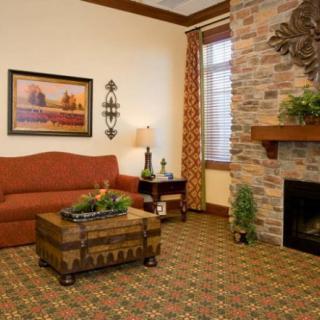
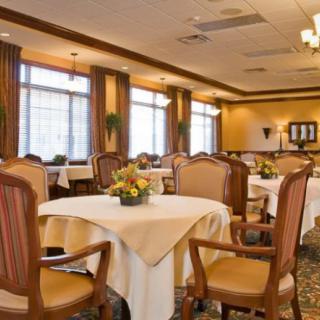
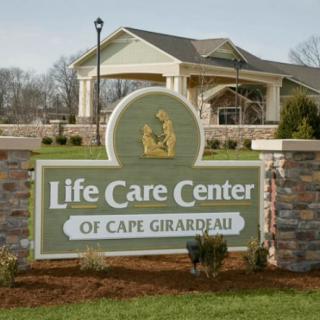
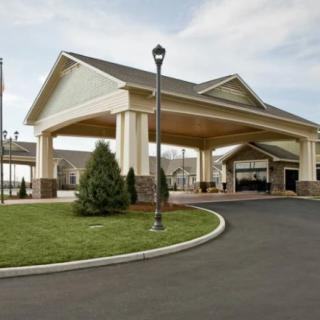
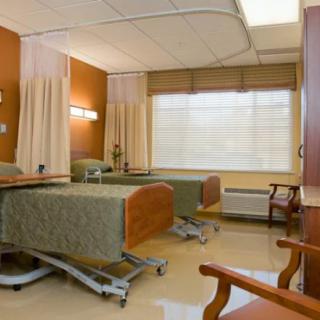
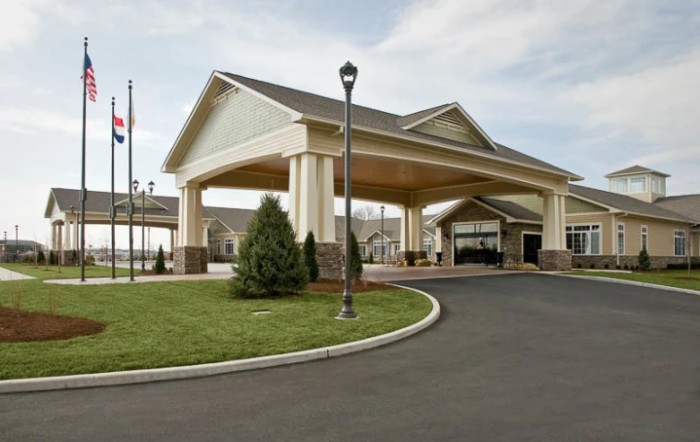
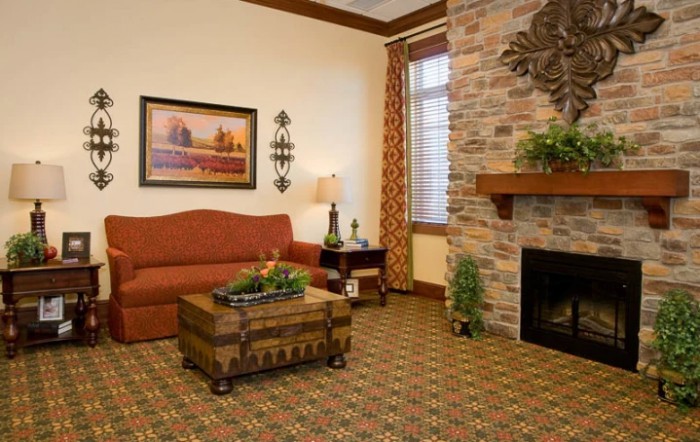
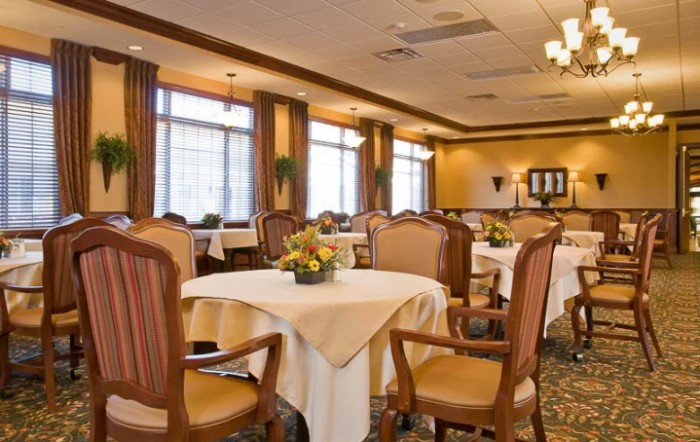
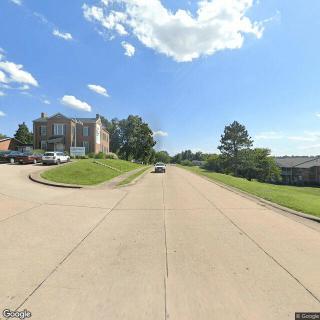
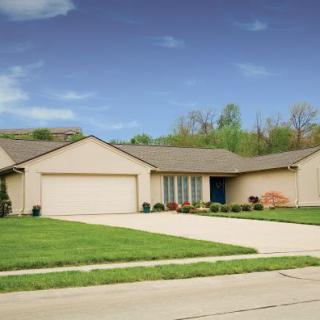
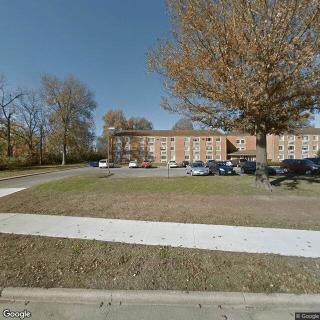
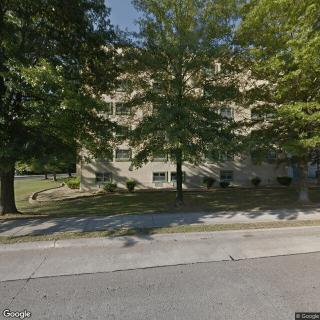
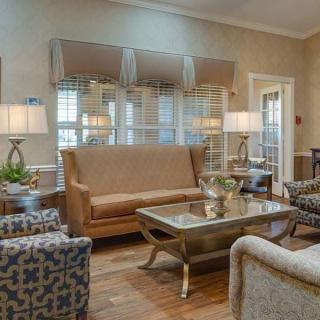
Life Care Center Of Cape Girardeau on seniors.fyi includes 5 photos including images showing interior, decor, dining, building, landscaping, stone wall, artwork, healthcare, and more.
Nearby Communities
Lutheran Home Assisted Living
Cape Girardeau, MO
4.7 from 41 reviews
$4,050 to $4,200 / month
Caring staff and a warm, activity-rich, home-like setting.
Saxony Village
Cape Girardeau, MO
4.7 from 17 reviews
$1,750 to $2,170 / month
Beautiful, well-maintained community with compassionate staff and a wide range of on-site and off-site activities.
Saxony Village Retirement Community
Cape Girardeau, MO
Comprehensive continuum of care (CCRC) with memory care and independent living.
Cape La Croix Apartments
Cape Girardeau, MO
Excellent access to cafes, parks, healthcare, restaurants, transit, worship, and entertainment nearby.
Chateau Girardeau
Cape Girardeau, MO
4 from 19 reviews
Friendly, welcoming staff and a clean, home-like environment.
Cape Garden Apartments
Cape Girardeau, MO
1 from 2 reviews
$4,348 / month
Affordable pricing with abundant nearby amenities.
Lindenwood Apartments
Cape Girardeau, MO
3.4 from 9 reviews
Prime location with easy access to cafes, parks, pharmacies, doctors, dining, transportation, worship, and entertainment.
Auburn Creek & Arbors at Auburn Creek
Cape Girardeau, MO
4.7 from 14 reviews
$3,131 to $4,836 / month
Caring staff, clean and welcoming environment with engaging activities.
Capetown Senior Living
Cape Girardeau, MO
4.3 from 29 reviews
Warm, homey atmosphere with attentive staff and responsive dining accommodations.
The guide outlines the rising costs of 24/7 in-home care, ranging from $10,000 to over $20,000 monthly, driven by factors such as location and caregiver qualifications. It discusses the limited coverage by Medicare and private insurance, potential Medicaid support, and the emotional and living condition considerations influencing families' decisions on care arrangements.
Home health nursing is an expanding field where licensed professionals provide specialized medical care in patients' homes, addressing the needs of an aging population through personalized services like assessments and medication management. Effective collaboration with healthcare teams, cultural sensitivity, and quality assurance measures are essential for fostering trust and ensuring positive patient outcomes.
Medicare covers in-home health care services, which are medical and provided by licensed professionals under a physician's supervision, whereas non-medical personal assistance is generally not covered unless part of a broader skilled care plan. Eligibility for benefits depends on being homebound and needing intermittent skilled services from a Medicare-certified agency, with specific coverage limitations and additional resources available for navigating options.
Get PricingAsk A QuestionSchedule A TourContact Senior Advisor
By clicking submit, you agree to our Partner's Terms of Use. You
also consent to receive calls and texts, which may be autodialed, from our Partner. Your consent is not a condition to
using our Partner's service. Please visit our Partner's Privacy Policy for information about their privacy practices.


 120 resident community capacity
 Skilled Nursing Facility
 Air-conditioning
 Beauty salon
 Cable or satellite TV
 Computer center
 Dining room
 Fitness room
 Fully furnished
 Gaming room
 Garden
 Housekeeping services
 Kitchenette
 Move-in coordination
 Outdoor space
 Private bathrooms
 Restaurant-style dining
 Small library
 Telephone
 Wellness center
 Wi-Fi/high-speed internet available
 Community operated transportation
 24-hour call system
 Activities of daily living assistance
 Assistance with bathing
 Assistance with dressing
 Assistance with transfers
 Diabetes diet
 Medication management
 Special dietary restrictions
 Concierge services
 Planned day trips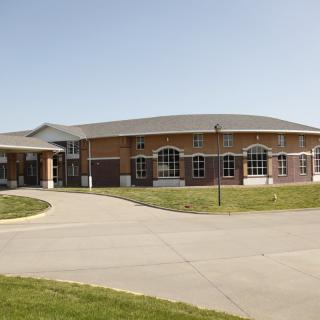
 Caring staff and a warm, activity-rich, home-like setting.

 Understanding the Full Cost of 24/7 In-Home Care: A Detailed Overview
 Exploring the World of Home Health Nurses: Qualifications, Roles, and Hiring Tips
 Navigating Medicare Coverage for In-Home Care Services