
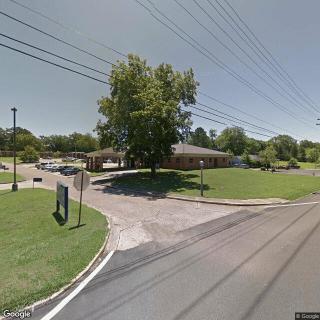
307 Reed Road, Starkville, MS 39759
For more information about senior living options: (866) 208-4318
The Carrington - Starkville Costs & Pricing
The Carrington in Starkville offers a premium living experience, reflected in its monthly costs for various room types. For a studio apartment, residents can expect a monthly rent of $3,595, which is more competitive compared to the county's average of $3,844 but notably higher than the state's average of $3,151. Similarly, one-bedroom apartments at The Carrington are priced at $6,195; this figure exceeds Oktibbeha County's average of $5,635 and is significantly above Mississippi's average of just $3,416. These pricing dynamics highlight The Carrington as a choice for those seeking upscale amenities and services within Starkville while being positioned above local and state averages.
| Floor plans | The Carrington - Starkville | Oktibbeha County | Mississippi |
|---|---|---|---|
| Studio | $3,595 | $3,844 | $3,151 |
| 1 Bedroom | $6,195 | $5,635 | $3,416 |
Overall Review of The Carrington - Starkville
Pros
 They help people who need and want help.
- They teach them about life again.
- The facility is clean.
- The staff are friendly.
Cons
 They would give less than one star if possible.
- They caution others not to send their loved ones there.
- The reviewer was worried from the moment they were told a family member would be placed there, despite assurances that the facility had improved.
- They claim the promised improvements were lies.
- Management refuses to acknowledge the lack of care or their involvement.
- Residents are left in their own filth and blamed for not asking for assistance with baths or cleaning.
- The place should be shut down if it cannot provide minimum care.
- They note the facility could not provide even minimum care before the pandemic.
Review
The Carrington - Starkville is best suited for seniors who want a clearly structured environment with assistance with daily tasks and a program that emphasizes life enrichment. It speaks to families who value hands-on involvement and visibility into care, wanting staff to actively support mobility, grooming, and social engagement while preserving a degree of independence. The notion that staff can “teach them about life again” points to a broader goal: reclaiming purpose and activity through routine and programming. For residents who respond well to predictable schedules, shared activities, and a caregiver presence that helps them navigate daily life, this community can deliver a workable balance of support and engagement.
Explicitly, alternatives should be considered for anyone whose priority is consistently reliable, attentive hands-on care with minimal risk of neglect. The strongest warning from the mix of experiences is that basic hygiene and prompt assistance were not always delivered, and some families felt management did not acknowledge problems. If a loved one requires constant oversight, rapid response to needs, or significant help with bathing, dressing, or toileting, other options with stronger accountability and proven care metrics are prudent. This is not a matter of amenities; it is about dependable care delivery, clear accountability, and ongoing family communication.
From the favorable side, residents and families report a clean environment and friendly staff, and a program that emphasizes helping with life while teaching it anew. Those elements translate into daily experiences of warmth, smoother navigation of routines, and opportunities for social connection, factors that matter deeply for anyone who values dignity and engagement in daily activities. Such positives matter because they establish a foundation of trust and compatibility with an assisted-living pace. Yet the strongest caveat remains: claims of neglect or insufficient supervision can overshadow pleasant moments and erode confidence in overall care quality.
How the positives offset the negatives depends on reliability and expectations. Clean facilities and courteous staff are meaningful signals of a well-run operation, but they do not by themselves guarantee safe, consistent care. If staff can be counted on to respond quickly, maintain residents’ hygiene, and uphold dignity during personal care, the strengths can meaningfully offset concerns. Conversely, when lapses, like residents being left in filth or care delays, occur and management avoids accountability, the positive surface is insufficient. Prospective families should demand concrete care plans, measurable response times, and transparent reporting before committing.
To screen effectively, take a proactive, real-world tour focused on care delivery. Observe several shifts, ask about staff-to-resident ratios, and request recent quality-of-care metrics or incident reports. Speak with multiple residents or family members to gauge consistency rather than relying on a single perspective. Probe whether care plans are personalized and updated regularly, and verify that routines such as bathing, grooming, and transportation are carried out with dignity. Compare against facilities known for stable leadership, low staff turnover, and transparent governance. If time is tight, prioritize reliability, accountability, and a clear pathway for escalation when concerns arise.
Bottom line: The Carrington works best for families seeking a ready-made mix of social programming and daily assistance, where oversight and ongoing engagement can be sustained and where the resident fits a routine-focused model. For those who cannot rely on consistent care or who require higher-level nursing oversight and airtight accountability, alternatives deserve serious consideration. The decision hinges on whether the environment can deliver reliable, respectful care every day, not on atmosphere alone. When screening, demand explicit commitments on response times, care standards, and ongoing family communication, then choose with confidence rather than with hope alone.
 60 resident community capacity
 Skilled Nursing Facility
 Air-conditioning
 Beauty salon
 Cable or satellite TV
 Computer center
 Dining room
 Fitness room
 Fully furnished
 Gaming room
 Garden
 Housekeeping services
 Kitchenette
 Move-in coordination
 Outdoor space
 Private bathrooms
 Restaurant-style dining
 Small library
 Telephone
 Wellness center
 Wi-Fi/high-speed internet available
 Golden Triangle Regional (14 miles away)
 Community operated transportation
 12-16 hour nursing
 24-hour call system
 Activities of daily living assistance
 Assistance with bathing
 Assistance with dressing
 Assistance with transfers
 Diabetes diet
 Medication management
 Mental wellness program
 Special dietary restrictions
 Concierge services
 Planned day trips



 Understanding Home Health Care: A Comprehensive Guide
 Home Health Care Demystified: A Comprehensive Guide for Families and Caregivers
 Seniors and Modern Transportation: Exploring Uber, Lyft, and Other Ride-Hailing Options