
3701 Peter Quinn Drive, Jackson, MS 39213
For more information about senior living options: (866) 208-4318
Overall Review of Magnolia Senior Care
Pros
 The care provided to their mother is described as the best.
- The care team is very communicative with family members and promptly addresses questions or issues.
- The team is committed to caring for someone with Alzheimer’s.
- They are content with how well their mother is cared for, even during unannounced visits.
- Nurses are described as nice.
- The facility helped arrange a stay-at-home nurse and assisted with transporting the grandmother to her daughter's home.
- Each resident had their own room and could personalize with a television and other items.
Cons
 They described the nurses as very unprofessional and rude.
- They noted gossip about a former employee and the 7-3 nurse boasting about getting the poor girl fired, which they found highly unprofessional.
- Some nurses were not as friendly to patients or their families.
- On the first visit, they were not helped to find the grandmother's room.
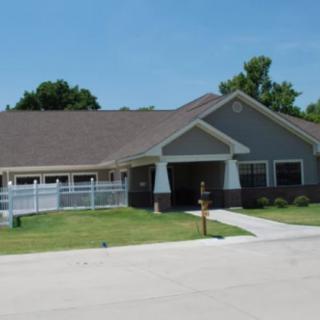
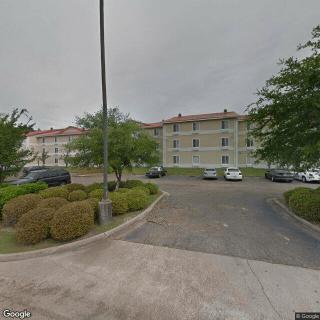
- The facility's appearance reminded them more of a hospital than a residence.
- They concluded that staying there would not be good for anyone and would prefer a different facility.
Review
Magnolia Senior Care in Jackson is best suited for families facing memory-care decisions who prioritize clear, ongoing communication from the care team. The strongest signal here is an emphasis on keeping relatives informed and quickly addressing questions, paired with a staff that appears genuinely committed to dementia care. For families willing to accept a facility environment that supports direct caregiver contact, often demonstrated through unannounced visits, the resident can be well cared for when careful oversight is provided. In sum, Magnolia can deliver meaningful, attentive care for memory-impaired residents, with a readiness to coordinate decisions and transitions with relatives.
On the downside, the tone and consistency of the professional staff vary enough to raise serious questions. Several accounts describe nurses as unprofessional or rude, with gossip and on-shift friction that spill into the resident and family experience. CNAs are praised for hard work, yet that effort can feel overwhelmed if supervisory staff do not set and enforce standards. One reviewer recalls difficulty locating the resident’s room and a lack of proactive staff engagement during initial visits, signaling gaps in everyday operations that add stress to families during an already difficult time. The facility’s appearance, more hospital-like than home-like, also dampens comfort and can hinder a truly welcoming-going-in vibe.
Still, the hard-working CNAs and the facility’s dementia-focused approach help offset some of the stronger drawbacks. When Alzheimer’s care is front and center, dedicated aides can provide intimate day-to-day support, monitor behaviors, and respond to escalation more quickly than a broader staff. The ability to communicate issues and questions swiftly allows care plans to be adjusted in near real-time, which matters for memory-care residents. The reviews also highlight practical, consumer-facing help, assistance with arranging at-home nursing and transportation, that demonstrates a proactive stance when families navigate transitions. In this balance, Magnolia’s advantages can outweigh its weaknesses, provided management treats staff culture as a priority and addresses the operational gaps.
For families evaluating Magnolia, the decision hinges on a few practical checks. Ask about the staffing mix on each shift, how many licensed nurses versus CNAs, and what ongoing supervision looks like. Probe how the campus handles care plans for residents with Alzheimer’s, what triggers care-plan updates, and how families are informed. Observe how staff greet visitors, how easy it is to locate a resident’s room, and whether the environment feels welcoming rather than clinical. Request recent activity schedules tailored to memory care, and inquire about programs designed to reduce confusion and enhance safety. Finally, press for concrete examples of issue resolution and staff accountability; demand tours with nursing, administration, and a family liaison to gauge transparency.
For families for whom consistent warmth and professional demeanor across all shifts are non-negotiable, Magnolia may be a less-than-ideal fit. If a facility’s culture, staff politeness, teamwork, and a home-like atmosphere, matters as much as medical care, alternatives with stronger reputations for hospitality and stability across shifts should be considered. Those with loved ones who require Alzheimer’s-specific programming and rapid family communication will want to compare Magnolia’s dementia-focused offerings with peers that emphasize a more uniformly positive staff culture.
Bottom line: Magnolia Senior Care can be a solid option for families prioritizing transparent family communication and memory-care attention, especially when careful oversight is present. It is not the universal answer for every family; the best choice depends on whether the care team’s dedication to Alzheimer's care and quick family updates outweighs concerns about staff consistency and the facility’s hospital-like ambiance. Prospective residents should arrange a thorough tour, speak with multiple staffers, and bring a list of questions about staffing stability, care-planning processes, and the facility’s steps to improve the resident experience. With the right expectations and active involvement, Magnolia can meet the needs of those navigating memory-care decisions in Jackson.
 60 resident community capacity
 Skilled Nursing Facility
 Air-conditioning
 Beauty salon
 Cable or satellite TV
 Computer center
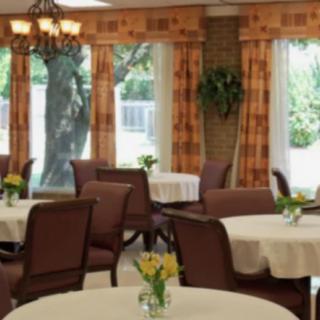
 Dining room
 Fitness room
 Fully furnished
 Gaming room
 Garden
 Housekeeping services
 Kitchenette
 Move-in coordination
 Outdoor space
 Private bathrooms
 Restaurant-style dining
 Small library
 Telephone
 Wellness center
 Wi-Fi/high-speed internet available
 Jackson International (10 miles away)
 Community operated transportation
 12-16 hour nursing
 24-hour call system
 Activities of daily living assistance
 Assistance with bathing
 Assistance with dressing
 Assistance with transfers
 Diabetes diet
 Medication management
 Mental wellness program
 Special dietary restrictions
 Concierge services
 Planned day trips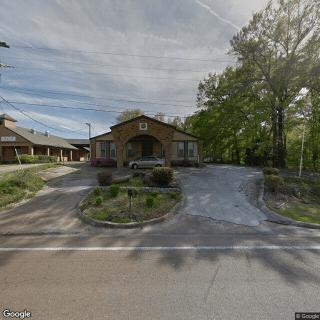

 Comprehensive Guide to Medicare Coverage for Hospice Care
 Caring for Those Who Care: Recognizing, Understanding, and Overcoming Caregiver Burnout
 Caregiver Exhaustion: Recognizing the Signs and Restoring Your Well-Being