Golden LivingCenter - Eupora
Save
200 Walnut Avenue, Eupora, MS 39744
For more information about senior living options: (844) 490-3973
Golden LivingCenter - Eupora offers competitive pricing for its services when compared to both Webster County and the broader state of Mississippi. For semi-private accommodations, residents can expect a monthly fee of $4,380, which is significantly higher than the county average of $3,240 and the state average of $3,189. Similarly, the cost for a private room at Golden LivingCenter is set at $4,620, also surpassing local and state figures - $3,360 in Webster County and $3,581 statewide. While these costs reflect the premium services and amenities provided in this facility, they also underline a noticeable discrepancy with surrounding options in terms of affordability.
| Floor plans | Golden LivingCenter - Eupora | Webster County | Mississippi |
|---|---|---|---|
| Semi-Private | $4,380 | $3,240 | $3,189 |
| Private | $4,620 | $3,360 | $3,581 |
What level of care are you interested in?

Assisted Living

Memory Care

Independent Living

Skilled Nursing Facility

Continuing Care Retirement Community (CCRC)CCRC

Other
There is a steady, troubling thread running through multiple accounts from families and former staff about a Mississippi nursing home and a few related facilities. In these stories, residents are described as not receiving timely attention, with serious consequences that range from worsening wounds to life-threatening infections. Several family members recount arriving to find their loved ones depressed, weak, or in visibly deteriorating condition, and they feel the care they received was far from the standard they expected for rehabilitation and long-term support. The overarching tone is one of alarm and frustration, with many insisting that the problems extend beyond individual aides to the leadership and organizational culture of the facility.
A common and particularly alarming issue is the handling of wounds, infections, and general cleanliness. One account describes a bed sore that was neglected and allowed to worsen into a more dangerous infection, during a rehab stay that was supposed to be short and restorative. In another harrowing vignette, a resident who could no longer move well was left in a wheelchair, with incontinence and a constant need for changing that went unmet for days, leading to a raw, exposed area in the private region and other signs of neglect. A reviewer notes that the urine in a catheter appeared off, with a period of waiting for lab results, and mentions a "milky" urine color that suggested a potential urinary tract issue. Yet another family details a day-by-day decline: the patient slept through the day, was not properly changed, and endured a caked layer of dried food and waste, all while a fever spiked and colleagues later determined there was a fever of 102.7 and a severe decline in mental status. These vivid descriptions emphasize fear that medical concerns were not promptly identified or treated, and that preventive care - ranging from timely diaper changes to regular repositioning and wound care - was not consistently delivered.
The patient experience for many families centers on a pattern of delayed responses to call lights, with some reports noting waits of 45 minutes to an hour or more for assistance. The frustration isn't limited to delayed responses - it extends to a perceived apathetic or coercive culture among some staff, with residents allegedly bullied or spoken to disrespectfully by coworkers. Several reviewers point to a leadership deficit, arguing that the administrators and directors of nursing lack strong, proactive leadership. They describe a toxic environment where good workers are punished and bullies are tolerated or even rewarded, and where leadership hides behind corporate barriers rather than stepping in to manage day-to-day problems. The sentiment among these reviewers is that without real, visible leadership, the problems cascade from staffing shortages to morale issues, ultimately compromising patient safety and quality of life.
The stories also include tragic outcomes that families believe were preventable. In one family's account, a father who had been described as relatively independent at admission deteriorated rapidly, and the weekend staff - "the weekend crew" - was blamed for delays and lapses that left him in a compromised position for hours. By the time management or a physician was consulted, the patient's condition had worsened to the point that emotional and medical support felt belated. Other families recount similar trajectories: residents who could still participate in basic activities were left in uncomfortable or unsafe positions, sometimes wearing soiled clothing for prolonged periods, leading to a perception that the facility did not prioritize comfort, dignity, or timely medical intervention. The fear expressed by these families is that lives may have been put at risk due to routine failures in monitoring, hygiene, and prompt treatment.
Despite these pervasive concerns, there are a few dissenting notes within the broader chorus. One account highlights a relative who appears to have received relatively better care, at least at certain times, with the family noting that staff acted promptly when pneumonia or COVID-19 symptoms appeared and responded quickly to health issues. Another family acknowledges that while there were significant problems, there were instances when care was adequate, such as when a resident's condition was monitored and adjustments were made. Still, even these more favorable comments are often tempered by practical problems like nonworking entertainment systems or devices, and frustrations with administrative processes and overall facility culture.
Across these narratives, the facility is described as having declined markedly over the past decade. Reviewers attribute this decline to insufficient staffing, poor leadership, and an environment that does not consistently support the well-being and safety of residents. Frequent complaints include letters and reviews about long wait times for assistance, inadequate nutrition, and a sense that good work by compassionate staff is undermined by broader systemic issues. Families express fear about admitting loved ones if the goal is real rehabilitation and safe care, and several explicitly urge others to avoid the facility, or to seek aggressive oversight and regulatory review. Some readers express that if there were a way to assign zero or negative stars, they would, underscoring the intensity of their dissatisfaction.
Amid the criticism, there are calls for concrete action. Reviewers urge families to research carefully before placing a loved one, to demand transparency about staffing levels, and to review survey results and state inspections. They emphasize the importance of advocating for patients by speaking with administrators, visiting facilities at various times of day, and seeking out firsthand impressions from current residents and other families. For those facing the difficult decision of choosing long-term care or rehabilitation, these accounts serve as a stark reminder to balance the need for medical rehabilitation with the realities of care quality, staff responsiveness, and the facility's leadership and culture.
In sum, the collection of experiences paints a troubling picture of care quality, safety, and accountability. The stories insist that the impact on patients and their families is profound: pain from untreated wounds, infections that escalate, dehydration and malnutrition signs, and a pervasive fear that call bells will go unanswered for long stretches. They also highlight the crucial role of strong, compassionate leadership and consistent staffing to ensure that residents receive timely, dignified, and effective care. For anyone considering placing a loved one in a facility of this kind, these voices advocate a careful, unsentimental look at staffing, leadership, and regulatory oversight - and a plan for ongoing, proactive engagement with care teams to safeguard the health and dignity of those who depend on them.
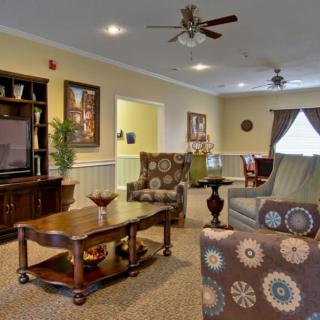
Golden LivingCenter - Eupora is an assisted living community located in the charming town of Eupora, MS. Situated in a peaceful neighborhood, this facility offers a safe and comfortable environment for seniors who require assistance with daily activities and healthcare needs.
With 5 pharmacies conveniently located nearby, residents have easy access to medication and prescription services. In addition, there are 2 physicians in close proximity to provide comprehensive medical care to the residents. This ensures that their healthcare needs can be addressed promptly.
For dining options, there are 4 restaurants nearby where residents can enjoy delicious meals and socialize with friends and family. The variety of cuisines offered caters to different tastes and preferences.
Transportation is readily available as well, with one transportation service in the vicinity. This allows residents to easily run errands or attend appointments without any hassle.
For spiritual nourishment, there are 14 places of worship close by for residents to practice their faith and engage in religious activities. This promotes a sense of belonging and community among the residents.
Furthermore, the presence of a hospital nearby provides peace of mind knowing that emergency medical care is accessible if needed.
At Golden LivingCenter - Eupora, residents can enjoy a fulfilling lifestyle while receiving personalized care from dedicated staff members. The facility's convenient location near essential amenities ensures that seniors can maintain their independence while having their needs met within a supportive and inclusive community.
This part of Eupora, Mississippi, offers a variety of amenities to cater to seniors looking for a comfortable and convenient place to live. With several restaurants within close proximity, including Sonic Drive-In and Kountry Kitchen, residents have easy access to dining options. Additionally, there are multiple hospitals and pharmacies nearby, such as North Mississippi Medical Center Home Health Agency and Walgreens, ensuring that healthcare needs are easily met. For those seeking spiritual fulfillment, there are several places of worship in the area, including Walthall Baptist Church and First United Methodist Church. The presence of transportation services like U-Haul Neighborhood Dealer adds convenience for seniors who may need assistance with mobility. Overall, this part of Eupora provides a supportive environment for senior living with various resources readily available.
Golden LivingCenter - Eupora offers competitive pricing for its services when compared to both Webster County and the broader state of Mississippi. For semi-private accommodations, residents can expect a monthly fee of $4,380, which is significantly higher than the county average of $3,240 and the state average of $3,189. Similarly, the cost for a private room at Golden LivingCenter is set at $4,620, also surpassing local and state figures - $3,360 in Webster County and $3,581 statewide. While these costs reflect the premium services and amenities provided in this facility, they also underline a noticeable discrepancy with surrounding options in terms of affordability.
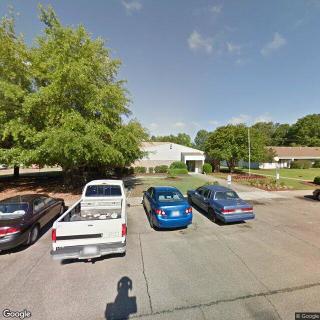
Golden LivingCenter - Eupora is located at 200 Walnut Avenue, Eupora, MS 39744 in Webster County, Mississippi
Fondren's Personal Care Home
Pheba, MS
Affordable $2,100/month for private/semi-private rooms, lower than Webster County and Mississippi state averages.
Fondren's Personal Care Home costs
Fondren's Personal Care Home images
Montgomery Gardens
Starkville, MS
Caring staff in a clean, intimate setting with quality meals and engaging activities.
Montgomery Gardens costs
Montgomery Gardens reviews
Montgomery Gardens images
Seniors and Modern Transportation: Exploring Uber, Lyft, and Other Ride-Hailing Options

Seniors benefit from ride-hailing services like Uber and Lyft, which provide convenient and accessible transportation options that promote independence and social engagement, while addressing mobility challenges. These platforms have adapted to meet senior needs with user-friendly features and safety measures, although costs can be a concern; community programs may help subsidize rides for older adults.
Comprehensive Guide to Qualifying for Home Health Care Services

The guide outlines the eligibility criteria for home health care services, emphasizing clinical requirements, insurance options, and application processes. It distinguishes between Medicare's strict and Medicaid's flexible qualifications while addressing challenges families may face in securing necessary care at home.
Powerful Realities of Elder Abuse and the Most Effective Ways to Report It
Elder abuse affects many older adults worldwide and includes physical, emotional, neglectful, and financial harm, with about one in six individuals over 60 experiencing abuse annually. Prevention and intervention strategies focus on awareness, support for caregivers, and mandatory reporting, while recovery necessitates comprehensive support for both physical and emotional needs.