
506 High Street, Winthrop, MN 55396
For more information about senior living options: (866) 208-4318
Overall Review of Good Samaritan Society - Winthrop
Pros
 They were impressed with the facility's neatness and efficiency.
- Pam, Judy, Lori, and LeAnn were helpful, caring, and great listeners.
- They appreciated the staff's expertise in helping at transition time.
Review
Good Samaritan Society - Winthrop is best suited for families seeking a tidy, orderly, small-to-mid-sized assisted living option where staff accessibility and practical, compassionate care trump high-end amenities. The Lodge at Winthrop presents a setting that feels manageable for residents who value predictable routines, clear safety measures, and a hands-on, listening-oriented approach from the caregiving team. It works particularly well for seniors who don’t require extensive on-site clinical programs but do need reliable daily support, respectful companionship, and smooth assistance during care transitions from independence or a prior setting into a steady, supervised living arrangement.
Those weighing alternatives should note that this community may not be ideal for families prioritizing expansive medical coordination, advanced nursing services, or a dense calendar of specialized activities. If memory-care programming, 24/7 clinical depth, or a large campus with multiple care levels is essential, or if the preference is for a broad, roving activity slate and more on-site specialty options, other facilities are likely to serve better. For residents who prize abundant social programming and highly varied amenities, it may be prudent to compare with larger operators that foreground those features. A smaller, more intimate atmosphere can become a limiting factor for some families seeking breadth over depth.
The strongest positives center on environment and people. The facility’s neatness and efficient operations create a calm, predictable backdrop that supports safety and dignity, an important base when adjusting to assisted living. The standout attribute in the available feedback is the staff, notably Pam, Judy, Lori, and LeAnn, described as helpful, caring, and attentive listeners. That combination, clean surroundings paired with genuinely engaged caregivers, translates into meaningful reassurance during transition time, a period when families most need to feel guided and heard. In practical terms, the staff’s willingness to listen and respond can offset uncertainties about new routines, meals, and daily schedules, making the move feel less abrupt and more collaborative.
A cautious reader should acknowledge the limited number of published reviews, which constrains a full picture of what daily life looks like across weekends, holidays, and peak activity times. No explicit, systemic drawbacks are highlighted in the available feedback, but potential gaps commonly associated with smaller campuses, such as a narrower array of programming or fewer on-site specialty services, are worth verifying directly. The offset here lies in the credibility gained from consistent, responsive staff who can tailor support to individual transitions, instead of relying on a broad network of programs that may feel impersonal or rushed.
From a decision-making vantage point, families should plan a thorough on-site assessment focused on staffing patterns, meal quality, safety measures, and the clarity of the transition process. Ask to observe a mealtime or activity period to gauge engagement and to confirm that the caregiving team maintains the same level of attentiveness seen in the testimonials. Inquire about the availability of nurse coverage after hours, how clinical needs are coordinated, and what memory-support options exist if those needs emerge. The explicit strength, the personal touch from named staff, serves as a reliable indicator of daily life you can count on, but it should be paired with a concrete sense of what is included in monthly fees and what would require additional arrangements.
Overall, Good Samaritan Society - Winthrop offers solid, practical value for families prioritizing a clean, well-run environment with dependable, personable caregivers and effective transition support. It stands out when the aim is steady, compassionate care delivered with attentiveness and clarity, especially at moments of change. For families whose primary goals include a rich calendar of specialized activities, broader medical oversight, or extensive memory-care programming, alternatives should be pursued and compared. When those needs align with a desire for a straightforward, respectful, and efficiently run setting, this community presents a credible, trustworthy option worth serious consideration.
 32 resident community capacity
 Skilled Nursing Facility
 Beauty salon
 Cable or satellite TV
 Dining room
 Fully furnished
 Garden
 Housekeeping services
 Kitchenette
 Move-in coordination
 Outdoor space
 Restaurant-style dining
 Small library
 Telephone
 Wi-Fi/high-speed internet available
 24-hour call system
 Activities of daily living assistance
 Assistance with bathing
 Assistance with dressing
 Assistance with transfers
 Diabetes diet
 Medication management
 Mental wellness program
 Special dietary restrictions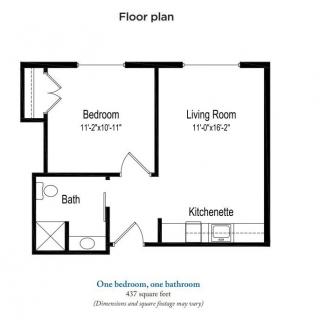




 Comprehensive Guide to Blood Pressure Charts for Older Adults: Understanding Normal and High Readings by Age
 Financing Long-Term Nursing Home Care Through Social Security: A Thorough Exploration
 Essential Knowledge on Pneumonia in Older Adults