
865 Mankato Avenue, Winona, MN 55987
For more information about senior living options: (866) 208-4318
Overall Review of Lake Winona Manor
Pros
 She liked a lot of the staff and the people she met there.
- There were more staff checking on her when she needed help.
- On weekends, someone came in to play musical instruments, adding pleasant moments.
- She became much stronger and could get herself into the car with ease.
Cons
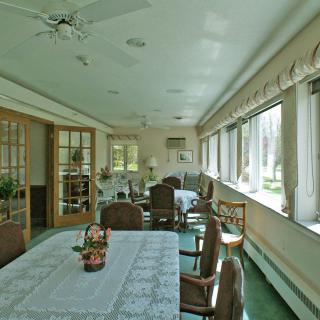
 The room was very dark and depressing.
- It felt like there was no light in the room, and the area looked more hospital-like.
- Some of the nurse's aides did not work well.
- A bandage from the hospital sat on the couch for a week.
- The staff told her to throw it away, leaving it there for a whole week.
- She did not get to do many of the fun activities because she was always in rehab and therapies.
- Whenever activities conflicted, she had to skip them to attend rehab.
Review
Lake Winona Manor is best suited for seniors who enter with clear rehabilitation goals and require structured, hands-on nursing support during recovery. The community offers multiple levels of care with a rehab-forward emphasis, so it works well for someone who needs intensive therapy and consistent oversight rather than a home-like, social-only setting. In short, this is a practical fit for residents prioritizing functional gains and dependable staff presence over ambiance or broad daily social programming.
Those weighing alternatives should consider whether a warmer, brighter living environment and more varied daily activities are essential. The setting here can feel hospital-like and dark, which can blunt overall quality of life even when clinical care is strong. If a resident values a lighter, more homey atmosphere, richer casual social events, or greater autonomy from scheduled therapies, other communities may deliver a more satisfying daily experience. Families should also weigh the impact of staffing consistency on day-to-day reassurance.
The strongest positives center on rehabilitation and the attendant improvements in independence. The facility’s structure allows residents to receive hands-on help when needed and to benefit from ongoing therapies, which, in the experience described, translated into meaningful gains such as enhanced mobility. The resident formed favorable impressions of many staff members and appreciated the social warmth offered by some team members. Weekend programs, like musical sessions, provided occasional enrichment, and the ability to transfer into a car became notably easier, signaling practical, real-world progress.
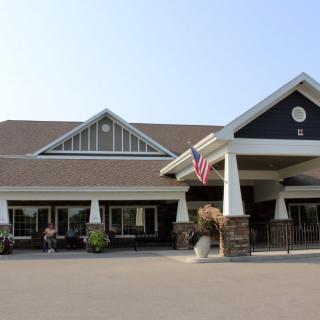
Yet the downsides are meaningful and cannot be dismissed. The environment frequently felt stark and clinical, rooms described as dark and depressing, with a hospital-like atmosphere that can dampen mood and motivation. More troubling were lapses in day-to-day care: an instance where a bandage was left unattended for a week and dismissed with a casual, “throw it away” remark. This kind of inconsistency raises questions about attention to routine safety and responsiveness, even as several staff members earned positive impressions. The rehab schedule also crowded out social or recreational activities, limiting opportunities for residents to engage in fun, low-stress experiences when therapy demanded priority.
All told, the value hinges on what matters most to the family and the resident. If the primary objective is to restore function and gain practical independence, the pros, comprehensive rehab options, close staff support when needed, and demonstrable mobility gains, offer meaningful offset to the less desirable aspects of the setting. However, for those who prize a bright, welcoming living space, consistent, flawless daily care routines, and abundant non-therapy activities, these cons may overwhelm the gains. The community can be a solid choice for recovery-focused stays, but expectations should be calibrated around ambiance, care consistency, and the balance between therapy and personal time.
For families considering Lake Winona Manor, the prudent path is to prioritize clarity on care coordination, staffing reliability, and living environment before committing. Prospective residents should request a tour that emphasizes room lighting, noise levels, and opportunities for spontaneous social interaction outside therapy hours. Ask about staff training, turnover, and how aides are supervised daily, including how potential concerns are escalated and resolved. If the goal is sustained rehabilitation with reliable, affectionate staff, the facility can deliver measurable benefits; if aiming for a consistently bright, socially rich, home-like setting, explore alternatives that foreground atmosphere and broad-spectrum activity programming.
 110 resident community capacity
 Skilled Nursing Facility
 Air-conditioning
 Beauty salon
 Cable or satellite TV
 Computer center
 Dining room
 Fitness room
 Fully furnished
 Gaming room
 Garden
 Housekeeping services
 Kitchenette
 Move-in coordination
 Outdoor space
 Private bathrooms
 Restaurant-style dining
 Small library
 Telephone
 Wellness center
 Wi-Fi/high-speed internet available
 La Crosse Municipal (21 miles away)
 Community operated transportation
 12-16 hour nursing
 24-hour call system
 Activities of daily living assistance
 Assistance with bathing
 Assistance with dressing
 Assistance with transfers
 Diabetes diet
 Medication management
 Mental wellness program
 Special dietary restrictions
 Concierge services
 Planned day trips

 Top Cars for Senior Drivers and Essential Safety Innovations
 A Closer Look at Private Pay Home Care
 Comprehensive Approaches for Arthritis: A Detailed Guide to Symptoms, Causes, and Care