

1801 Willmar Avenue Southwest, Willmar, MN 56201
For more information about senior living options: (866) 208-4318
Overall Review of Carris Health Care Center & Therapy Suites
Pros
 The rooms are very nice.
- The staff were wonderful.
- The facility is amazing.
Cons
 One employee didn't seem happy to work at this amazing facility.
- The nurse, Sarah, lied several times about a topic that was brought up.
- It is sad for the client that she doesn't take his word because of a controlling phone call.
Review
Carris Health Care Center & Therapy Suites in Willmar is best suited for families prioritizing comfort, dignity, and a calm hospice environment where staff kindness and well-appointed rooms can make a difficult phase feel more manageable. It serves residents who value a home-like setting, clear attention to personal comfort, and access to therapy services that support end-of-life quality of life. This community works well for families prepared to stay engaged, ask questions, and advocate for consistent communication and oversight. It is not the right fit for those who demand flawless, uniformly reliable staff behavior across shifts or for families seeking aggressive, highly rigid transparency without ongoing escalation mechanisms.
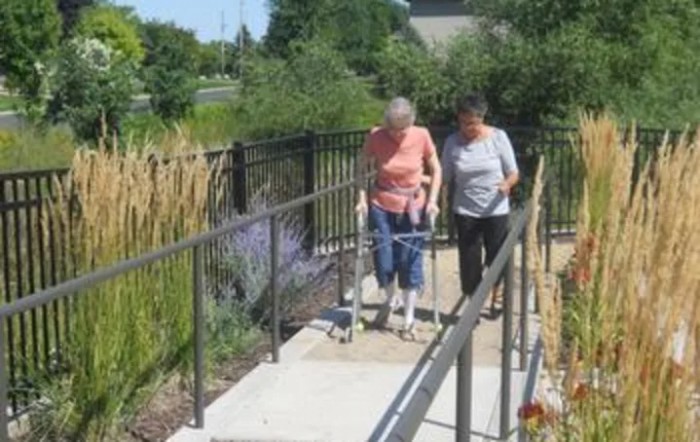
On the positive side, the facility earns praise for its physical environment. Rooms are described as very nice, and the overall atmosphere is intimate enough to feel respectful and comforting during hospice care. The therapy suites suggest a robust rehabilitative component that can support symptom management and daily functioning in a supportive way. Across staff interactions, the tone is generally warm and compassionate, which is a critical factor when comfort and emotional support are central to the care plan. The strongest practical takeaway is that, when functioning smoothly, the setting can significantly ease the burden on both residents and their families.
However, the experience is not without meaningful red flags. One review highlights a nurse who allegedly lied about a topic that mattered to the family, a breach of trust that weighs heavily on decision-making in hospice care. The claim points to a broader risk: if information is perceived as being manipulated or gate-kept, family advocacy can feel ineffective, eroding confidence in the care team. Alongside this, there is an implication of communication strain tied to a controlling phone interaction, underscoring a potential pattern where important conversations feel constrained rather than collaborative. These threads, honesty, transparency, and respectful dialogue, are the levers most likely to determine whether the positives hold or fray under pressure.
The key pros can offset the main cons only if the operation commits to concrete, visible improvements in governance and day-to-day communication. The strong points, the welcoming rooms, genuine staff warmth, and therapeutic services, become decisive when paired with consistent staffing, clear escalation paths, and a transparent mechanism for addressing concerns. If staff turnover remains manageable and a named point person is consistently available to families, the benevolent culture can flourish despite occasional hiccups. In other words, the facility can deliver meaningful comfort and care, provided trust-building protocols and accountability are prioritized and proven in practice.
Families who require unwavering honesty, consistency, and a proactive approach to safeguarding patient advocacy should consider alternatives. If the concern about one staff member’s conduct translates into a broader worry about transparency or if conversations routinely feel constrained rather than collaborative, exploring other hospice settings with stronger governance structures and documented accountability may be prudent. Look for facilities with clear, published pathways for issue resolution, regular family updates, and predictable staffing patterns that minimize unplanned handoffs. The goal is to align a living environment where warmth and comfort do not come at the expense of trust and open communication.
For those choosing to move forward with Carris Health Care Center & Therapy Suites, practical steps can safeguard decision quality. Schedule a guided tour focused on nurse and administrator accessibility, observe real-time interactions between staff and residents, and ask to review recent family feedback and any corrective actions taken after concerns were raised. Seek assurances about staffing continuity, the process for escalating concerns, and how therapy services integrate with overall comfort-focused goals. Document clear expectations around communication frequency and designate a primary liaison to receive updates. With vigilant oversight, the facility’s strengths can be leveraged to deliver dignified, compassionate care that respects both the resident and the family’s need for trustworthy, transparent partnership.
 78 resident community capacity
 Skilled Nursing Facility
 Air-conditioning
 Beauty salon
 Cable or satellite TV
 Computer center
 Dining room
 Fitness room
 Fully furnished
 Gaming room
 Garden
 Housekeeping services
 Kitchenette
 Move-in coordination
 Outdoor space
 Private bathrooms
 Restaurant-style dining
 Small library
 Telephone
 Wellness center
 Wi-Fi/high-speed internet available
 Community operated transportation
 12-16 hour nursing
 24-hour call system
 Activities of daily living assistance
 Assistance with bathing
 Assistance with dressing
 Assistance with transfers
 Diabetes diet
 Medication management
 Mental wellness program
 Special dietary restrictions
 Concierge services
 Planned day trips




 Comprehensive Guide to Blood Pressure Charts for Older Adults: Understanding Normal and High Readings by Age
 Financing Long-Term Nursing Home Care Through Social Security: A Thorough Exploration
 Essential Knowledge on Pneumonia in Older Adults