


250 Fifth Street East, Tracy, MN 56175
For more information about senior living options: (866) 208-4318
Overall Review of Prairie View Senior Living
Pros
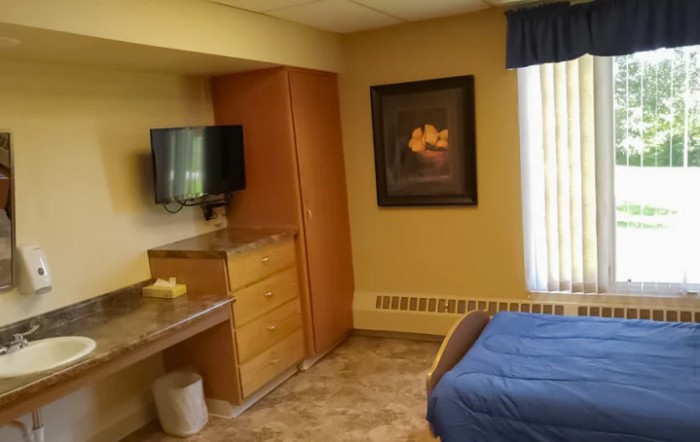
 The venue offers a nice place with a great view.
- Good people treat guests very well.
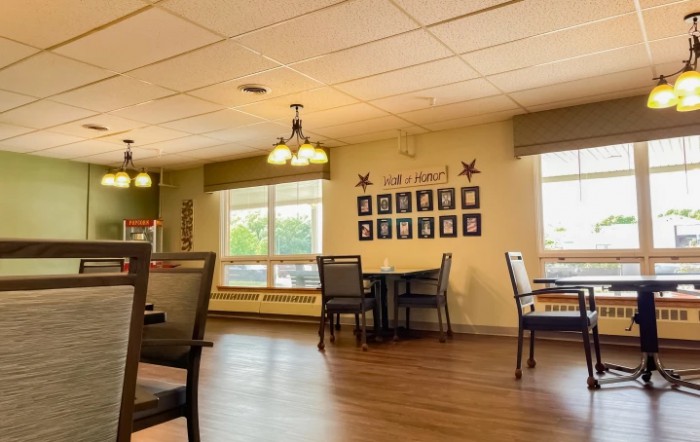
- The food is good.
- The staff were attentive and made the stay easier.
Review
Prairie View Senior Living in Tracy, Minnesota is best suited for seniors who prize steady, compassionate daily care within a calm, picturesque setting. The community clearly serves residents navigating recovery after surgery or those who require dependable support with activities of daily living, delivered by staff described as attentive and kind. It works well for families seeking hands-on oversight and predictable routines in a manageable, neighborly campus. Those who value a good view, a comfortable living environment, and reliable caregiving over a bustling, hospital-like atmosphere will find Prairie View a sensible fit. In essence, Prairie View is a solid match for post‑acute residents and seniors who want warmth, consistent care, and a homey vibe rather than a sprawling, impersonal operation.
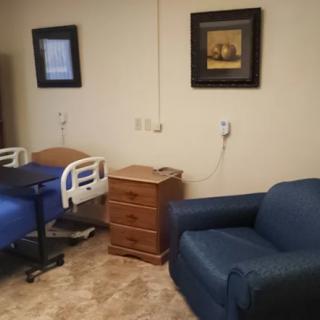
Key strengths emerge clearly in the care experience. The personnel are repeatedly described as attentive and great, especially during a nine-month recovery stay after surgery, when steady support matters most. Dining earns positive notes, meals are described as good, and that contributes to overall comfort and satisfaction. The setting itself adds to well‑being: a pleasant view and a calm atmosphere that can ease the stress of rehab or daily routines. This combination, responsive staff, solid nutrition, and a soothing environment, creates a reliable backbone for residents who require ongoing assistance yet want to feel genuinely cared for rather than treated as a checklist. The visible warmth and consistency shape daily life here in a way that many families seek when nursing a loved one back to strength.
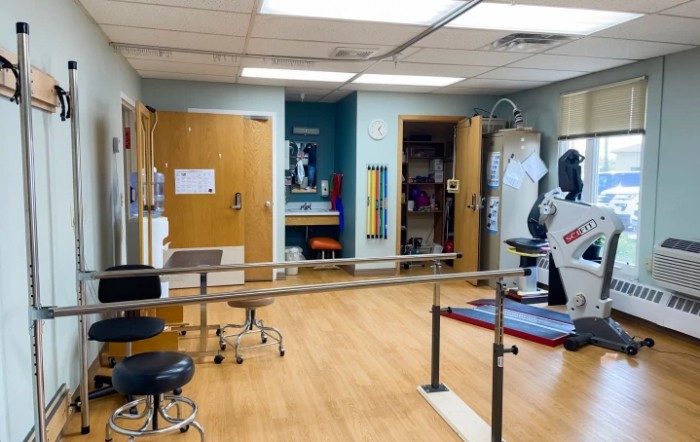
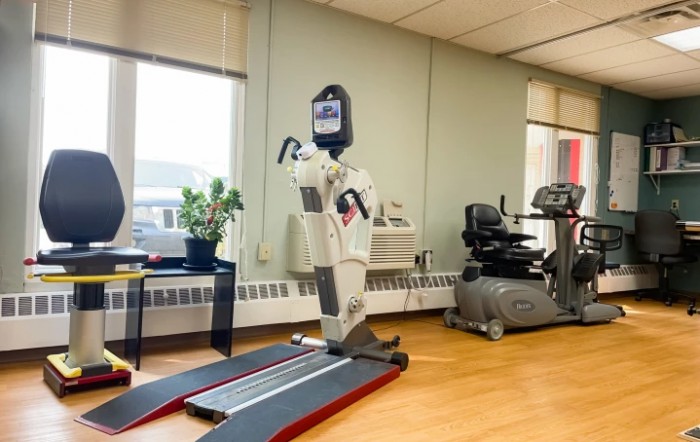
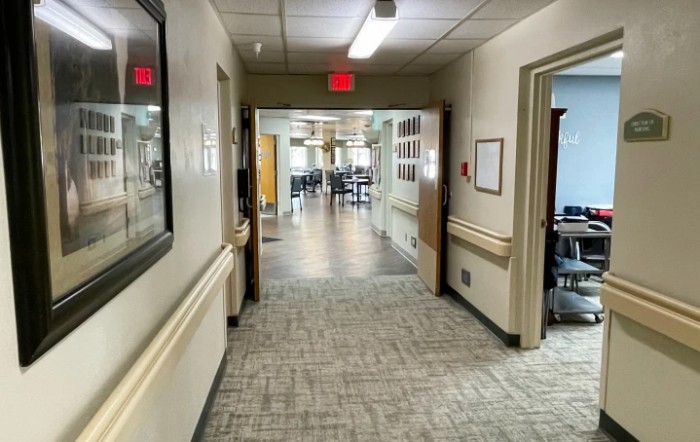
Still, the picture has missing tiles families will want to scrutinize. The feedback pool is small, four reviews, so there is limited visibility into long‑term satisfaction across a full spectrum of services. Details about activity programming, transportation options, and the availability of a broad range of therapeutic offerings are light. There is no explicit note on memory‑care specialization, high‑acuity medical supervision, or emergency readiness beyond the general impression of attentiveness. That gap matters for those evaluating Prairie View against options with explicit memory‑care wings or more aggressive rehab programming. In short, Prairie View delivers on care warmth and meals, but prospective residents should seek concrete specifics about programming, staffing ratios during peak hours, and how care plans evolve over time.
Those positives offset potential concerns in meaningful ways. Attentive staff translates into real reassurance during recovery, where consistent contact with caregivers matters more than glossy amenities. Good food and a quiet, scenic setting bolster mood and participation in daily routines, which in turn supports recovery outcomes and overall satisfaction. The small but steady community dynamics foster companionship and easier communication with caregivers, reducing the risk of care gaps often found in larger facilities. While the program breadth may not resemble a bigger campus, this scale concentrates attention where it matters: ongoing oversight, familiarity, and trust. When combined, the care‑centric strengths create a compelling case for Prairie View as a recovery‑friendly home rather than a temporary stopgap.
This is not the right pick for every elder. Families seeking robust memory‑care specialization, highly intensive medical supervision, or a wide slate of daily activities and enrichment programs might want alternatives. Those who must access a broader network of specialists or prefer a campus with more pronounced social opportunities could consider larger senior communities nearby or facilities known for memory‑care units. Cost transparency and clearly tiered care options are other factors to compare; if Prairie View’s pricing or care model does not align with the resident’s needs and budget, exploring rivals with clearer components would be prudent. In short, Prairie View excels in care warmth and stability, but for certain medical acuities or lifestyle desires, alternatives offer stronger alignment.
Decision-makers should treat Prairie View as a strong, practical candidate worth a visit. Schedule a tour focused on care routines, staff-to-resident ratios, therapy availability, and meal flexibility. Request an outline of the daily activity calendar, transportation options, and guest policies to gauge social engagement and independence potential. Bring concrete questions about how care plans evolve during a stay and what happens when a resident’s needs shift. If the core priorities are warmth, reliable recovery support, and a peaceful setting, Prairie View delivers with conviction. For families comparing options, Prairie View should be near the top of the list, with alternatives lined up for side‑by‑side assessment to confirm whether the fit is optimal.
 43 resident community capacity
 Skilled Nursing Facility
 Beauty salon
 Cable or satellite TV
 Dining room
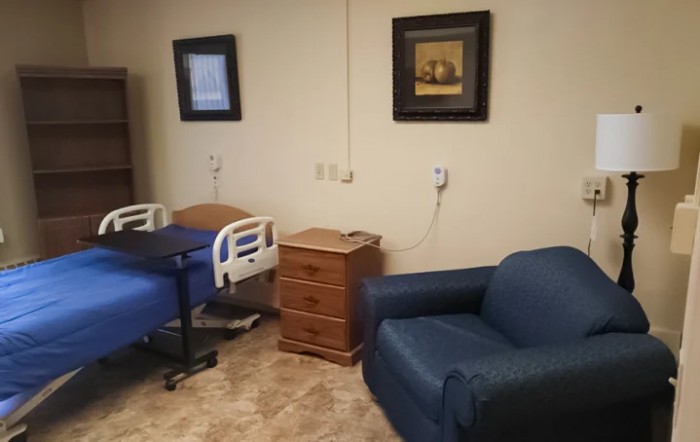
 Fully furnished
 Garden
 Housekeeping services
 Kitchenette
 Move-in coordination
 Outdoor space
 Restaurant-style dining
 Small library
 Telephone
 Wi-Fi/high-speed internet available
 24-hour call system
 Activities of daily living assistance
 Assistance with bathing
 Assistance with dressing
 Assistance with transfers
 Diabetes diet
 Medication management
 Mental wellness program
 Special dietary restrictions


 Top Canine Companions for Older Adults
 Comprehensive Guide to Blood Pressure Charts for Older Adults: Understanding Normal and High Readings by Age
 Financing Long-Term Nursing Home Care Through Social Security: A Thorough Exploration