
Minnewaska Community Health Services in Starbuck, MN

Save
Minnewaska Community Health Services Minnewaska Community Health Services Minnewaska Community Health Services

Minnewaska Community Health Services in Starbuck, MN

605 Main Street, Po Box 40, Starbuck, MN 56381

For more information about senior living options: (844) 490-3973

3.4 from 5 reviews
5 stars
3
4 stars
0
3 stars
0
2 stars
0
1 stars
2

Continuing Care Retirement Community (CCRC) Skilled Nursing Facility

Overall Review of Minnewaska Community Health Services

Pros

  • pro The residents love it and it feels like home.
  • pro The staff are loving and caring.
  • pro The facility is always clean and provides great food.
  • pro There are lots of fun activities for residents.
  • pro The caregivers provide wonderful care to their residents.
  • pro The residents seem happy.
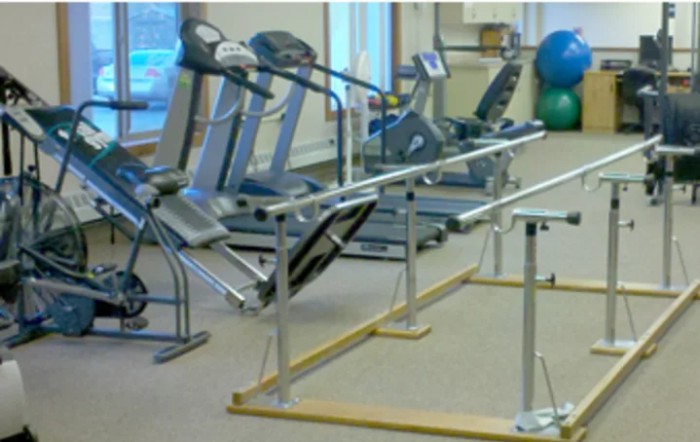
  • pro They support residents through difficult times and help them rehab to regain strength.

Cons

  • pro He had a very unhealthy experience in another home that set him back.
  • pro He was glad to be out of that other place.

Review

This community is best suited for families seeking a warm, home-like assisted living environment that emphasizes gentle, attentive caregiving and recovery-focused support. The strongest fit is for residents who value daily life that feels less institutional and more like a well-supervised home setting: plenty of social activity, approachable staff, and a reassuring commitment to kindness. It also resonates for individuals pursuing rehabilitation after a setback, with an emphasis on rebuilding strength and returning home. In short, those who prioritize heartfelt care, a cheerful atmosphere, and practical rehab assistance will almost certainly feel they've found a good match here.

Those considering alternatives should weigh options if there is a need for high-acuity medical oversight, highly specialized memory care, or a larger, more formal campus with a broader range of on-site medical services. Families requiring robust, round-the-clock nursing expertise, or a facility with a tightly regulated, hospital-like environment, may find better alignment elsewhere. Similarly, if consistency across staff interactions and daily operations is non-negotiable, it is wise to compare a few other communities to ensure one's expectations about pace, communication, and routine are consistently met.

The most compelling pros clear a path through the main concerns. The homey, "this could be family living" vibe stands out, reinforced by demonstrably caring staff who show warmth in daily routines. Cleanliness and food quality consistently surface as strengths, supporting residents' comfort and appetite, which in turn fuels participation in activities. The social calendar and engagement options are meaningful, helping residents stay connected and oriented. When combined with a track record of rehab assistance - evidenced by families noting impressive improvements after injuries or medical setbacks - the positives form a credible case for prioritizing recovery and daily livability over other considerations.

However, the online feedback introduces a caution sign: two 1-star reviews suggest that experiences can diverge significantly. Those reviews imply potential gaps in consistency, responsiveness, or atmosphere that can matter as much as care quality. The reality is that not every family will encounter the same level of satisfaction, and expectations around pace, communication, and individual preferences may not always align with every shift or supervisor's approach. This is not a universal red flag, but it is a meaningful factor to weigh against the consistent warmth and rehab success highlighted in the stronger accounts.

In practice, the rehab and everyday-life strengths tend to offset many of the concerns for families who prioritize recovery, social engagement, and a nurturing environment. When a resident is focused on regaining mobility and confidence with a goal of returning home, the dedicated staff and supportive routines become the decisive advantage. The combination of a home-like atmosphere, dependable cleanliness, good meals, and robust activity options provides a foundation not just for comfort, but for tangible progress in rehabilitation. That blend can make a meaningful difference for someone fresh from surgery or injury, looking to rebuild independence with familiar faces nearby.

For families making a plan, the practical path is clear. Schedule face-to-face tours with direct conversations about staffing patterns, availability of rehabilitation services, and the cadence of daily activities. Ask current residents and their families about consistency in care and communication, and observe how staff interact with residents during the visit. Compare this community with others that offer stronger contingencies for memory care or higher acuity needs, ensuring there is a fit for the resident's specific medical profile and long-term goals. With careful matching of expectations to service levels, this community can be a strong choice for recovery-minded seniors who prize warmth, cleanliness, and engagement - while alternatives should be kept in mind for those requiring more intensive medical oversight or a different care culture.

Features

Housing

  • 39 resident community capacity 39 resident community capacity

Types of Care

  • Continuing Care Retirement Community (CCRC) Continuing Care Retirement Community (CCRC)Continuing Care Retirement Communities (CCRCs) are important for seniors because they provide a range of housing options and care services all in one location. This allows seniors to age in place and receive the level of care they need as their health changes, without having to move to a new facility. CCRCs provide a sense of security and peace of mind for seniors and their families, knowing that they will be taken care of no matter what the future holds.
  • Skilled Nursing Facility Skilled Nursing FacilitySkilled Nursing Facilities are crucial for seniors as they provide round-the-clock medical care, rehabilitation services, and assistance with daily activities. These facilities ensure that seniors receive the specialized care they need to maintain their health and well-being as they age.

Amenities

  • Beauty salon Beauty salonBeauty salons are important for seniors because they provide a space for them to feel pampered, socialize, and maintain their personal grooming and hygiene. Regular visits to a beauty salon can help boost seniors' self-esteem and overall well-being.
  • Cable or satellite TV Cable or satellite TVCable or satellite TV is important for seniors because it provides entertainment, news, and companionship, helping to combat loneliness and boredom. It also offers a wide range of programming options tailored to different interests and preferences.
  • Dining room Dining roomDining rooms are important for seniors as they provide a space for socialization, connection, and nutritious meals. They offer opportunities for residents to bond over shared meals, foster a sense of community, and promote healthy eating habits. Dining rooms also ensure that seniors have access to well-balanced meals tailored to their dietary needs and preferences.
  • Fully furnished Fully furnishedFully furnished senior living communities are important for seniors because they provide convenience, comfort, and a hassle-free moving experience. Seniors can easily settle into their new living space without the stress of having to buy and move furniture. This allows them to focus on enjoying their new home and community.
  • Garden GardenGardens are important for seniors as they provide a peaceful and therapeutic environment for relaxation, physical activity, and socialization. Being in nature has been shown to reduce stress, improve mood, and promote overall well-being. Gardens also offer opportunities for seniors to engage in gardening activities, which can improve mobility, flexibility, and cognitive function. Additionally, gardens create a sense of community and connection with others who share a passion for plants and outdoor spaces.
  • Housekeeping services Housekeeping servicesHousekeeping services are important for seniors because they help maintain a clean and safe living environment, promote independence, and reduce the risk of accidents or illnesses. Additionally, having assistance with household chores can alleviate physical strain and allow seniors to focus on other aspects of their well-being.
  • Kitchenette KitchenetteKitchenettes are important for seniors living in senior living communities because they provide the convenience and independence of being able to prepare simple meals and snacks in the comfort of their own living space. This can help promote a sense of autonomy and well-being for seniors, allowing them to maintain some level of control over their dietary choices and daily routines.
  • Move-in coordination Move-in coordinationMove-in coordination is important for seniors because it helps ease the transition into their new living environment. It ensures that all logistics, such as packing, organizing movers, and setting up utilities are taken care of, allowing seniors to focus on settling in and adjusting to their new home. Having a smooth move-in process can alleviate stress and anxiety, making the transition smoother and more enjoyable for seniors.
  • Outdoor space Outdoor spaceOutdoor spaces are important for seniors as they provide opportunities for physical activity, social interaction, exposure to natural light and fresh air, and a sense of connection to nature. Having access to outdoor spaces can improve overall well-being and quality of life for older adults living in senior communities.
  • Restaurant-style dining Restaurant-style diningRestaurant-style dining is important for seniors because it allows them to enjoy delicious, nutritious meals in a social and upscale setting. This enhances their dining experience, promotes healthy eating habits, and fosters socialization with fellow residents, ultimately contributing to their overall well-being and quality of life.
  • Small library Small librarySmall libraries are important for seniors as they provide access to a variety of reading materials, including books, newspapers, and magazines. This can help stimulate their minds, keep them engaged, and provide a sense of community through book clubs and other social activities. Additionally, reading has been shown to improve cognitive function and overall mental well-being in older adults.
  • Telephone TelephoneTelephones are important for seniors as they provide a lifeline for communication with loved ones, emergency services, and healthcare providers. They offer a sense of security and independence, enabling seniors to stay connected and access assistance when needed.
  • Wi-Fi/high-speed internet available Wi-Fi/high-speed internet availableWi-Fi/high-speed internet is important for seniors to stay connected with loved ones, access online resources, and participate in virtual activities to combat feelings of loneliness and isolation. It also allows them to easily manage healthcare needs, access entertainment, and engage in lifelong learning opportunities.

Care Services

  • 24-hour call system 24-hour call system24-hour call systems are important for seniors because they provide peace of mind and immediate assistance in case of emergencies. This technology ensures that help is always available, promoting safety and security for elderly individuals living alone or in assisted living facilities.
  • 24-hour supervision 24-hour supervision24-hour supervision is important for seniors to ensure their safety, well-being, and access to immediate assistance in case of emergencies or health issues. This constant support provides peace of mind for both seniors and their loved ones, allowing them to age in place with dignity and security.
  • Activities of daily living assistance Activities of daily living assistanceActivities of daily living assistance are important for seniors because they provide essential support with tasks such as eating, bathing, dressing, and mobility. This assistance helps seniors maintain their independence, dignity, and overall quality of life as they age.
  • Assistance with bathing Assistance with bathingAssistance with bathing is crucial for seniors as it helps maintain personal hygiene, prevents infections, and ensures their overall well-being and comfort. It also provides a sense of dignity and independence for seniors who may struggle with this task on their own.
  • Assistance with dressing Assistance with dressingAssistance with dressing is important for seniors because it helps maintain their independence, promotes personal hygiene, prevents accidents and injuries, and improves overall quality of life. This service ensures that seniors can continue to dress comfortably and confidently, despite any physical limitations they may have.
  • Assistance with transfers Assistance with transfersAssistance with transfers is crucial for seniors as it helps prevent falls and injuries, maintains their independence, and ensures they can safely navigate their living environment. It also provides peace of mind for both seniors and their loved ones.
  • Diabetes diet Diabetes dietA diabetes diet is crucial for seniors as it helps manage blood sugar levels, reduce risks of complications, and improve overall health and well-being. By following a balanced and nutritious diet tailored to their specific needs, seniors can better control their diabetes and enhance their quality of life.
  • Meal preparation and service Meal preparation and serviceMeal preparation and service are crucial for seniors as they may have limited mobility or energy to cook nutritious meals. Having access to healthy and convenient food options can ensure they are getting the proper nutrition needed to maintain their overall health and well-being.
  • Medication management Medication managementMedication management is crucial for seniors to ensure they are taking the right medications at the correct dosages and times. This helps prevent adverse drug interactions, reduces the risk of medication errors, and promotes overall health and well-being. Proactive management also allows for adjustments as needed based on changing health conditions or new prescriptions.
  • Mental wellness program Mental wellness programMental wellness programs are essential for seniors as they promote cognitive stimulation, emotional support, and social engagement. These programs help prevent isolation, depression, and cognitive decline, ultimately enhancing the overall quality of life for older adults.
  • Special dietary restrictions Special dietary restrictionsSpecial dietary restrictions are important for seniors because age-related changes in metabolism and health conditions can make it difficult for their bodies to process certain foods. By following a diet tailored to their specific needs, seniors can maintain their overall health and well-being, manage chronic conditions, and reduce the risk of complications such as malnutrition or food interactions with medications.

Dining

  • Diabetes diet Diabetes dietA diabetes diet is crucial for seniors as it helps manage blood sugar levels, reduce risks of complications, and improve overall health and well-being. By following a balanced and nutritious diet tailored to their specific needs, seniors can better control their diabetes and enhance their quality of life.
  • Special dietary restrictions Special dietary restrictionsSpecial dietary restrictions are important for seniors because age-related changes in metabolism and health conditions can make it difficult for their bodies to process certain foods. By following a diet tailored to their specific needs, seniors can maintain their overall health and well-being, manage chronic conditions, and reduce the risk of complications such as malnutrition or food interactions with medications.

Activities

  • Community-sponsored activities Community-sponsored activitiesCommunity-sponsored activities are important for seniors as they provide opportunities for social interaction, mental stimulation, and physical activity. These activities can help improve overall well-being, combat loneliness and isolation, and promote a sense of belonging and purpose among older adults.
  • Resident-run activities Resident-run activitiesResident-run activities are important for seniors as they encourage social interaction, creativity, and a sense of autonomy. These activities empower seniors to stay engaged and active in their community while fostering meaningful connections with their peers.
  • Scheduled daily activities Scheduled daily activitiesScheduled daily activities are important for seniors because they provide structure, socialization, mental stimulation, and physical activity. Engaging in regular activities can improve overall well-being and quality of life for seniors living in a community setting.

Description

The Minnewaska Community Health Services in Starbuck, MN is a skilled nursing facility that provides a range of care services for its residents. The community offers comfortable and fully furnished accommodations for individuals in need of 24-hour supervision and assistance with activities of daily living.

Residents at Minnewaska Community Health Services can enjoy a variety of amenities to enhance their stay. These amenities include cable or satellite TV, a dining room for communal meals, a small library for reading and relaxation, and outdoor spaces to enjoy nature. Additionally, Wi-Fi/high-speed internet and telephone access are available to residents to stay connected with family and friends.

The care services at Minnewaska Community Health Services are designed to meet the specific needs of each resident. The staff provides assistance with bathing, dressing, transfers, and medication management. Special dietary restrictions are catered to ensure that residents receive the proper nutrition they require, including diabetes diets.

To promote mental wellness and socialization among residents, the community offers a mental wellness program as well as scheduled daily activities. Residents can also participate in resident-run activities that encourage engagement and camaraderie within the community.

Located in Starbuck, MN, residents have easy access to various amenities nearby. Two cafes, four restaurants, and one park are all within close proximity to the community. There are also seven places of worship nearby for those seeking spiritual fulfillment.

Overall, Minnewaska Community Health Services provides a warm and caring environment for individuals requiring skilled nursing care. With its range of amenities and personalized care services, it strives to create a comfortable home-like atmosphere where residents can thrive physically, mentally, and socially.

Nearby Places of Interest

Places of Worship

  • Lake Haven Mennonite Church (0 miles)
  • Immanuel-Indherred Lutheran (0.1 miles)
  • Minnewaska Lutheran Church (0.1 miles)
  • Fron Kitchen & Youth Room (0.1 miles)
  • Shalom Community Lutheran Church (0.2 miles)
  • Wayne Ribble (0.3 miles)
  • Indherred Lutheran Church (0.9 miles)

Restaurants

  • Starbuck Bakery (0 miles)
  • Pastry Shoppe (0.2 miles)
  • Water's Edge Bar & Restaurant (1.2 miles)
  • Minnewaska House (4.2 miles)
  • Hatchery Bar & Grill (6.3 miles)
  • Lakeside Ballroom (7 miles)
  • Subway (7.2 miles)

Cafes

  • Nutcracker Cafe (0.1 miles)
  • Runestone Coffee (0.1 miles)
  • Gather Coffee + Bristro (7.2 miles)
  • Gingerbread House Cafe (7.2 miles)
  • Dunn Brothers Coffee (17.5 miles)
  • Turtle Mountain Cafe (18 miles)

Parks

  • Holly Skogen (0.4 miles)
  • Glacial Lakes State Park (5.4 miles)
  • Glenwood City Park (7 miles)
  • Barsness Park (7.5 miles)
  • Runestone Park Barn (15.3 miles)
  • Pomme de Terre Park (17.1 miles)
  • Eastside Park (18.5 miles)

Transportation

  • Anderson Taxidermy (5.6 miles)
  • Burlington Northern Railroad (18.2 miles)

Hospitals

  • Glacial Ridge Health System (7.2 miles)
  • Morris Dialysis Unit (18.2 miles)
  • Stevens Community Hospital Paging (18.2 miles)
  • Stevens Community Medical Center (18.2 miles)
  • Alexandria Clinic (18.5 miles)

Pharmacies

  • Trumm Drug (Glenwood) (7.2 miles)
  • Trumm Drug (7.3 miles)
  • Walmart Pharmacy (17.7 miles)
  • Trumm Drug (Clinic Pharmacy) (18.5 miles)

Physicians

  • Minnesota Eye Institute (18.5 miles)
  • Lake Region Eye Center (18.5 miles)
  • Midwest Vision Centers - Alexandria Eye Doctor (18.5 miles)
  • Runestone Eye Care (18.5 miles)

Frequently Asked Questions

Where is Minnewaska Community Health Services?
What photos are available for Minnewaska Community Health Services in Starbuck, Minnesota?

Nearby Communities

  • Holly Ridge Manor I

    Holly Ridge Manor I

    Starbuck, MN

    3.7 from 3 reviews
     

    pro Well-equipped assisted living with 24/7 supervision, ADL support, and active daily programs.

  • Central Minnesota Senior Care 4

    Central Minnesota Senior Care 4

    Starbuck, MN

    2.7 from 15 reviews
     

    pro Fully furnished apartments with on-site dining, housekeeping, and transportation for medical visits.

  • Minnewaska District Hospital

    Minnewaska District Hospital

    Starbuck, MN


    pro Nearby dining, parks, and places of worship enhance lifestyle.

  • Holly Ridge Manor

    Holly Ridge Manor

    Starbuck, MN

    3.7 from 3 reviews
     

    pro Fully furnished assisted living with 24/7 supervision, medication management, and a mental wellness program.

  • Minnewaska Lutheran Home

    Minnewaska Lutheran Home

    Starbuck, MN

    5 from 2 reviews
     

    pro Warm, home-like atmosphere with caring staff, cleanliness, and engaging activities.

  • Ridgewood Villa

    Ridgewood Villa

    Glenwood, MN

    5 from 1 review
     

    pro Convenient access to nearby amenities and services (cafes, parks, pharmacies, restaurants, transportation, places of worship, hospital).

Skilled Nursing Facility in Nearby Cities

Related Resources

  • palliative care vs hospiceUnderstanding the Nuances of Palliative Care and Hospice: A Comprehensive Exploration

    Palliative care focuses on alleviating distress at any stage of a serious illness and can accompany curative treatments, while hospice care is for those nearing the end of life with a prognosis of six months or less, emphasizing comfort over curative measures. Both prioritize holistic care for patients and families but differ in timing, goals, and scope.

  • fecal incontinenceFecal Incontinence in Older Adults: A Comprehensive Guide

    Fecal incontinence, prevalent among older adults, arises from factors like weakened pelvic muscles and nerve damage, significantly affecting well-being and social interactions. Diagnosis involves clinical evaluation and tests to inform tailored treatments, while caregivers and preventive measures can aid in managing the condition effectively.

  • anticipatory griefRecognizing the Journey: Understanding and Navigating Anticipatory Grief

    Anticipatory grief is an emotional response to the impending loss of a loved one, characterized by complex emotions such as sadness and anger, and involves navigating stages similar to those identified by Kübler-Ross. Coping strategies are vital for managing this process, emphasizing compassionate communication, self-care, and support groups while recognizing the cultural influences on grieving.