


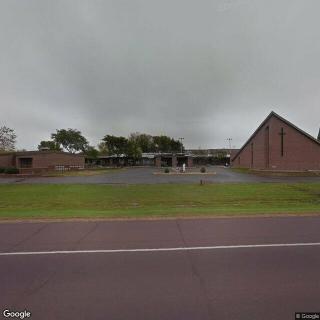
200 South Dekalb Street, Redwood Falls, MN 56283
For more information about senior living options: (866) 208-4318
Overall Review of River Valley Health And Rehabilitation Center
Pros
 The staff are always very friendly and helpful.
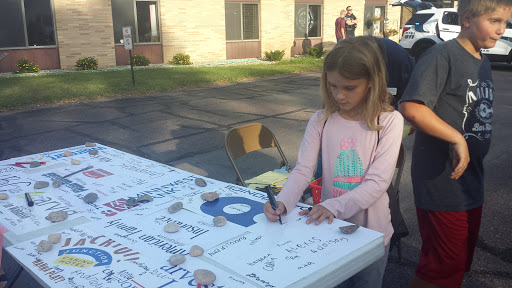
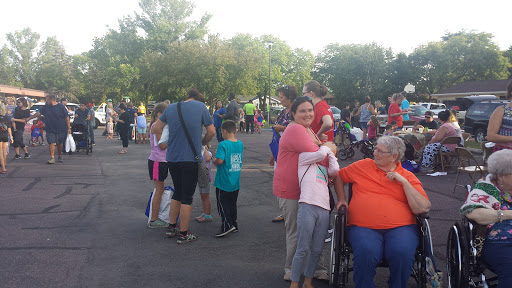
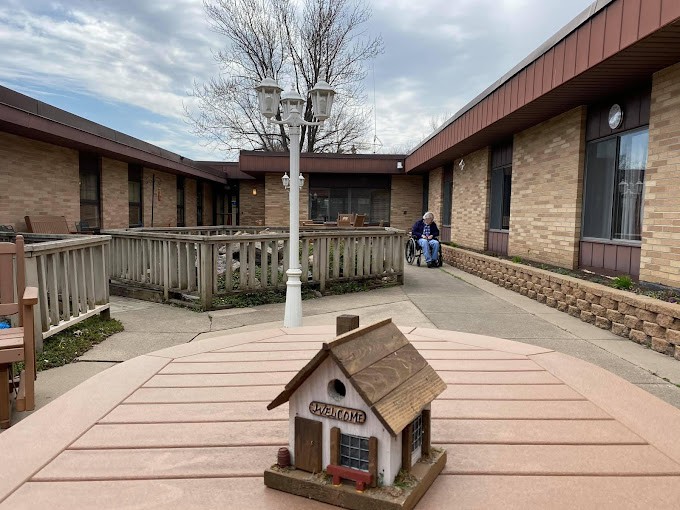
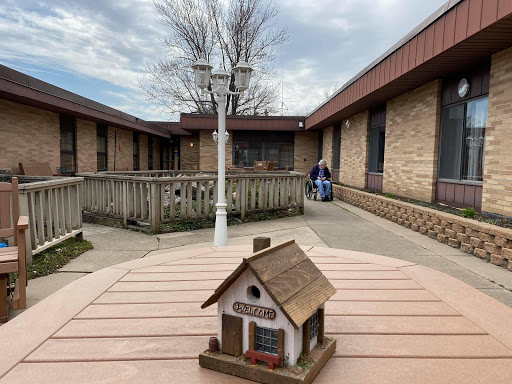
- River Valley Health & Rehab has a warm, home-like environment.
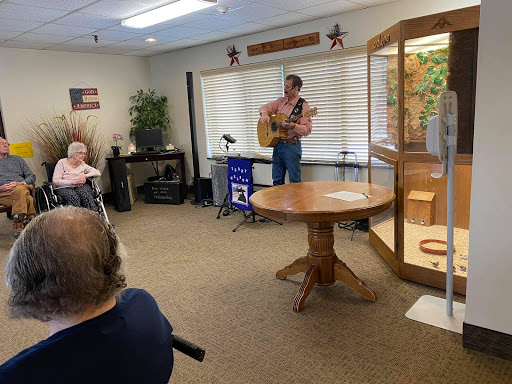
- The birds and fish are fun to watch.
- The food is amazing.
- The facility is beautiful, with dedicated staff who provide quality care.
- The staff work hard to take care of residents and always put their needs first.
- The facility is highly recommended.
- The staff are wonderful, very helpful, and make visits enjoyable.
Cons
 The facility is extremely dated with tiny resident rooms and inconvenient bathrooms smaller than closets.
- They were often understaffed, and the staff that were there were rude.
- The grandmother was being neglected by the staff.
- The staff did not call the ambulance in a timely manner, causing her to suffer much more than she needed to.
- Understaffing was unfortunate.
- The staff did not call the ambulance in time and the grandmother went into cardiac arrest and died.
Review
River Valley Health & Rehabilitation Center in Redwood Falls, MN is best suited for families seeking a warm, home-like setting where staff are consistently described as friendly, attentive, and resident-centered, and where moderate care needs can be managed without requiring highly specialized memory care or intensive clinical oversight. The community tends to appeal to those who prioritize interpersonal warmth, a pleasant daily atmosphere, and dependable social opportunities over cutting-edge amenities or expansive clinical programs. For residents who require extensive memory care, highly specialized neurological support, or rigorously supervised medical protocols, alternatives with more robust clinical staffing may be a wiser fit.
The strongest signal from multiple reviews is the quality of the people who work at River Valley. Families repeatedly note that staff members are compassionate, helpful, and genuinely invested in residents’ well-being. The atmosphere is described as welcoming and “home-like,” with residents and visitors able to form positive, meaningful connections. Food, church services, and simple daily pleasures, birds and fish in view, for example, become tangible daily pleasures that enrich life there. When the environment aligns with expectations for courtesy, respect, and pleasant social interaction, the care can feel consistently reassuring even as other logistical challenges surface.
Yet the community is not free from meaningful drawbacks. A recurrent concern is staffing instability, periods of being under-staffed, and at times staff who communicate in ways that come off as brusque. Physical infrastructure presents a more persistent drag: rooms are described as tiny, bathrooms as cramped, and the facility itself as being “extremely dated.” Transportation logistics can also present friction, with equipment and accessibility issues noted in the context of appointments, which matters for residents who rely on assisted transport or wheelchair fitting. In one poignant account, a family attributed a resident’s decline to delayed emergency response during a medical crisis, underscoring a real risk when staffing levels falter.
These strengths and weaknesses interact in a consequential way. The highly personable staff and the distinctly homey, engaging environment can substantially offset daily irritants for many residents, especially those who value relational care and a social, faith-friendly calendar of activities. When care needs are moderate and the nursing presence is steady, River Valley can deliver a satisfying, dignified living experience. However, the same positives may not entirely compensate for consistent understaffing, sluggish emergency responsiveness, or the physical constraints of the space. For residents prone to higher medical complexity, behavioral challenges, or requiring highly rapid responses to changes in condition, the gaps in staffing and infrastructure can transform from tolerable to unacceptable.
Alternatives should be strongly considered for families whose priorities include unassailable staffing stability, modernized facilities, or specialized memory care. If a resident requires constant, vigilant supervision, aggressive fall-prevention protocols, or rapid escalation of medical needs, other communities with deeper clinical staffing and more spacious rooms may better serve safety and comfort. Families who fear that transportation bottlenecks or cramped facilities will hinder accessibility to appointments or private time in a wheelchair should compare options with more expansive, accessible layouts and more reliable transport support. Finally, for those who place high importance on contemporary amenities and a robust, less dated environment, touring newer or more extensively resourced centers could yield a better overall match.
The practical course for families weighing River Valley is deliberate on-site evaluation paired with targeted questions. Inspect current room sizes and bathroom accessibility, assess the degree of cleanliness and responsiveness in common areas, and observe interactions between staff and residents during a visit. Inquire about nurse-to-patient ratios, the cadence of aide coverage, and how emergencies are prioritized when shifts are thin. Ask for recent examples of how transportation needs have been accommodated, and request transparency about any ongoing or upcoming facility renovations that could impact daily life. If the goal is a warm, socially engaging setting with solid daily care at a reasonable price, River Valley is worth a serious look, but with eyes wide open to staffing patterns and physical constraints.
In the end, River Valley Health & Rehabilitation Center operates as a practical choice for families who prize a loving atmosphere and reliable daily care above all else, and who are comfortable navigating occasional staffing shortcomings and space limitations. For those whose priorities include top-tier clinical oversight, modernized facilities, or guaranteed rapid emergency response, exploring competing communities is advisable. The decision rests on balancing the undeniable warmth and quality of daily life against the real-world risks that come with understaffing and an aging infrastructure.
 43 resident community capacity
 Skilled Nursing Facility
 Beauty salon
 Cable or satellite TV
 Dining room
 Fully furnished
 Garden
 Housekeeping services
 Kitchenette
 Move-in coordination
 Outdoor space
 Restaurant-style dining
 Small library
 Telephone
 Wi-Fi/high-speed internet available
 24-hour call system
 Activities of daily living assistance
 Assistance with bathing
 Assistance with dressing
 Assistance with transfers
 Diabetes diet
 Medication management
 Mental wellness program
 Special dietary restrictions



 Comprehensive Guide to Blood Pressure Charts for Older Adults: Understanding Normal and High Readings by Age
 Financing Long-Term Nursing Home Care Through Social Security: A Thorough Exploration
 Essential Knowledge on Pneumonia in Older Adults