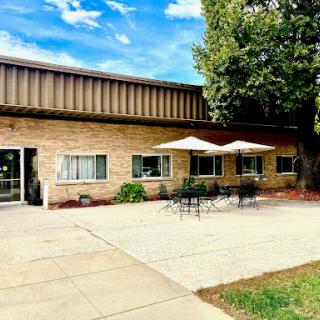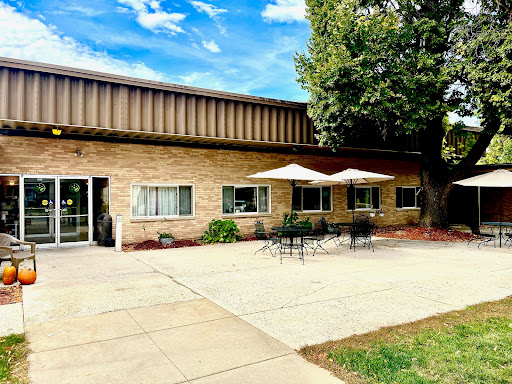
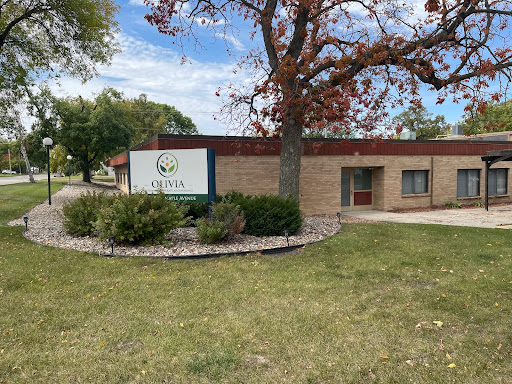
1003 West Maple Avenue, Olivia, MN 56277
To contact a resident: (320) 523-1652
For more information about senior living options: (866) 208-4318
Overall Review of Golden LivingCenter - Olivia
Pros
 They have grown very thankful for the facility and cherish friendships with amazing residents and supportive staff.
- They gained 20 pounds in two months, a testament to how delicious the meals are.
- Thanks to the Physical Therapy team, they can walk around the facility and feel stronger and more independent.
- The experience has been fun and rewarding for them.
- They are grateful for the care, noting prompt, attentive staff and a warm, welcoming atmosphere.
- They appreciate the activities department for continually creating engaging and enjoyable experiences.
- They would highly recommend Olivia Restorative Therapy and Nursing for exceptional care.
- The staff give personal attention to every detail, addressing emotional and social wellbeing and brightening residents' days with activities.
Cons
 The facility was described as a nightmare.
- The room and bathroom were dirty and not cleaned for days.
- Doctors' orders, including wound care, were ignored, leading to an infection.
- Nurses reportedly did not know how to clean wounds.
- Call lights were answered slowly, taking 30–60 minutes.
- Aides moved the patient without proper safety equipment, causing a fall.
- Support staff such as the social worker and the director were unhelpful.
- Physical therapy was not provided as prescribed, far below the expected frequency.
- The reviewer would not recommend the facility.
Review
Golden LivingCenter - Olivia is best suited for seniors who want active, therapy-driven care embedded in a warm, social setting. This community tends to shine for residents who are pursuing rehabilitation and ongoing nursing support while staying engaged in daily activities and meaningful relationships with staff. It can be an excellent fit for those who respond well to hands-on therapy, appreciate approachable caregivers, and place a premium on a bustling, resident-focused atmosphere. However, it is not the right match for families prioritizing flawless hygiene, consistently rapid call-light responses, and ironclad safety protocols across every shift.
Pros increasingly evident in multiple experiences center on care quality and personal attention. The restorative therapy program is repeatedly praised for progress, residents regain mobility, strength, and independence through a team that communicates, encourages, and customizes plans. The nursing and support staff frequently come across as compassionate and reliable, creating a sense of familiarity that families value. The environment itself is described as clean and welcoming, with activities that keep residents socially engaged and emotionally supported. Food and nutrition also show up as clear positives, contributing to residents’ overall well-being and even noticeable weight gains when meals are enjoyed consistently.
Yet the strongest red flags appear in the form of basic safety and consistency gaps. Several accounts recount dirty rooms and bathrooms, delays in wound care, and doctors’ or therapists’ orders not being followed, a combination that can lead to infections, extended hospital stays, and unnecessary pain. Call lights sometimes go unanswered for long periods, with families feeling they must intervene to obtain help. The social-work and administrative experience, in some cases, has fallen short of expectations, leaving families feeling they must advocate aggressively for care, transfers, or better communication. There are also serious notes about staff moving a resident without proper equipment, resulting in a fall and escalation of medical needs.
These contrasting threads, strong therapy and warm, responsive staff on one hand, and serious lapses in cleanliness, wound care, and safety on the other, shape the overall risk-reward calculus. For residents whose primary need is rehabilitation and social engagement, the positives can translate into meaningful functional gains and a supportive day-to-day life. When safety, meticulous hygiene, and consistent management oversight are paramount, the drawbacks become hard to overlook. In practice, the key question is whether the care team can sustain high-quality therapy while simultaneously closing the gaps that have caused harm in past episodes.
Families considering this community should pursue a fault-free recent snapshot of operations before placement. Schedule a candid tour focused on how wound care, call-light response, and safety protocols are currently managed. Request to meet with the administrator and the therapy leaders, and ask about staffing levels on the shifts most relevant to daily needs. Have conversations about how episodes of deconditioning, infections, or falls are handled, and seek concrete examples of improved processes. If possible, arrange a short-term stay or trial period to observe consistency in care, communications, and safety firsthand rather than relying on general impressions.
In the end, Golden LivingCenter - Olivia can be a superb match for families prioritizing rehabilitation progress, personal connections, and a lively, caring environment. The facility excels when therapy is the engine of daily life and staff genuinely treats residents like family. However, for those where impeccable hygiene, rapid call-light response, and unflinching safety oversight are non-negotiables, alternatives deserve serious consideration. The decision should rest on whether the prospective resident’s rehab goals align with the facility’s demonstrated strengths while its gaps are being actively addressed by a committed leadership team.
 55 resident community capacity
 Skilled Nursing Facility
 Cats allowed
 Dogs allowed
 Air-conditioning
 Beauty salon
 Cable or satellite TV
 Computer center
 Dining room
 Fitness room
 Fully furnished
 Gaming room
 Garden
 Housekeeping services
 Kitchenette
 Move-in coordination
 Outdoor space
 Private bathrooms
 Restaurant-style dining
 Small library
 Telephone
 Wellness center
 Wi-Fi/high-speed internet available
 Community operated transportation
 12-16 hour nursing
 24-hour call system
 Activities of daily living assistance
 Assistance with bathing
 Assistance with dressing
 Assistance with transfers
 Diabetes diet
 Medication management
 Mental wellness program
 Special dietary restrictions
 Concierge services
 Planned day trips



 Understanding the Nuances of Palliative Care and Hospice: A Comprehensive Exploration
 Is In-Home Healthcare Tax Deductible? Your Comprehensive Guide
 Nurturing Well-Being Through Gardening: A Detailed Guide for Senior Enthusiasts