
2309 Hayes Street Northeast, Minneapolis, MN 55418
For more information about senior living options: (866) 208-4318
Overall Review of Bethany Residence And Rehabilitation Center
Pros
 The facility is beautifully located near a park in NE Minneapolis.
- The staff is great and caring.
- The staff seemed very nice and pleasant.
- The facility seemed clean.
Cons
 The facility feels old and underfunded, i.e., under cared for.
- A resident fell from the fourth floor, indicating safety concerns.
- A family reported that the staff were not medically competent, leading to hospitalization.
- The place was described as stinky with crud in the water, signaling hygiene issues.
- It needs upgrades urgently and seems poorly maintained.
Review
Bethany Residence and Rehabilitation Center in Minneapolis is best suited for families seeking a modest, park-adjacent setting with genuinely caring staff and a straightforward nursing/assisted-living mix, primarily when the resident’s needs are not highly medical or complex. The community’s strongest asset is its people and its locale: a neighborhood feel near greenspace, where residents can be attended to with warmth and familiarity. It works best for someone who values personal attention and a lower-key atmosphere over pristine facilities or cutting-edge medical resources. Families should understand that this is not a high-acuity site; oversight and medical readiness do not appear to be the facility’s defining strengths.
On the upside, the reviews repeatedly underscore a humane, pleasant staff presence. Several observers highlight friendly, approachable caregivers, and some feel the location’s atmosphere offers a welcome respite for residents who benefit from regular interaction and routine. The joint nursing home and assisted-living footprint can be an advantage for transitions between levels of care, provided the resident’s condition remains relatively stable. When care comes from people who communicate with families and maintain a patient-centered tone, that relational stability can mean a lot in everyday life.
But the meaningful drawbacks loom large enough to tilt the decision for anyone with significant medical needs or safety concerns. The building itself is described as old and underfunded, with admissions suggesting that upkeep lags behind modern expectations. The most jarring red flags are safety and medical readiness: a resident fell from the fourth floor, and a family noted that their loved one was not supported by medically competent staff during a critical period. Other reports describe sanitation lapses and staff inability to guarantee basic cleanliness, “stinky” conditions and dirty water were cited, indicating systemic problems that a family cannot overlook if medical stability and daily hygiene are priorities. In short, the environment can feel neglected, and that reality clashes with the care demands some residents require.
Given these dynamics, it’s prudent to explicitly consider alternatives. Bethany Covenant Village is mentioned by reviewers as a cleaner, more solid option within the same family of facilities, with staff perceived as pleasant and the environment perhaps better managed. For families with residents who need more rigorous medical oversight, higher staffing ratios, or more contemporary infrastructure, it makes sense to explore other options in Minneapolis–St. Paul that offer stronger clinical staffing, better safety records, and clearer accountability. For those weighing memory care, post-acute rehab, or complex chronic conditions, a facility with demonstrated medical capacity will generally translate into fewer stressors for families.
The key pros, the staff warmth and park-adjacent setting, do offset some stress in the day-to-day life of a relatively low-needs resident, but they do not cancel the major cons. The personal attentiveness can sustain morale, while the pleasant surroundings contribute to a calmer daily rhythm. Yet these advantages are overwhelmed if medical emergencies arise, if falls occur, or if sanitation lapses threaten health. The contrast between a caring, friendly staff and a facility that struggles with basic upkeep or medical competence creates a dissonance that families must weigh deliberately: is a warm, reassuring house environment worth the risk when medical contingencies may be slow or inadequate?
For families actively evaluating options, concrete steps matter. Tour at different times of day to observe staffing presence and how aides interact with residents; ask pointed questions about nurse coverage, especially after hours, and request concrete, current data on fall prevention, infection control, and resident safety procedures. Inspect the living spaces for cleanliness and maintenance, and request recent inspection or survey results to gauge compliance history. If medical complexity, high fall risk, or the need for reliable on-site nursing is non-negotiable, pivot to facilities with stronger clinical credentials and clearer accountability. If a compassionate staff culture and a neighborly setting are the primary criteria, this community can meet those needs, but only with a clear understanding that upkeep, safety infrastructure, and clinical readiness may require close oversight and comparative evaluation against stronger-equipped peers.
 50 resident community capacity
 Skilled Nursing Facility
 Beauty salon
 Cable or satellite TV
 Dining room
 Fully furnished
 Garden
 Housekeeping services
 Kitchenette
 Move-in coordination
 Outdoor space
 Restaurant-style dining
 Small library
 Telephone
 Wi-Fi/high-speed internet available
 Minneapolis-St Paul International (9 miles away)
 24-hour call system
 Activities of daily living assistance
 Assistance with bathing
 Assistance with dressing
 Assistance with transfers
 Diabetes diet
 Medication management
 Mental wellness program
 Special dietary restrictions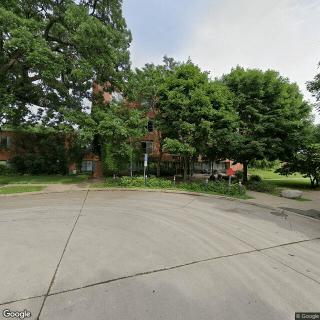






 Nurturing Our Loved Ones: A Daughter's Journey in Caring for Her Mother
 Nurturing Our Elders: Linda's Journey of Supporting Her Mother
 A Comprehensive Exploration of Common Misunderstandings about Powers of Attorney