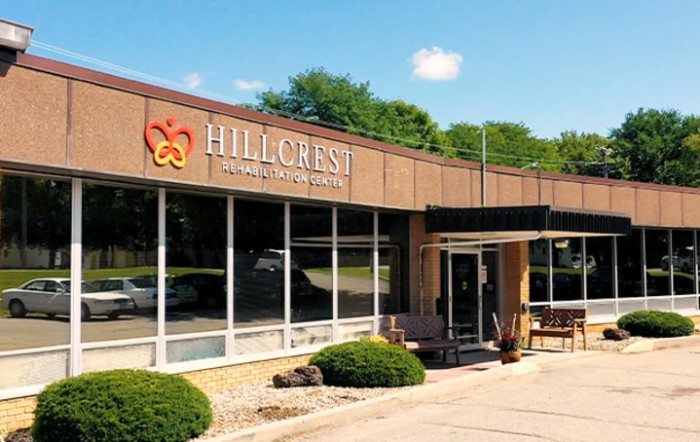
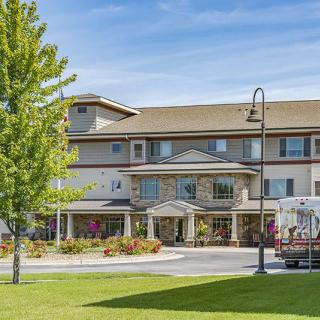
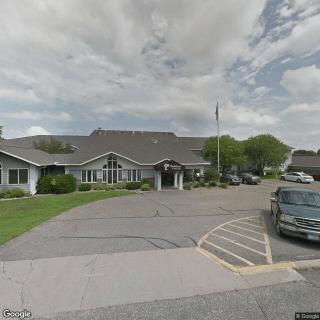
714 Southbend Avenue, Mankato, MN 56001
For more information about senior living options: (866) 208-4318
Overall Review of Hillcrest Care & Rehabilitation Center
Pros
 The environment is very clean, and it comes recommended.
- The place is amazing.
- The aides are liked and always sweet toward residents.
- The staff are kind and caring, forming a wonderful team to work with.
- The longevity and compassion of the staff help residents thrive with activities, good food, and superb nursing care; it’s described as the best nursing home around.
Cons
 The facility's bedside manner is terrible across all staff members, including upper management.
- The facility looks and smells unclean and unmaintained.
- Residents are left bedridden and in the same clothing for multiple days with a non-working call button, even after family addressed the issue multiple times.
- They would never again allow anyone they know to go to this facility.
- The facility is very disgusting, smells horrible, and has rats.
- Toilets are disgusting and the bathroom is too old for a wheelchair to fit.
- Therapists gave up on her after four months of PT and OT, saying she plateaued and not giving her a fair chance.
- She has become depressed since learning this.
Review
Hillcrest Care & Rehabilitation Center in Mankato is best suited for families that prize warm, long-tenured frontline staff and a steady, activity-rich daily routine. The strongest value lies in caregivers who stay with the building for years, creating real continuity for residents who respond to familiar faces and predictable rhythms. For residents who can manage daily tasks with modest assistance and for families prepared to supervise care closely, Hillcrest can feel like a welcoming home. However, those needing unwavering safety systems or a consistently pristine environment should consider alternatives. The combination of strong bedside manner and meaningful programming with significant facility flaws creates a clear boundary: this is not a universal fit and requires a candid risk assessment before choosing.
Pros consistently highlighted include kindness from aides, a steady nursing presence, and an engaging activities calendar that keeps residents socially connected. The narratives about long-tenured staff and attentive caregiving carry real weight for families seeking relational warmth and steadiness. Yet these positives do not erase the gravity of the environmental and safety concerns. Reports of persistent odors, unclean conditions, and even vermin suggestions point to serious maintenance lapses. The more alarming issues involve non-working call bells and occasions when help does not arrive promptly, leaving residents bedridden or in unchanged clothing. In short, heartfelt care and dedicated teams exist alongside operational fragility that cannot be ignored when weighing the decision.
Safety and accessibility gaps are the decisive counterweight. A non-working call button erodes trust and endangers vulnerable residents; limited accessibility, such as a wheelchair not fitting in the bathroom, highlights a disconnect between resident needs and the built environment. Some reviews describe toilets and overall sanitation as unacceptable, and at least one mentions a rat problem. These are not minor irritants; they mark serious gaps in housekeeping, pest control, and facility upkeep that undermine dignity and independence. The risk is real: loving care can be delivered in a setting that still fails basic safety and cleanliness, which can make daily living more stressful than accepting care outside Hillcrest.
Alternatives should be strongly considered for families prioritizing safety, cleanliness, and transparent management. Seek communities with documented maintenance routines, reliable call systems, accessible bathrooms, and a proven track record of prompt responses. Focus on tangible metrics: recent inspection findings, staffing ratios, and input from current residents and families. If Hillcrest remains a candidate, demand explicit assurances: a plan to address immediate cleanliness issues, a transparent maintenance schedule, and clear channels for escalating concerns to leadership. Concrete, measurable commitments are non-negotiable when the environment raises red flags about basic upkeep and resident safety.
For families moving forward with Hillcrest, structure the engagement around concrete checks. Request to observe multiple shifts to see response times; test the call button; inspect bathrooms for accessibility and cleanliness; talk with the director of nursing about how care plans adapt to declining mobility; ask about therapy continuity and what happens after a plateau. Seek a current, written safety protocol, housekeeping standard, and escalation process. If possible, arrange a short trial stay under supervision to see whether improvements hold in practice before committing long term. The goal is to validate that the promised warmth can coexist with consistently reliable operations in daily care.
In sum, Hillcrest offers warmth, social engagement, and attentive nursing that can satisfy families who maintain active oversight. Yet the weight of inconsistent cleanliness, gaps in safety, and management concerns is too heavy for residents with significant mobility needs or limited family support. For medically complex or mobility-limited residents, alternatives with stronger safety records and cleaner environments are strongly recommended. For others who can leverage caregiver rapport and ongoing vigilance, Hillcrest can work, but only with explicit action plans and continuous follow-up. The prudent course is a thorough tour with focused questions about safety, cleanliness, and management responsiveness before deciding, ensuring the choice aligns with safety, dignity, and long-term well-being.
 85 resident community capacity
 Skilled Nursing Facility
 Air-conditioning
 Beauty salon
 Cable or satellite TV
 Computer center
 Dining room
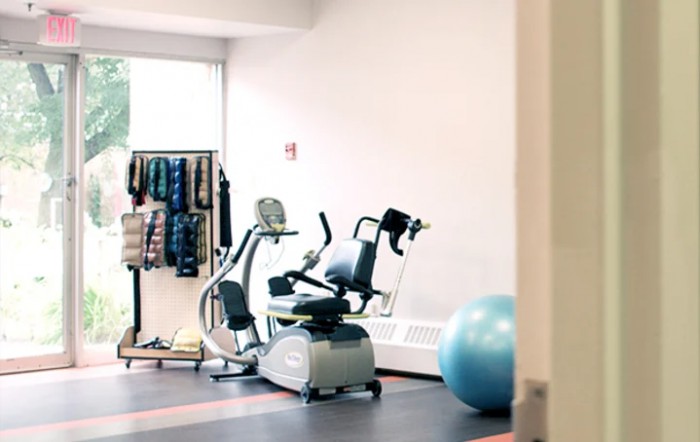
 Fitness room
 Fully furnished
 Gaming room
 Garden
 Housekeeping services
 Kitchenette
 Move-in coordination
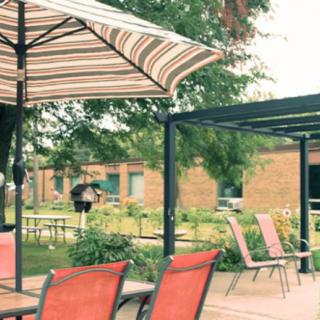
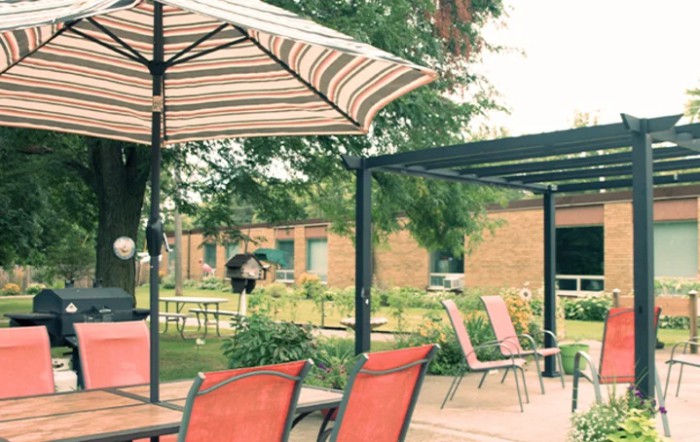
 Outdoor space
 Private bathrooms
 Restaurant-style dining
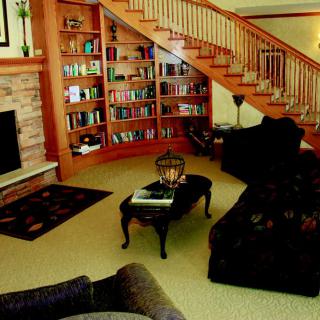
 Small library
 Telephone
 Wellness center
 Wi-Fi/high-speed internet available
 Community operated transportation
 12-16 hour nursing
 24-hour call system
 Activities of daily living assistance
 Assistance with bathing
 Assistance with dressing
 Assistance with transfers
 Diabetes diet
 Medication management
 Mental wellness program
 Special dietary restrictions
 Concierge services
 Planned day trips
 Weight Training for Seniors: Building Strength and Vitality
 Understanding the Sandwich Generation: Stress and Responsibilities for Multigenerational Caregivers
 8 Essential Assistive Devices for Older Adults