
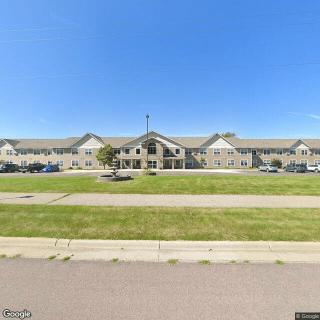
102 East North Street, Janesville, MN 56048
For more information about senior living options: (866) 208-4318
Overall Review of Whispering Creek
Pros
 The staff were great.
- The staff were super helpful and nice.
- His stay was made easier by the staff.
- God bless all health care workers.
Review
Whispering Creek in Janesville, MN is best suited for seniors who need a focused, short-term rehabilitation environment after surgery or a period of acute care. The community stands out when a recovery plan hinges on steady, personable support from staff and a low-stress atmosphere that helps a patient regain function without added complexity. In practice, this means a setting where caregivers are readily available, consistently courteous, and oriented toward making a difficult transition smoother for both the resident and family members. For families prioritizing a humane, hands-on approach during a defined recovery window, Whispering Creek presents a compelling fit.
Those who may want to consider alternatives are clear on some limits. If long-term living is the goal, or if extensive memory care, complex wound management, or round-the-clock medical oversight are required, Whispering Creek may not meet every need. The reviews do not reveal robust data on specialty services, advanced medical equipment, or a wide array of on-site therapies. For families seeking expansive amenities, larger campuses, or a more pronounced continuum of care, it is prudent to compare with facilities that explicitly advertise these capabilities. Cost transparency and discharge planning specifics should also be verified early in the process.
The strongest pro, unmistakably, is the staff. Descriptions of care teams as “great,” “super helpful,” and consistently pleasant translate directly into a better rehab trajectory. That kind of warmth and responsiveness can shorten anxiety, improve adherence to therapy, and reduce the likelihood of miscommunication during a critical recovery period. In short, the human factor here appears to be a durable asset: it fosters trust, supports pain management coordination, and creates a stable daily rhythm that helps patients stay engaged with rehabilitation goals. These effects can offset a relative scarcity of program variety or amenities when the primary objective is recovery from surgery.
Where the limited data matters, it matters most in the specifics of post-acute programming. A 7 1/2-week stay after back surgery signals capacity for a defined rehab window with care coordination, mobility work, and medication oversight. Yet the absence of detail about therapy intensity, therapist-to-patient ratios, activity calendars, and the availability of on-site physicians leaves questions for families planning longer or more medically complex stays. There is also no clear picture of room configurations, dining options, or social programming beyond the essential daily routine. These unknowns do not negate the value of compassionate staff, but they do constrain the ability to forecast day-to-day satisfaction for residents with different rehab targets.
From a practical planning perspective, families should enter discussions with a focused set of questions. Request a tour that clarifies room types and private versus shared space, and ask how therapy schedules align with medical orders. Inquire about discharge planning support, home-health coordination, and how medication management is handled during transitions back home. Demand specifics on staffing levels during peak hours, the availability of skilled therapists, and any ancillary services such as wound care, dietary supervision, or social work support. Finally, obtain a clear, written outline of costs, what is included in the base rate, and whether there are contingency charges for extended rehab or short-term respite stays.
The bottom line is decisively favorable for Whispering Creek as a post-acute, recovery-forward option. It delivers a humane, staff-centered environment that can materially ease the stress of surgery recovery and help residents regain independence more smoothly. For families whose priority is a reliable, respectful caregiving culture and a straightforward rehab pathway, this community should sit near the top of consideration lists. If, however, the plan requires long-term residency, sophisticated medical oversight, or a broader continuum of care with robust memory-care supports, it makes sense to explore alternatives that explicitly foreground those capabilities and provide transparent cost structures. In the right scenario, Whispering Creek can be the difference between a stressful transition and a confident, recoverable path forward.
 40 resident community capacity
 Skilled Nursing Facility
 Beauty salon
 Cable or satellite TV
 Dining room
 Fully furnished
 Garden
 Housekeeping services
 Kitchenette
 Move-in coordination
 Outdoor space
 Restaurant-style dining
 Small library
 Telephone
 Wi-Fi/high-speed internet available
 24-hour call system
 Activities of daily living assistance
 Assistance with bathing
 Assistance with dressing
 Assistance with transfers
 Diabetes diet
 Medication management
 Mental wellness program
 Special dietary restrictions



 Navigating the Financial Road to Nursing Home Care: In-Depth Guidance and Resources
 Supportive Employee Benefits That Help Caregivers Attain Better Work-Life Harmony
 Top Cars for Senior Drivers and Essential Safety Innovations