719 Southeast 2Nd Street, Glenwood, MN 56334
For more information about senior living options: (866) 208-4318
Overall Review of Glenwood Village Care Center
Pros
 The activities department is great and routinely arranges outings for residents.
- Outside entertainment is often brought in and is lively.
- The equipment is older, yet it is used effectively by staff.
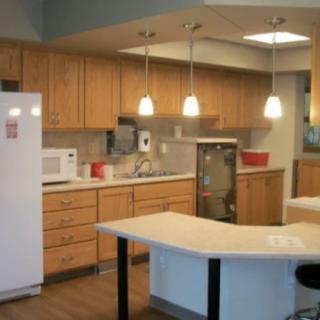
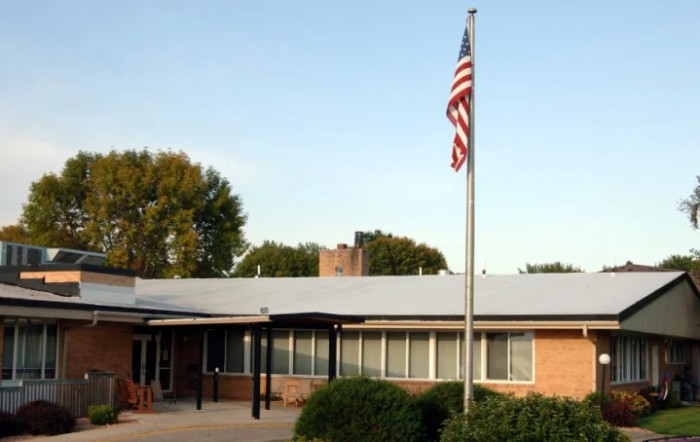
- The building's layout is well designed.
- The Rainbow Unit provides good care for residents with Alzheimer's.
- Station 1 and Station 2 are divided appropriately to meet different care needs.
- Glenwood is the only facility in the area with an Alzheimer's unit.
Cons
 The Glenwood Retirement Village is almost always understaffed.
- Almost all of the Certified Nursing Assistants and Trained Medical Assistants are in high school, which implies unreliability.
- They are apparently unreliable, calling in all the time and not showing up.
- Leadership does not replace them.
- A lot of the equipment is older.
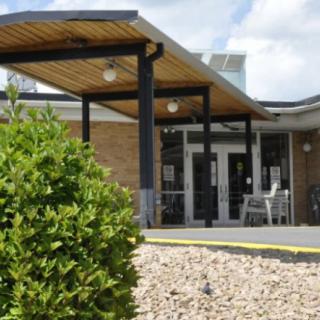
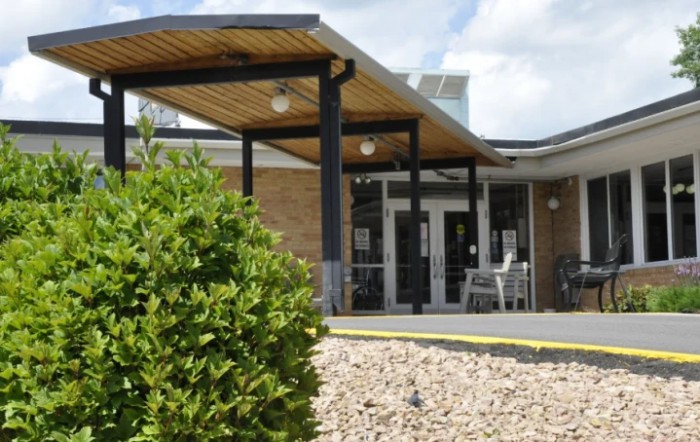
- The building is pretty old.
Review
This Glenwood, Minnesota community is best suited for families that prize an active social calendar and a specialized dementia program, and are willing to trade a perfectly predictable staffing environment for access to a dedicated Rainbow Unit and clear separation of care levels. The facility operates with two distinct areas, long-term residents who need intensive care and a shorter-term cohort, whose layout supports targeted care. The Rainbow Unit demonstrates real competence in dementia care, giving families reassurance that memory-impaired residents receive focused attention. In short, it is a fit for residents who thrive on engagement and structured supervision, and for families who value purposeful programming as a core part of daily life.
Those who may want alternatives are families prioritizing consistent staffing, predictable caregiver assignments, and newer facilities with up-to-date equipment and dining services. The apparent instability in staffing, where CNAs and trained medical assistants are described as unreliable and frequently calling in, points to potential gaps in day-to-day coverage. The aging building and equipment, while managed adequately by staff, also signal higher maintenance risk and possible limitations in the resident experience. For families with higher expectations on dietary quality, true transparency about meals and nutrition programs would be a necessary condition before committing.
Yet several strengths balance those concerns. The activities program is genuinely robust, with outings that extend beyond the premises and lively off-site entertainment that can lift spirits and reduce isolation. On-site programming is complemented by staff who, when present, make the best use of available resources and space. The building’s layout, though dated, offers logical sequencing and a practical separation of stations, one area designed for longer-term care and another for shorter stays. The Rainbow Unit’s targeted approach demonstrates that professional attention to Alzheimer’s and related conditions is a priority, which matters deeply to families facing memory challenges.
However, the core drawbacks anchor risk to overall care quality. Chronic understaffing translates into slower response times, less bedside interaction, and greater likelihood of missed cues or rushed assistance. The young, frequently absent aides suggest limited continuity for residents who rely on familiar faces; leadership’s reluctance to replace them compounds the problem. The equipment may be dated, increasing the chance of downtime or less efficient care delivery, even as staff work hard to mitigate these issues. Without visible and reliable staffing, even a strong activity calendar and a dementia unit cannot fully compensate.
Still, the unit structure and the emphasis on meaningful activity create a viable baseline of resident satisfaction when staffing aligns. The two-station model helps assign resource focus, long-term residents needing ongoing care can receive steady attention in one area while short-term or rehabilitative stays have a different cadence in another. The Rainbow Unit’s specialized approach remains a legitimate differentiator, offering tailored routines and supervision for memory-impaired residents that broader facilities may not match. The question is whether staffing endurance and leadership responsiveness can keep pace with the needs of both long-term and short-term populations.
For families weighing this option, the prudent course is a thorough, in-person assessment that probes staffing levels, turnover, and contingency plans. Ask for current caregiver-to-resident ratios across shifts, confirm RN availability, and request direct conversations with current residents’ families about daily care experiences. Compare these realities against nearby facilities with stronger staffing stability and more transparent dining and equipment updates. If choosing Glenwood Village Care Center, enter with clear expectations: a strong dementia program and active engagement, balanced against potential variability in day-to-day caregiving. A targeted tour focused on the Rainbow Unit and the long-term versus short-term campuses will reveal whether the community truly aligns with the resident’s needs and the family’s risk tolerance.
 64 resident community capacity
 Skilled Nursing Facility
 Air-conditioning
 Beauty salon
 Cable or satellite TV
 Computer center
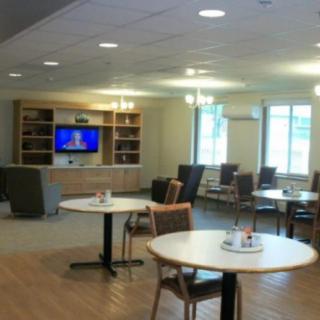
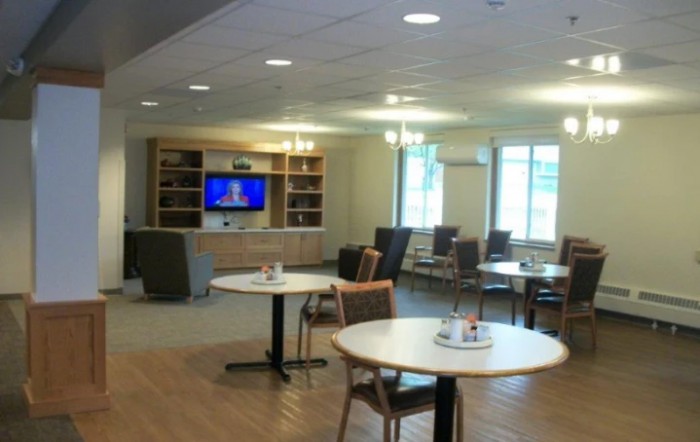
 Dining room
 Fitness room
 Fully furnished
 Gaming room
 Garden
 Housekeeping services
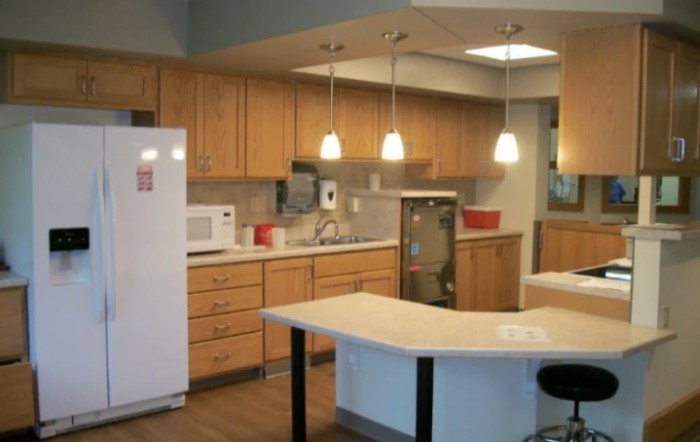
 Kitchenette
 Move-in coordination
 Outdoor space
 Private bathrooms
 Restaurant-style dining
 Small library
 Telephone
 Wellness center
 Wi-Fi/high-speed internet available
 Community operated transportation
 12-16 hour nursing
 24-hour call system
 Activities of daily living assistance
 Assistance with bathing
 Assistance with dressing
 Assistance with transfers
 Diabetes diet
 Medication management
 Mental wellness program
 Special dietary restrictions
 Concierge services
 Planned day trips

 Navigating the Tax Landscape of Caregiving: Credits, Deductions, and Beyond
 Highly Beneficial Low-Impact Exercises for Senior Living Residents
 Is In-Home Healthcare Tax Deductible? Your Comprehensive Guide