
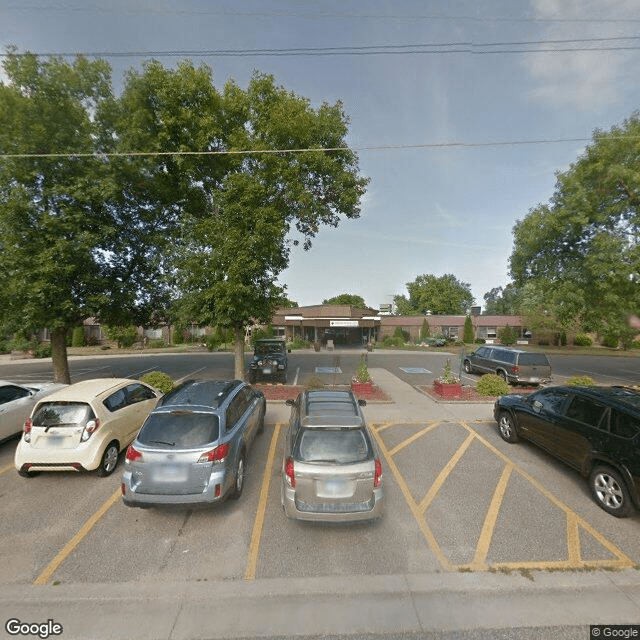
300 Dow St N, Cannon Falls, MN 55009
To contact a resident: (507) 263-4658
For more information about senior living options: (866) 208-4318
Overall Review of Our Lady of the Angels Care Ct
Pros
 The reception desk staff were helpful, observant, and attentive to ongoing situations.
- The staff provided a quick response.
- The staff are great and clearly care for their residents.
- Caregivers provide careful, respectful care and offer kind, gentle communication.
- The Terrace staff are congenial, and admin staff interact warmly with guests.
- The facility is better than most.
- Residents are treated very well and the facility comes recommended to family and friends.
Cons
 They take a long time to answer call lights.
- They caution that you should not leave a loved one at this facility.
Review
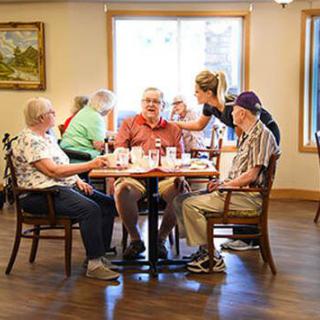
This community is best suited for families seeking a warm, resident-centered environment where staff engagement and personal attention are evident every day. Our Lady of the Angels Care Ct in Cannon Falls thrives for seniors who want a small-community feel, where the bedside care is compassionate and staff interactions feel personal rather than perfunctory. It is particularly well-suited to residents who value dignity and daily kindness in addition to a rehabilitative or recovery-focused track, with frontline caregivers who informally foster a sense of belonging and reassurance.
Those weighing alternatives should consider how critical immediate alert responsiveness and consistent oversight are to daily safety. Several reviews flag slower call-light responses, a factor that can alter the experience for residents during evenings and weekends. A strong caution from at least one family underscores the possibility of highly variable experiences; this signals that the quality of care may hinge on staffing dynamics and shift coverage. For families needing near-immediate response, or seeking more rigid administrative structure and predictability, exploring other options in the region is prudent.
On the upside, the core asset is the staff’s genuine care. Reception, administrative teams, and direct-care aides come across as observant, helpful, and sincerely affectionate toward residents, contributing to a sense that staff know and respect the people they serve. Residents are tended to with dignity, personal care is delivered with gentleness, and staff communicate in a comforting, respectful manner. In rehabilitation contexts, therapy staff are noted as congenial and effective, with standout competence from a particular physical therapist cited as a high point. The visible engagement of administrators further reinforces a feeling of a connected, family-inclusive environment rather than a distant facility.
Nevertheless, the drawbacks are real and worth weighing against the positives. The same warmth that defines daily care can be tempered by inconsistent response times to call lights, creating frustration and safety concerns for residents and families. While the facility generally performs well, there is room for improvement in consistency across shifts, and a single strongly worded caution from a family member reminds that experiences can diverge markedly. For families with higher care needs, complex medical oversight, memory-care requirements, or a demand for relentlessly brisk service, the gaps may feel more pronounced and harder to manage without proactive advocacy.
The positives can offset the negatives for many residents, especially those who prize authentic warmth and a hands-on approach. A staff culture that emphasizes personal connection and responsive bedside care can translate into meaningful daily quality of life, beyond mere compliance. A robust rehab orientation means that residents returning from short-term care can find a capable, forward-moving path, with ongoing staff familiarity contributing to continuity and a sense of safety. For families prioritizing a resident-first atmosphere, where caregivers strive to go the extra mile in everyday interactions, these advantages can justify trading some variability in responsiveness for a consistently humane environment.
Practical steps for families: plan a structured site visit with specific questions about call-light protocols, staffing levels on evenings and weekends, and the availability of therapy services. Speak with multiple staff members, observe how interactions unfold, and request a written care plan that clarifies escalation steps for urgent needs. Assess how critical immediate responsiveness is relative to the demonstrated warmth and dedication visible in daily care. If alignment exists, this community offers a humane, capable option with a proven track record of compassionate care. If not, be prepared to broaden the search to alternatives in the region that emphasize steadier responsiveness or tighter oversight.
 Skilled Nursing Facility

 Comprehensive Guide to Qualifying for Home Health Care Services
 Powerful Realities of Elder Abuse and the Most Effective Ways to Report It
 Ten Vital Duties of a Senior Caregiver: A Comprehensive Guide