
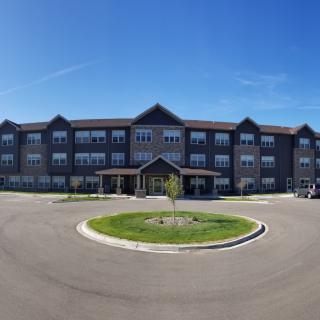
103 School Street, Po Box 340, Belgrade, MN 56312
For more information about senior living options: (866) 208-4318
Overall Review of Belgrade Nursing Home
Pros
 The staff are excellent, compassionate, and fun.
- They understand how to deal with people with dementia, which is a true skill.
- It is a very good facility where the staff know what needs to be done.
- It is a wonderful place.
- Residents really like it there and love the staff.
Cons
 The facility is described as hell, with mistreatment of patients and rude staff.
- There is yelling and rough handling of patients, and staff are rude to family members.
- The place looks depressing, and complaints to authorities are dismissed as if everything is fine.
- Stearns County’s reputation for elderly care is contradicted by this place.
- No elderly person should live here, according to the reviewer.
- The place is disgusting for allowing a racist to continue employment after repeated racial slurs.
Review
Belgrade Nursing Home is best suited for families that need skilled nursing care with a clear emphasis on dementia-friendly support and are prepared to verify that every day carries respectful, engaging interactions. The strongest signals point to caregivers who can connect with residents and respond with genuine compassion, and to a setting where transportation to appointments is available and staff engagement can feel personalized. Yet the care climate appears highly variable, swinging between relationship-driven, positive experiences and reports of distress or tension, which means a diligent, in-person assessment is essential before committing.
Those considering alternatives should note that a consistently calm, non-volatile atmosphere is non-negotiable for some loved ones. If a family demands zero tolerance for harsh treatment or any sign of discrimination, elsewhere may be the safer bet. A facility that can demonstrate steady leadership, transparent grievance processes, and rapid corrective action when concerns arise will typically better protect residents who require predictable safety and dignity on a daily basis.
On the upside, accounts of staff as excellent, compassionate, and skilled with dementia care offer a compelling upside. Families describe caregivers who understand behavior cues, create engaging routines, and foster moments of real connection that can improve mood and participation. Instances where the facility earns praise for attentive supervision, such as supporting independence and facilitating transportation to appointments, underscore a potential for high-quality, person-centered care when the team is aligned and well-coordinated.
The most troubling notes center on alleged mistreatment, yelling, and a depressing overall environment, with serious concerns about how complaints are addressed. Reports of a racist employee continuing in position raise red flags about safety, dignity, and equal treatment, suggesting that culture and oversight may not be consistently strong enough to protect vulnerable residents. Taken together, these contrasting accounts demand a rigorous look at governance, staff training, and the system for accountability before placing a loved one in care.
Whether the positive aspects offset the negatives hinges on verifiable, current operation realities. If an inspection of day-to-day care confirms sustained, compassionate interactions, strong dementia expertise, and a respectful, responsive leadership tone, the positives can indeed outweigh the risks for many families. Conversely, ongoing concerns about mistreatment or discriminatory behavior cannot be dismissed; in that case, the negatives are likely to dominate risk and reduce overall safety and quality of life. Prospective residents should demand current, specific evidence of staff conduct, incident resolution, and ongoing quality improvement.
Bottom line: Belgrade Nursing Home can be a viable choice for families willing to conduct thorough, proactive due diligence and to prioritize dementia-capable care delivered in a respectful environment. It is less suitable for families requiring unwavering consistency in tone, behavior, and leadership accountability, or for those who cannot tolerate the possibility of harmful interactions or discriminatory conduct. Practical next steps include arranging an in-person tour, meeting the administrator, and requesting recent incident logs, staff training details, and evidence of corrective actions. Talking directly to current residents or family members and observing care interactions during a visit will yield the clearest read on whether this community will meet the specific safety, dignity, and engagement priorities present in the decision-making process.
 59 resident community capacity
 Skilled Nursing Facility
 Air-conditioning
 Beauty salon
 Cable or satellite TV
 Computer center
 Dining room
 Fitness room
 Fully furnished
 Gaming room
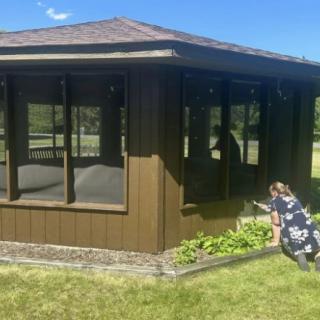
 Garden
 Housekeeping services
 Kitchenette
 Move-in coordination
 Outdoor space
 Private bathrooms
 Restaurant-style dining
 Small library
 Telephone
 Wellness center
 Wi-Fi/high-speed internet available
 Community operated transportation
 12-16 hour nursing
 24-hour call system
 Activities of daily living assistance
 Assistance with bathing
 Assistance with dressing
 Assistance with transfers
 Diabetes diet
 Medication management
 Mental wellness program
 Special dietary restrictions
 Concierge services
 Planned day trips

 A Detailed Examination of Nursing Home Costs Across the U.S.
 Exploring Nonmedical Home Care: Understanding Services, Costs, and Financial Approaches
 Engaging Brain Games and Innovative Apps to Keep Senior Minds Active