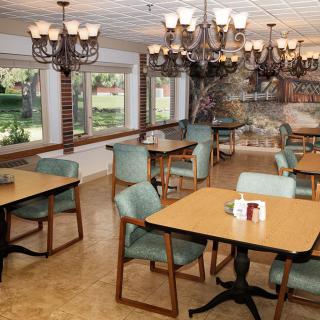
Roubal Care And Rehab Center in Stephenson, MI

Information last verified:

N 306 Maple Street, Stephenson, MI 49887

For more information about senior living options: (844) 490-3973

3.7 from 9 reviews
5 stars
6
4 stars
0
3 stars
0
2 stars
0
1 stars
3

Overall Review of Roubal Care And Rehab Center

Pros

  • pro The staff is not only highly professional but also genuinely compassionate.
  • pro They treated residents with dignity, respect, and kindness every step of the way.
  • pro The nursing team is attentive and compassionate.
  • pro Therapy services are top-notch.
  • pro The facility is clean and safe.
  • pro The facility has an amazing staff who always goes above and beyond.
  • pro Alicia Lampinen is always willing to help.
  • pro The atmosphere is comforting.

Cons

  • pro The management is terrible.
  • pro They allow family and friends to visit without COVID or flu testing.
  • pro When a wing or CNAs test positive, they cannot return until a negative test, with 3–5 days of unpaid leave.
  • pro Parking in disabled spots without proper plates or placards is illegal.
  • pro It used to smell like hotdogs and soap.

Review

This community is best suited for families seeking skilled nursing with a strong rehabilitation focus and a warm, family-like atmosphere. It works well for residents who value compassionate, dignity-centered care delivered by a professional, attentive nursing staff and therapy team. The environment is practical and welcoming, with a clear emphasis on making residents feel safe and respected as they work through recovery or ongoing daily living. It is a solid match for families who can tolerate some administrative unevenness and are willing to engage actively in care planning and day-to-day operations.

Those considering alternatives should note that, while clinical care shines, governance and policy execution can be inconsistent. For families that demand flawless daily management, airtight policy enforcement, and predictable administrative responses, other facilities may offer greater certainty. If parking logistics, formal visitation protocols, and uniformly enforced procedures are non-negotiable, it is prudent to compare options that demonstrate steadier, more transparent management. This center rewards involvement and communication, but it does not shield families from the realities of occasional administrative friction.

On the upside, the strongest positives center on people and performance. The nursing team is repeatedly described as attentive and compassionate, with a clear emphasis on dignity. Therapy services are rated as top-tier, delivering practical rehab that supports meaningful improvement in function. The facility presents as clean and safe, reinforcing trust in daily routines and infection-control basics without over-promising. Even critics acknowledge a genuine sense of family among residents and staff, and several voices highlight individual staff members who consistently go above and beyond. Improvements in the sensory environment, such as a notable reduction in unpleasant odors, also signal ongoing attention to resident comfort.

The main drawbacks cluster around management and policy execution. Critics point to inconsistent administrative leadership, with specific concerns raised about how policies are applied and how staff-related decisions are communicated to families. Some comments mention friction around visitation and pay policies tied to positive cases, suggesting gaps between care excellence on the floors and the way rules are administered at the management level. Parking issues in particular illuminate a broader frustration with administrative prioritization and accountability. Taken together, these concerns do not erase the care quality, but they do inject risk into the experience if not actively addressed.

When weighing pros and cons, the clinical and caregiving strengths often offset many daily challenges for short- to medium-term rehab and ongoing skilled care. Families that value high-quality nursing, excellent therapy, and a respectful, homelike culture will likely feel confident in the care provided, and the positive personal connections can substantially ease the stress of a loved one’s transition. However, the administrative gaps matter enough to merit diligence: verify the current leadership's responsiveness, probe how policies are enforced in practice, and ask current families about their experience navigating visits, scheduling, and billing. The combination of standout care with mid-level governance means outcomes will hinge on proactive family engagement and ongoing oversight.

Bottom line: this community is a strong choice for families prioritizing clinical excellence and a genuine, supportive atmosphere, provided there is willingness to monitor administration closely and engage in ongoing dialogue with leadership. For those who require ironclad policy consistency and predictability in every interaction, exploring other options may be wise. Prospective families should schedule direct conversations with the care team and key administrators, request current care plans, meet the administrator-in-charge, and, if possible, spend time with both long-term residents and families who navigate daily operations. A measured, informed decision now can secure a rehabilitative home where compassionate care remains the core value, while clarity about governance helps ensure peace of mind over the long haul.

Features

Housing

  • 39 resident community capacity 39 resident community capacity

Types of Care

  • Skilled Nursing Facility Skilled Nursing FacilitySkilled Nursing Facilities are crucial for seniors as they provide round-the-clock medical care, rehabilitation services, and assistance with daily activities. These facilities ensure that seniors receive the specialized care they need to maintain their health and well-being as they age.

Amenities

  • Beauty salon Beauty salonBeauty salons are important for seniors because they provide a space for them to feel pampered, socialize, and maintain their personal grooming and hygiene. Regular visits to a beauty salon can help boost seniors' self-esteem and overall well-being.
  • Cable or satellite TV Cable or satellite TVCable or satellite TV is important for seniors because it provides entertainment, news, and companionship, helping to combat loneliness and boredom. It also offers a wide range of programming options tailored to different interests and preferences.
  • Dining room Dining roomDining rooms are important for seniors as they provide a space for socialization, connection, and nutritious meals. They offer opportunities for residents to bond over shared meals, foster a sense of community, and promote healthy eating habits. Dining rooms also ensure that seniors have access to well-balanced meals tailored to their dietary needs and preferences.
  • Fully furnished Fully furnishedFully furnished senior living communities are important for seniors because they provide convenience, comfort, and a hassle-free moving experience. Seniors can easily settle into their new living space without the stress of having to buy and move furniture. This allows them to focus on enjoying their new home and community.
  • Garden GardenGardens are important for seniors as they provide a peaceful and therapeutic environment for relaxation, physical activity, and socialization. Being in nature has been shown to reduce stress, improve mood, and promote overall well-being. Gardens also offer opportunities for seniors to engage in gardening activities, which can improve mobility, flexibility, and cognitive function. Additionally, gardens create a sense of community and connection with others who share a passion for plants and outdoor spaces.
  • Housekeeping services Housekeeping servicesHousekeeping services are important for seniors because they help maintain a clean and safe living environment, promote independence, and reduce the risk of accidents or illnesses. Additionally, having assistance with household chores can alleviate physical strain and allow seniors to focus on other aspects of their well-being.
  • Kitchenette KitchenetteKitchenettes are important for seniors living in senior living communities because they provide the convenience and independence of being able to prepare simple meals and snacks in the comfort of their own living space. This can help promote a sense of autonomy and well-being for seniors, allowing them to maintain some level of control over their dietary choices and daily routines.
  • Move-in coordination Move-in coordinationMove-in coordination is important for seniors because it helps ease the transition into their new living environment. It ensures that all logistics, such as packing, organizing movers, and setting up utilities are taken care of, allowing seniors to focus on settling in and adjusting to their new home. Having a smooth move-in process can alleviate stress and anxiety, making the transition smoother and more enjoyable for seniors.
  • Outdoor space Outdoor spaceOutdoor spaces are important for seniors as they provide opportunities for physical activity, social interaction, exposure to natural light and fresh air, and a sense of connection to nature. Having access to outdoor spaces can improve overall well-being and quality of life for older adults living in senior communities.
  • Restaurant-style dining Restaurant-style diningRestaurant-style dining is important for seniors because it allows them to enjoy delicious, nutritious meals in a social and upscale setting. This enhances their dining experience, promotes healthy eating habits, and fosters socialization with fellow residents, ultimately contributing to their overall well-being and quality of life.
  • Small library Small librarySmall libraries are important for seniors as they provide access to a variety of reading materials, including books, newspapers, and magazines. This can help stimulate their minds, keep them engaged, and provide a sense of community through book clubs and other social activities. Additionally, reading has been shown to improve cognitive function and overall mental well-being in older adults.
  • Telephone TelephoneTelephones are important for seniors as they provide a lifeline for communication with loved ones, emergency services, and healthcare providers. They offer a sense of security and independence, enabling seniors to stay connected and access assistance when needed.
  • Wi-Fi/high-speed internet available Wi-Fi/high-speed internet availableWi-Fi/high-speed internet is important for seniors to stay connected with loved ones, access online resources, and participate in virtual activities to combat feelings of loneliness and isolation. It also allows them to easily manage healthcare needs, access entertainment, and engage in lifelong learning opportunities.

Care Services

  • 24-hour call system 24-hour call system24-hour call systems are important for seniors because they provide peace of mind and immediate assistance in case of emergencies. This technology ensures that help is always available, promoting safety and security for elderly individuals living alone or in assisted living facilities.
  • 24-hour supervision 24-hour supervision24-hour supervision is important for seniors to ensure their safety, well-being, and access to immediate assistance in case of emergencies or health issues. This constant support provides peace of mind for both seniors and their loved ones, allowing them to age in place with dignity and security.
  • Activities of daily living assistance Activities of daily living assistanceActivities of daily living assistance are important for seniors because they provide essential support with tasks such as eating, bathing, dressing, and mobility. This assistance helps seniors maintain their independence, dignity, and overall quality of life as they age.
  • Assistance with bathing Assistance with bathingAssistance with bathing is crucial for seniors as it helps maintain personal hygiene, prevents infections, and ensures their overall well-being and comfort. It also provides a sense of dignity and independence for seniors who may struggle with this task on their own.
  • Assistance with dressing Assistance with dressingAssistance with dressing is important for seniors because it helps maintain their independence, promotes personal hygiene, prevents accidents and injuries, and improves overall quality of life. This service ensures that seniors can continue to dress comfortably and confidently, despite any physical limitations they may have.
  • Assistance with transfers Assistance with transfersAssistance with transfers is crucial for seniors as it helps prevent falls and injuries, maintains their independence, and ensures they can safely navigate their living environment. It also provides peace of mind for both seniors and their loved ones.
  • Diabetes diet Diabetes dietA diabetes diet is crucial for seniors as it helps manage blood sugar levels, reduce risks of complications, and improve overall health and well-being. By following a balanced and nutritious diet tailored to their specific needs, seniors can better control their diabetes and enhance their quality of life.
  • Meal preparation and service Meal preparation and serviceMeal preparation and service are crucial for seniors as they may have limited mobility or energy to cook nutritious meals. Having access to healthy and convenient food options can ensure they are getting the proper nutrition needed to maintain their overall health and well-being.
  • Medication management Medication managementMedication management is crucial for seniors to ensure they are taking the right medications at the correct dosages and times. This helps prevent adverse drug interactions, reduces the risk of medication errors, and promotes overall health and well-being. Proactive management also allows for adjustments as needed based on changing health conditions or new prescriptions.
  • Mental wellness program Mental wellness programMental wellness programs are essential for seniors as they promote cognitive stimulation, emotional support, and social engagement. These programs help prevent isolation, depression, and cognitive decline, ultimately enhancing the overall quality of life for older adults.
  • Special dietary restrictions Special dietary restrictionsSpecial dietary restrictions are important for seniors because age-related changes in metabolism and health conditions can make it difficult for their bodies to process certain foods. By following a diet tailored to their specific needs, seniors can maintain their overall health and well-being, manage chronic conditions, and reduce the risk of complications such as malnutrition or food interactions with medications.

Dining

  • Diabetes diet Diabetes dietA diabetes diet is crucial for seniors as it helps manage blood sugar levels, reduce risks of complications, and improve overall health and well-being. By following a balanced and nutritious diet tailored to their specific needs, seniors can better control their diabetes and enhance their quality of life.
  • Special dietary restrictions Special dietary restrictionsSpecial dietary restrictions are important for seniors because age-related changes in metabolism and health conditions can make it difficult for their bodies to process certain foods. By following a diet tailored to their specific needs, seniors can maintain their overall health and well-being, manage chronic conditions, and reduce the risk of complications such as malnutrition or food interactions with medications.

Activities

  • Community-sponsored activities Community-sponsored activitiesCommunity-sponsored activities are important for seniors as they provide opportunities for social interaction, mental stimulation, and physical activity. These activities can help improve overall well-being, combat loneliness and isolation, and promote a sense of belonging and purpose among older adults.
  • Resident-run activities Resident-run activitiesResident-run activities are important for seniors as they encourage social interaction, creativity, and a sense of autonomy. These activities empower seniors to stay engaged and active in their community while fostering meaningful connections with their peers.
  • Scheduled daily activities Scheduled daily activitiesScheduled daily activities are important for seniors because they provide structure, socialization, mental stimulation, and physical activity. Engaging in regular activities can improve overall well-being and quality of life for seniors living in a community setting.

Description

Roubal Care and Rehab Center in Stephenson, MI is a premier assisted living community that offers a range of amenities and care services to meet the needs of its residents. Our fully furnished apartments provide a comfortable and welcoming environment, with cable or satellite TV, Wi-Fi/high-speed internet, and telephone access for entertainment and connectivity.

Our dining room serves delicious meals prepared by our experienced staff, with restaurant-style dining ensuring that every meal is a delightful experience. Special dietary restrictions are accommodated to ensure that each resident's individual needs are met.

Residents can enjoy the outdoor space and garden, perfect for relaxation or socializing with friends and family. A small library provides a quiet space for reading or intellectual stimulation.

At Roubal Care and Rehab Center, we provide 24-hour supervision and assistance with activities of daily living such as bathing, dressing, and transfers. Our dedicated staff also offers medication management to ensure proper administration.

We understand the importance of mental wellness, which is why we offer a mental wellness program to support the emotional health of our residents.

To keep residents engaged and active, we have a variety of resident-run activities as well as scheduled daily activities. These activities promote socialization among residents while encouraging physical and cognitive stimulation.

Conveniently located near parks, pharmacies, restaurants, places of worship, and hospitals, our community ensures easy access to essential services while maintaining a peaceful setting away from busy city life.

Choose Roubal Care and Rehab Center for an assisted living community that caters to the unique needs of each resident while providing a warm and supportive environment.

Nearby Places of Interest

Places of Worship

  • Central Baptist Church Parsonage (0.1 miles)
  • Precious Blood Church (0.4 miles)
  • Precious Blood Catholic Church (0.4 miles)
  • Saint Stephen Lutheran Church (0.5 miles)
  • United Methodist Church (0.6 miles)
  • Central Baptist Church (0.7 miles)
  • Assembly of God (0.8 miles)

Parks

  • J W Wells State Park (0.4 miles)
  • Wallace County Park (7 miles)
  • Shakey Lakes Park (10.7 miles)
  • Kleinke County Park (10.8 miles)
  • Escanaba River State Forest (11.3 miles)
  • Wells State Park (11.5 miles)
  • Cedar River State Harbor (12.3 miles)

Restaurants

  • Stephenson Family Restaurant (0.5 miles)
  • Tivoli Theater (0.6 miles)
  • Farm House Restaurant (0.7 miles)
  • Subway (0.7 miles)
  • Belgiumtown Restaurant (3.1 miles)
  • Camp Shakey Saloon (5 miles)
  • Twisted Oak Retreat (5.8 miles)

Pharmacies

  • Bay Area Medical Center Pharmacy (0.9 miles)
  • Daggett Health Supplies (3.1 miles)
  • CVS Pharmacy (21.4 miles)

Hospitals

  • Daggett Medical Clinic (3.1 miles)
  • Miljour Karen DO (19.3 miles)
  • US Veterans Medical Center (21.4 miles)
  • Menominee Medical Clinic (21.4 miles)

Transportation

  • Cedar River Taxidermy (18.4 miles)
  • U-Haul (19.5 miles)
  • Enstrom Helicopter (20.7 miles)
  • M & M Taxi Service (21.4 miles)

Cafes

  • 35th & Coffee (20 miles)

Physicians

  • Dr. Peter J. Kurtz Optometrist (21.6 miles)

Frequently Asked Questions

Where is Roubal Care And Rehab Center?

Nearby Communities

  • Schlaud Afc Home

    Schlaud Afc Home

    Stephenson, MI


    pro Small, personalized board-and-care with diabetes-friendly meals and transportation to medical appointments.

  • Maple Ridge Adult Foster Care

    Maple Ridge Adult Foster Care

    Stephenson, MI


    pro Small, homelike setting with individualized attention.

  • Kutha Afc Home

    Kutha Afc Home

    Stephenson, MI


    pro Small, homelike setting with personalized care and comprehensive services.

  • Ihander Home

    Ihander Home

    Daggett, MI


    pro Fully furnished, small-capacity assisted living with personalized care, meals, activities, and transport coordination.

  • Newlin Adult Foster Care

    Newlin Adult Foster Care

    Wallace, MI


    pro Small, intimate 6-resident setting with personalized care.

  • Carter's House

    Carter's House

    Daggett, MI


    pro Comprehensive assisted living with 24/7 supervision and personalized care.

  • Luther Manor Assisted Living

    Luther Manor Assisted Living

    Marinette, WI

    4.1 from 10 reviews
     

    pro Broad care options with extensive on-site amenities.

Skilled Nursing Facility in Nearby Cities

Related Resources

  • caregiver burnoutCaregiver Exhaustion: Recognizing the Signs and Restoring Your Well-Being

    Caregiver exhaustion, or burnout, stems from the relentless demands of caregiving, leading to emotional and physical depletion characterized by stress, frustration, and neglect of personal needs. Addressing this burden is essential to prevent long-term consequences, with early recognition and support being crucial for caregivers to maintain balance and implement self-care.

  • what is hospice care at homeUnderstanding Hospice Care at Home: Comprehensive Services, Key Benefits, and Eligibility

    Hospice care at home provides specialized end-of-life support that focuses on comfort and dignity for individuals with life-limiting illnesses, offering a range of services including medical management, emotional and spiritual support, and logistical assistance tailored to the family's needs. It involves collaboration to create individualized care plans and extends to bereavement support after a loved one's passing.

  • how much does 24/7 in home care cost per monthUnderstanding the Full Cost of 24/7 In-Home Care: A Detailed Overview

    The guide outlines the rising costs of 24/7 in-home care, ranging from $10,000 to over $20,000 monthly, driven by factors such as location and caregiver qualifications. It discusses the limited coverage by Medicare and private insurance, potential Medicaid support, and the emotional and living condition considerations influencing families' decisions on care arrangements.