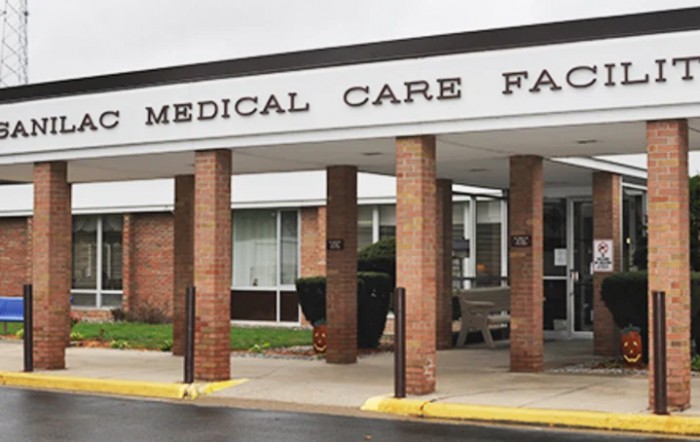

137 North Elk Street, Sandusky, MI 48471
For more information about senior living options: (866) 208-4318
Overall Review of Sanilac Medical Care Facility
Pros
 The staff are friendly, knowledgeable, and helpful.
- The staff are friendly and spend time with visitors.
- The blueberry buckle was among the best desserts.
- The staff have gone above and beyond to provide exceptional care.
- The aides and nurses treated residents like family.
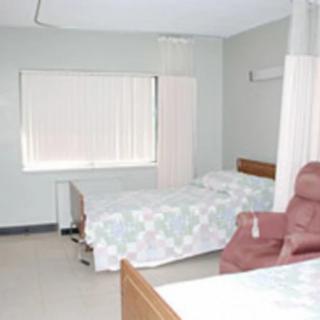
- The facility is the cleanest the reviewer has visited.
Cons
 The staff are rude and belittling.
- Communication could be better, with limited updates for families.
- They can’t get a doctor to assess patients; only a nurse is sent in, and basic needs are met with long delays.
- The facility is run by people doing the least work for the most pay and do not care about residents.
- The place should be shut down.
- Call bells take 15–20 minutes or longer to be answered, endangering patients.
- Activities are dull and unengaging; many residents stay in their rooms.
- Residents are overmedicated, sometimes incoherent and unable to feed themselves, with accusations of lying about care.
- It feels understaffed and like care is performed at the bare minimum.
- There are negative reports about the facility on oversight sites, suggesting it should be reevaluated or closed.
Review
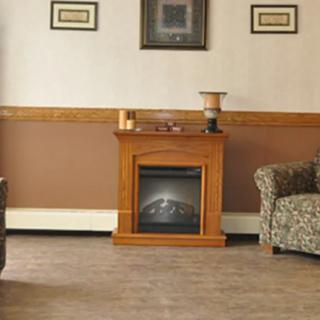
Sanilac Medical Care Facility in Sandusky is best suited for families who need a budget-conscious option that can still provide basic daily care, with the understanding that active family oversight will be essential. This community can work for residents whose medical needs are relatively stable and who benefit from a clean, hotel-like environment and a few staff members who genuinely connect with residents. It is not a default choice for those requiring constant medical attention, rapid problem escalation, or uniformly high-quality interaction across shifts. Families that are prepared to supplement care, monitor doctor visits, and stay on top of communication will find some value here.
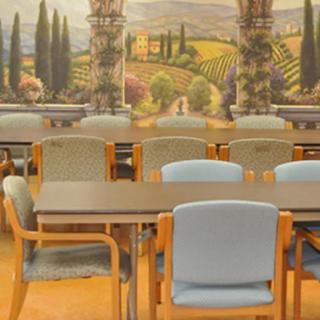
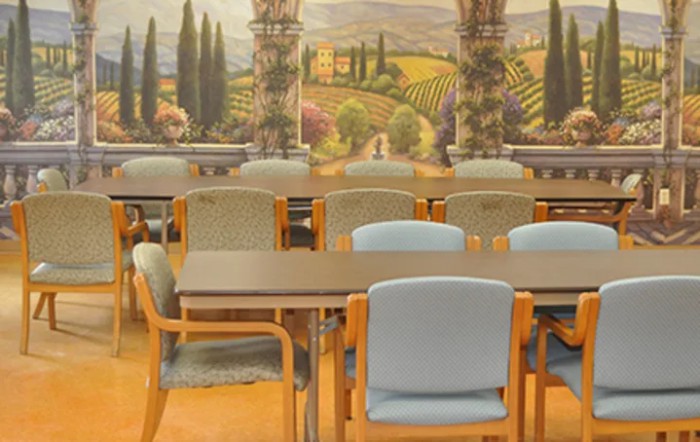
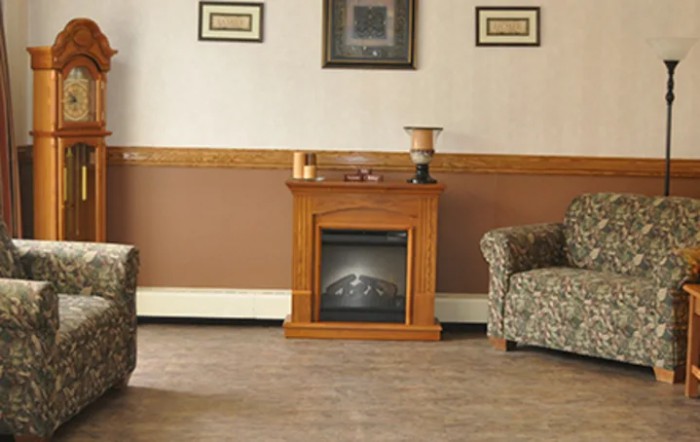
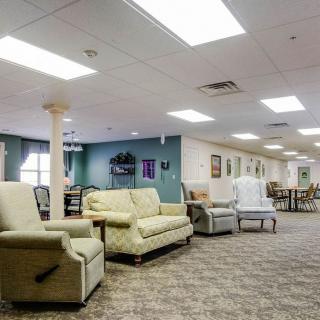
Pros that matter in real-world decision-making include a staff presence described as friendly, knowledgeable, and helpful in many moments. When the care team engages with residents, interactions can feel personal, and some families report staff who treat loved ones with care and respect, sometimes going beyond the minimum. The facility is frequently described as clean, with a pleasant environment and even moments of quality food and meaningful visiting experiences in specific instances. Rehabilitation and physical therapy have shown favorable results for some residents, and in those cases, families note notable improvements and regular updates from staff about progress and status.
Yet serious cons recur with stubborn consistency and cannot be ignored in the risk calculus. A substantial portion of reviewers reports rude or belittling behavior from some CNAs, undermining trust and comfort in daily care. Call-light response times are consistently flagged as too slow, often 15 to 20 minutes or longer, creating genuine safety concerns when a resident needs urgent assistance. Medical oversight is uneven at best; several families describe delays in clinician visits and a perception that medications are managed without timely physician input, with disturbing narratives about overmedication contributing to decline. Communication gaps persist, with families sometimes feeling out of the loop regarding updates, care decisions, and discharge plans, even when visits occur.
These advantages and drawbacks must be weighed against the most troubling undercurrents. The clean, calm environment and some staff warmth do offset certain daily frustrations, but the absence of reliable, swift medical response and consistently respectful caregiving erodes confidence, especially for residents with complex or escalating needs. In some positive cases, families recount staff bending over backward to support a loved one, highlighting a best-case scenario where good teamwork and attentive care create real comfort. However, the loudest themes are safety and dignity concerns, delays in basic assistance, perceived overmedication, and inconsistent communication, that collectively undermine the promise of steady, compassionate care.
Practical evaluation points should guide families as they test fit. plan multiple visits at different times to observe call-bell responsiveness and staff interactions; request candid conversations with front-line caregivers, supervisors, and the administrator; verify the frequency and quality of physician rounds and medication management; review state and regulatory records for safety reports and corrective actions; and assess the activity calendar and dining options to gauge resident engagement. Ask about steps taken when a resident’s condition changes, and request a concrete contact person for ongoing updates. These steps help separate the moments of genuine connection from the routine that may fall short.
In the end, this community is a workable compromise for certain families but not a universal solution. It suits those who can provide vigilant oversight, demand reliable communication, and accept that medical responsiveness may vary by shift. It is less appropriate for families seeking unwavering medical oversight, consistently prompt call-light responses, or a uniformly engaged activity program. If alternatives are on the table, prioritize facilities with stronger nurse-to-resident ratios, more predictable physician involvement, and a transparent culture of accountability. A careful, informed in-person assessment, and a check of regulatory history, will determine whether Sanilac Medical Care Facility can be trusted to be a stable, reassuring home or if another option better serves the needs of a vulnerable loved one.
 104 resident community capacity
 Skilled Nursing Facility
 Air-conditioning
 Beauty salon
 Cable or satellite TV
 Computer center
 Dining room
 Fitness room
 Fully furnished
 Gaming room
 Garden
 Housekeeping services
 Kitchenette
 Move-in coordination
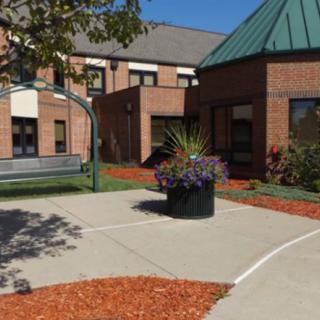
 Outdoor space
 Private bathrooms
 Restaurant-style dining
 Small library
 Telephone
 Wellness center
 Wi-Fi/high-speed internet available
 Community operated transportation
 12-16 hour nursing
 24-hour call system
 Activities of daily living assistance
 Assistance with bathing
 Assistance with dressing
 Assistance with transfers
 Diabetes diet
 Medication management
 Mental wellness program
 Special dietary restrictions
 Concierge services
 Planned day trips
 Understanding the Nuances of Palliative Care and Hospice: A Comprehensive Exploration
 Fecal Incontinence in Older Adults: A Comprehensive Guide
 Nurturing Well-Being Through Gardening: A Detailed Guide for Senior Enthusiasts