
1400 Poplar Street, Hancock, MI 49930
For more information about senior living options: (866) 208-4318
Overall Review of The Lighthouse At Hancock Health And Rehab
Pros
 The staff at Intersect of Hancock are amazing.
- They go above and beyond to get residents everything they need for their path home.
- The Therapy Team is amazing and so helpful to get residents back on their feet.
- The rehab team is constantly praised for their efforts, and the management team does a great job addressing concerns as they come up.
- The residents are well taken care of at this facility.
- The corporate office has purchased a brand-new 2024 Ford van for residents’ use, a great investment and commitment to residents’ wellbeing.
- This facility has caring and dedicated staff that put the needs of residents first.
- The current staff at Mission Point Hancock is amazing; they are attentive to patients’ needs and keep families informed.
- They are a special group of caregivers who aren’t afraid to assist co-workers, rearrange rooms to make it feel more like a home, and share in residents’ tears and laughter.
- Very friendly place that creates a family atmosphere.
Cons
 The facility is dirty and the residents are filthy.
- The facility is extremely negligent and should be shut down.
- The facility is currently under state investigation for neglect.
- Readers are advised to check the LARA report before considering this facility.
Review
The Lighthouse at Hancock Health and Rehab is best suited for families seeking a compact, home-like environment where rehabilitation is the centerpiece and staff form real, ongoing relationships with residents. This campus appeals to families that value hands-on therapy, clear caregiver accountability, and a predictable daily routine built around attentive nursing and therapy teams. The core strength lies in a cohesive staff culture: therapists who pursue functional recovery, nurses who stay engaged with progress, and administrators who respond when concerns arise. For loved ones embarking on post-acute recovery or needing steady support as independence is redefined, this community offers a practical, people-focused path back to daily life.
That said, certain realities deserve careful consideration before selecting this option. A number of reviews flag cleanliness as a serious problem, describing the environment as dirty and residents as not well cared for. The same campus appears in some comments under different brandings, Intersect of Hancock or Mission Point Hancock, yet the essence of the criticisms and praise remains consistent: excellent therapy and staff on one hand, and troubling environmental and oversight questions on the other. Beyond cleanliness, there are explicit warnings about neglect and ongoing regulatory scrutiny, including a call to review LARA findings before making a commitment. For families prioritizing pristine conditions, unambiguous accountability, and a risk-averse environment, alternatives with stronger cleanliness records may be preferable.
The upside is substantial and recurring. The rehab program earns repeated praise for its practicality and effectiveness, with therapists who tailor plans and push residents toward meaningful, functional gains. Staff are described as friendly, engaged, and willing to rearrange room setups to feel like a home rather than a clinical space. Management is acclaimed for addressing concerns promptly and keeping families in the loop about progress. A notable operational hint of commitment is the corporate investment in a new transport van, signaling ongoing attention to access for medical appointments and leisure activities. Taken together, these strengths create a credible expectation of hands-on care, reliability, and a genuine focus on residents’ trajectories toward return to daily living.
Yet the most disconcerting threads are the negative reports. The questions about environmental cleanliness, coupled with references to neglect and regulatory investigations, cast a long shadow over what otherwise reads like a solid rehabilitation program. The risk here is not only individual dissatisfaction but the potential for inconsistent quality control or management gaps that could affect safety, dignity, and overall well-being. In a setting this small, the variance between a strong shift and a weak shift can be felt quickly by residents and families. These red flags do not automatically disqualify the facility, but they do demand rigorous, up-front due diligence: review the latest regulatory documents, visit with leadership, and observe the day-to-day conditions before committing resources or arranging long-term placement.
Evaluating this community requires a practical, action-oriented approach. Prospective residents should request a current status from the administrator, insist on meeting on-site leadership, and ask pointed questions about housekeeping routines, cleanliness standards, and any corrective actions recently taken. It is essential to request tangible rehab milestones and outcomes, and to compare them against local benchmarks to gauge whether recovery timelines meet expectations. Checking the status of state investigations and reviewing the most recent LARA report will illuminate oversight levels and ongoing risk. Above all, witnessing the environment first-hand, seeing how staff interact with residents, how quickly concerns are addressed, and whether spaces feel clean and dignified, will provide a clearer picture than any online narrative.
In the end, The Lighthouse at Hancock Health and Rehab stands out for families who prize a hands-on rehab culture within a warm, intimate setting. It offers credible potential for meaningful recovery, driven by a dedicated therapy team, responsive management, and practical supports like transportation for appointments. For those who can tolerate and actively manage the environmental concerns raised in several reviews, the payoff can be substantial: sincere staff engagement, a cohesive care plan, and a home-like atmosphere that supports both progress and comfort. However, for families that cannot accept the prospect of inconsistent cleanliness or the presence of unresolved regulatory questions, exploring alternative communities with stronger environmental standards and clearer, ongoing oversight is prudent. The decision hinges on balancing the proven, care-centric approach with the imperative for a spotless environment and reliable governance, then choosing the path that best aligns with the resident’s rehab goals and the family’s comfort with risk.
 63 resident community capacity
 Skilled Nursing Facility
 Air-conditioning
 Beauty salon
 Cable or satellite TV
 Computer center
 Dining room
 Fitness room
 Fully furnished
 Gaming room
 Garden
 Housekeeping services
 Kitchenette
 Move-in coordination
 Outdoor space
 Private bathrooms
 Restaurant-style dining
 Small library
 Telephone
 Wellness center
 Wi-Fi/high-speed internet available
 Houghton County Memorial (5 miles away)
 Community operated transportation
 12-16 hour nursing
 24-hour call system
 Activities of daily living assistance
 Assistance with bathing
 Assistance with dressing
 Assistance with transfers
 Diabetes diet
 Medication management
 Mental wellness program
 Special dietary restrictions
 Concierge services
 Planned day trips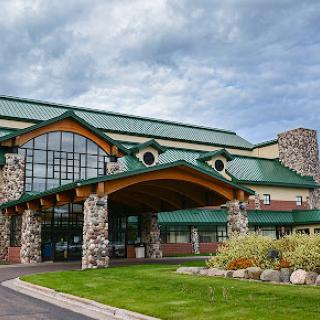


 Comprehensive Exploration of Living Wills and Other Advance Directives
 A Detailed Exploration of Living Wills and Advance Directives
 Comprehensive Guide to Medicare Coverage for Hospice Care