Broadway Care and Rehabilitation Center Costs & Pricing
At Broadway Care and Rehabilitation Center, the monthly costs for room accommodations reflect the center's comprehensive care and services. For a semi-private room, residents can expect to pay $7,777, which is notably higher than both the average rates in Essex County at $5,800 and the state average of $5,805. For those seeking a private setting, the cost rises to $8,296 - again surpassing local and state averages significantly; Essex County's private room rate is $6,771 while Massachusetts averages around $6,090. This pricing structure underscores Broadway Care's commitment to providing specialized care tailored to individual needs in a supportive environment.
| Floor plans | Broadway Care and Rehabilitation Center | Essex County | Massachusetts |
|---|
| Semi-Private | $7,777 | $5,800 | $5,805 |
| Private | $8,296 | $6,771 | $6,090 |
Skilled Nursing Facilities with a similar price nearby
-
from -$1019 / mo

Carlyle Place
$6,758 to $9,703 / month
22.5 miles away
-
from +$1123 / mo
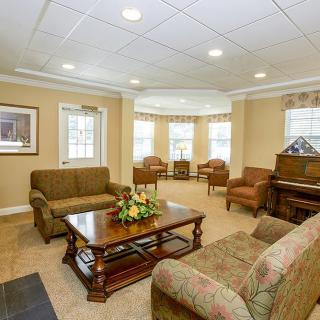
Greystone Farm At Salem
$8,900 / month
4.1 miles away
-
from -$787 / mo
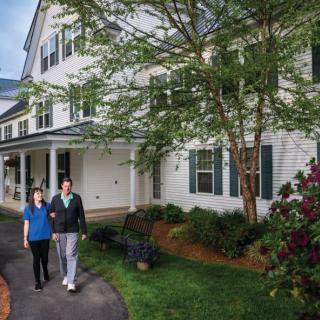
Windham Terrace
$6,990 to $9,850 / month
7.8 miles away
-
from -$662 / mo

Soldiers Home In Massachusetts
$7,115 / month
24.1 miles away
-
About the same
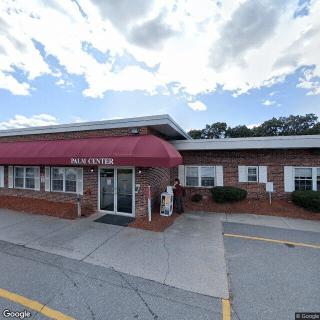
Palm Manor
$7,920 to $8,250 / month
11.6 miles away
Overall Review of Broadway Care and Rehabilitation Center
common
18 reviews mention this
Cleanliness is repeatedly mentioned
Residents and visitors frequently comment on the facility’s cleanliness.
Many reviewers describe the building as very clean, neat, and well maintained, with some calling out bright, attractive spaces. Others raise concerns about odors or unclean conditions, including reports of a stench, mice, and even human excrement in an earlier time period. Even with the mixed feedback, cleanliness is clearly a recurring topic across stays and visits.
common
27 reviews mention this
Staff warmth and responsiveness vary
Staff kindness and attentiveness come up often, with some residents reporting delays in care.
Positive reviews frequently describe nurses and aides as friendly, caring, attentive, and quick to help, including getting to patients when asked. Several reviewers also mention limited responsiveness in specific situations, like not returning calls, difficulty getting help, or patients going long periods without being seen. A few reviews also point to communication barriers that made it harder to get the help residents needed.
differentiator
12 reviews mention this
PT and OT quality is mixed
Reviews are divided on whether therapy is consistently thorough.
Some reviewers say physical therapy and occupational therapy were excellent, helped recovery, and got patients started quickly, with therapists described as knowledgeable and genuinely concerned. Other reviews criticize rehab more directly, describing rushed or canceled sessions, difficulty accessing therapy, or progress that did not match expectations. There are also reports of therapy being fine while other parts of the stay were not.
common
10 reviews mention this
Dining quality draws strong reactions
Food quality and meal handling are recurring points of praise and concern.
Several reviewers report good meals and even mention that a loved one raved about the food during rehab. Others describe cold, meager portions, food not matching dietary needs, and problems like routine errors with meal preferences or allergies. A few reviews also tie food issues to broader care gaps, reinforcing that dining is not just a comfort issue in the feedback.
caveat
10 reviews mention this
Communication and safety concerns appear
Some reviewers describe language barriers and safety or staffing breakdowns.
A number of negative reviews focus on communication problems, including aides or nurses not speaking or understanding English and messages being handled poorly when families tried to advocate. Other complaints describe delayed care or difficulty reaching staff, including reports of nurses stations being unmanned at times and call-light assistance not coming quickly. Several reviews also raise safety-related concerns such as fall risk and inadequate attention to urgent needs.
differentiator
2 reviews mention this
Private stays and respite are offered
The community offers private accommodations and respite or short stays.
While reviews vary in their day-to-day descriptions, the listing itself indicates private accommodations are available and that respite or short-term stays are offered. This can matter for families who need a shorter recovery placement or want a private setting for comfort and privacy during rehabilitation.
differentiator
2 reviews mention this
Skilled nursing supports high acuity needs
The listing indicates high acuity skilled nursing care is available.
The community is presented as a skilled nursing facility with high acuity care services. Some reviewers describe recovery and rehab support across conditions like stroke and post-acute needs, while other reviews raise concerns about whether specific medical needs were met consistently. Together, the feedback suggests therapy can be strong for some families, while medical execution and communication may be inconsistent depending on the situation.
How we summarize
Counts show how many written reviews mention each theme; a review can touch several themes, and only frequently mentioned themes are displayed.

 Skilled Nursing Facility
 Private
 Respite or short term stays offered
 Manchester (19 miles away)
 High acuity care
 Friendly staff, engaging activities, and well-kept, spacious apartments with restaurant-style dining.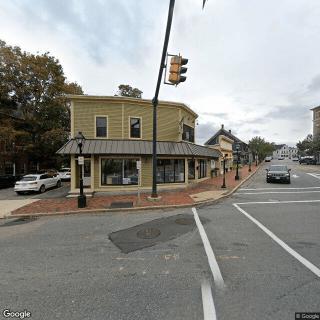


 Understanding the Nuances of Palliative Care and Hospice: A Comprehensive Exploration
 Fecal Incontinence in Older Adults: A Comprehensive Guide
 Recognizing the Journey: Understanding and Navigating Anticipatory Grief