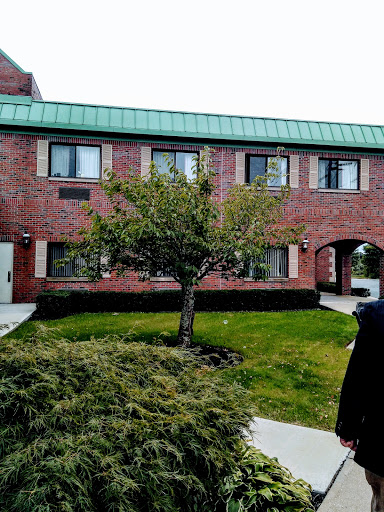
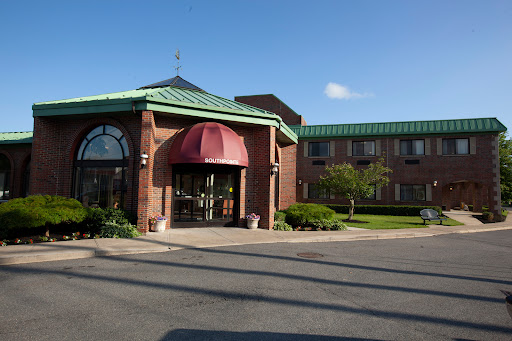

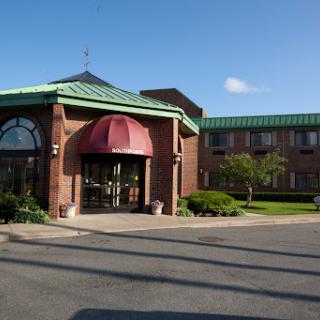
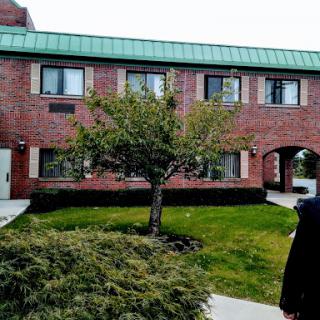


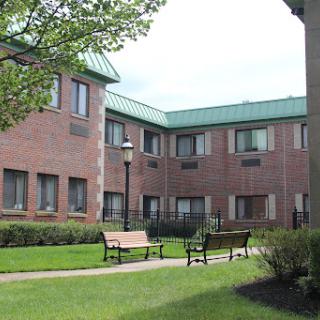
100 Amity Street, Fall River, MA 02721
For more information about senior living options: (866) 208-4318
Overall Review of Southpointe Rehab Center
Pros
 The staff was awesome.
- Physical therapy was good.
- Jamie and Sarha were very good.
- The food was excellent and there was always enough.
- The CNAs treated residents like family.
- It is a warm and loving place to be when in need of help.
- The care and staff at Southpoint are wonderful.
- The reviewer highly recommends the facility.
Cons
 They were disgusted with the quality of care provided for their father and would never recommend the facility.
- The facility is short-staffed and does not provide quality care.
- They overheard conversations about proper care not getting done and about not having enough staff.
- Two nurses for at least 50 beds is not acceptable.
- There were delays in basic care, including not changing patients in a timely manner.
- There were bedsores and a transfer incident where a grandfather was dropped; more training was needed.
Review
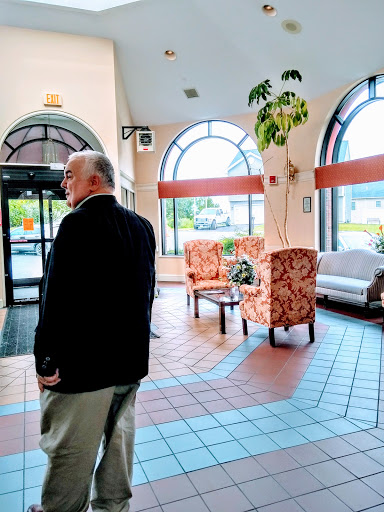
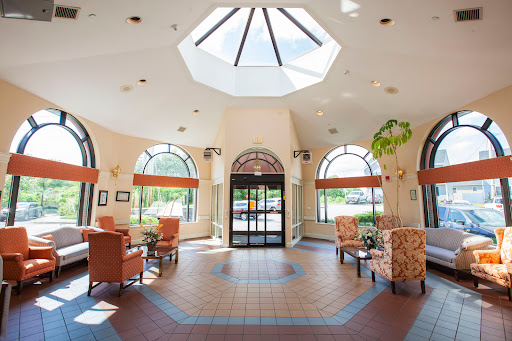
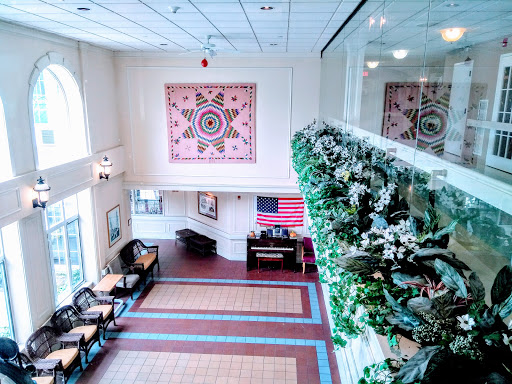
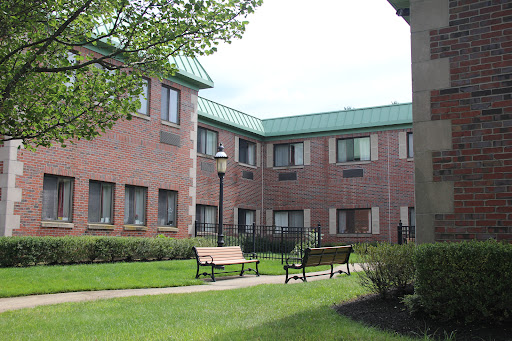
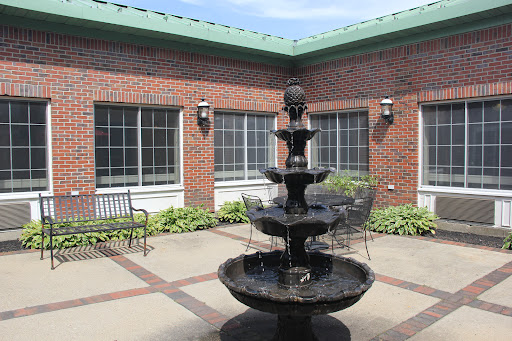
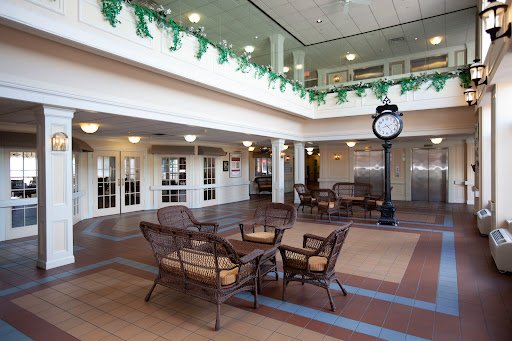
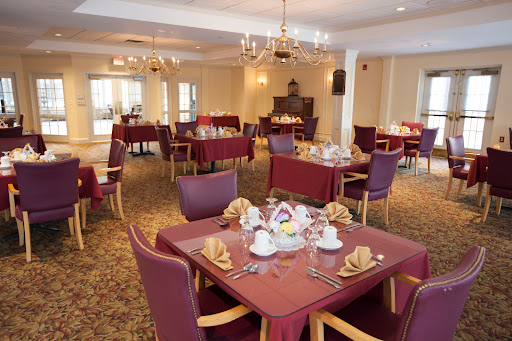
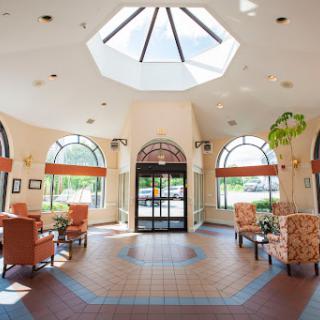
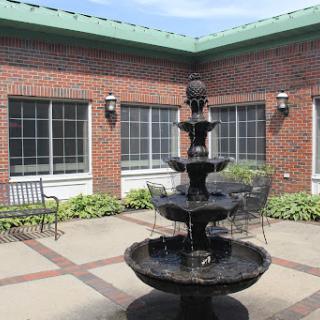
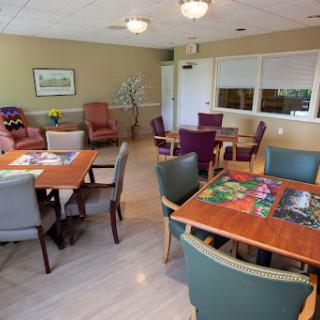
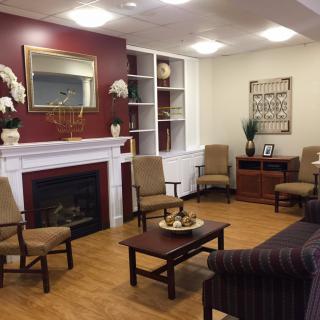
Southpointe Rehab Center in Fall River is best suited for seniors needing short-term rehabilitation and for families who prioritize hands-on therapy and a warm, family-like caregiving culture. When the rehab focus lands well, residents report meaningful gains from physical therapy and attentive CNAs who treat people with kindness, making the setting feel less clinical. The facility’s environment can feel bright and welcoming, with clean rooms and dependable daily routines that support recovery. For families who value frequent therapy touchpoints, approachable staff, and meals that are consistently described as good, this center offers a workable path toward getting back on one's feet.
Yet plenty of reviewers flag the realities that accompany skilled nursing care in a high-demand setting: inconsistent staffing, gaps in timely assistance, and questions about overall care quality. Short-staffing emerges as a recurring concern, with accounts of aides and nurses stretched thin across many residents. Several families describe delays in routine tasks, such as changing patients, and note that concerns about care levels go unanswered when leadership is not visibly engaged. These patterns matter greatly for anyone relying on steady, around-the-clock support, especially for total-care residents who require frequent hands-on help.
The strongest positives, therapists who are genuinely skilled, CNAs who build trusting relationships, and a resident-focused culture on good days, do carry real weight. Instances of excellent nursing and therapy staff are repeatedly cited by private-duty caregivers and families, and a bright, orderly environment can support a successful rehab trajectory. When staffing aligns with need, patients can experience improved mobility, better engagement in activities, and a sense of reassurance from caregivers who know their names. Food quality, while not universally praised, has been consistently described as better-than-average in several accounts, contributing to overall comfort during recovery.
Unfortunately, the downsides cannot be ignored. Reports of bed sores, falls, and instances where care was not delivered with expected urgency raise red flags for anyone assessing risk. The critiques frequently point to gaps in training and supervision, cases where long-tenured staff are described as competent alongside newer employees who struggle to follow care plans or coordinate with colleagues. The perception that some nurses or aides lack the experience or the teamwork necessary to manage complex needs undermines confidence in day-to-day safety, even when the environment appears clean and modern.
For families weighing options, the decision hinges on how much weight is given to rehab momentum versus day-to-day reliability. If a resident’s goals align with aggressive therapy, personal attention from CNAs, and a positive, encouraging atmosphere, Southpointe can deliver meaningful progress when staffing is adequate. However, for anyone facing substantial ongoing medical needs, frequent nursing supervision, or high risk of complications, alternatives with stronger staffing consistency and clearer accountability may reduce risk and stress.
In the end, Southpointe is not a universal choice. It can be a strong fit for short rehab stays and residents who respond well to a compassionate, therapy-forward approach, provided the facility demonstrates dependable staffing and proactive leadership. Prospective families should press for current staffing ratios, request to meet the therapy and nursing leads, and seek recent incident history or quality measures before committing. A candid, on-site assessment, visiting at different times of day, speaking with multiple staff members, and, if possible, consulting current residents and families, will reveal whether this center can deliver the steady, attentive care essential for a safe, confident transition back home or to a lower-acuity setting.
 152 resident community capacity
 Skilled Nursing Facility
 Air-conditioning
 Beauty salon
 Cable or satellite TV
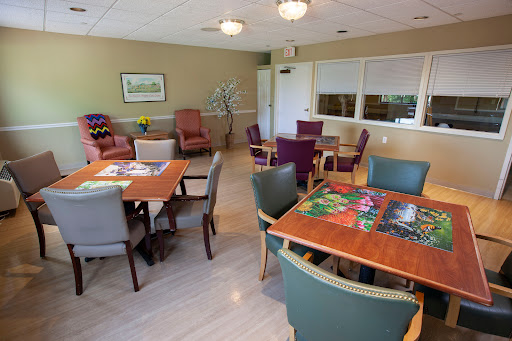
 Computer center
 Dining room
 Fitness room
 Fully furnished
 Gaming room
 Garden
 Housekeeping services
 Kitchenette
 Move-in coordination
 Outdoor space
 Private bathrooms
 Restaurant-style dining
 Small library
 Telephone
 Wellness center
 Wi-Fi/high-speed internet available
 Theodore F Green State (14 miles away)
 Community operated transportation
 12-16 hour nursing
 24-hour call system
 Activities of daily living assistance
 Assistance with bathing
 Assistance with dressing
 Assistance with transfers
 Diabetes diet
 Medication management
 Mental wellness program
 Special dietary restrictions
 Concierge services
 Planned day trips






 Senior Move Management: Understanding the Role, Value, and Associated Costs
 Weight Training for Seniors: Building Strength and Vitality
 Understanding the Sandwich Generation: Stress and Responsibilities for Multigenerational Caregivers